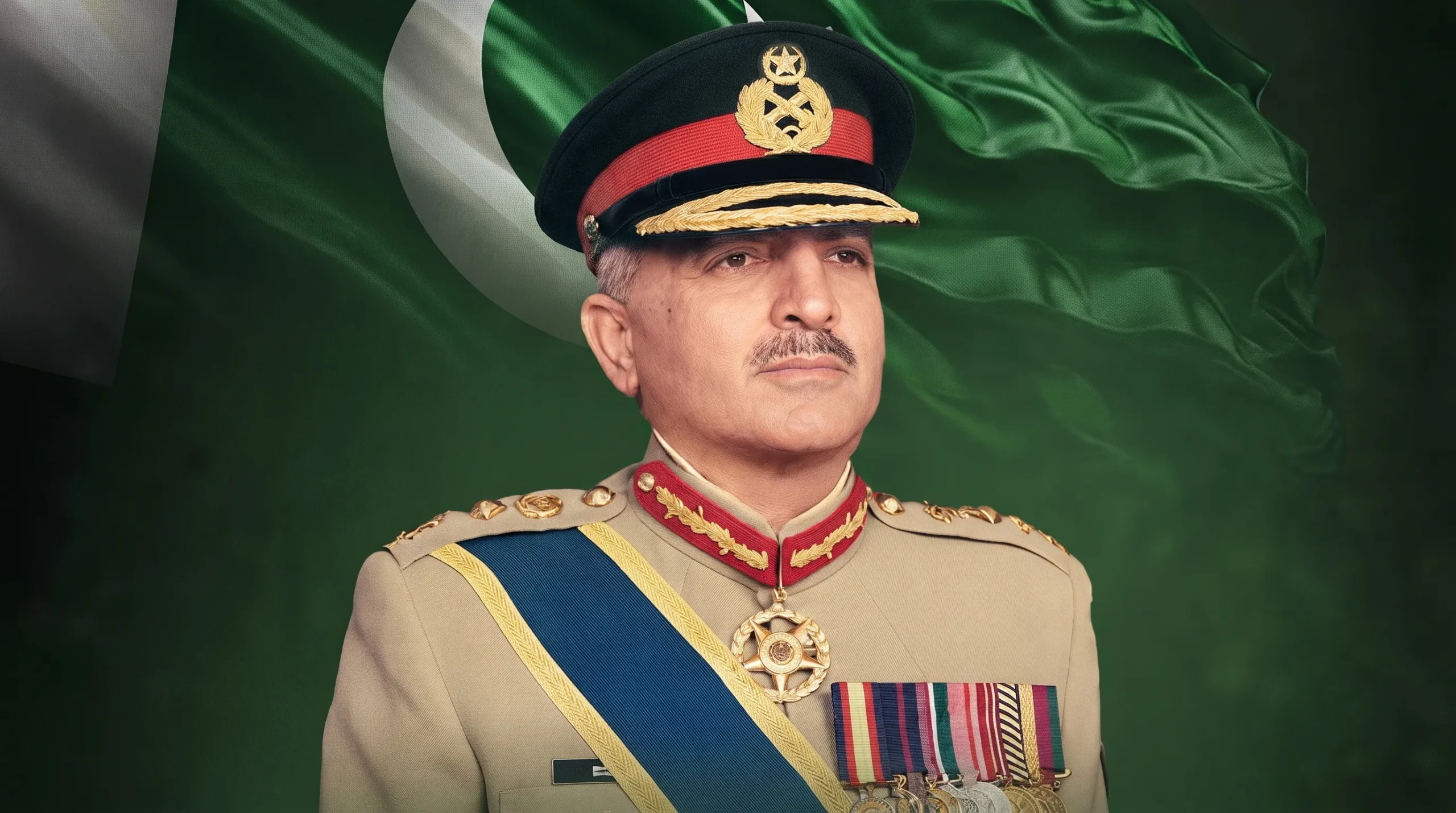
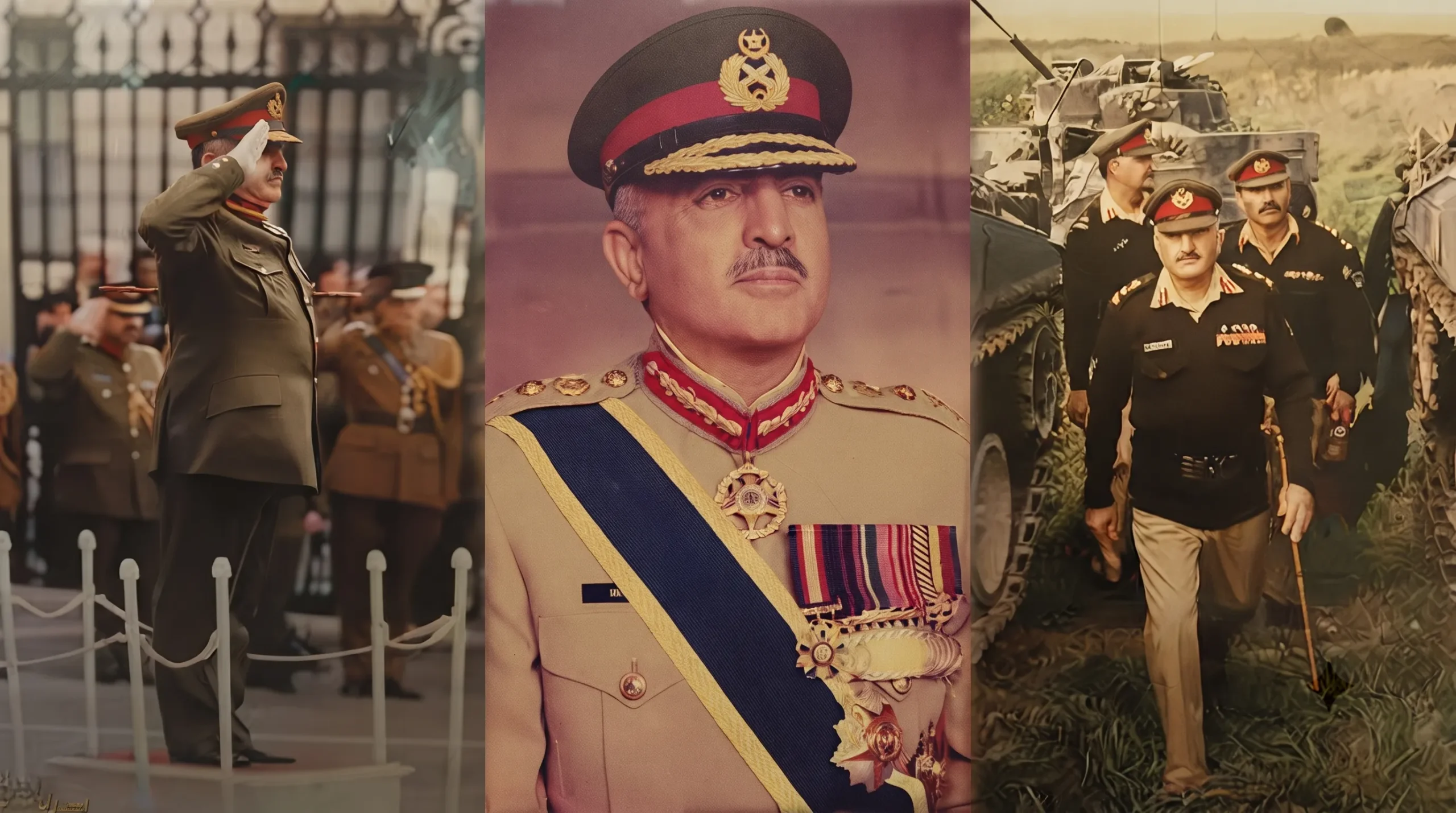
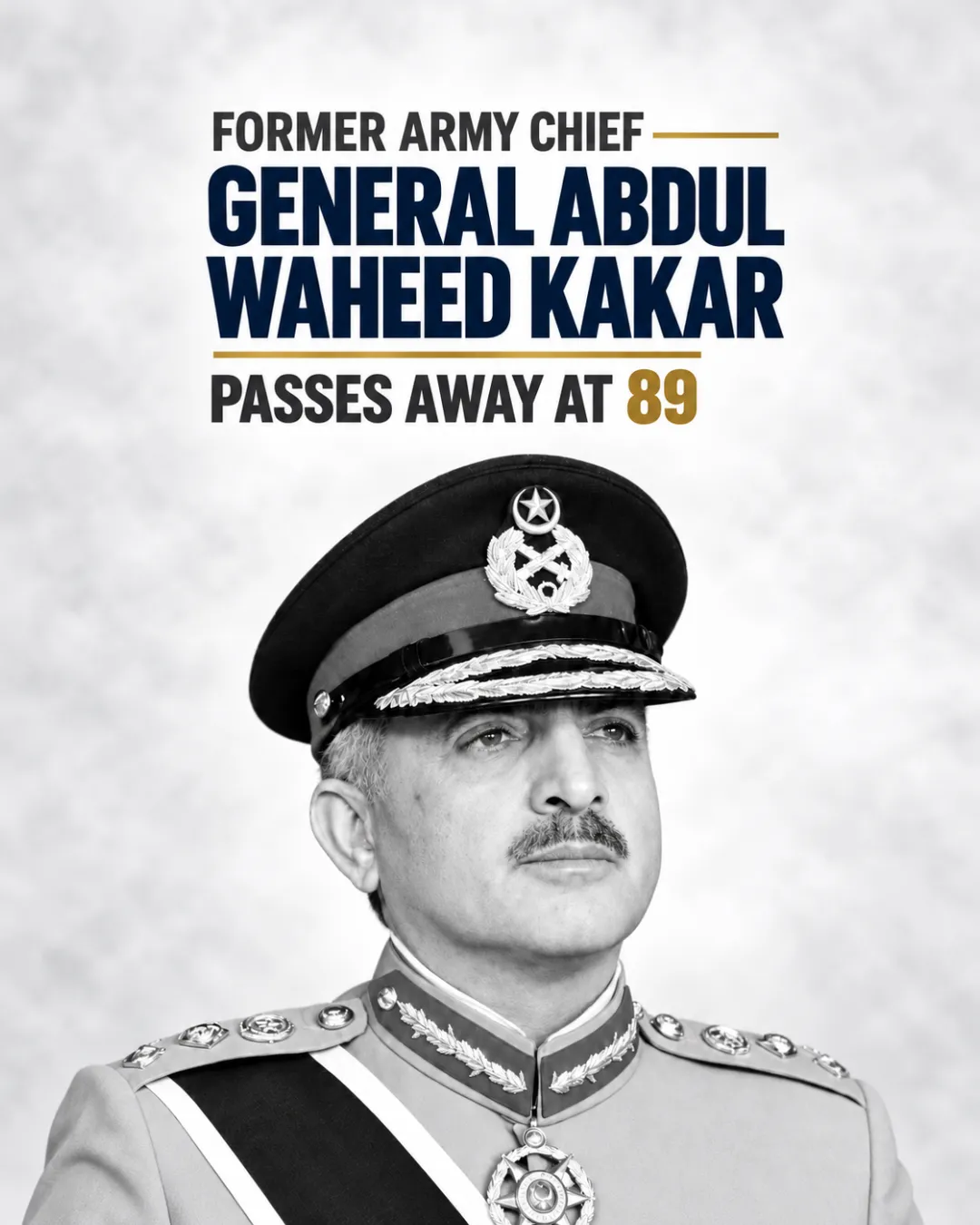



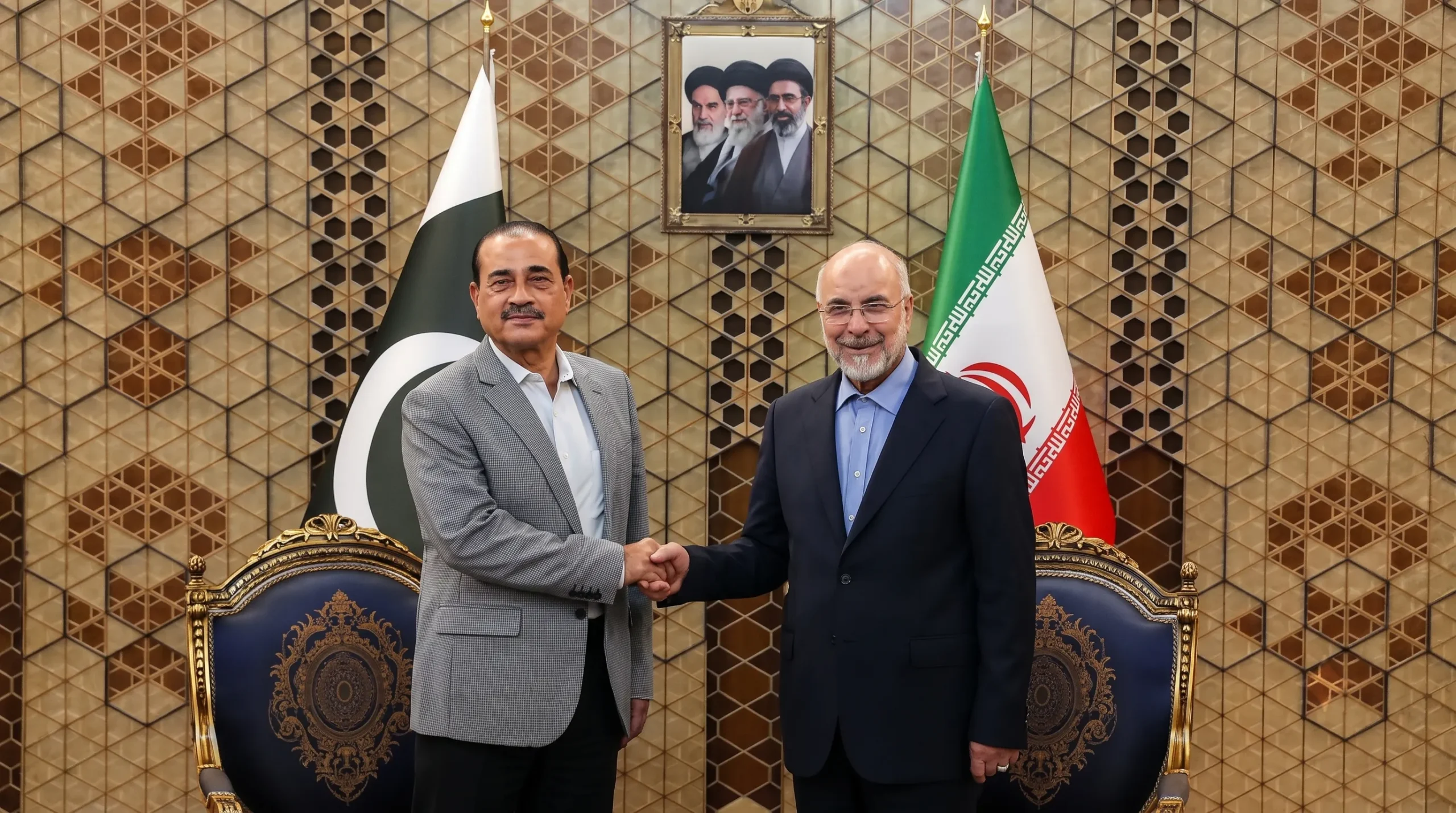



General (Retired) Abdul Waheed Kakar, who led the Pakistan Army during the 1990s, passed away in Rawalpindi on October 26, 2026, at the age of 89. His death was confirmed by the military’s media wing, ISPR, prompting condolences from the country’s civilian and military leadership.
President Asif Ali Zardari, Prime Minister Shehbaz Sharif and Field Marshal Syed Asim Munir expressed grief over his passing. The army also acknowledged his years of service and leadership, while offering condolences to his family. His death has brought renewed attention to a career that coincided with a significant period in Pakistan’s political history.

General Kakar took charge of the army on January 12, 1993, during a tense standoff between then-President Ghulam Ishaq Khan and Prime Minister Nawaz Sharif. The confrontation eventually led to both leaders leaving office, followed by a caretaker administration and fresh elections.
The political settlement associated with his intervention became widely known as the Kakar Formula. Rather than the military taking direct control of the government, the crisis moved towards an electoral process, bringing Benazir Bhutto back to the premiership later that year. The episode remains a significant part of discussions about Pakistan’s political and civil-military history.

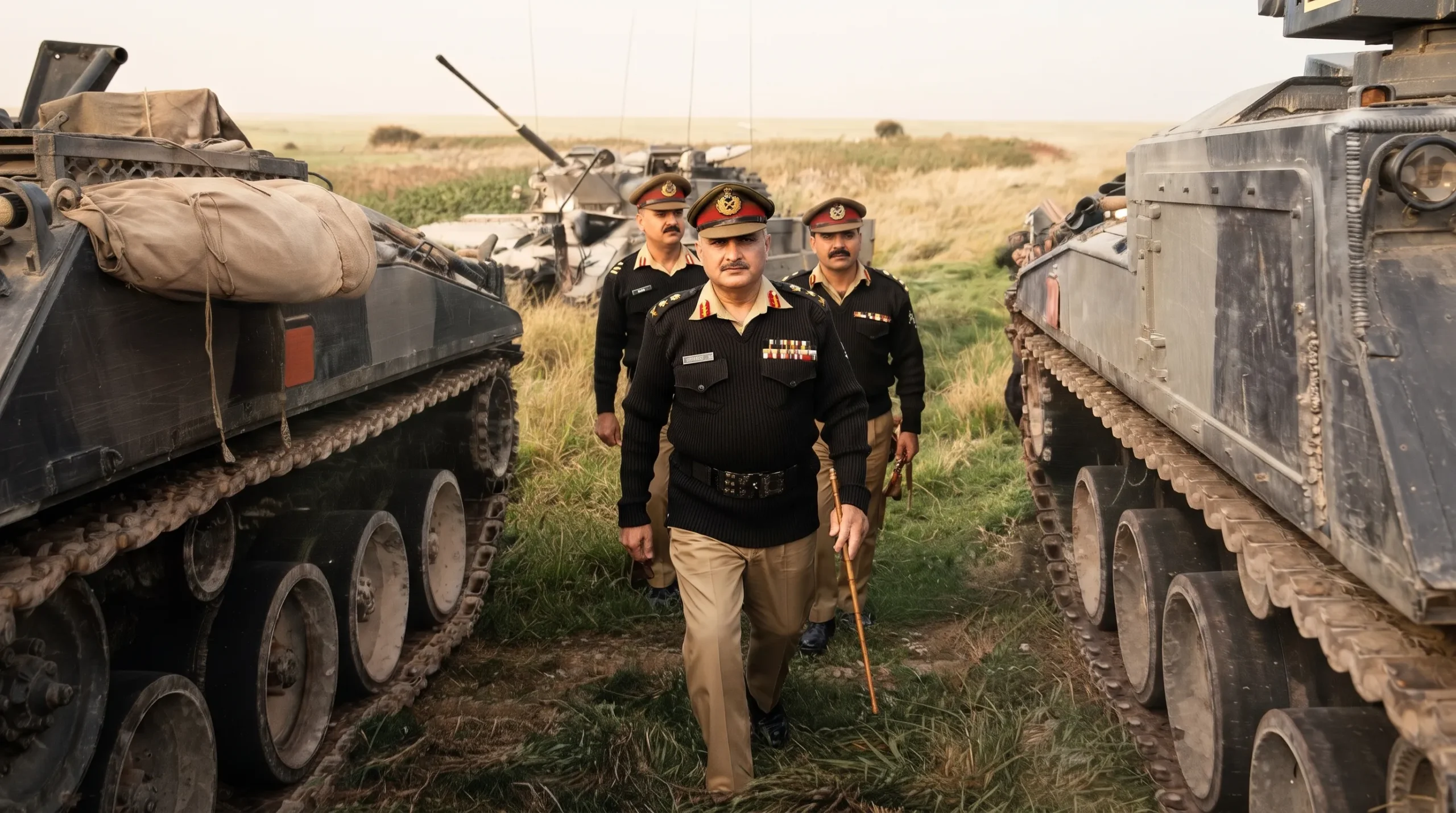
Before becoming army chief, General Kakar built a military career spanning decades. He served in the 1965 and 1971 wars and held various command and senior staff positions before assuming the country’s top military appointment. His tenure as army chief ended on January 12, 1996, after which he retired without seeking an extension.
He received military honours including the Nishan-i-Imtiaz (Military) and Hilal-i-Imtiaz (Military). After leaving service, he largely stayed away from public life in Rawalpindi. His passing marks the end of a life closely connected to Pakistan’s military institution and a defining chapter in the country’s political history.