From Risalpur To The Cockpit: Becoming A PAF Pilot
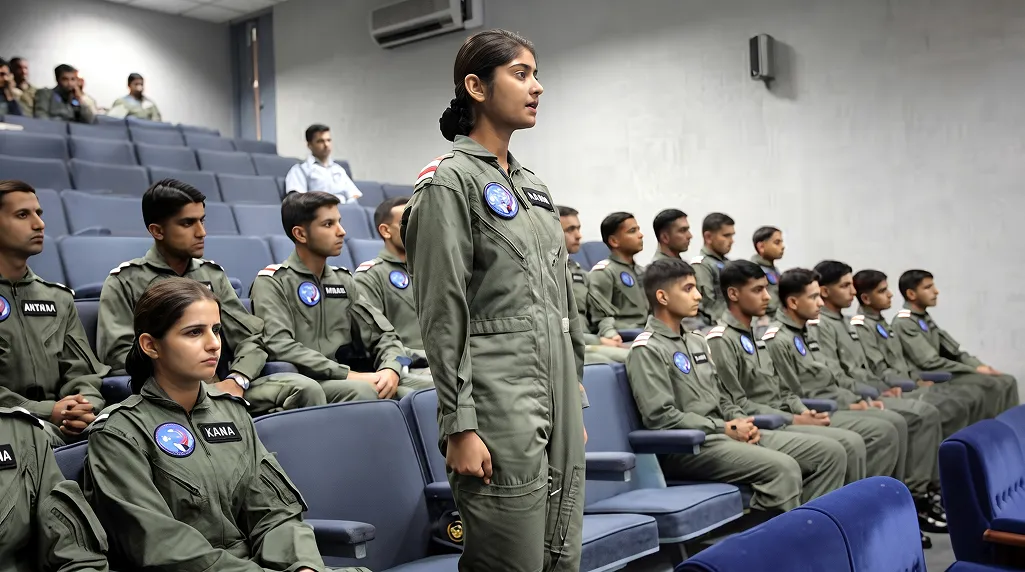
The story of Pakistan’s military aviation is closely tied to Risalpur. In September 1947, shortly after independence, the Flying Training School was established there under Wing Commander Asghar Khan, who would later become Pakistan’s first Air Chief.
The school initially operated aircraft including the Harvard and Tiger Moth, with the first training sortie taking place on September 22, 1947.
Just months later, on April 13, 1948, Muhammad Ali Jinnah visited the Flying Training School. He raised its status to a college and took the salute at the parade.

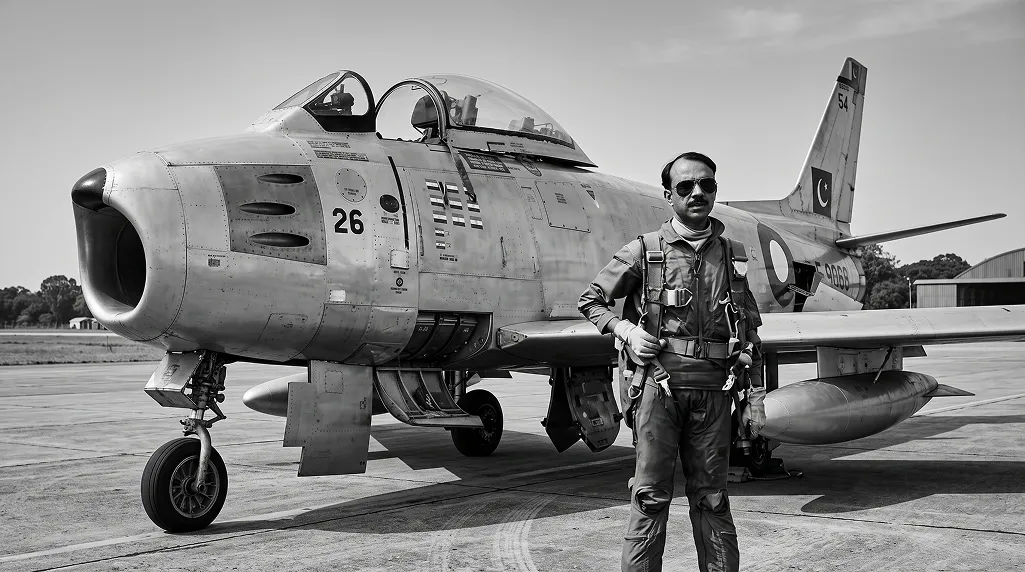
Risalpur’s legacy is reflected in the careers of pilots who went on to become some of the best-known figures in Pakistan’s Air Force.
Air Marshal Nur Khan, who later commanded the PAF during the 1965 war, had himself served as Commandant of the Flying Training School at Risalpur in the early years of the institution.
Another name associated with PAF history is Group Captain Saiful Azam. A fighter pilot who served with the PAF from 1960 to 1971, Azam flew combat missions during the 1965 war and was later involved in combat operations in the Middle East.
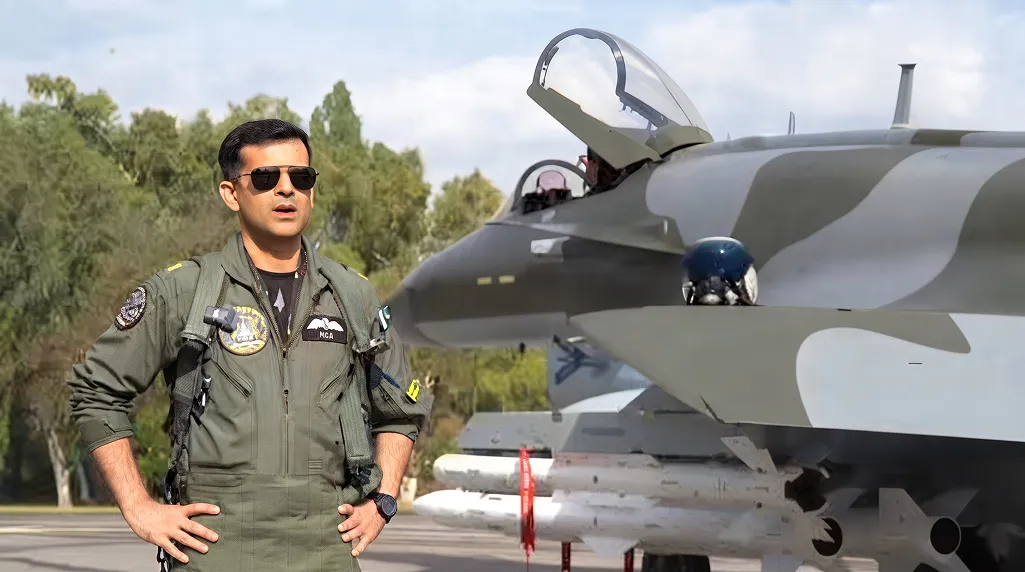
The modern journey is far more structured than the early days of the Flying Training School. Aviation cadets undergo academic education, military training, physical conditioning and flying instruction as they progress toward becoming commissioned PAF officers.
The academy trains General Duty Pilots alongside officers entering engineering, air defence, logistics and other branches.
The scale of the institution can be seen at its graduation ceremonies. In November 2024, 139 Aviation Cadets, along with eight Gentleman Cadets and two Naval Cadets, graduated at a ceremony in Risalpur.
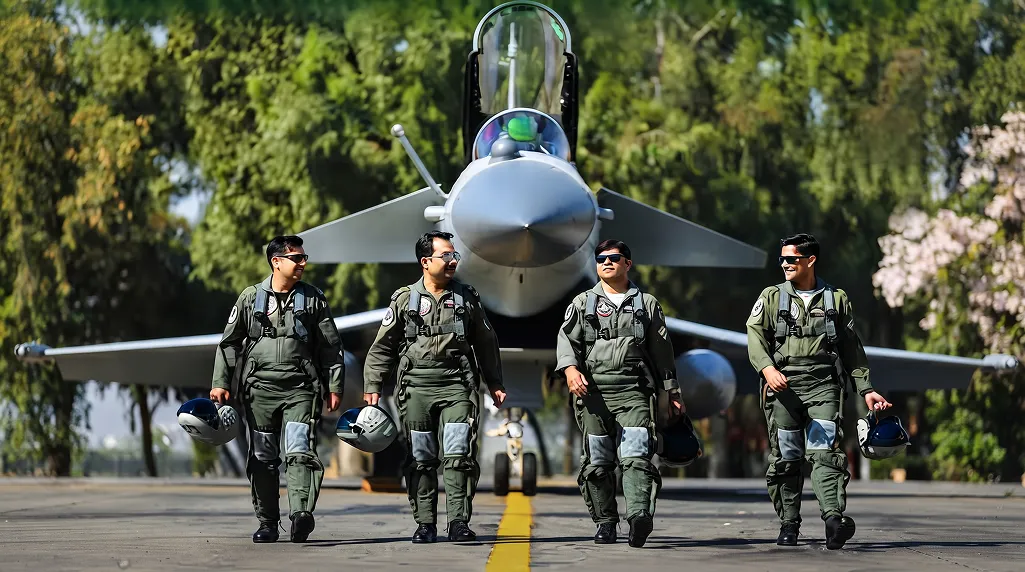
For an aspiring PAF pilot, Risalpur is not simply the place where flying lessons begin. It is where aviation is combined with military education, leadership training and the responsibilities of becoming an officer.
The institution has evolved dramatically from the small Flying Training School established in 1947, but its central purpose remains connected to preparing Pakistan’s future aircrew and officers.
Its history also explains why Risalpur occupies such a distinctive place in Pakistan’s aviation story.
The story of Pakistan’s military aviation is closely tied to Risalpur. In September 1947, shortly after independence, the Flying Training School was established there under Wing Commander Asghar Khan, who would later become Pakistan’s first Air Chief.
The story of Pakistan’s military aviation is closely tied to Risalpur. In September 1947, shortly after independence, the Flying Training School was established there under Wing Commander Asghar Khan, who would later become Pakistan’s first Air Chief.
The school initially operated aircraft including the Harvard and Tiger Moth, with the first training sortie taking place on September 22, 1947.
Just months later, on April 13, 1948, Muhammad Ali Jinnah visited the Flying Training School. He raised its status to a college and took the salute at the parade.
Risalpur’s legacy is reflected in the careers of pilots who went on to become some of the best-known figures in Pakistan’s Air Force.
Air Marshal Nur Khan, who later commanded the PAF during the 1965 war, had himself served as Commandant of the Flying Training School at Risalpur in the early years of the institution.
Another name associated with PAF history is Group Captain Saiful Azam. A fighter pilot who served with the PAF from 1960 to 1971, Azam flew combat missions during the 1965 war and was later involved in combat operations in the Middle East.
The modern journey is far more structured than the early days of the Flying Training School. Aviation cadets undergo academic education, military training, physical conditioning and flying instruction as they progress toward becoming commissioned PAF officers.
The academy trains General Duty Pilots alongside officers entering engineering, air defence, logistics and other branches.
The scale of the institution can be seen at its graduation ceremonies. In November 2024, 139 Aviation Cadets, along with eight Gentleman Cadets and two Naval Cadets, graduated at a ceremony in Risalpur.
For an aspiring PAF pilot, Risalpur is not simply the place where flying lessons begin. It is where aviation is combined with military education, leadership training and the responsibilities of becoming an officer.
The institution has evolved dramatically from the small Flying Training School established in 1947, but its central purpose remains connected to preparing Pakistan’s future aircrew and officers.
Its history also explains why Risalpur occupies such a distinctive place in Pakistan’s aviation story.



