0
October 6, 2026
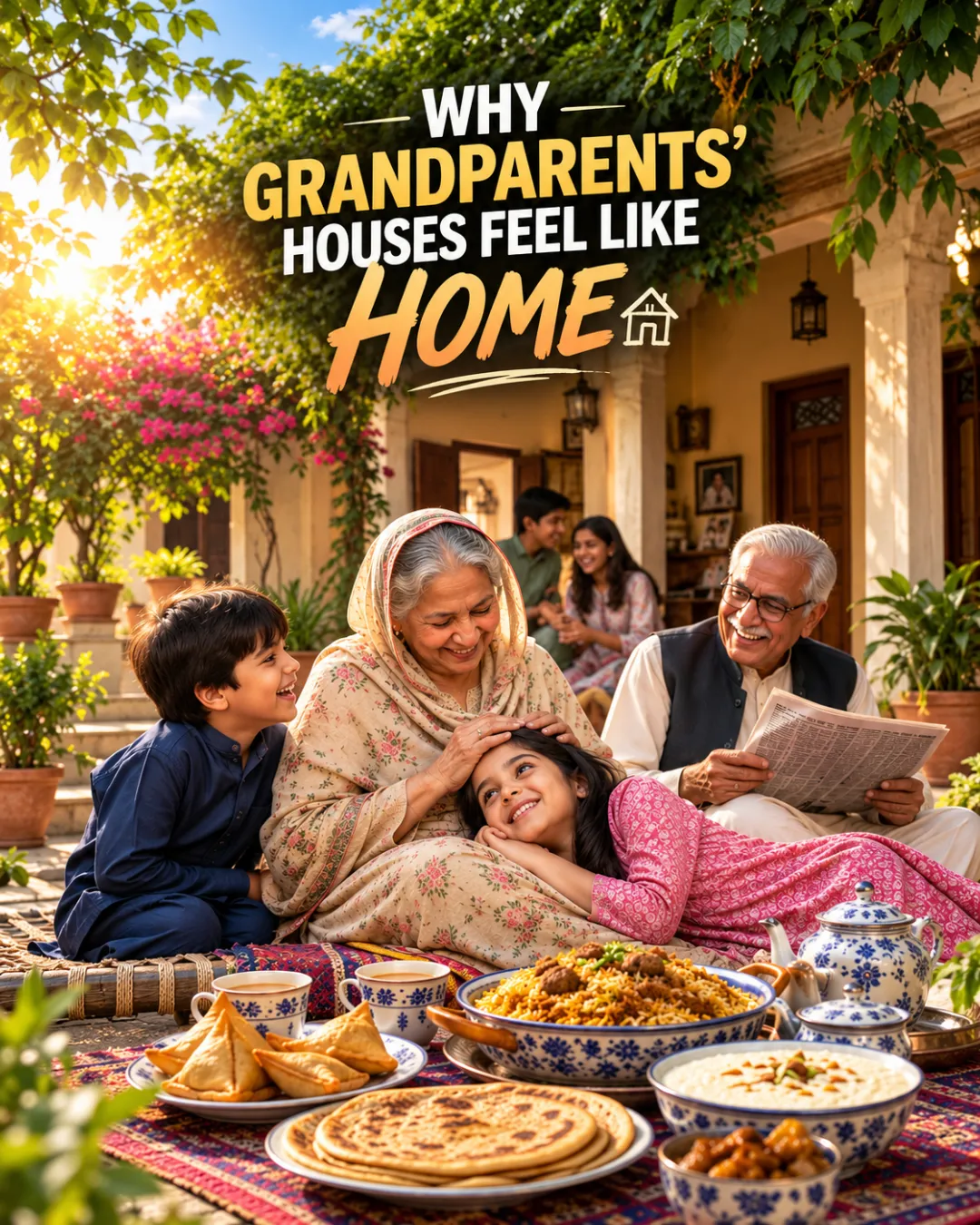
Why Grandparents’ Houses Feel Like Home
For many Pakistanis, a grandparents’ house was the unofficial family headquarters.


For many Pakistanis, a grandparents’ house was the unofficial family headquarters. Cousins arrived during summer holidays, mattresses appeared on floors, someone was always making chai, and Dadi or Nani would insist you eat something before leaving.
The food was part of the memory: Nani’s biryani, Dadi’s aloo gosht, homemade kheer, hot parathas with achar and samosas brought out with evening tea. These weren’t restaurant meals; they were recipes connected to a particular person and a particular home.
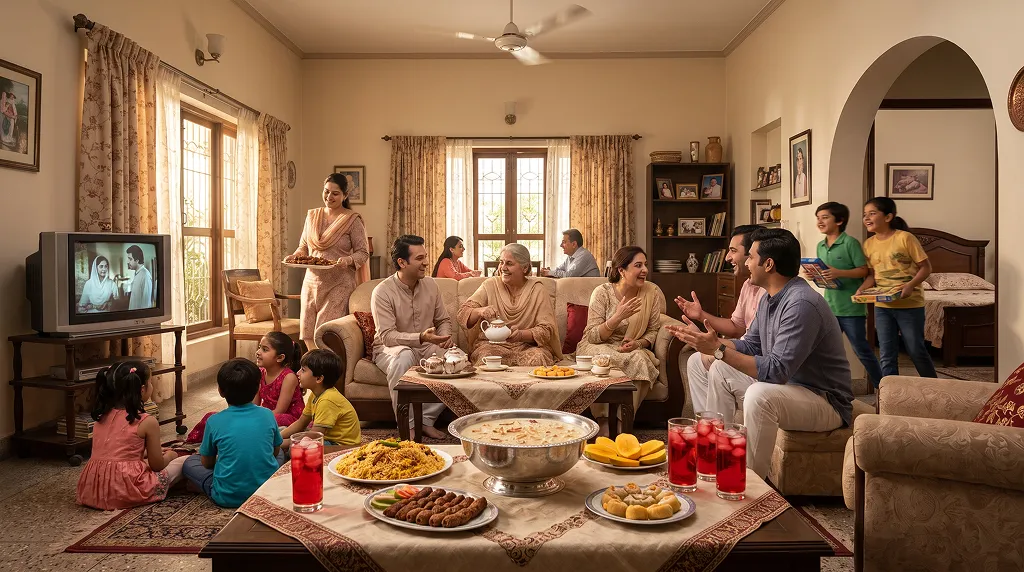
Grandparents’ houses often came alive during Eid, weddings and school holidays. There would be sheer khurma in the morning, biryani or pulao at lunch, kebabs making their way around the room and mithai that somehow lasted for days.
Summer had its own rituals; mangoes after lunch, Rooh Afza in tall glasses, watermelon in the afternoon and chai when the weather finally cooled down. Children disappeared into rooms with their cousins while adults continued conversations that seemed to have no ending.
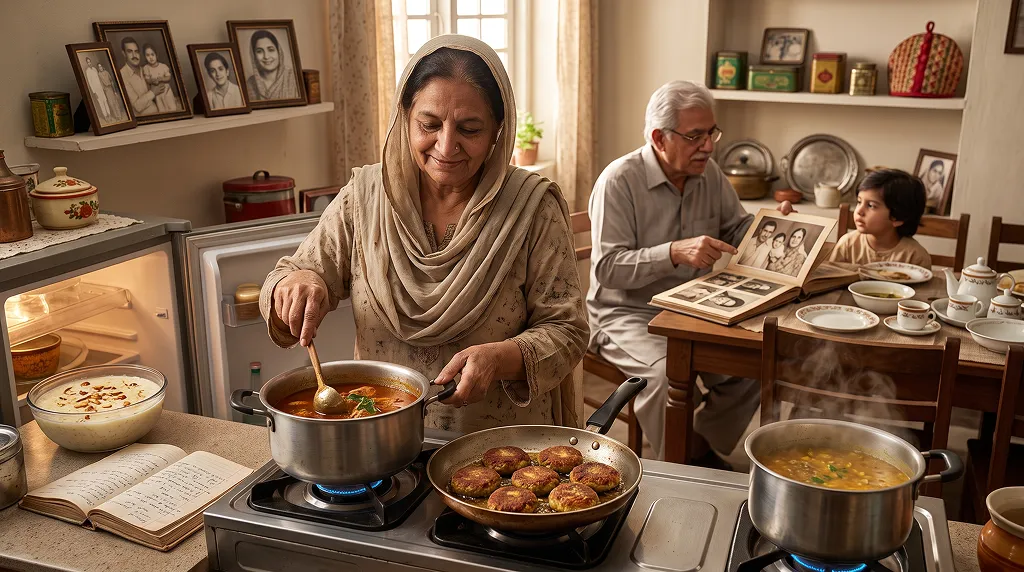
Years later, it is rarely the expensive furniture that comes to mind. It is the smell of nihari on a Sunday morning, shami kebabs being fried, daal simmering in the kitchen or kheer chilling in the fridge.
Every family has that one dish attached to a grandparent. Maybe it was Dadi’s pulao, Nani’s halwa or a particular chutney nobody else could recreate. Often, the recipe was never written down. Everyone simply knew, This is how she makes it. And grandparents offered something beyond food.

As families grow older, these houses inevitably change. Children move abroad, cousins get married, grandparents become older and rooms that once felt permanently occupied can become quiet.
Then the smallest details suddenly become precious; the old dining table, a particular sofa, the sound of the gate opening, chai being poured into cups or the smell of onions frying in the kitchen.
Perhaps that is why grandparents’ houses continue to feel like home even after we have homes of our own.
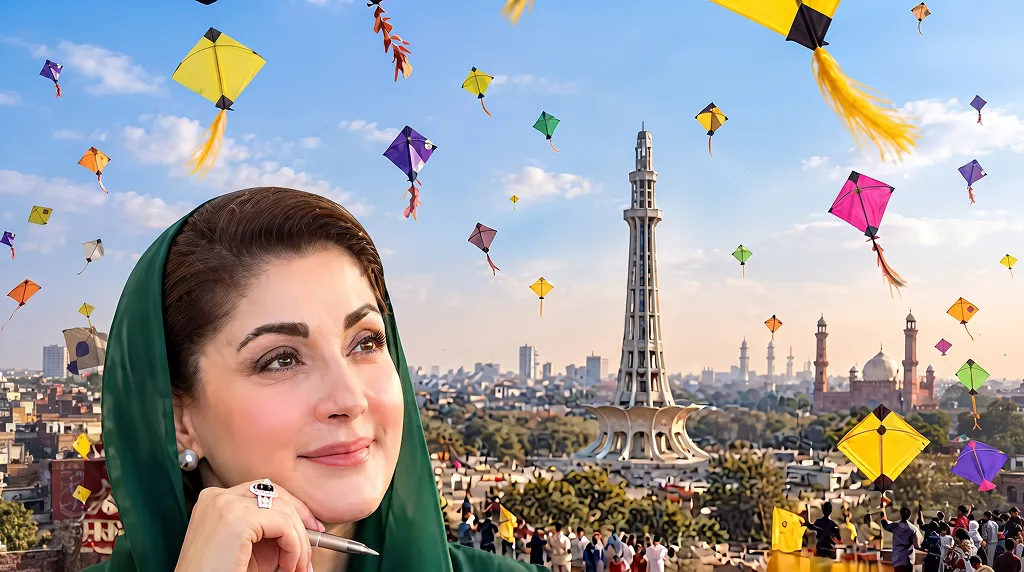
Lahore is set to celebrate Basant for 10 days from January 29 to February 7, 2027, under a schedule approved by Punjab Chief Minister Maryam Nawaz.
The festival will be paused on February 5 to observe Kashmir Day before resuming for the remaining celebrations.
The extended programme follows the return of Basant to Lahore earlier this year, when the traditional festival was held from February 6 to 8 after a prolonged suspension.

The Punjab government has directed relevant departments to begin preparations well ahead of the festival and make arrangements for the safety and convenience of residents and visitors. Officials have been asked to improve upon the measures introduced during the previous celebrations.
The renewed focus on safety comes against the history of serious accidents associated with kite flying, particularly those involving hazardous kite strings. Basant was banned in Punjab in 2007 following fatalities and injuries linked to kite flying and related incidents.
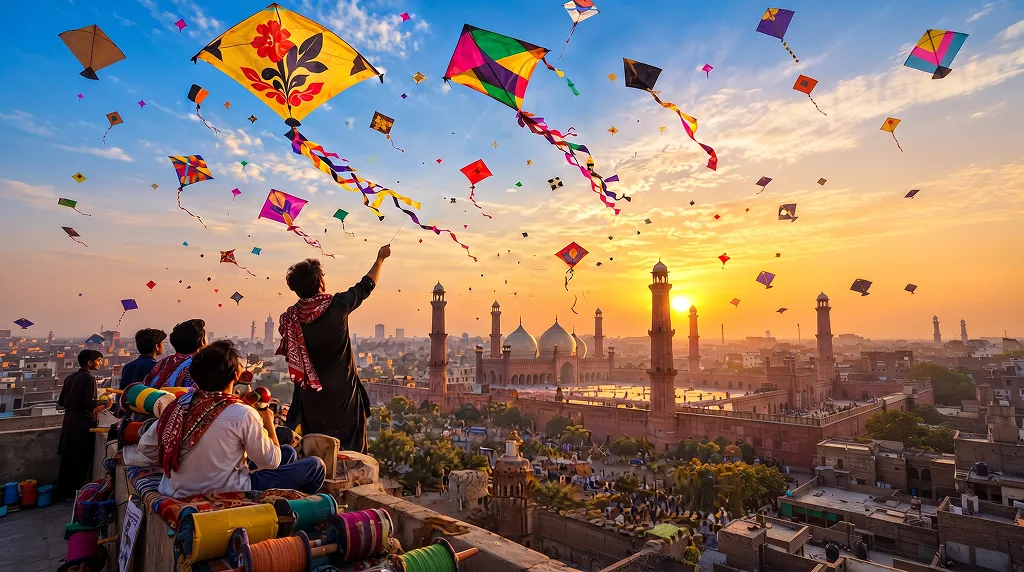
The decision marks another stage in the revival of Basant in Lahore, a festival historically associated with kite flying, springtime celebrations and the city’s cultural traditions. Its return earlier this year ended a long period in which the festival was not officially held.
The government had initially announced a shorter Basant programme for 2027, but the latest decision has revised the schedule to 10 days, running from January 29 through February 7, with the February 5 break.

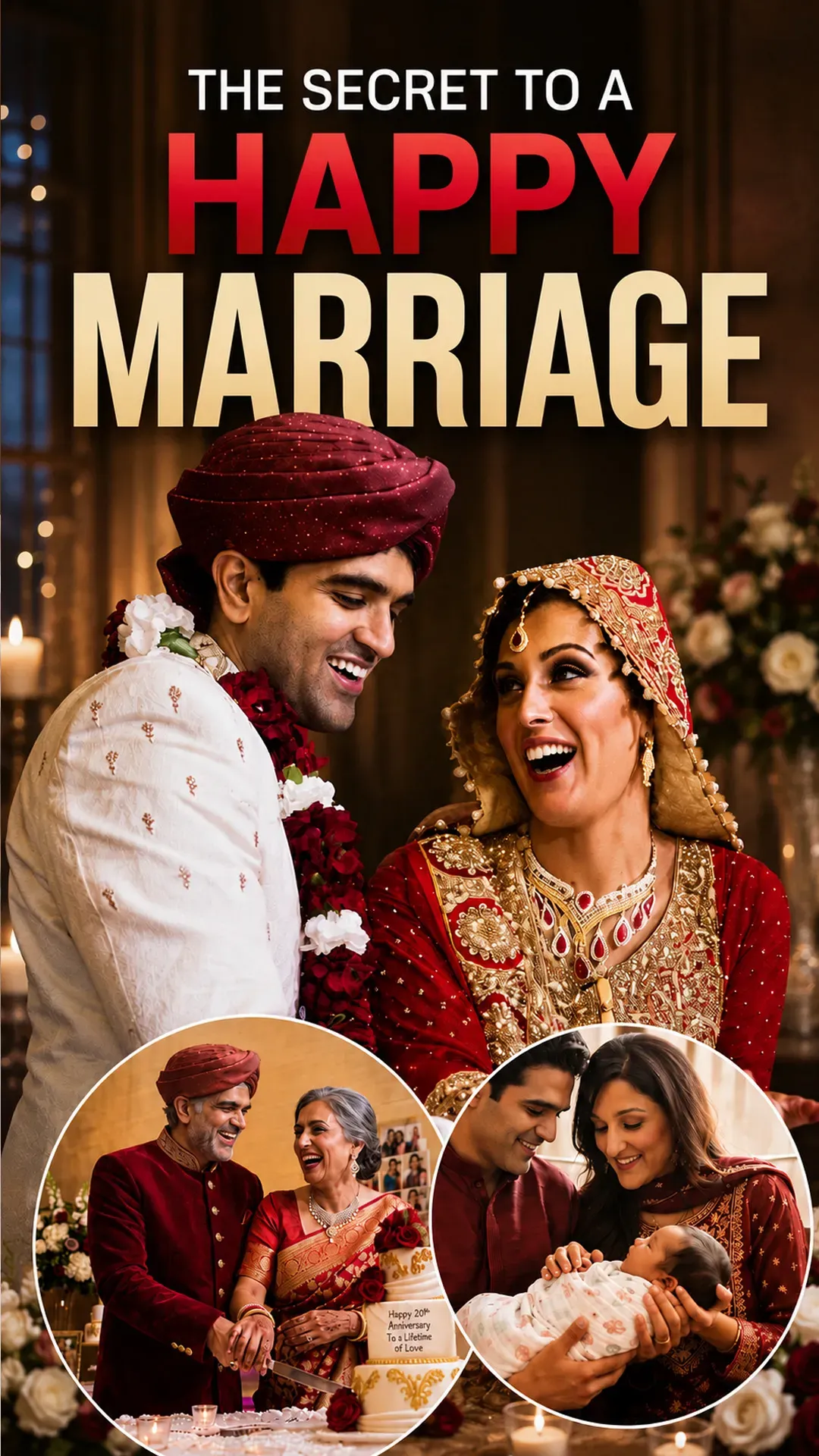

More than two decades ago, a Pakistani couple entered into a traditional arranged marriage without ever seeing each other before their wedding day.
Like many arranged marriages, their journey began with trust in their families and a willingness to build a life together despite being complete strangers.
Rather than focusing on uncertainty, they approached marriage with patience, openness, and the desire to understand one another. Every conversation and shared experience gradually strengthened the foundation of their relationship.
What began as an unfamiliar partnership slowly transformed into a lifelong bond, proving that love can grow through commitment, trust, and mutual respect.
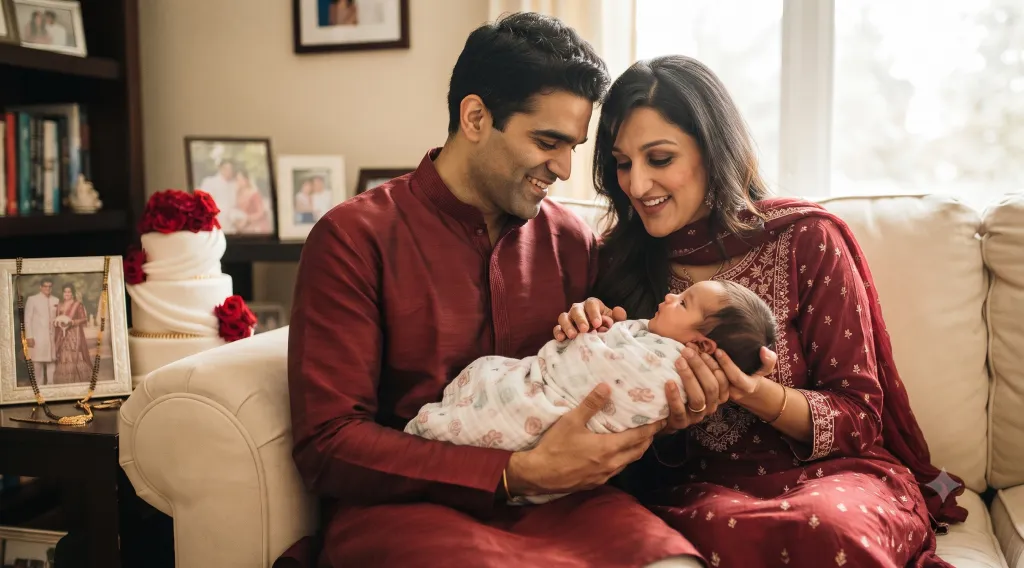
As the years passed, the couple built a happy home, welcomed children, and experienced life's many milestones together. They discovered that a successful marriage is shaped not by grand gestures but by everyday acts of kindness, support, and understanding.
Through changing circumstances, they continued to communicate openly, respect each other's perspectives, and work together as partners. Their relationship grew stronger because they chose patience over pride and teamwork over conflict.
Their journey reflects the idea that lasting marriages are built over time through shared experiences, unwavering support, and a genuine commitment to growing together.
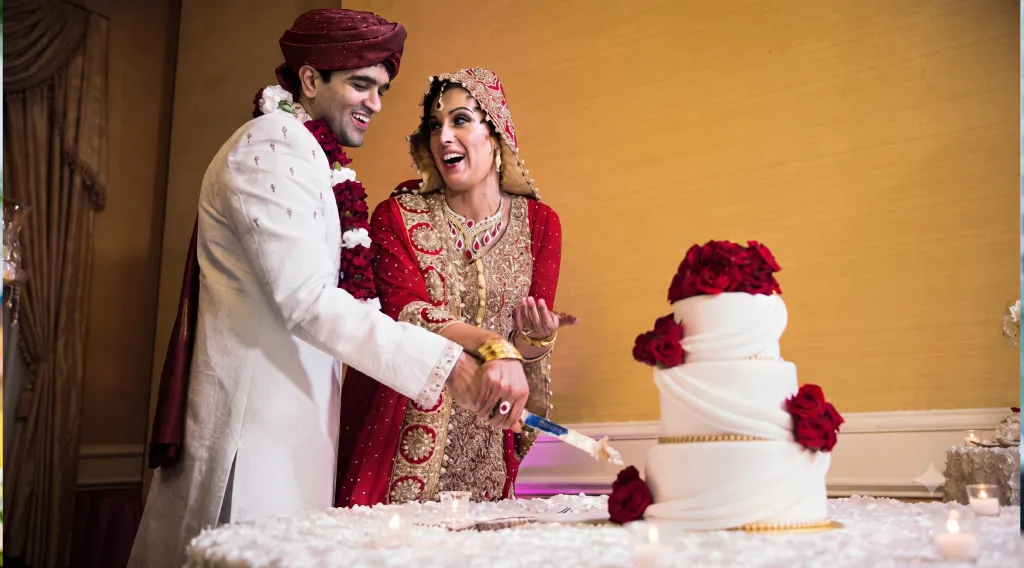
Even after more than twenty years of marriage, the couple continues to enjoy each other's company and make time for one another. They still go on regular dates, share moments of laughter, and appreciate the simple joys of everyday life together.
The husband lovingly describes his wife as his peace, a heartfelt expression that captures the comfort, trust, and companionship they have built over the years.
Their affection remains as genuine as ever. Their story is a beautiful reminder that keeping romance alive often comes through small gestures, shared laughter, and making each other a priority.

Their marriage has inspired many people by showing that meaningful relationships are not defined by how they begin but by the effort invested in them every day. From strangers on their wedding day to lifelong partners, their journey reflects the power of trust, respect, and perseverance.
Their experience also highlights an important truth about marriage. While every relationship is unique, lasting love is nurtured through communication, understanding, and a willingness to grow together through every stage of life.
More than twenty years later, their story remains a heartwarming example that the secret to a happy marriage lies in choosing each other, every single day.
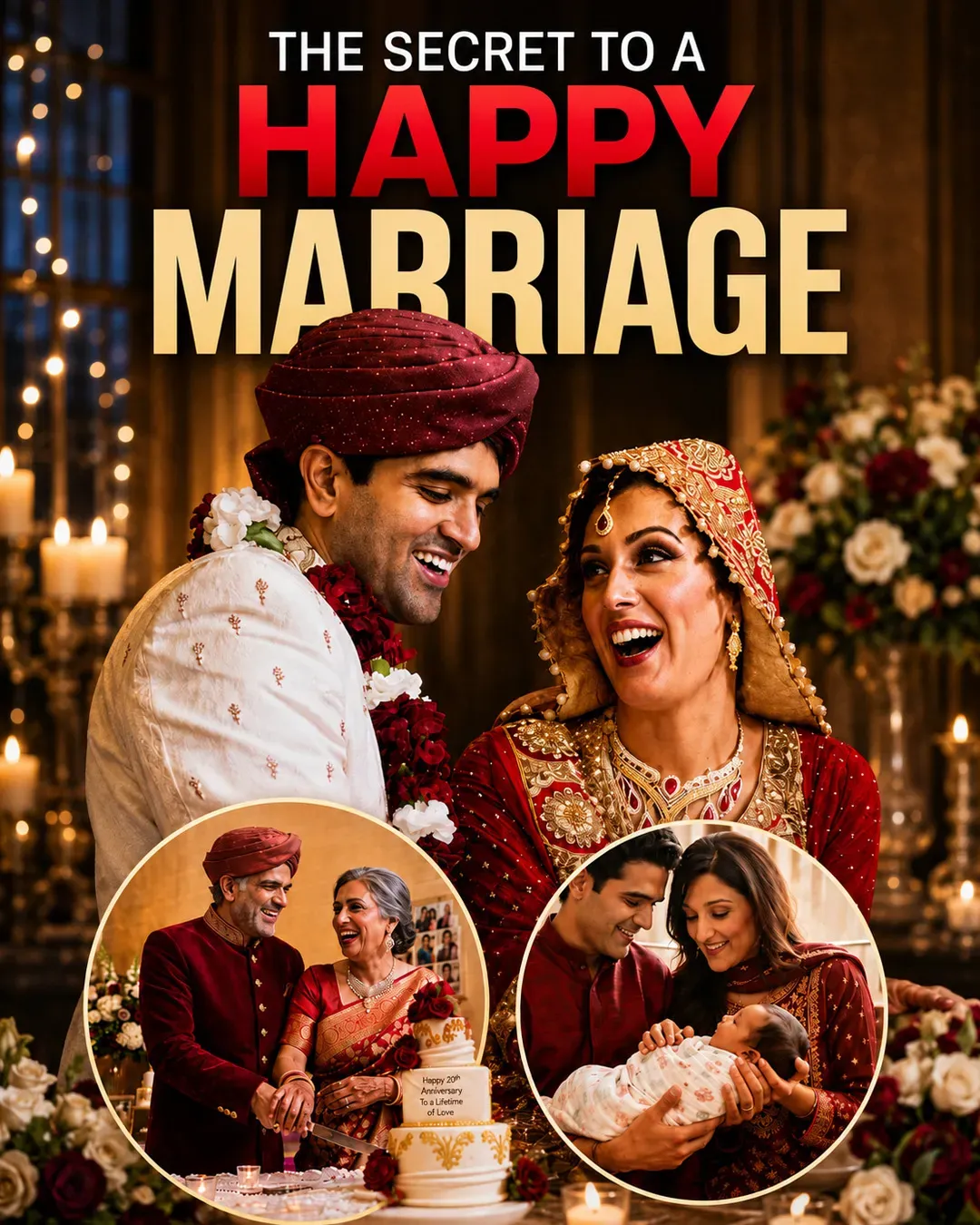

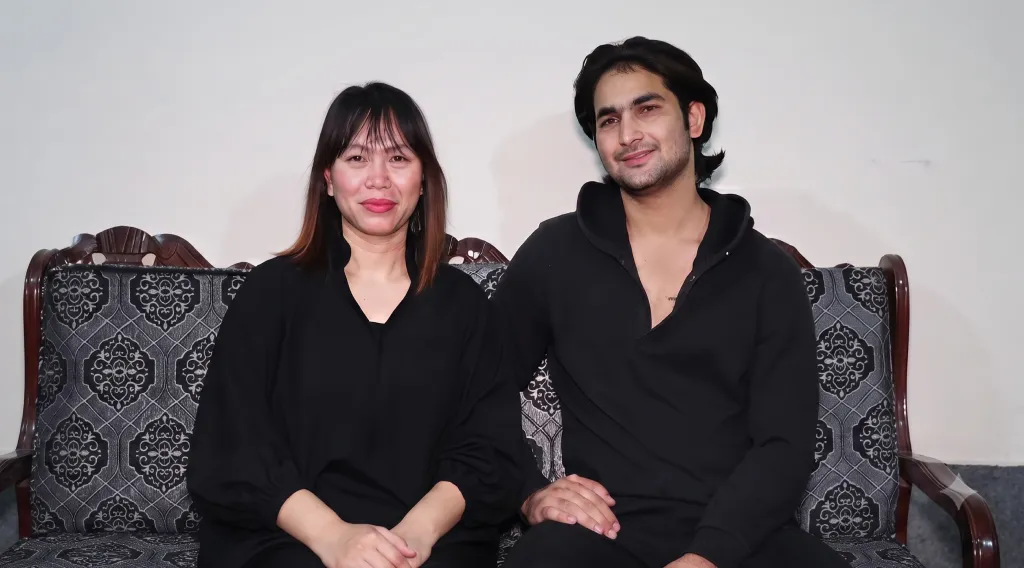
What began as an unexpected connection between a young man from Lahore and a woman from the Philippines gradually grew into a lifelong partnership.
Despite living in different countries, speaking different languages, and coming from distinct cultural backgrounds, the two chose to invest in understanding one another instead of letting their differences stand in the way.
Building a long distance relationship required patience, trust, and constant communication. Every conversation helped them learn more about each other's traditions, values, and everyday lives.
Their journey is a reminder that genuine relationships are built on shared commitment rather than geography.
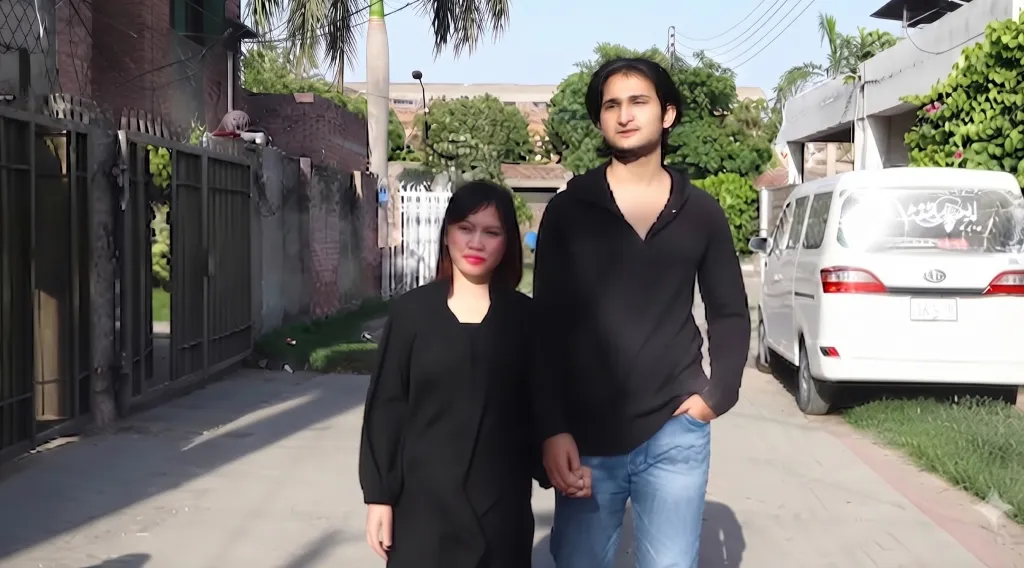
The couple faced challenges that many international relationships experience, including language barriers, cultural adjustments, and the realities of living far apart. Instead of seeing these differences
as obstacles, they approached them as opportunities to learn and grow together.
They gradually became familiar with each other's customs, family values, celebrations, and traditions.
Mutual respect and open communication helped them overcome misunderstandings while strengthening their emotional connection.
Their story highlights that successful cross cultural marriages are not about becoming the same.

After building their relationship through patience and dedication, the couple recently celebrated their tenth wedding anniversary. Their milestone quickly attracted attention online, with many people praising the love, stability, and commitment they have shown over the years.
Photos and videos marking their anniversary resonated with audiences, who admired the affection and happiness they continue to share after a decade together. Their story has inspired thousands across social media platforms.
Rather than focusing on the challenges they once faced, the couple now represents what is possible when trust, understanding, and perseverance remain at the heart of a relationship.
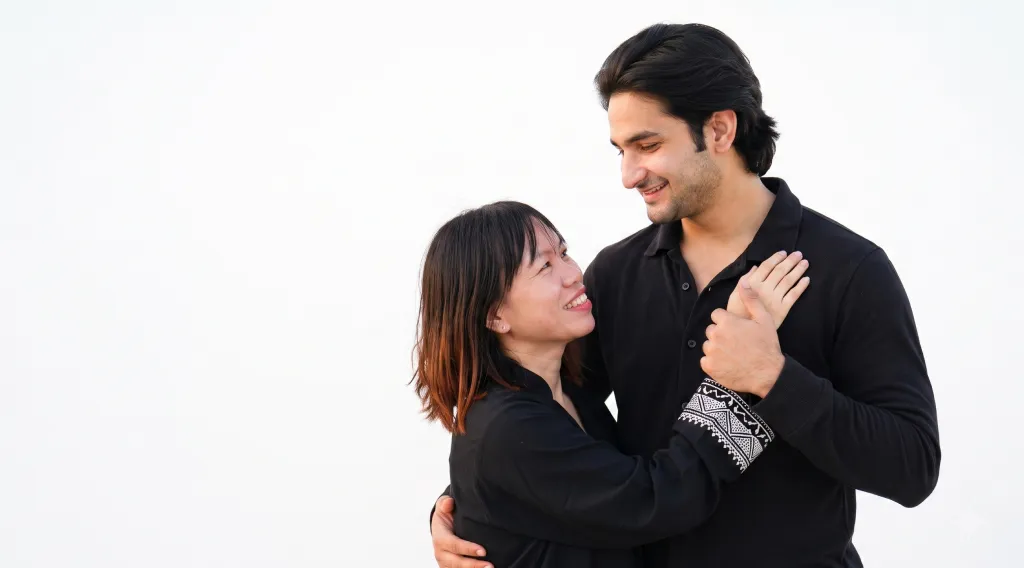
Today, the Pakistani and Filipino couple's journey continues to inspire people around the world. Their marriage demonstrates that love can flourish across different languages, cultures, and nationalities when both partners are committed to supporting one another.
Their story has gone viral because it offers a hopeful message in a world often divided by borders and differences. It reminds people that compassion and mutual respect are stronger than distance or cultural expectations.
As they celebrate ten years together, their relationship stands as a beautiful example of how patience, compromise, and unconditional support can create a lifetime of happiness, regardless of where two people come from.

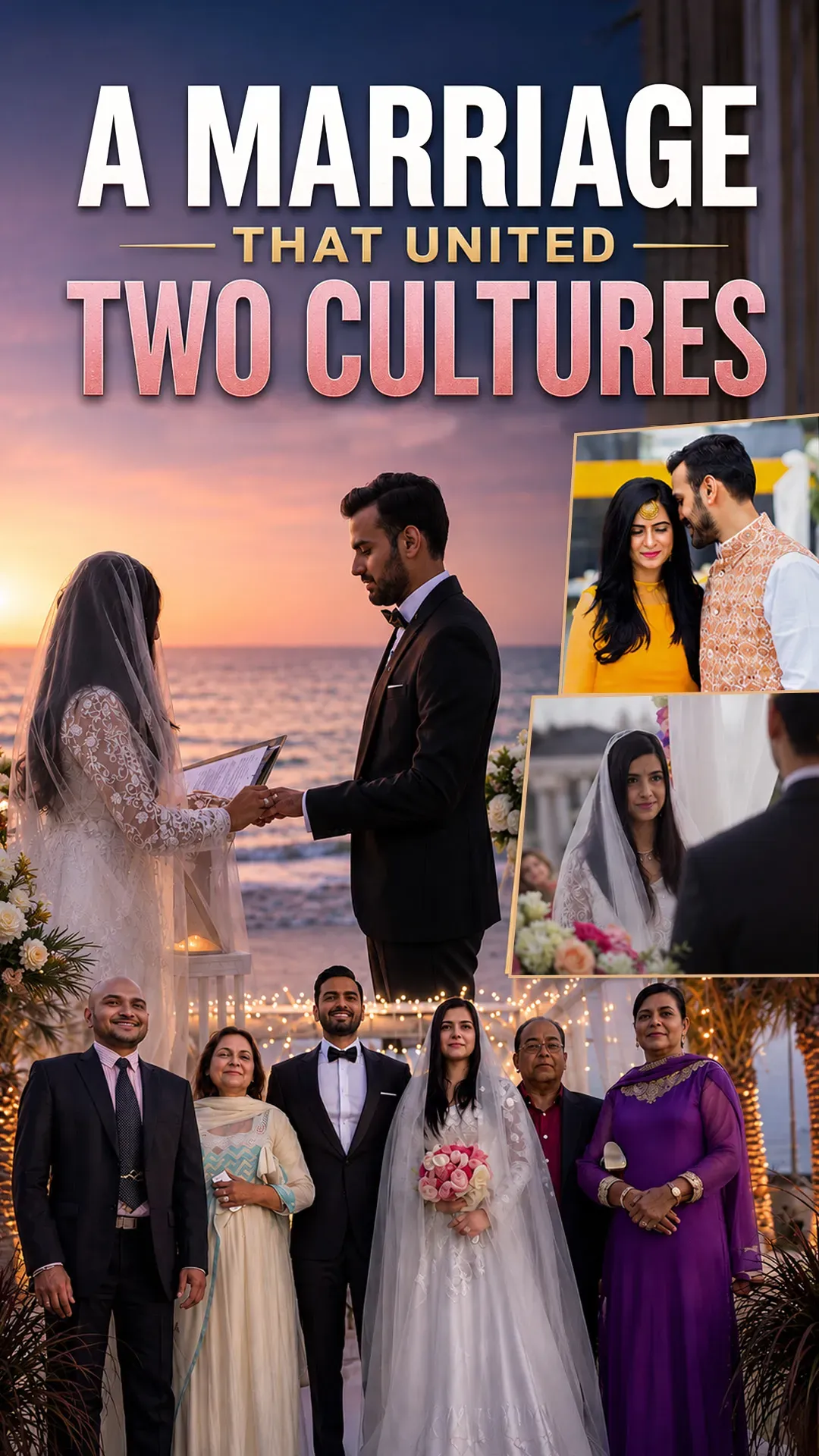
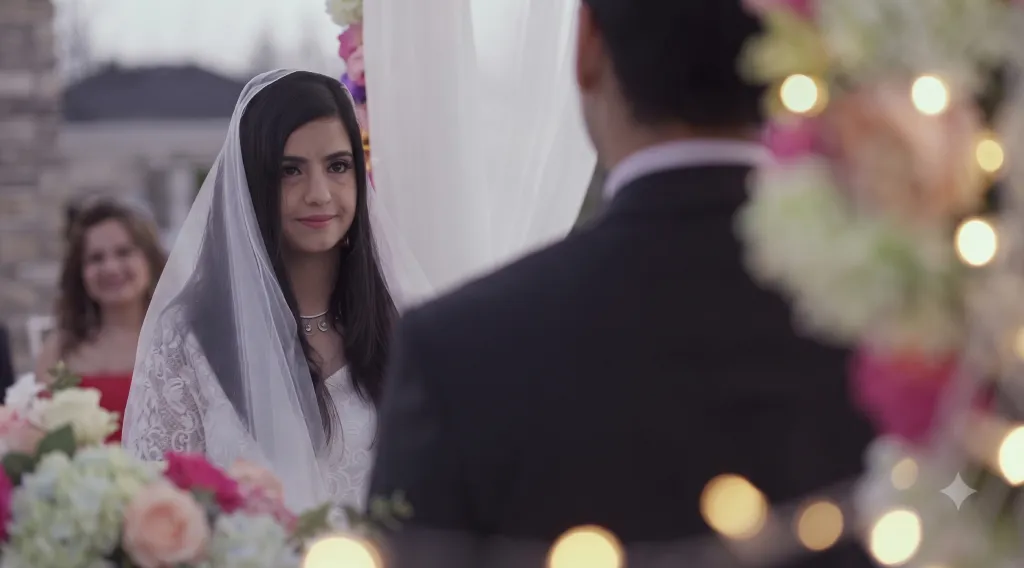
Huda, a Pakistani Muslim woman, and Maneet, an Indian Jain man, first met while living and working
in Dubai. As their friendship grew, they discovered shared values, mutual respect, and a deep understanding of one another despite coming from different countries, cultures, and religious backgrounds.
Their relationship soon developed into a commitment to build a future together. However, they knew that convincing their families would require patience, empathy, and honest conversations.
Instead of allowing differences to divide them, the couple chose to focus on the values they shared. Their journey became a powerful example of love built on understanding rather than similarities.
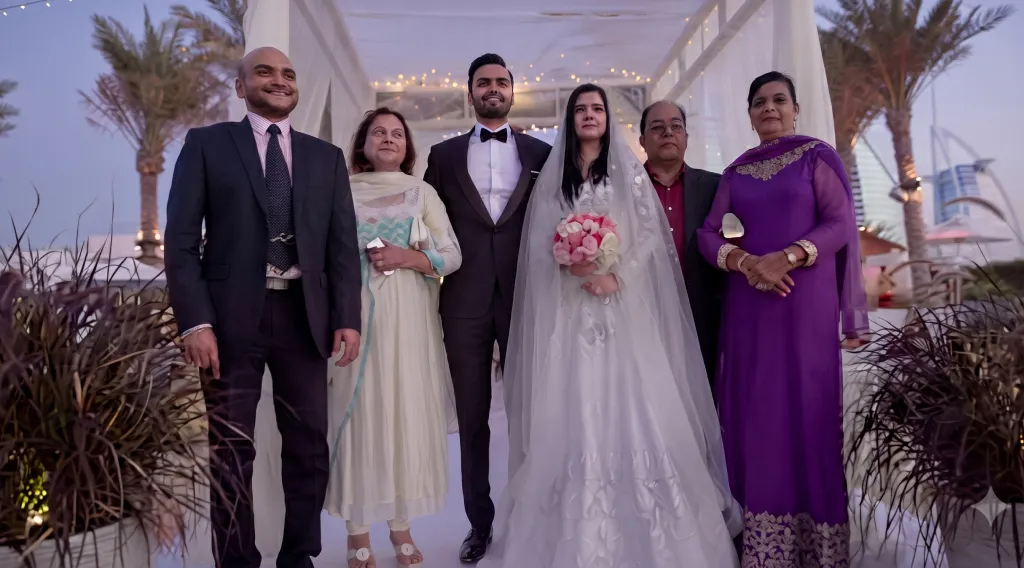
The couple faced significant challenges as they introduced their relationship to their families. Cultural traditions, religious differences, and concerns from both sides made gaining approval a long and emotional process.
Rather than choosing to elope or distance themselves from their loved ones, Huda and Maneet decided to patiently earn their families' trust. They believed that lasting happiness would come from bringing everyone together instead of creating lasting divisions.
Their decision required resilience, open communication, and mutual respect. It demonstrated that meaningful relationships often succeed when people approach difficult situations with patience and compassion.

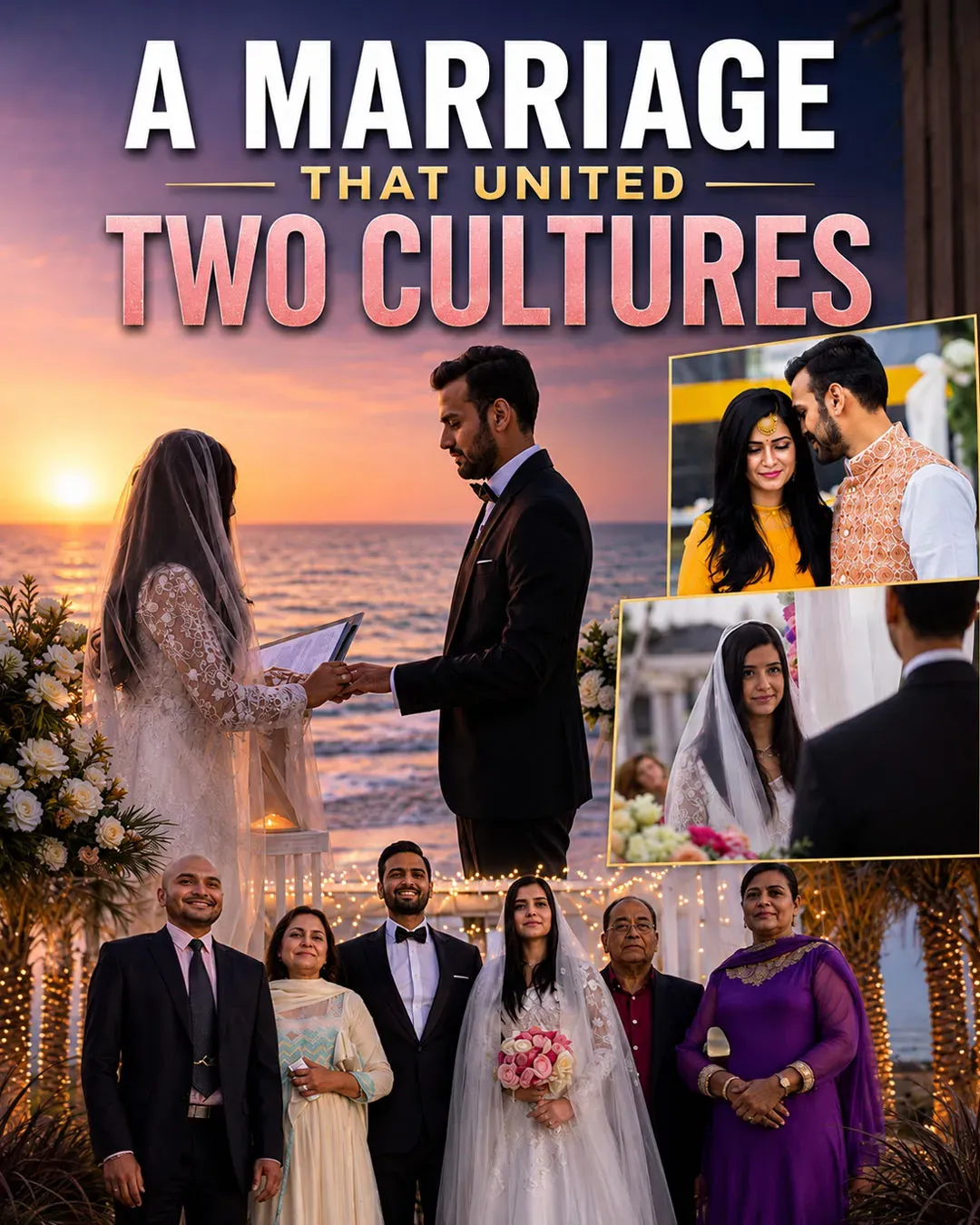
After years of perseverance, the couple finally received the blessing of both families. Their wedding became widely celebrated online after a heartfelt video captured the emotional moment relatives from both sides came together to support their marriage.
The video resonated with audiences across South Asia and beyond, with many praising the couple's determination to preserve family relationships while staying committed to each other. It quickly became a symbol of hope and reconciliation.
For many viewers, the wedding represented far more than a celebration. It showed that empathy, dialogue, and patience can overcome even the most difficult differences.
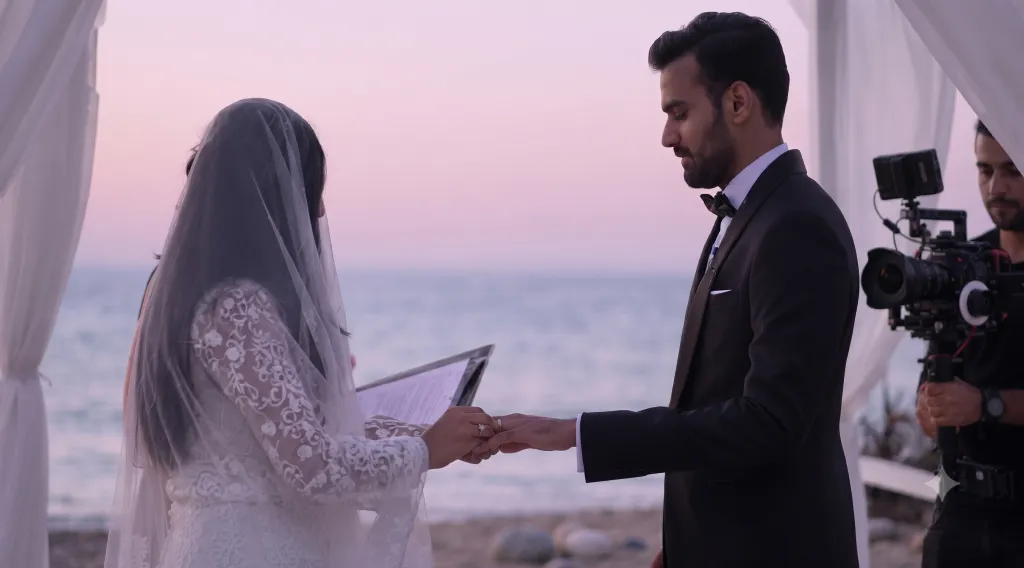
Today, Huda and Maneet continue to share a happy married life, inspiring people through their story of persistence, respect, and understanding.
Their relationship reflects the importance of building a partnership based on trust, compassion, and common values rather than focusing on differences.
Their journey has encouraged countless people to believe that love can unite families when approached with sincerity and patience. It also highlights the importance of respecting traditions while creating space for acceptance and understanding.
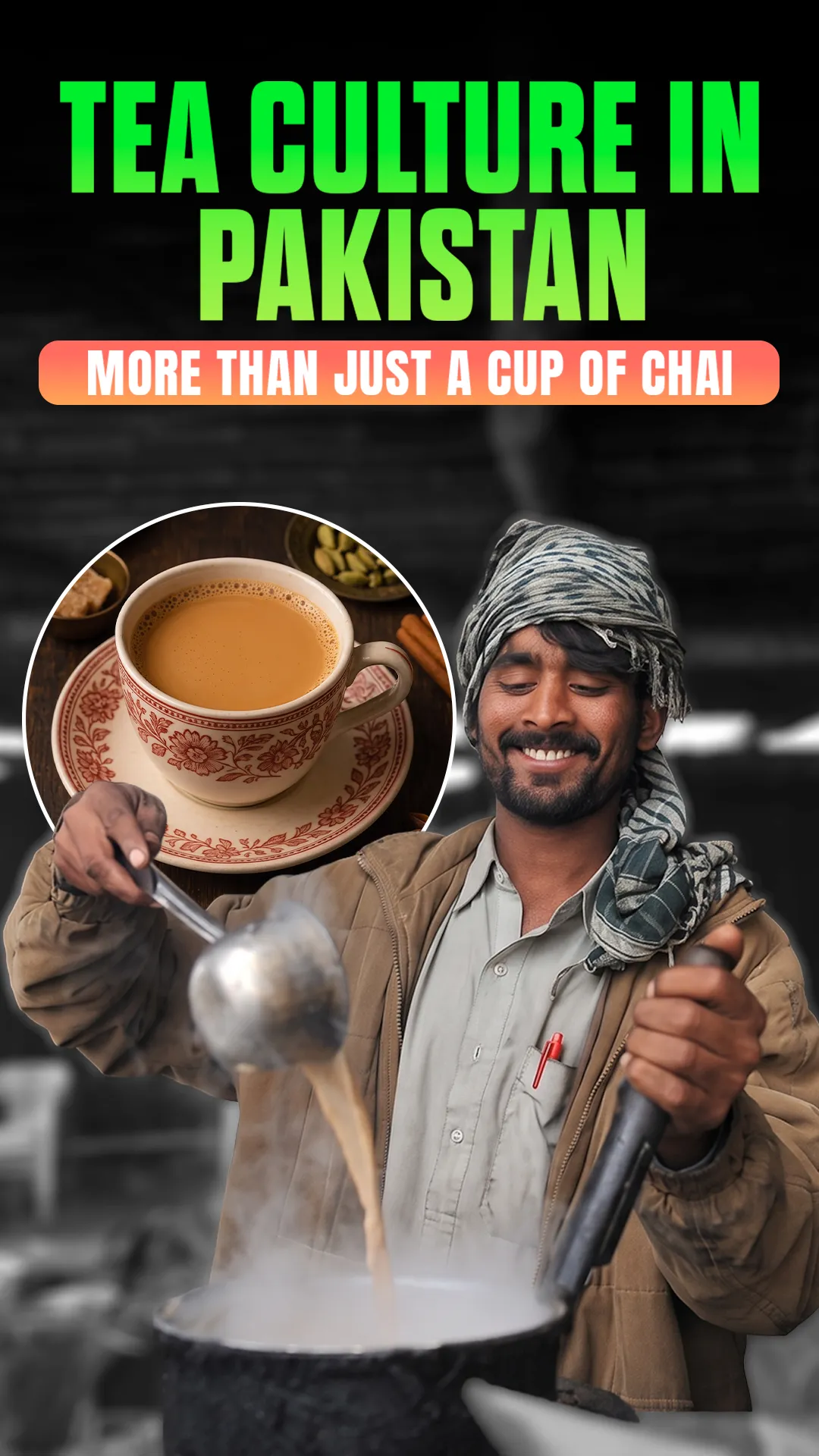

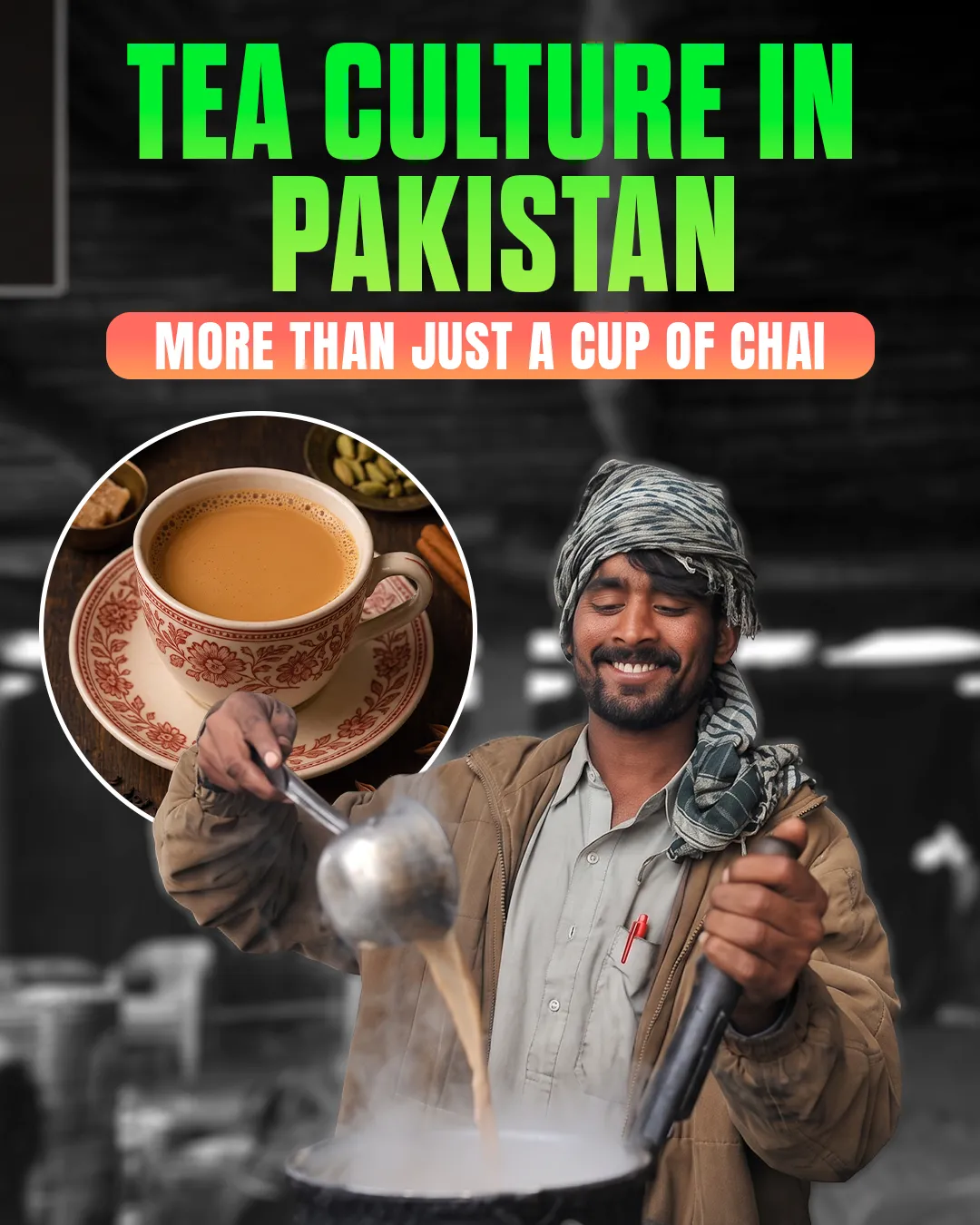
In Pakistan, tea-or chai-is far more than a beverage; it is a cherished tradition deeply woven into everyday life.
Whether it's the first cup in the morning, an afternoon break at work, or late-night conversations with family and friends, chai accompanies countless moments throughout the day.
Offering tea is one of the country's oldest expressions of hospitality. Guests are almost always welcomed with a freshly brewed cup, while celebrations, family gatherings, and even business meetings often revolve around chai.

Pakistan's love for tea is reflected in the incredible variety of chai enjoyed across the country. Doodh Patti, prepared with milk, tea leaves, and sugar, is a household favorite, while Karak Chai is known for its bold flavor and rich, creamy texture.
During winter, Kashmiri Chai, famous for its distinctive pink color and garnished with nuts, becomes a festive favorite at weddings and family gatherings.
Many households also add spices such as cardamom, cinnamon, ginger, cloves, or fennel to create aromatic blends that vary from region to region.

Few things bring Pakistanis together quite like a cup of chai. From roadside dhabas and neighborhood tea stalls to elegant cafés and living rooms, tea creates spaces where people gather to relax, exchange ideas, and build relationships.
Conversations about cricket, politics, business, education, and everyday life often unfold over steaming cups of tea.
Students prepare for exams over endless cups of chai, colleagues bond during office tea breaks, and friends spend hours catching up at local cafés.

While traditional chai remains at the heart of Pakistani culture, the country's café scene has introduced new ways to enjoy this timeless beverage.
Modern tea houses now offer creative variations including saffron chai, chocolate chai, herbal infusions, and premium loose-leaf teas alongside classic favorites.
Young entrepreneurs have embraced chai as a lifestyle experience, creating stylish cafés where people gather not only for tea but also for work, study, and socializing. This blend of tradition and innovation has allowed Pakistani tea culture to evolve.

Pakistan's rich tea culture has found admirers far beyond its borders, with chai becoming one of the world's most popular comfort beverages.
Inspired by South Asian traditions, international cafés and coffee chains now serve the Chai Latte; a modern take on traditional spiced tea that blends black tea with steamed milk and aromatic spices such as cardamom, cinnamon, ginger, and cloves.
The drink has become a staple on café menus across North America, Europe, Australia, and the Middle East, introducing millions to the flavors of the region.


Jump in, have fun and save your progress by signing in!

 Save Progress
Never lose it
 Daily Rewards
Collect free coins
 Leaderboards
Compete & rank up
Already have an account? Log in
By continuing you agree to our Terms and Privacy Policy.