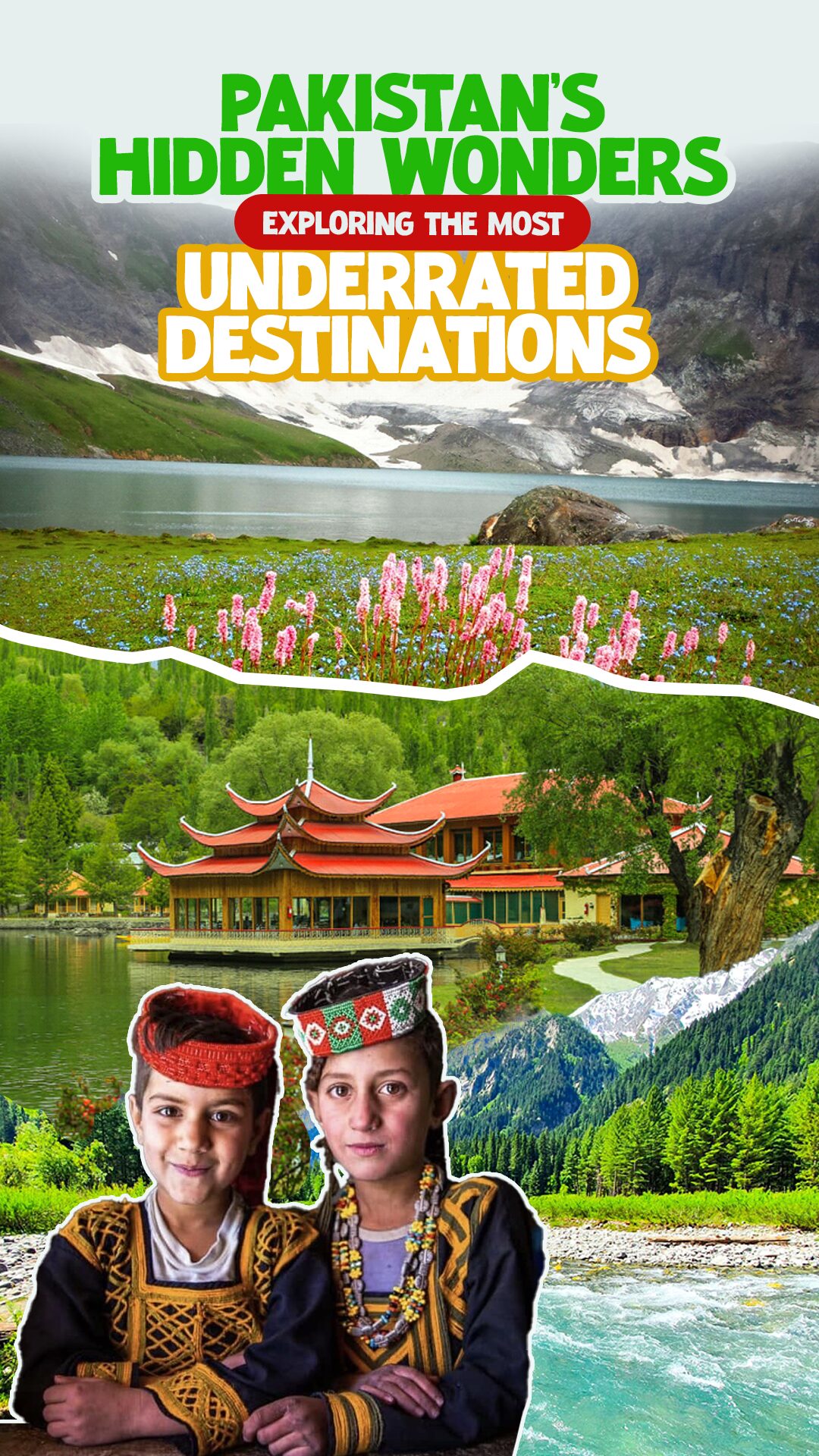
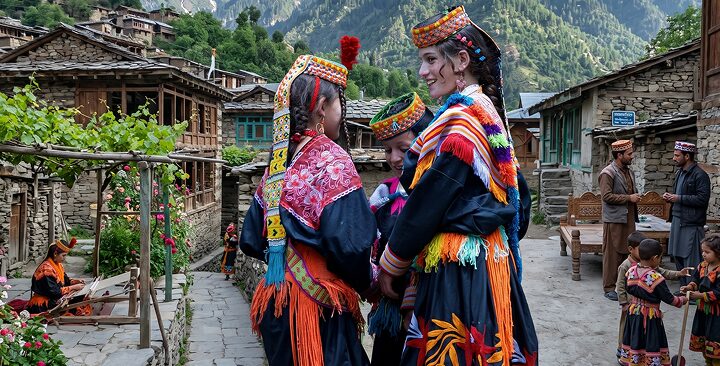
The Kalash Valleys of Chitral Bumburet, Rumbur, and Birir are home to the Kalash people, one of Pakistan’s smallest indigenous communities.
Nestled in the Hindu Kush Mountains, these valleys offer a glimpse into a way of life largely untouched by time.
Known for their vibrant traditions, music, festivals, and distinct cultural identity, the region has become an important destination for cultural tourism, attracting visitors from across Pakistan and around the world.
The most important winter celebration is Chaumos, held in December.

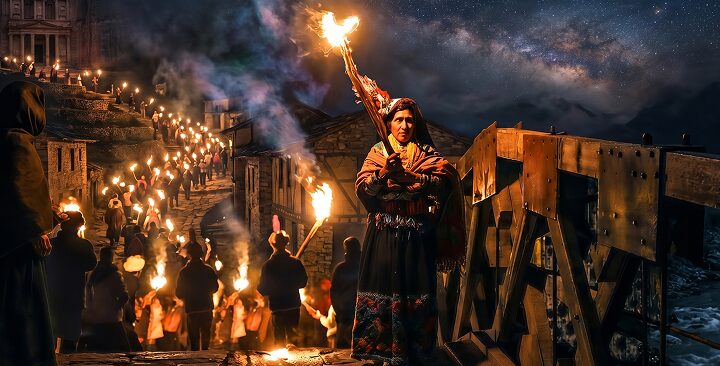
It marks the winter solstice and is one of the most sacred events in Kalash culture. The festival includes traditional dances, music, bonfires, rituals, and feasting.
It represents purification, renewal, and gratitude while strengthening community bonds through shared celebration.
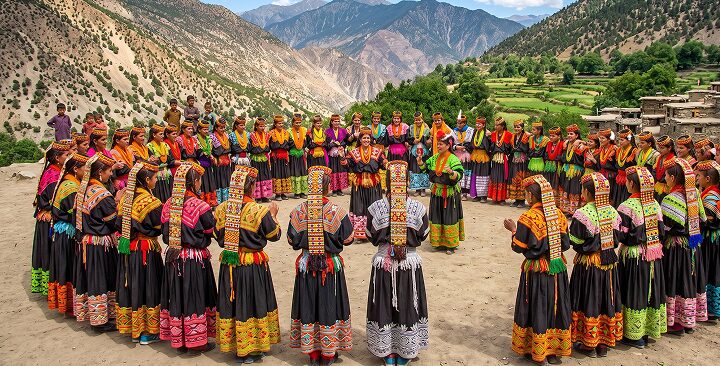
Kalash culture is closely linked to seasonal cycles. Along with Chaumos, the community celebrates Chilam Joshi in spring and Uchau in autumn.
These festivals feature circle dances, folk songs, and traditional attire, reflecting deep connections to nature, agriculture.
Tourism in the Kalash Valleys has grown significantly due to better road access, social media exposure, and rising interest in cultural experiences.
Visitors support local economies through guest houses, transport, food services, and handicrafts. Traditional embroidery, jewelry, and handmade goods are especially popular among tourists.
The Kalash cultural heritage is internationally recognized and was added to UNESCO’s Intangible Cultural Heritage list in 2021.
Government and tourism bodies are working to promote the region while preserving its identity.
The Kalash Valleys come alive during the vibrant Chaumos festival, drawing visitors to experience one of Pakistan’s most unique indigenous cultures.
The Kalash Valleys of Chitral Bumburet, Rumbur, and Birir are home to the Kalash people, one of Pakistan’s smallest indigenous communities.
Nestled in the Hindu Kush Mountains, these valleys offer a glimpse into a way of life largely untouched by time.
Known for their vibrant traditions, music, festivals, and distinct cultural identity, the region has become an important destination for cultural tourism, attracting visitors from across Pakistan and around the world.
The most important winter celebration is Chaumos, held in December.
It marks the winter solstice and is one of the most sacred events in Kalash culture. The festival includes traditional dances, music, bonfires, rituals, and feasting.
It represents purification, renewal, and gratitude while strengthening community bonds through shared celebration.
Kalash culture is closely linked to seasonal cycles. Along with Chaumos, the community celebrates Chilam Joshi in spring and Uchau in autumn.
These festivals feature circle dances, folk songs, and traditional attire, reflecting deep connections to nature, agriculture.
Tourism in the Kalash Valleys has grown significantly due to better road access, social media exposure, and rising interest in cultural experiences.
Visitors support local economies through guest houses, transport, food services, and handicrafts. Traditional embroidery, jewelry, and handmade goods are especially popular among tourists.
The Kalash cultural heritage is internationally recognized and was added to UNESCO’s Intangible Cultural Heritage list in 2021.
Government and tourism bodies are working to promote the region while preserving its identity.