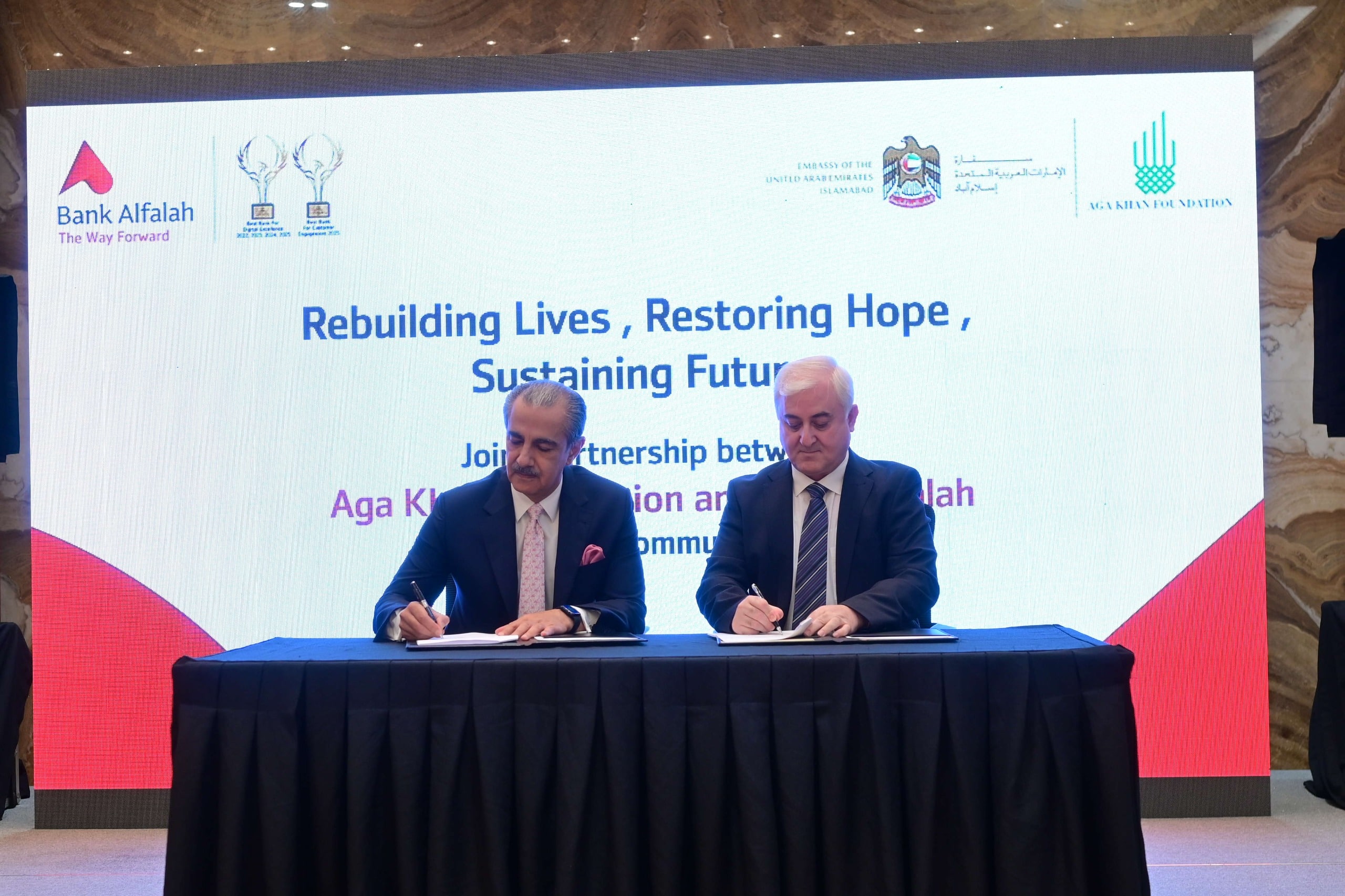
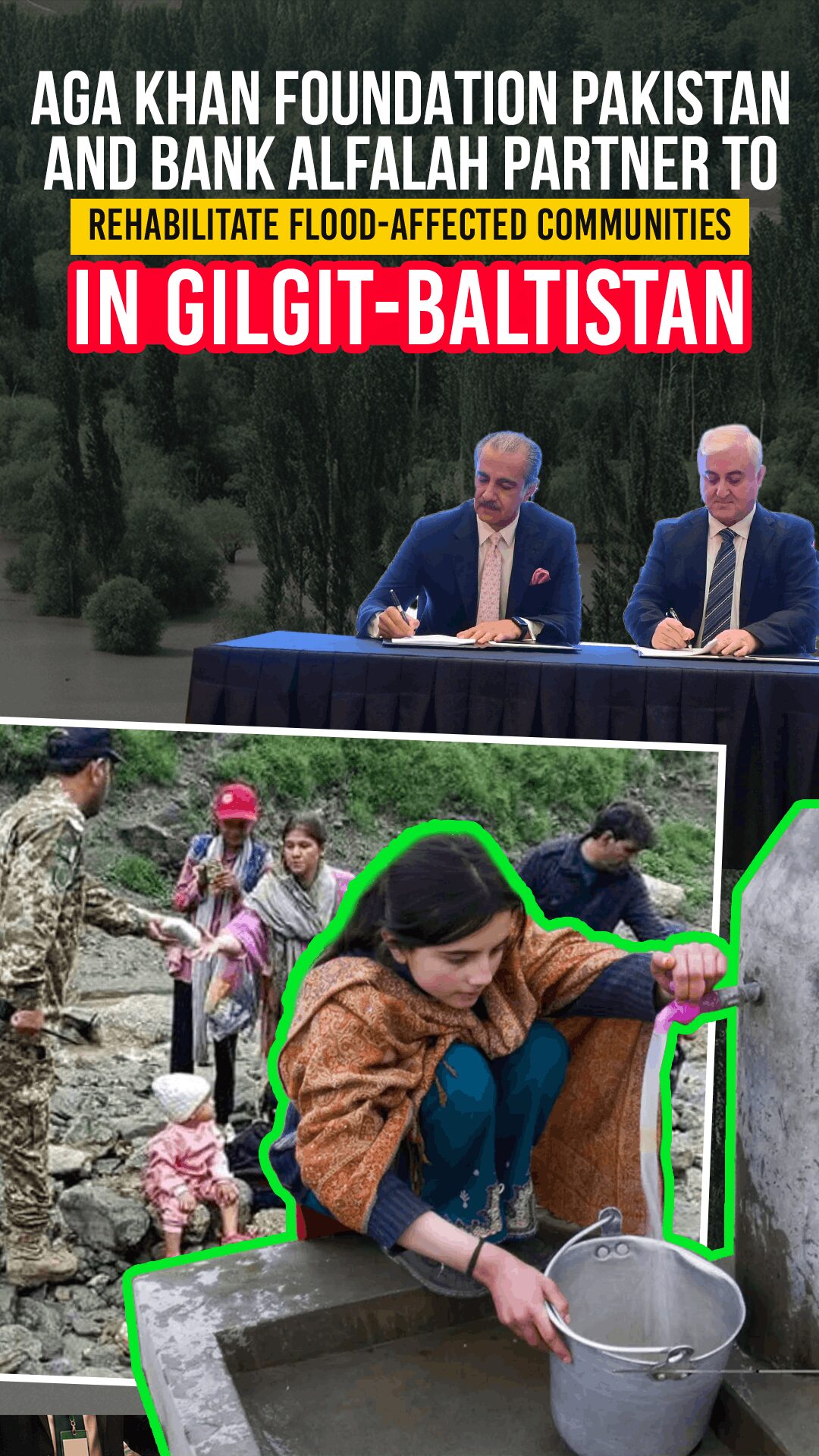
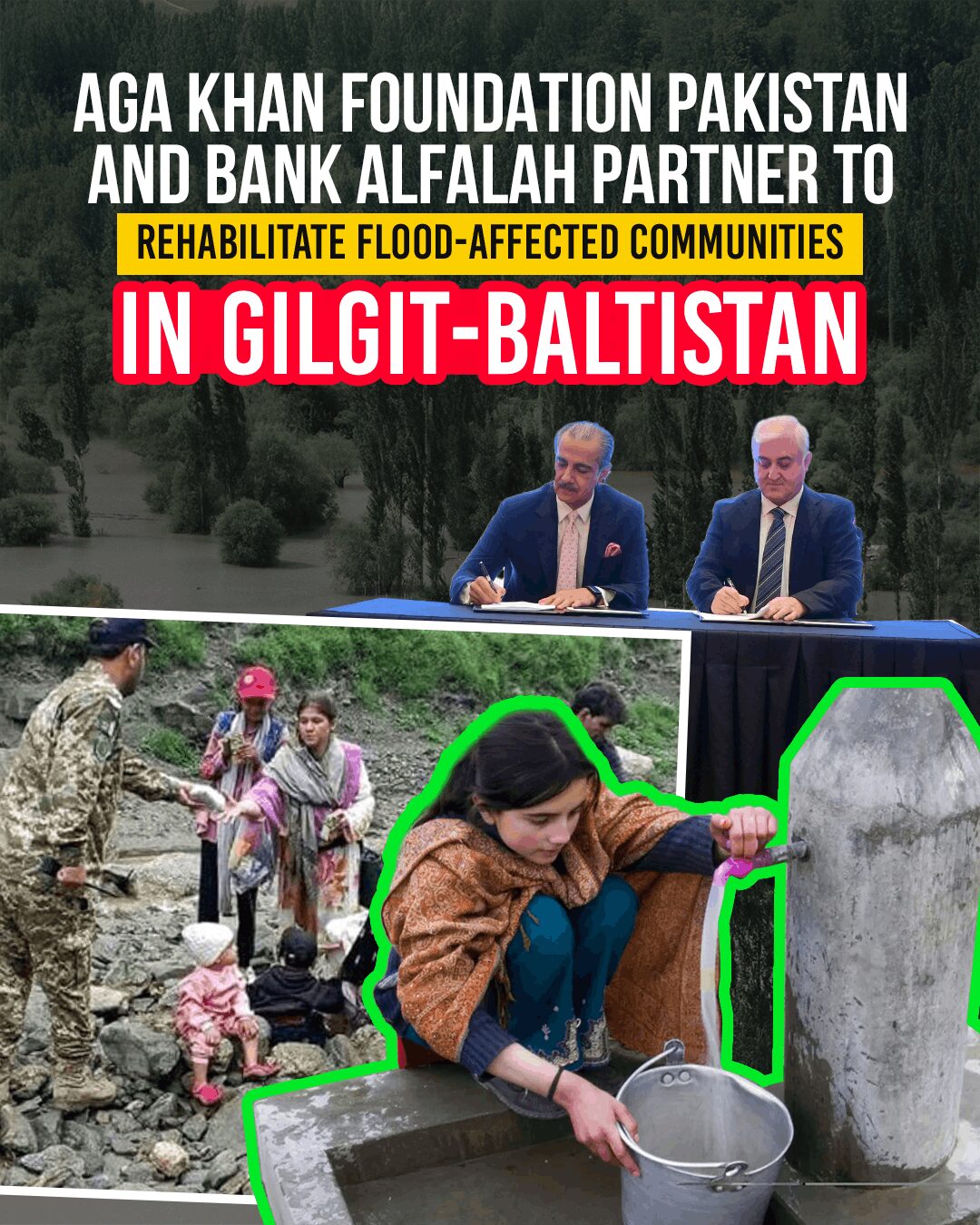
Aga Khan Foundation Pakistan, in collaboration with Bank Alfalah, has initiated a comprehensive rehabilitation programme designed to restore essential infrastructure and enhance resilience in flood-affected communities across Gilgit-Baltistan.
The initiative will be executed with support from Aga Khan Agency for Habitat, Focus Humanitarian Assistance, and Aga Khan Rural Support Programme.
It focuses on rebuilding vital services damaged by recent floods and ensuring coordinated recovery efforts among partner organizations. Special emphasis is placed on sustainable reconstructio
This presentation highlights a collaborative initiative between Aga Khan Foundation Pakistan and Bank Alfalah aimed at rehabilitating flood-affected communities in Gilgit-Baltistan.
The partnership reflects a shared commitment to rebuilding essential infrastructure and supporting vulnerable populations impacted by recent climate-induced disasters.
It brings together technical expertise and development resources to ensure effective recovery,
focusing on long-term resilience, improved living conditions, and coordinated efforts across multiple implementing partners.
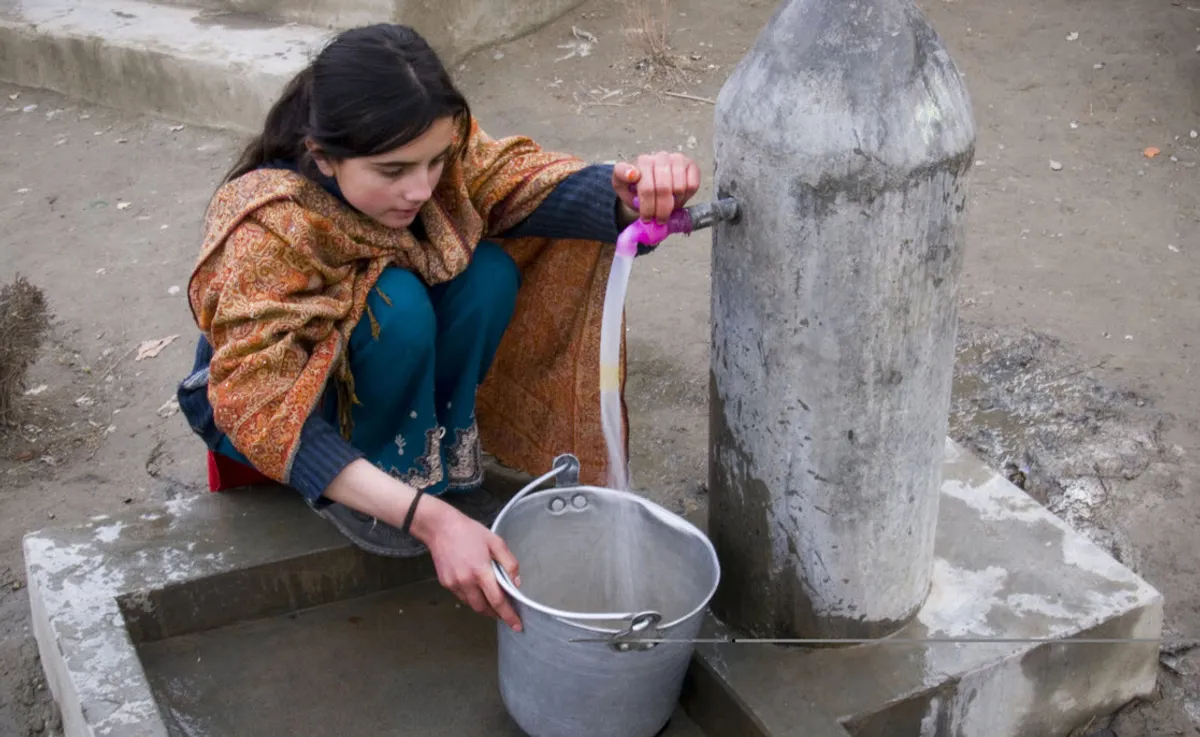
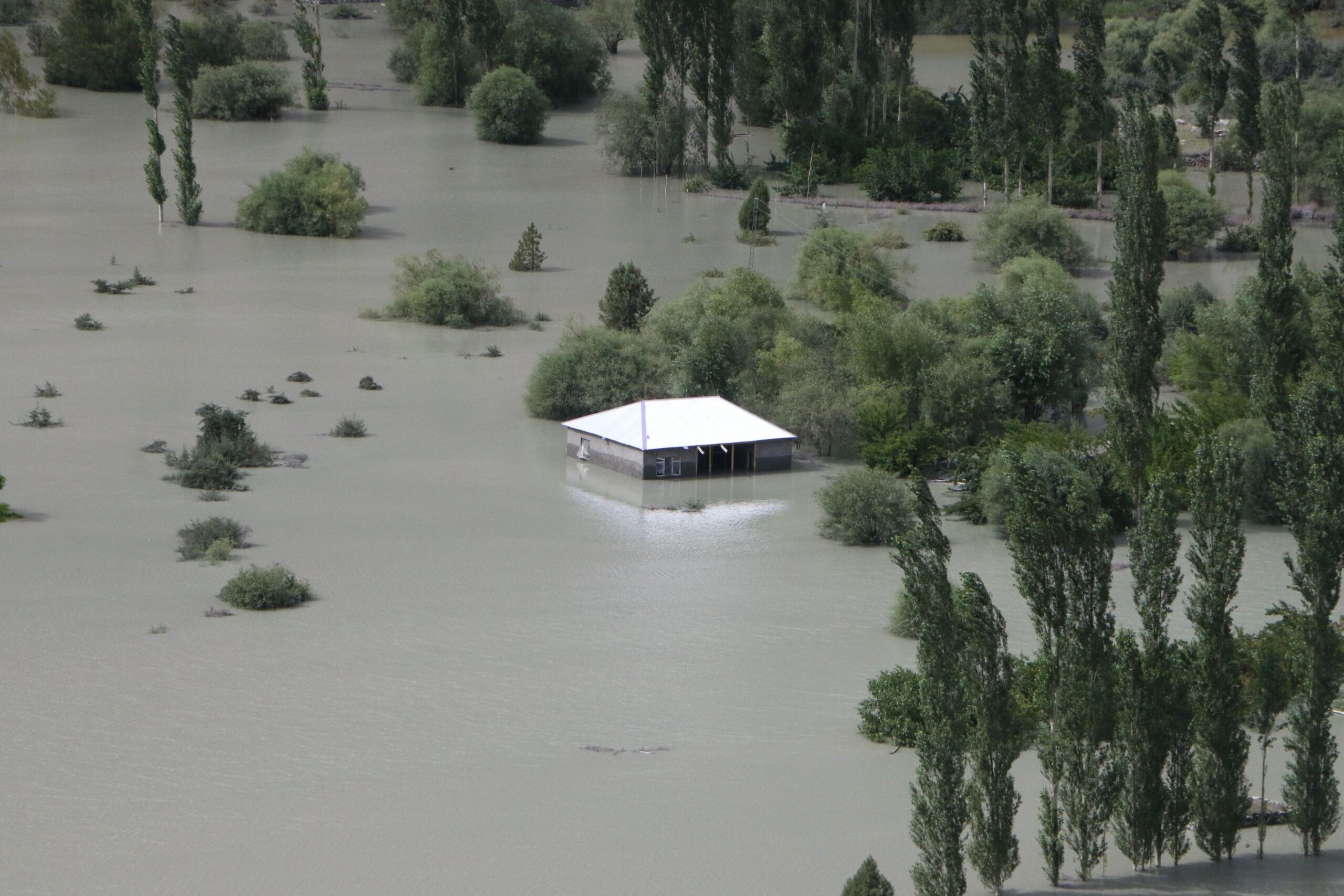
The recent floods caused widespread destruction across Gilgit, Ghizer, and Hunza, severely damaging homes, water supply systems, bridges, and agricultural channels essential for daily life and local livelihoods.
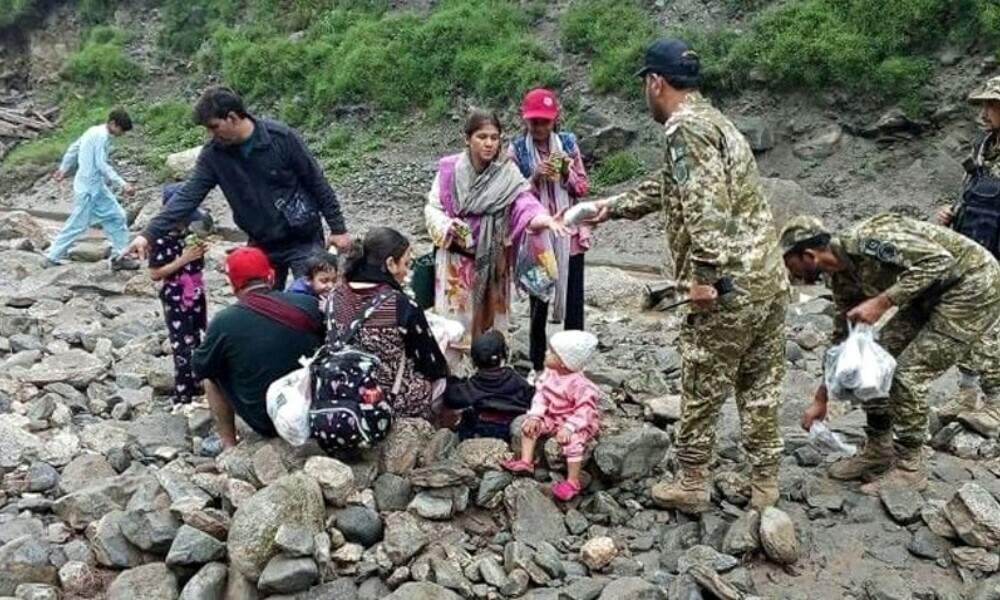
As a result, many communities were left without access to basic services, significantly increasing their vulnerability, especially in remote mountainous regions where recovery is more challenging and resources are limited.
These conditions highlight the urgent need for coordinated rehabilitation efforts to restore infrastructure.

The project has a total estimated budget of approximately PKR 57 million, with major funding
support provided by Bank Alfalah and Aga Khan Foundation Pakistan to enable large-scale rehabilitation activities.
It is expected to directly benefit over 10,000 people while indirectly supporting nearly 13,000
individuals through improved infrastructure, restored services, and enhanced community resilience across flood-affected regions.
The intervention aims to strengthen long-term recovery outcomes by improving access to essential services and supporting livelihoods.
Beyond immediate rehabilitation efforts, the initiative emphasizes long-term climate resilience through improved disaster preparedness and the development of sustainable infrastructure in vulnerable regions.
Community engagement and local coordination are central to ensuring that restored systems remain functional and are better equipped to withstand future climate-related shocks.
This approach also integrates capacity building, sustainable planning, and collaboration with local institutions to support continuous improvement in disaster response mechanisms.