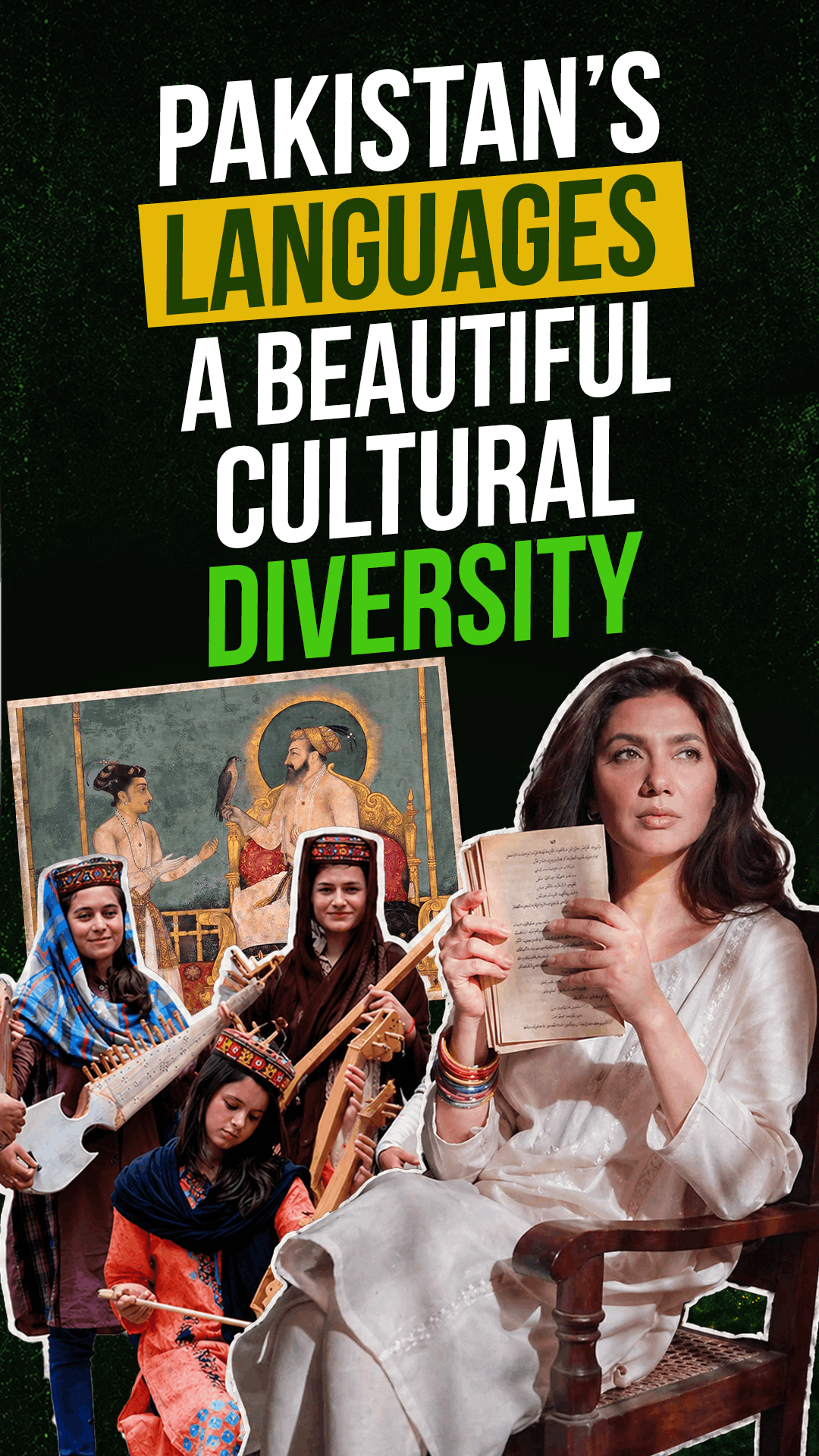
Pakistan is home to more than 70 languages, each reflecting centuries of history, culture, and identity.
These languages are not only means of communication but also living expressions of regional traditions, poetry, storytelling, and cultural values that shape the country’s rich social fabric.
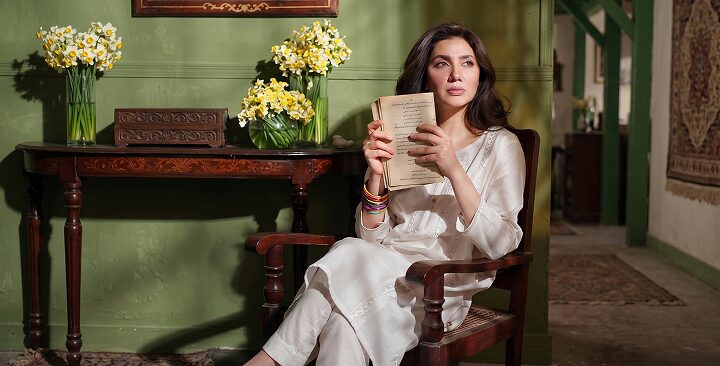
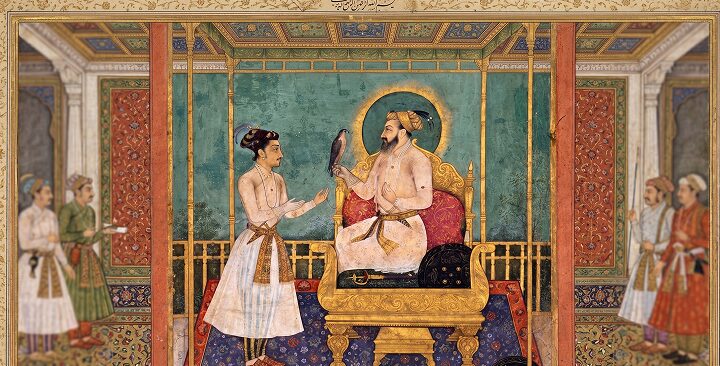
Urdu developed during the Mughal era as a blend of Persian, Arabic, Turkish, and local dialects.It became Pakistan’s national language after independence and is deeply associated with literature and poetry.

Renowned poets like Allama Iqbal and Faiz Ahmed Faiz elevated Urdu as a powerful medium of philosophical thought and artistic expression.
Punjabi, spoken by nearly half of Pakistan’s population, is rooted in folk traditions, Sufi poetry, and rural storytelling. Legendary poets like Bulleh Shah and Waris Shah gave it timeless literary depth.
Sindhi, one of the world’s oldest living languages, carries strong Sufi influence through poets like Shah Abdul Latif Bhittai, preserving centuries of oral and mystical traditions.
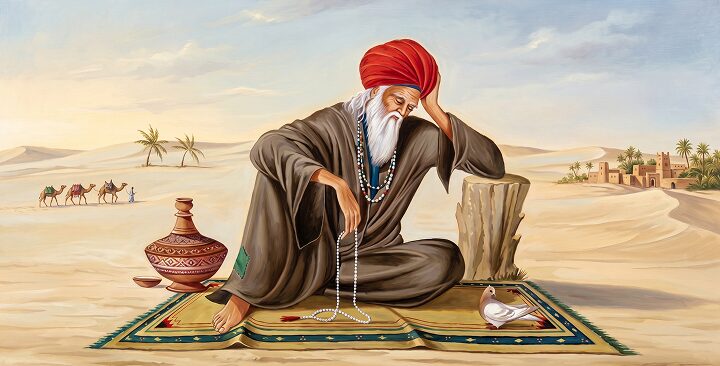
Pashto, spoken in Khyber Pakhtunkhwa and parts of Balochistan, reflects tribal history, bravery, and the ethical code of Pashtunwali, with poets like Khushal Khan Khattak and Rehman Baba shaping its literary identity.
Balochi represents the desert culture of Balochistan, rich in oral poetry, music, and stories of resilience and tribal heritage.
Saraiki, spoken in southern Punjab, is known for its lyrical poetry and strong Sufi influence, with Khawaja Ghulam Farid as its most celebrated poet.
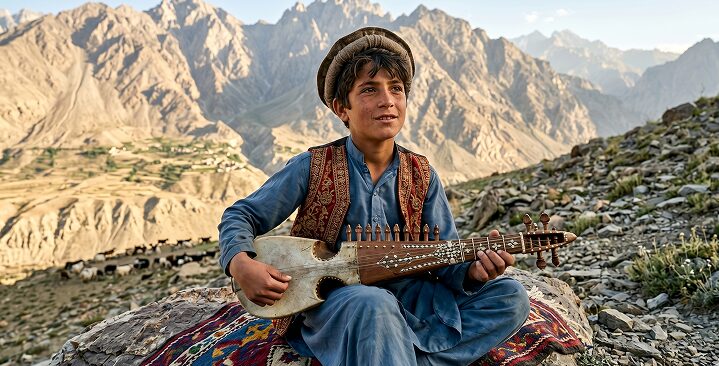
In the northern regions of Gilgit-Baltistan, Balti and Shina preserve ancient oral traditions, epic storytelling, and folk music shaped by the mountainous environment and centuries-old cultural practices.
Linguistic diversity strengthens national identity while preserving unique regional traditions and heritage
Pakistan is home to more than 70 languages, each reflecting centuries of history, culture, and identity.
These languages are not only means of communication but also living expressions of regional traditions, poetry, storytelling, and cultural values that shape the country’s rich social fabric.
Urdu developed during the Mughal era as a blend of Persian, Arabic, Turkish, and local dialects.It became Pakistan’s national language after independence and is deeply associated with literature and poetry.
Renowned poets like Allama Iqbal and Faiz Ahmed Faiz elevated Urdu as a powerful medium of philosophical thought and artistic expression.
Punjabi, spoken by nearly half of Pakistan’s population, is rooted in folk traditions, Sufi poetry, and rural storytelling. Legendary poets like Bulleh Shah and Waris Shah gave it timeless literary depth.
Sindhi, one of the world’s oldest living languages, carries strong Sufi influence through poets like Shah Abdul Latif Bhittai, preserving centuries of oral and mystical traditions.
Pashto, spoken in Khyber Pakhtunkhwa and parts of Balochistan, reflects tribal history, bravery, and the ethical code of Pashtunwali, with poets like Khushal Khan Khattak and Rehman Baba shaping its literary identity.
Balochi represents the desert culture of Balochistan, rich in oral poetry, music, and stories of resilience and tribal heritage.
Saraiki, spoken in southern Punjab, is known for its lyrical poetry and strong Sufi influence, with Khawaja Ghulam Farid as its most celebrated poet.
In the northern regions of Gilgit-Baltistan, Balti and Shina preserve ancient oral traditions, epic storytelling, and folk music shaped by the mountainous environment and centuries-old cultural practices.