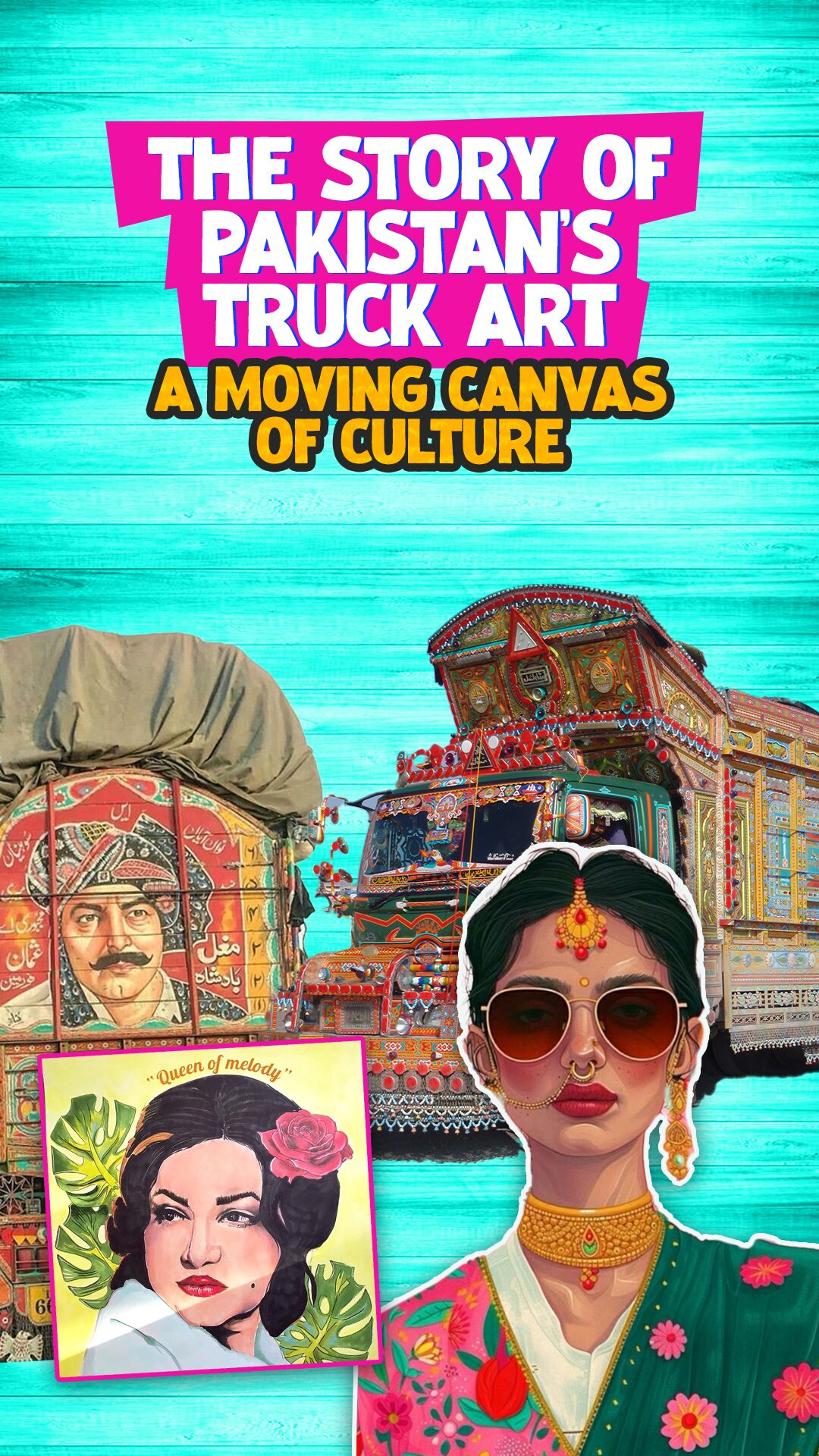
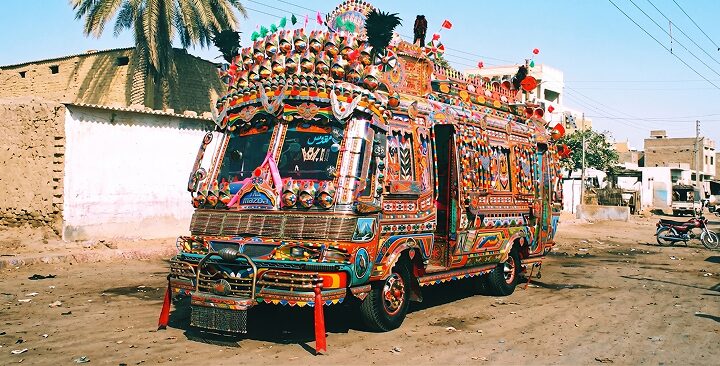
Truck art in Pakistan is a form of applied folk art that combines painting, calligraphy, woodwork, metal ornamentation, and decorative design.
It is not mass-produced; instead, it is created by individual artisans known as “truck painters” who work collaboratively with drivers and owners.
These designs feature calligraphy, poetry, floral patterns, and symbolic imagery, reflecting identity and personal beliefs turning each truck into a unique artistic statement.
The tradition of truck art began to develop in Pakistan after the 1940s and 1950s.

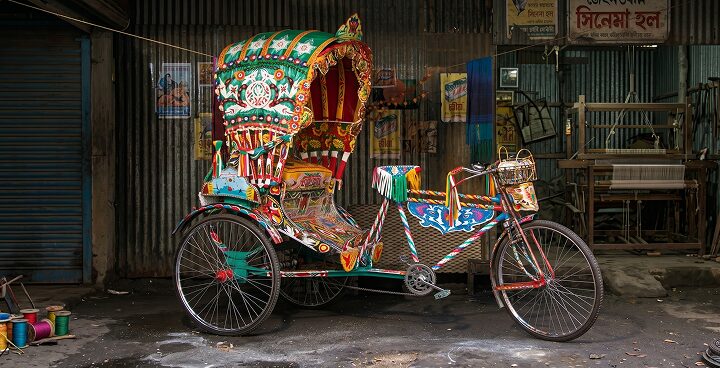
Early truck decoration was influenced by South Asian craftsmanship traditions, especially wagon painting and local religious art.
Many early designs featured Sufi saints, calligraphy, and protective symbols like eyes and florals, believed to bring safety and blessings on long, risky journeys.
By the 1960s and 1970s, truck art in Pakistan began to evolve significantly as workshops expanded in major transport hubs.
Designs became more detailed and visually complex, incorporating portraits of famous personalities, scenic landscapes, national symbols.
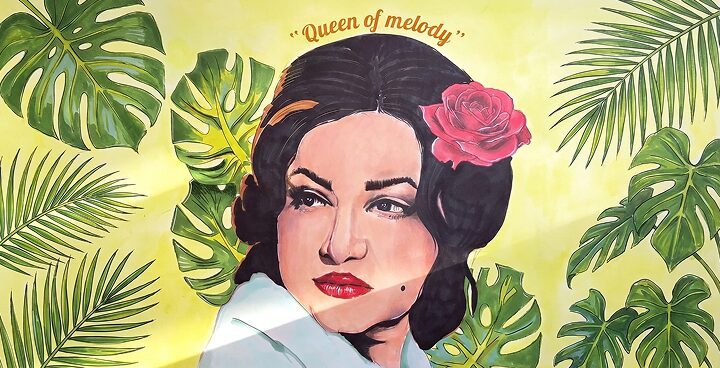
This period marked a shift from purely spiritual or protective imagery toward expressive visual storytelling, reflecting broader social changes and increasing artistic freedom among craftsmen.
Every decorated truck reflects the personality, beliefs, and aspirations of its owner and driver.
It is common to see Urdu poetry, especially verses expressing longing, faith, or humor, painted across panels and cabins. Calligraphy featuring Quranic phrases or devotional expressions is also widely used.
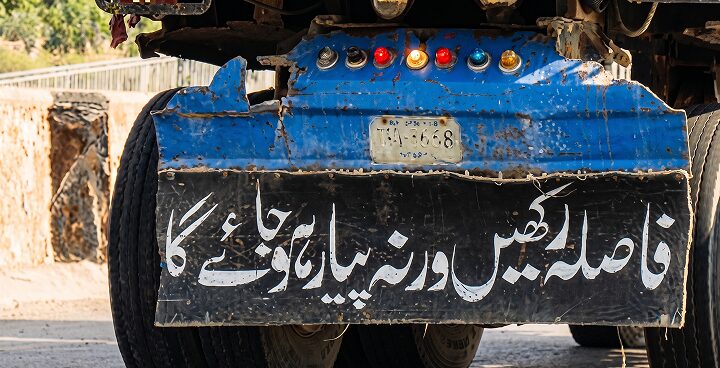
Bold colors, mirrors, and intricate patterns turn each truck into a moving story carrying both cargo and cultural identity across regions.
Truck art styles vary across regions of Pakistan, reflecting local artistic traditions.
In Punjab, especially Rawalpindi and Lahore, trucks are known for dense floral patterns, intricate detailing, and bright color schemes.
In Khyber Pakhtunkhwa, designs often include bold calligraphy and symbolic imagery. In Balochistan, decorative styles may incorporate simpler motifs influenced by tribal and desert aesthetics.
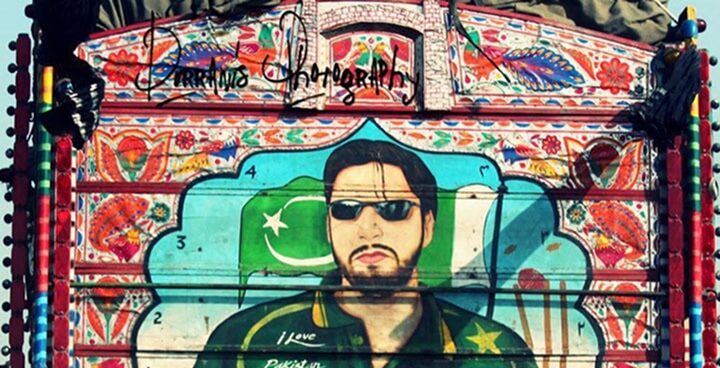
Pakistani truck art has gained international recognition as a unique example of folk and contemporary design merging together.
It has been featured in global art exhibitions, design museums, and cultural showcases in cities such as London, New York, and Dubai.
Even commercial adaptations such as painted buses, aircraft liveries, and product package in have incorporated elements of truck art to celebrate Pakistani visual culture globally.
Despite modernization and changes in transport systems, truck art remains a living tradition in Pakistan.
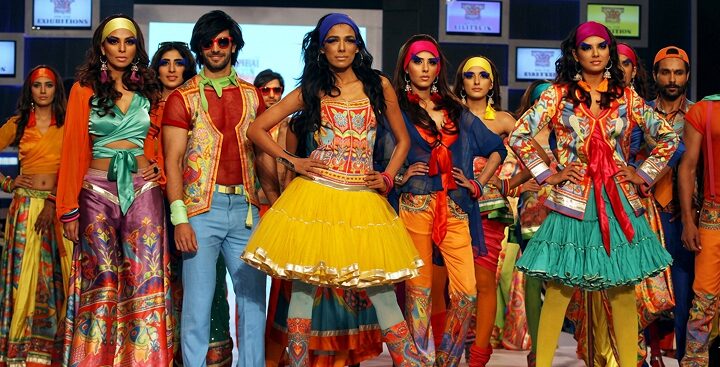
It continues to thrive because it represents individuality in a highly industrialized world.
Unlike mass-produced design, each truck is hand-crafted and unique, preserving centuries-old artistic techniques while adapting to modern influences. It stands as a powerful symbol of Pakistan’s creativity, resilience, and cultural identity.
Truck art is more than just flashy colors and quirky poetry; it’s a tale of profound pop culture
Truck art in Pakistan is a form of applied folk art that combines painting, calligraphy, woodwork, metal ornamentation, and decorative design.
It is not mass-produced; instead, it is created by individual artisans known as “truck painters” who work collaboratively with drivers and owners.
These designs feature calligraphy, poetry, floral patterns, and symbolic imagery, reflecting identity and personal beliefs turning each truck into a unique artistic statement.
The tradition of truck art began to develop in Pakistan after the 1940s and 1950s.
Early truck decoration was influenced by South Asian craftsmanship traditions, especially wagon painting and local religious art.
Many early designs featured Sufi saints, calligraphy, and protective symbols like eyes and florals, believed to bring safety and blessings on long, risky journeys.
By the 1960s and 1970s, truck art in Pakistan began to evolve significantly as workshops expanded in major transport hubs.
Designs became more detailed and visually complex, incorporating portraits of famous personalities, scenic landscapes, national symbols.
This period marked a shift from purely spiritual or protective imagery toward expressive visual storytelling, reflecting broader social changes and increasing artistic freedom among craftsmen.
Every decorated truck reflects the personality, beliefs, and aspirations of its owner and driver.
It is common to see Urdu poetry, especially verses expressing longing, faith, or humor, painted across panels and cabins. Calligraphy featuring Quranic phrases or devotional expressions is also widely used.
Bold colors, mirrors, and intricate patterns turn each truck into a moving story carrying both cargo and cultural identity across regions.
Truck art styles vary across regions of Pakistan, reflecting local artistic traditions.
In Punjab, especially Rawalpindi and Lahore, trucks are known for dense floral patterns, intricate detailing, and bright color schemes.
In Khyber Pakhtunkhwa, designs often include bold calligraphy and symbolic imagery. In Balochistan, decorative styles may incorporate simpler motifs influenced by tribal and desert aesthetics.
Pakistani truck art has gained international recognition as a unique example of folk and contemporary design merging together.
It has been featured in global art exhibitions, design museums, and cultural showcases in cities such as London, New York, and Dubai.
Even commercial adaptations such as painted buses, aircraft liveries, and product package in have incorporated elements of truck art to celebrate Pakistani visual culture globally.
Despite modernization and changes in transport systems, truck art remains a living tradition in Pakistan.
It continues to thrive because it represents individuality in a highly industrialized world.
Unlike mass-produced design, each truck is hand-crafted and unique, preserving centuries-old artistic techniques while adapting to modern influences. It stands as a powerful symbol of Pakistan’s creativity, resilience, and cultural identity.