Pakistan Reaffirms Defence Commitment To Saudi Arabia
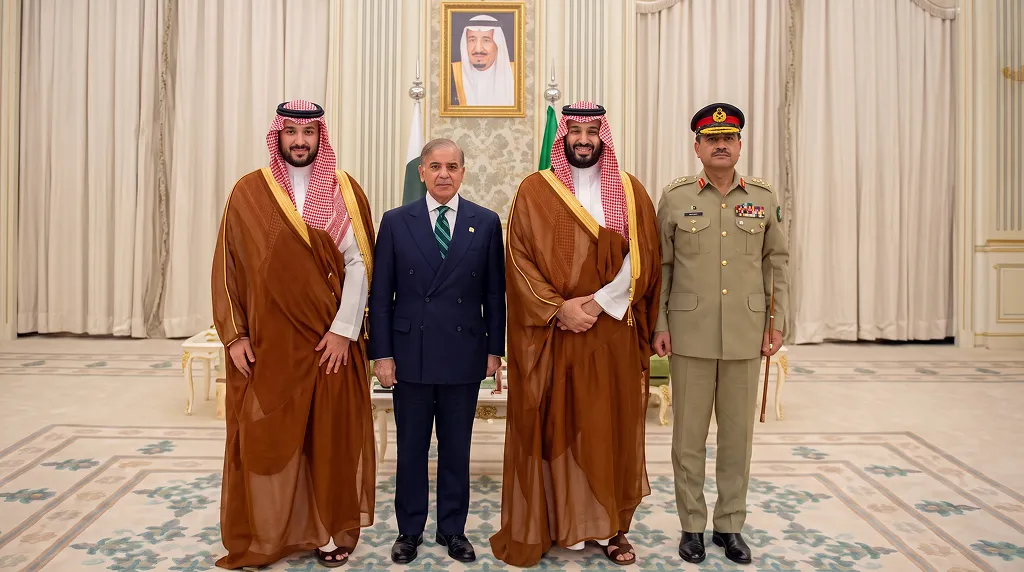
Pakistan has renewed its security assurances to Saudi Arabia after attacks hit two major aviation hubs, King Khalid International Airport in Riyadh and Abha International Airport. The incidents resulted in civilian deaths and injuries, according to Saudi authorities.
Prime Minister Shehbaz Sharif addressed the situation on October 9, condemning the strikes and expressing support for Saudi Arabia’s efforts to protect its population and critical facilities. He also commended Saudi forces and the coalition for intercepting ballistic missiles.

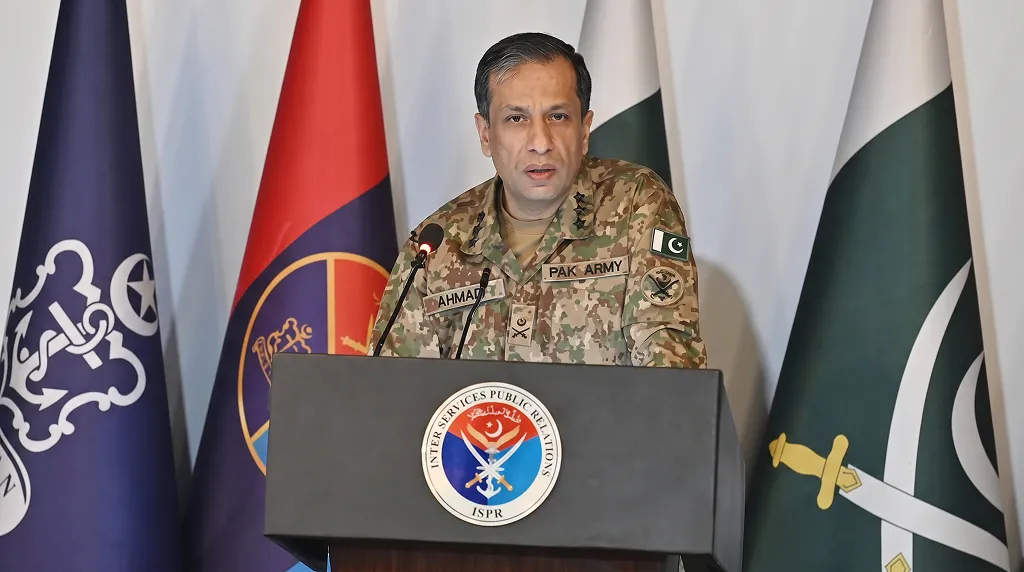
Pakistan’s response comes under the framework of the Makkah Joint Defence Agreement, signed by Pakistan, Saudi Arabia and Türkiye in August 2026. The pact establishes a collective defence arrangement under which an armed attack against one signatory is treated as an attack against all three.
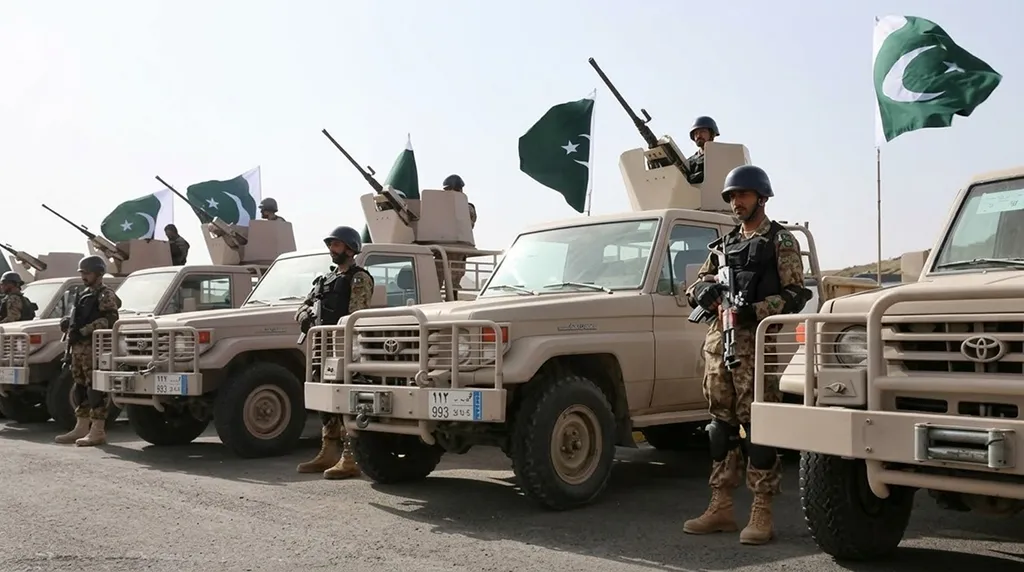
The three countries have recently moved towards implementing their defence commitments, including discussions on deploying military capabilities to Saudi Arabia.
Their cooperation is intended to strengthen deterrence and improve coordination when security threats arise.
Pakistan and Saudi Arabia have maintained close relations through defence cooperation, economic ties and diplomatic engagement. The latest attacks have brought the security dimension of that partnership into sharper focus as regional tensions continue.
Shehbaz Sharif has called for the attacks to stop and reiterated Pakistan’s support for Saudi Arabia’s right to defend its people and infrastructure. Islamabad has also described the trilateral defence arrangement as a framework for collective deterrence rather than offensive action.
The immediate priority remains protecting civilians and reducing the threat to essential facilities.
Pakistan has renewed its security assurances to Saudi Arabia after attacks hit two major aviation hubs, King Khalid International Airport in Riyadh and Abha International Airport.
Pakistan has renewed its security assurances to Saudi Arabia after attacks hit two major aviation hubs, King Khalid International Airport in Riyadh and Abha International Airport. The incidents resulted in civilian deaths and injuries, according to Saudi authorities.
Prime Minister Shehbaz Sharif addressed the situation on October 9, condemning the strikes and expressing support for Saudi Arabia’s efforts to protect its population and critical facilities. He also commended Saudi forces and the coalition for intercepting ballistic missiles.
Pakistan’s response comes under the framework of the Makkah Joint Defence Agreement, signed by Pakistan, Saudi Arabia and Türkiye in August 2026. The pact establishes a collective defence arrangement under which an armed attack against one signatory is treated as an attack against all three.
The three countries have recently moved towards implementing their defence commitments, including discussions on deploying military capabilities to Saudi Arabia.
Their cooperation is intended to strengthen deterrence and improve coordination when security threats arise.
Pakistan and Saudi Arabia have maintained close relations through defence cooperation, economic ties and diplomatic engagement. The latest attacks have brought the security dimension of that partnership into sharper focus as regional tensions continue.
Shehbaz Sharif has called for the attacks to stop and reiterated Pakistan’s support for Saudi Arabia’s right to defend its people and infrastructure. Islamabad has also described the trilateral defence arrangement as a framework for collective deterrence rather than offensive action.
The immediate priority remains protecting civilians and reducing the threat to essential facilities.



