Pakistan’s Resilient Soldiers In The World’s Harshest Landscape
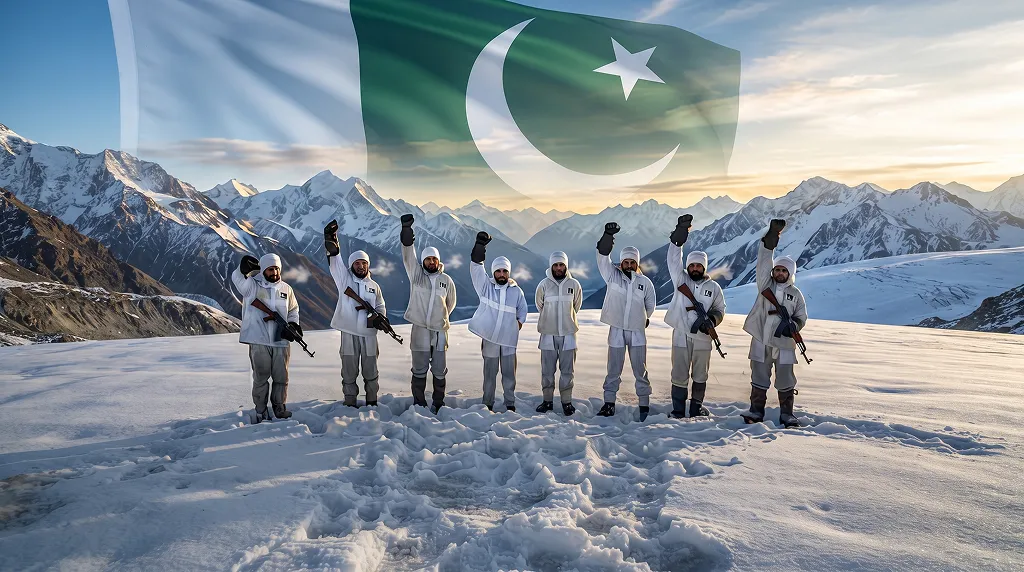
In 2004, Pakistani officer Lt. Nauman Ahmed was deployed at a post around 20,000 feet above sea level on the Siachen Glacier. After weeks at altitude, he began suffering from severe altitude sickness. His condition deteriorated so badly that he struggled to speak and eventually lost control of his legs.
When doctors advised him to descend on a stretcher, Ahmed insisted on walking down with his men. About a mile into the descent, he could no longer move.
His fingers had become frostbitten, and one of his soldiers eventually carried him on his back. Doctors later treated him for cerebral edema and hemorrhaging.

One of the starkest accounts comes from the winter of 1987, when retired Major Haroon Maqsood was serving at a Siachen outpost. At the time, soldiers were living in tents rather than the insulated shelters used later.
A blizzard struck with winds reported to have reached around 100 miles per hour. The force was enough to tear tents away from their frames, leaving seven soldiers stranded on a snowfield overnight. When rescuers eventually reached them, five had died. Another later died in hospital, while Captain Zafar survived but suffered such severe frostbite that all four limbs ultimately had to be amputated.
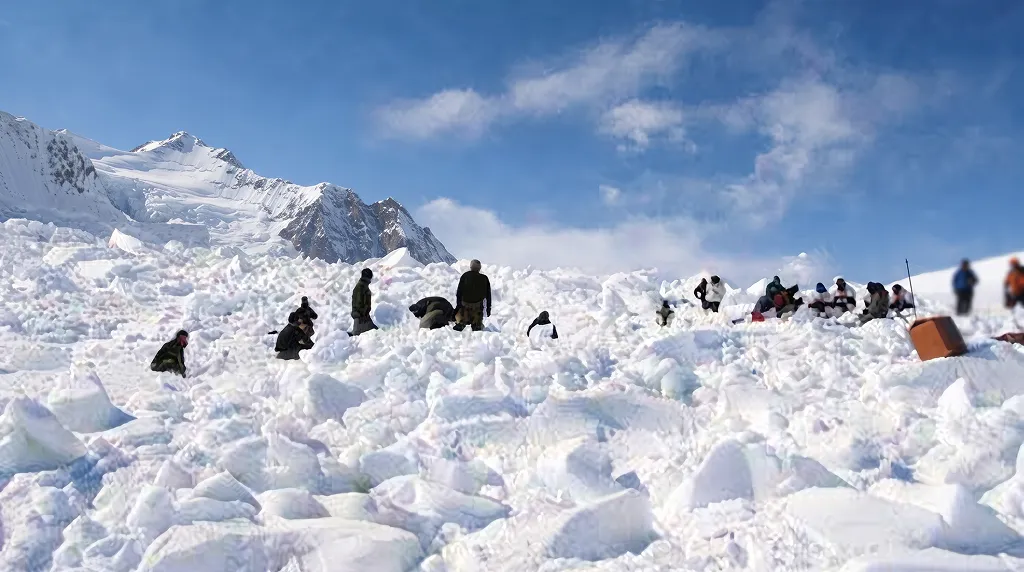
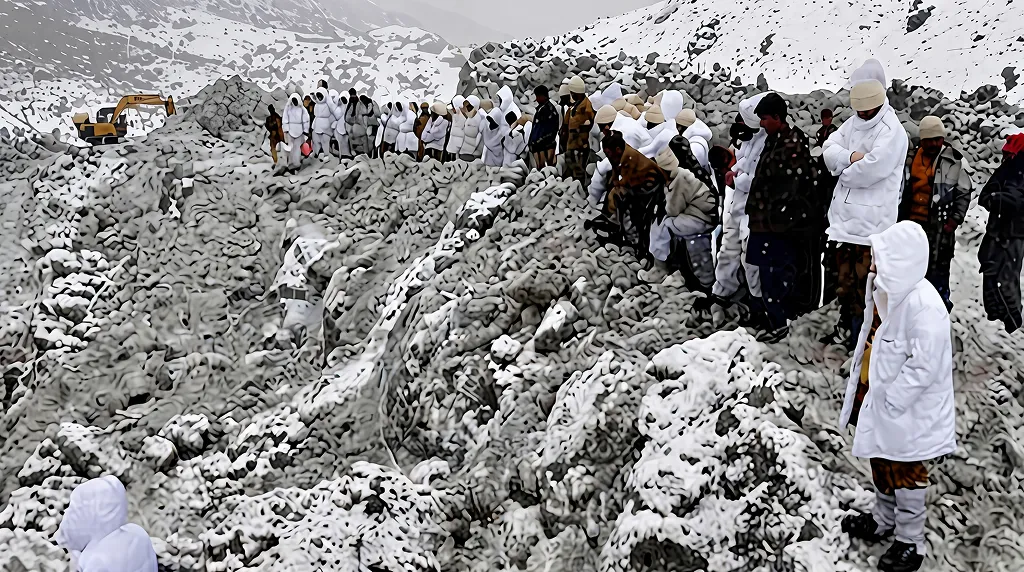
On April 7, 2012, a massive avalanche buried the Pakistan Army’s Gayari camp in the Siachen sector. Around 140 people, including 129 soldiers and 11 civilian contractors according to later accounts, were killed.
The avalanche covered the area with an enormous mass of snow and ice, making the rescue operation one of Pakistan’s most difficult mountain recovery efforts.
The Army continued searching long after initial hopes of finding survivors had faded. In 2013, the Army said its teams had recovered 133 bodies, using around 50 pieces of e
In 2004, Pakistani officer Lt. Nauman Ahmed was deployed at a post around 20,000 feet above sea level on the Siachen Glacier.
In 2004, Pakistani officer Lt. Nauman Ahmed was deployed at a post around 20,000 feet above sea level on the Siachen Glacier. After weeks at altitude, he began suffering from severe altitude sickness. His condition deteriorated so badly that he struggled to speak and eventually lost control of his legs.
When doctors advised him to descend on a stretcher, Ahmed insisted on walking down with his men. About a mile into the descent, he could no longer move.
His fingers had become frostbitten, and one of his soldiers eventually carried him on his back. Doctors later treated him for cerebral edema and hemorrhaging.
One of the starkest accounts comes from the winter of 1987, when retired Major Haroon Maqsood was serving at a Siachen outpost. At the time, soldiers were living in tents rather than the insulated shelters used later.
A blizzard struck with winds reported to have reached around 100 miles per hour. The force was enough to tear tents away from their frames, leaving seven soldiers stranded on a snowfield overnight. When rescuers eventually reached them, five had died. Another later died in hospital, while Captain Zafar survived but suffered such severe frostbite that all four limbs ultimately had to be amputated.
On April 7, 2012, a massive avalanche buried the Pakistan Army’s Gayari camp in the Siachen sector. Around 140 people, including 129 soldiers and 11 civilian contractors according to later accounts, were killed.
The avalanche covered the area with an enormous mass of snow and ice, making the rescue operation one of Pakistan’s most difficult mountain recovery efforts.
The Army continued searching long after initial hopes of finding survivors had faded. In 2013, the Army said its teams had recovered 133 bodies, using around 50 pieces of e



