Umrah Season Begins Strong with Pakistan Leading Pilgrim Arrivals

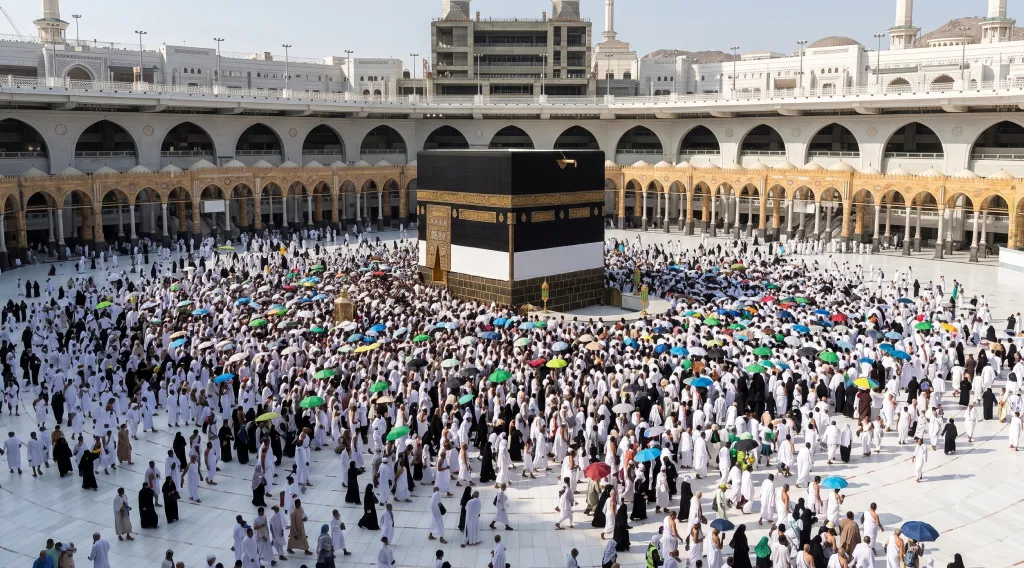
The new Umrah season has begun with a significant influx of worshippers, as more than 900,000 pilgrims have already traveled to the holy cities within the first few weeks.
The early figures reflect the continued importance of Umrah for Muslims around the world and the strong demand for religious travel.
Each year, millions of believers undertake the spiritual journey to Makkah and Madinah, making Umrah one of the world's largest recurring religious pilgrimages. The steady increase in arrivals demonstrates the enduring desire of Muslims to perform acts of worship at Islam’s holiest sites.

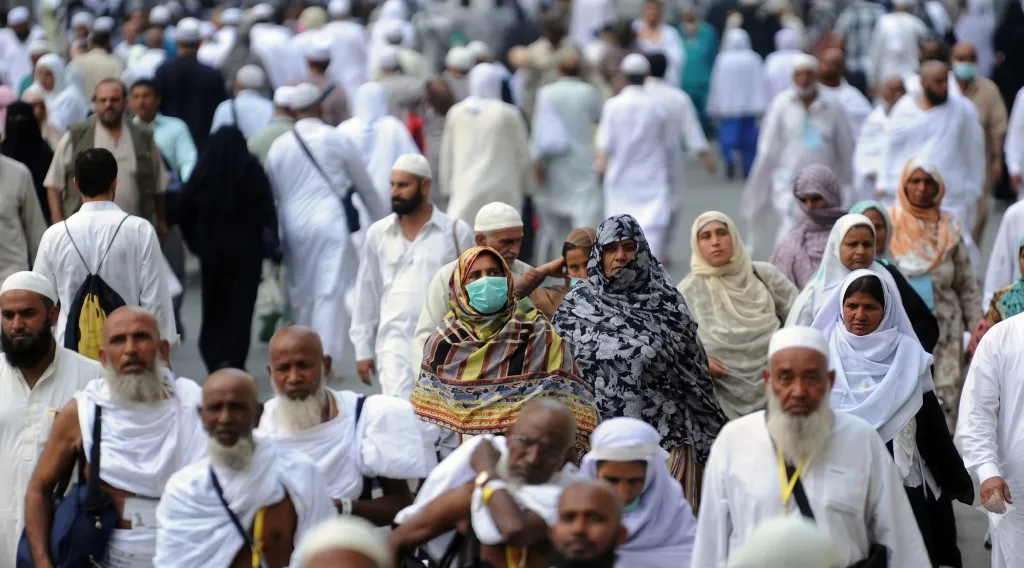
Among all countries sending pilgrims for Umrah, Pakistan has recorded the highest number of arrivals during the opening phase of the new season.
The achievement reflects the deep religious connection that Pakistani Muslims maintain with the holy cities and their continued commitment to undertaking the pilgrimage.
Despite the financial planning and travel arrangements involved, thousands of Pakistani families choose to perform Umrah each year, making Pakistan one of the most important contributors to international pilgrimage traffic. This consistent participation highlights the country's longstanding tradition of religious travel.
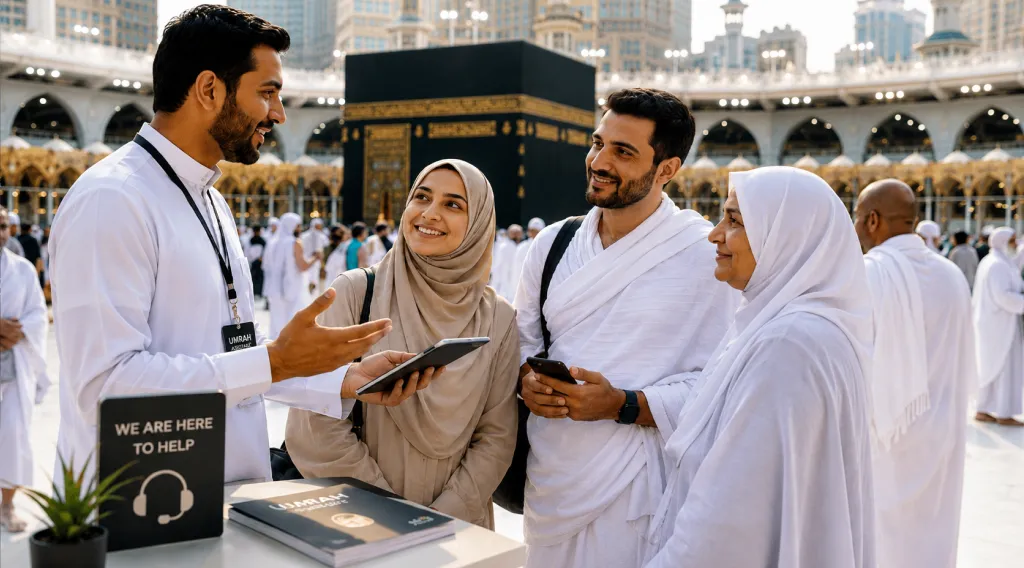
The growing number of pilgrims has been supported by improvements across various aspects of the Umrah journey, including transportation, accommodation, visa facilitation, and airport operations.
These enhancements are helping visitors complete their pilgrimage with greater convenience and efficiency. Advancements in digital services, travel management, and crowd coordination have also contributed to smoother movement throughout the holy sites.
Such measures are designed to improve safety while ensuring pilgrims can focus on their religious experience.

Saudi Arabia continues to strengthen its capacity to welcome millions of pilgrims each year through ongoing investment in hospitality, transportation networks, and public facilities. Expanding infrastructure remains a key priority as religious tourism continues to grow.
The use of modern technology and integrated service systems has further enhanced the management of large crowds, helping improve efficiency and the overall pilgrimage experience. These developments support both visitor comfort and operational effectiveness.
The new Umrah season has begun with a significant influx of worshippers, as more than 900,000 pilgrims have already traveled to the holy cities within the first few weeks.
The new Umrah season has begun with a significant influx of worshippers, as more than 900,000 pilgrims have already traveled to the holy cities within the first few weeks.
The early figures reflect the continued importance of Umrah for Muslims around the world and the strong demand for religious travel.
Each year, millions of believers undertake the spiritual journey to Makkah and Madinah, making Umrah one of the world's largest recurring religious pilgrimages. The steady increase in arrivals demonstrates the enduring desire of Muslims to perform acts of worship at Islam’s holiest sites.
Among all countries sending pilgrims for Umrah, Pakistan has recorded the highest number of arrivals during the opening phase of the new season.
The achievement reflects the deep religious connection that Pakistani Muslims maintain with the holy cities and their continued commitment to undertaking the pilgrimage.
Despite the financial planning and travel arrangements involved, thousands of Pakistani families choose to perform Umrah each year, making Pakistan one of the most important contributors to international pilgrimage traffic. This consistent participation highlights the country's longstanding tradition of religious travel.
The growing number of pilgrims has been supported by improvements across various aspects of the Umrah journey, including transportation, accommodation, visa facilitation, and airport operations.
These enhancements are helping visitors complete their pilgrimage with greater convenience and efficiency. Advancements in digital services, travel management, and crowd coordination have also contributed to smoother movement throughout the holy sites.
Such measures are designed to improve safety while ensuring pilgrims can focus on their religious experience.
Saudi Arabia continues to strengthen its capacity to welcome millions of pilgrims each year through ongoing investment in hospitality, transportation networks, and public facilities. Expanding infrastructure remains a key priority as religious tourism continues to grow.
The use of modern technology and integrated service systems has further enhanced the management of large crowds, helping improve efficiency and the overall pilgrimage experience. These developments support both visitor comfort and operational effectiveness.



