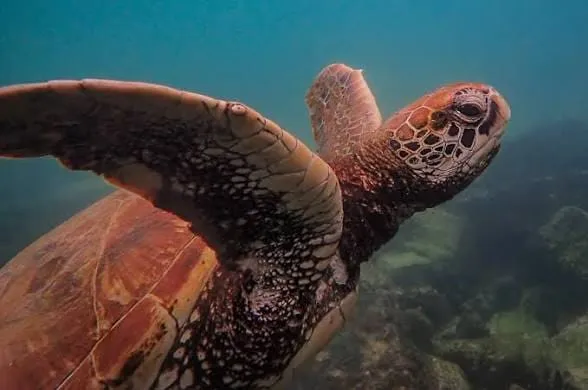
Pakistan's coastline provides an important nesting ground for green sea turtles, an endangered marine species that travels across oceans before returning to sandy beaches to lay its eggs. Sandspit and Hawke's Bay in Karachi are among the country's most important nesting sites, where these ancient creatures continue to reproduce.
However, plastic pollution, fishing nets, coastal development and human disturbance increasingly threaten their survival. Bright lights and crowded beaches can also discourage female turtles from nesting. Protecting these coastal habitats is essential to ensuring that future generations of sea turtles can continue returning to Pakistan's shores.

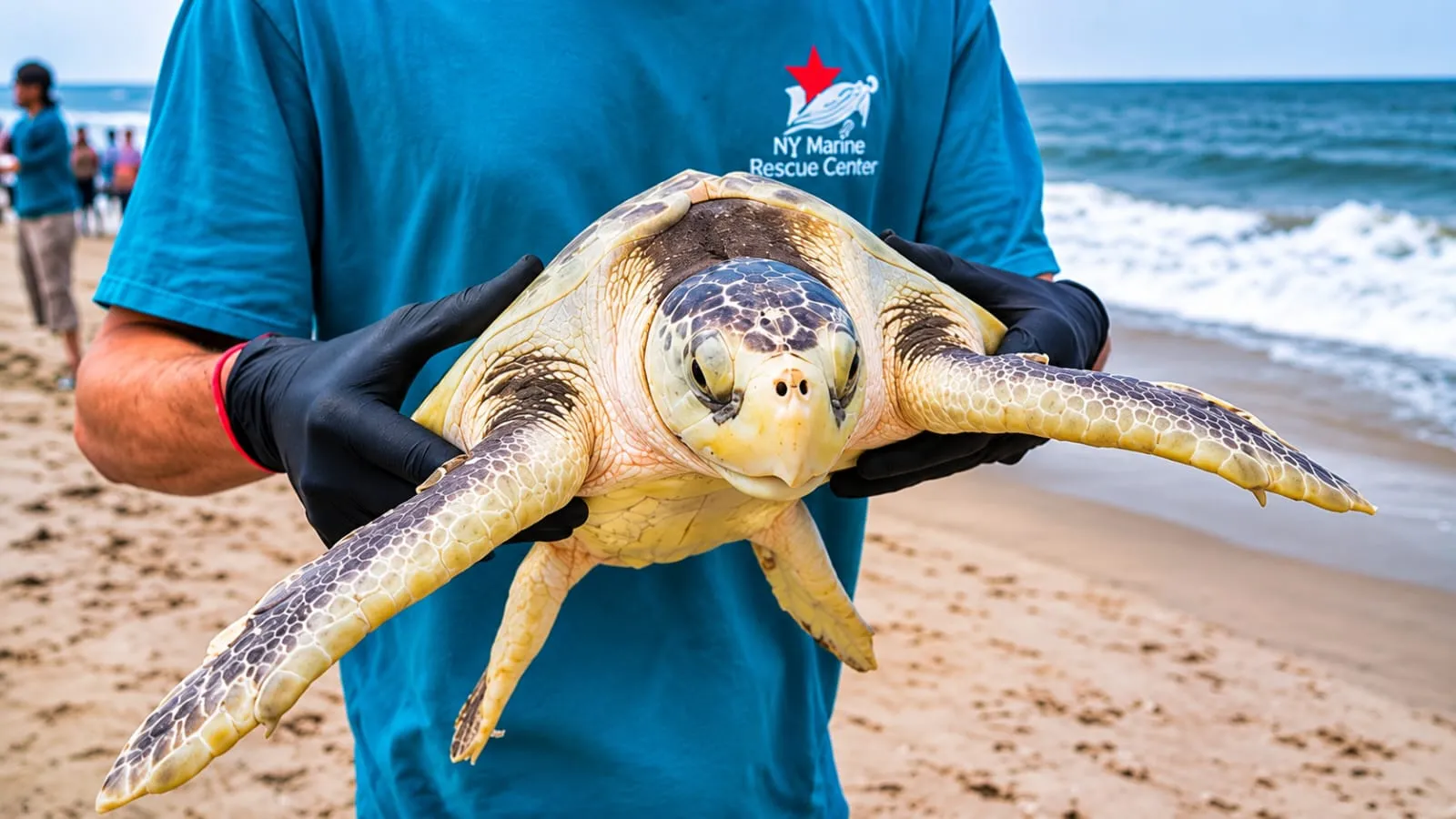
For decades, the Sindh Wildlife Department, WWF-Pakistan and local conservation workers have been involved in protecting sea turtles along Karachi's coastline. Their work includes monitoring nesting beaches, identifying nests, safeguarding eggs and helping hatchlings reach the sea safely.
During nesting season, teams patrol beaches at night to locate nests and protect them from predators and human interference. Some eggs are transferred to protected hatcheries, where they can develop under monitored conditions. Pakistan's turtle conservation programme has been operating in the Sandspit and Hawke's Bay region since the 1970s, making it a long-standing effort to protect the country's marine biodiversity.
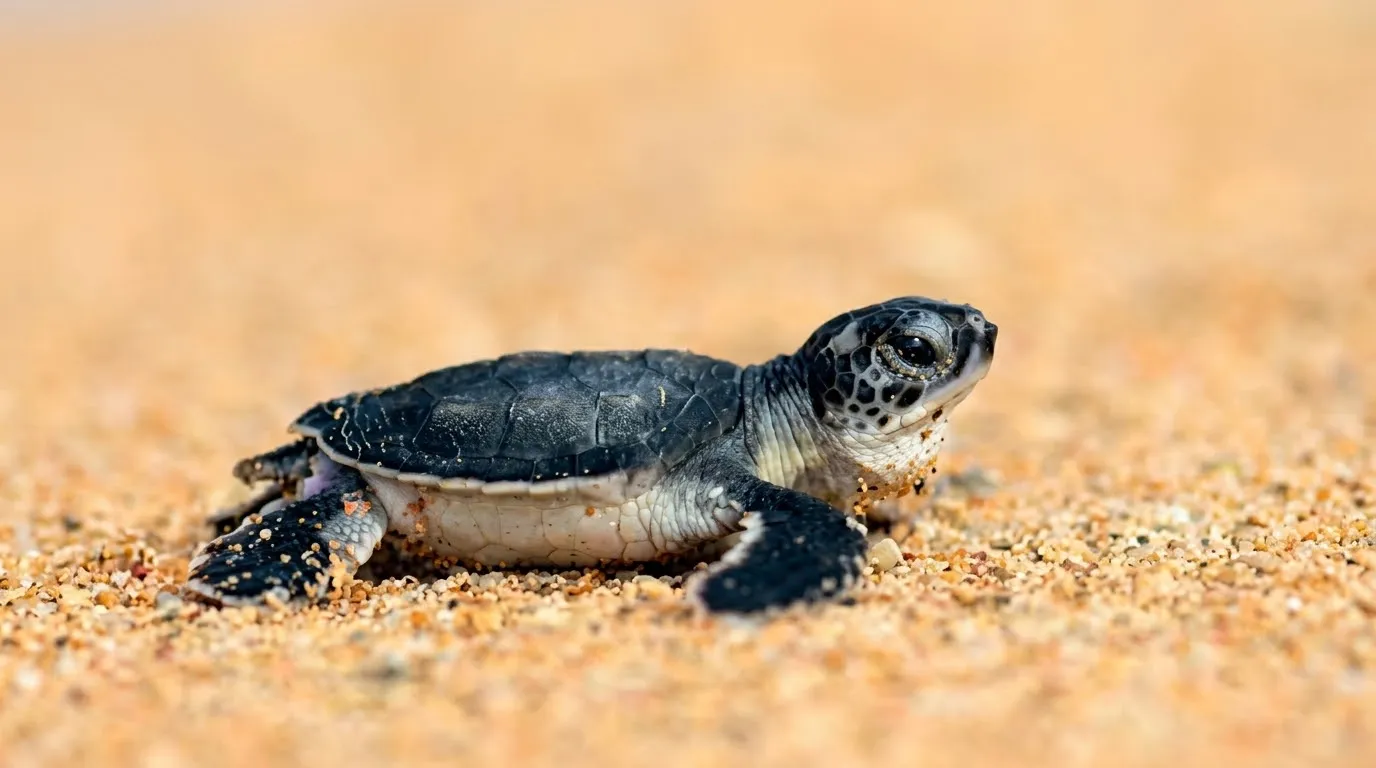
Pakistan's conservation efforts have helped thousands of young turtles begin their journey into the Arabian Sea. According to reports from the 2025 nesting season, nearly 25,000 green turtle eggs were collected and transferred to protected hatcheries within one month. The long-running conservation programme has also contributed to the release of hundreds of thousands of hatchlings.
However, protecting turtles requires more than safeguarding their eggs. Reducing plastic waste, preventing abandoned fishing nets from harming marine life and respecting nesting beaches are equally important.
Pakistan’s coastline provides an important nesting ground for green sea turtles, an endangered marine species that travels across oceans before returning to sandy beaches to lay its eggs.
Pakistan's coastline provides an important nesting ground for green sea turtles, an endangered marine species that travels across oceans before returning to sandy beaches to lay its eggs. Sandspit and Hawke's Bay in Karachi are among the country's most important nesting sites, where these ancient creatures continue to reproduce.
However, plastic pollution, fishing nets, coastal development and human disturbance increasingly threaten their survival. Bright lights and crowded beaches can also discourage female turtles from nesting. Protecting these coastal habitats is essential to ensuring that future generations of sea turtles can continue returning to Pakistan's shores.
For decades, the Sindh Wildlife Department, WWF-Pakistan and local conservation workers have been involved in protecting sea turtles along Karachi's coastline. Their work includes monitoring nesting beaches, identifying nests, safeguarding eggs and helping hatchlings reach the sea safely.
During nesting season, teams patrol beaches at night to locate nests and protect them from predators and human interference. Some eggs are transferred to protected hatcheries, where they can develop under monitored conditions. Pakistan's turtle conservation programme has been operating in the Sandspit and Hawke's Bay region since the 1970s, making it a long-standing effort to protect the country's marine biodiversity.
Pakistan's conservation efforts have helped thousands of young turtles begin their journey into the Arabian Sea. According to reports from the 2025 nesting season, nearly 25,000 green turtle eggs were collected and transferred to protected hatcheries within one month. The long-running conservation programme has also contributed to the release of hundreds of thousands of hatchlings.
However, protecting turtles requires more than safeguarding their eggs. Reducing plastic waste, preventing abandoned fishing nets from harming marine life and respecting nesting beaches are equally important.



