Parsi Doctors Who Protected Quaid’s Health Secret Finally Honoured
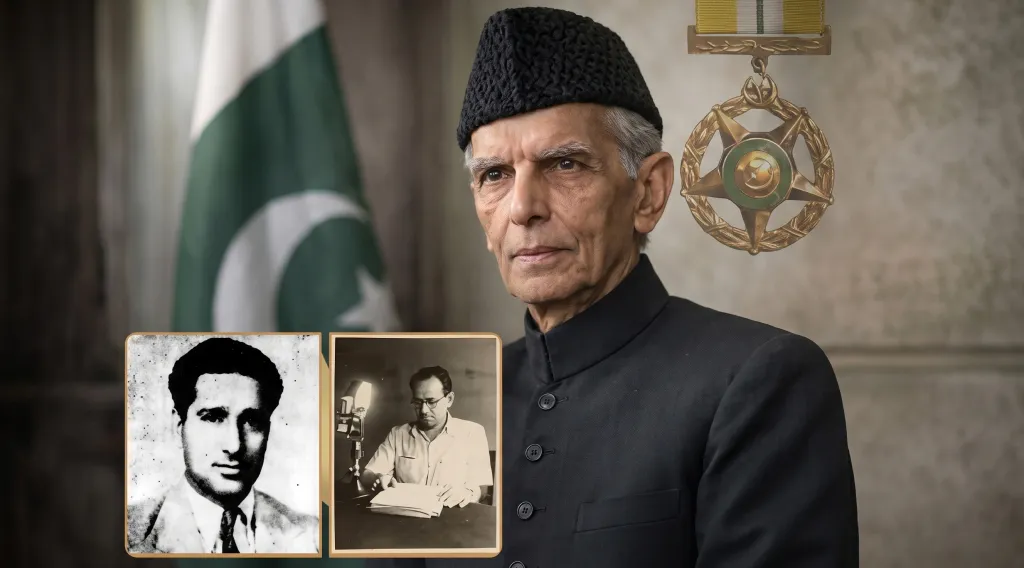
The federal government has approved Nishan e Imtiaz, Pakistan’s highest civilian honour, for two Parsi doctors who treated Quaid e Azam Muhammad Ali Jinnah during the final years of his life.
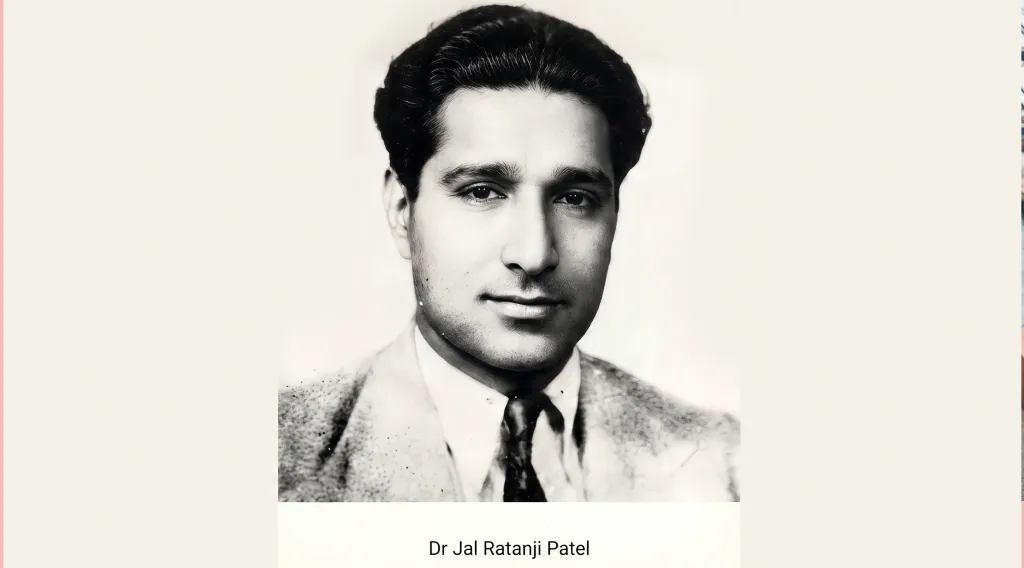
Dr. Jal Rattanji Patel, a physician, and Dr. Jal Dhaybho Koo, a radiologist, were based in Bombay and belonged to the Parsi community.
They maintained strict confidentiality about Jinnah’s serious medical condition during a crucial period of the independence movement.

The doctors’ decision to protect Jinnah’s medical privacy came at an extremely sensitive point in the struggle for independence, when uncertainty surrounding his health could have had major political consequences.
Historical accounts suggest that British officials were unaware of the full extent of Jinnah’s illness. Lord Mountbatten later indicated that greater knowledge of his condition could potentially have influenced the timing of Partition.
The government has also approved the Nishan e Imtiaz for Muhammad Asad, the European born Islamic scholar and diplomat whose work contributed to Pakistan’s intellectual and diplomatic development.
Asad embraced Islam, moved to the region and developed a close intellectual connection with Allama Muhammad Iqbal.
He later became involved in Pakistan’s early diplomatic affairs and represented the country at the United Nations.
The honours highlight how people from different communities and backgrounds contributed to the struggle for Pakistan and its development after independence.
The recognition of Dr. Patel and Dr. Dhaybho Koo, in particular, draws attention to the role of the Parsi community during a pivotal period in the country’s history.
Ahsan Iqbal said the stories of these individuals deserve to be brought back into Pakistan’s historical and intellectual memory. Their recognition serves as a reminder that the country’s story was shaped by many people whose contributions, often made quietly, played a meaningful role in its journey.
The federal government has approved Nishan e Imtiaz, Pakistan’s highest civilian honour, for two Parsi doctors who treated Quaid e Azam Muhammad Ali Jinnah during the final years of his life.
The federal government has approved Nishan e Imtiaz, Pakistan’s highest civilian honour, for two Parsi doctors who treated Quaid e Azam Muhammad Ali Jinnah during the final years of his life.
Dr. Jal Rattanji Patel, a physician, and Dr. Jal Dhaybho Koo, a radiologist, were based in Bombay and belonged to the Parsi community.
They maintained strict confidentiality about Jinnah’s serious medical condition during a crucial period of the independence movement.
The doctors’ decision to protect Jinnah’s medical privacy came at an extremely sensitive point in the struggle for independence, when uncertainty surrounding his health could have had major political consequences.
Historical accounts suggest that British officials were unaware of the full extent of Jinnah’s illness. Lord Mountbatten later indicated that greater knowledge of his condition could potentially have influenced the timing of Partition.
The government has also approved the Nishan e Imtiaz for Muhammad Asad, the European born Islamic scholar and diplomat whose work contributed to Pakistan’s intellectual and diplomatic development.
Asad embraced Islam, moved to the region and developed a close intellectual connection with Allama Muhammad Iqbal.
He later became involved in Pakistan’s early diplomatic affairs and represented the country at the United Nations.
The honours highlight how people from different communities and backgrounds contributed to the struggle for Pakistan and its development after independence.
The recognition of Dr. Patel and Dr. Dhaybho Koo, in particular, draws attention to the role of the Parsi community during a pivotal period in the country’s history.
Ahsan Iqbal said the stories of these individuals deserve to be brought back into Pakistan’s historical and intellectual memory. Their recognition serves as a reminder that the country’s story was shaped by many people whose contributions, often made quietly, played a meaningful role in its journey.



