Pakistani Student Wins Global Water Innovation Award
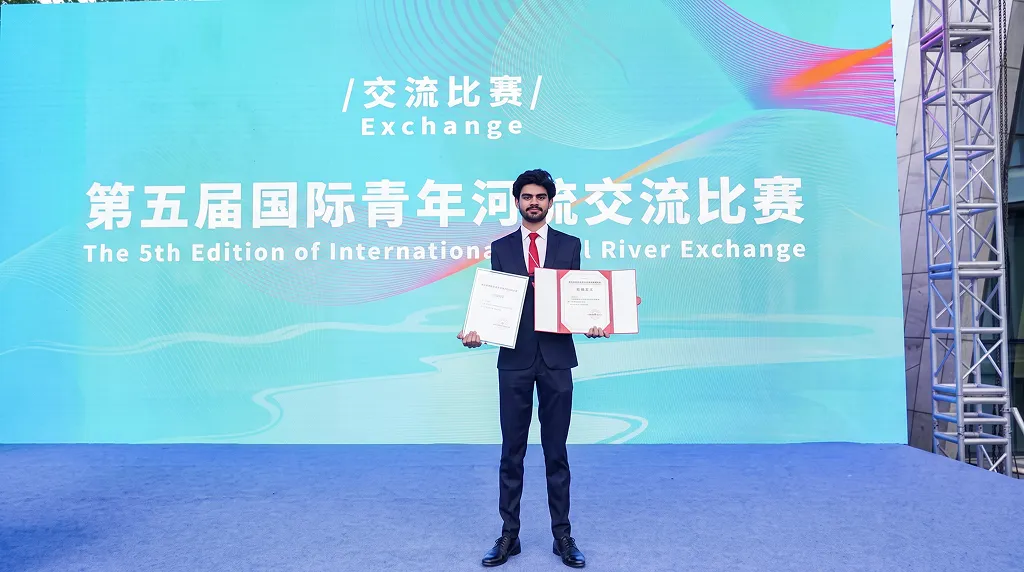
Azib Ali Buraq, a Pakistani student studying Artificial Intelligence at Nanjing University of Information Science and Technology (NUIST), has won third prize at the 5th International Youth River Exchange in Ningbo, China. He was also named an honorary River Messenger after competing among six finalists.

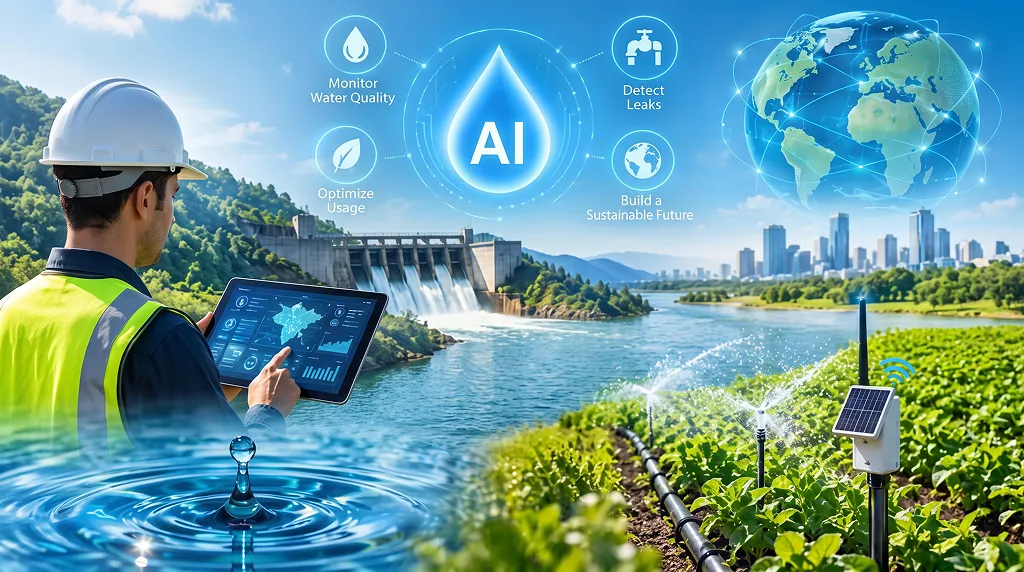
At the heart of Azib’s project was a proposed AI-powered Yangtze River-Irrigation Management Model based on Digital Twin technology. The concept would create a virtual representation of a water system by combining information from multiple sources.
The proposed system could bring together satellite imagery, weather forecasts, environmental sensors, soil conditions, river levels, reservoirs and water demand. AI could then process this information to help authorities anticipate changes, test different scenarios and make more informed decisions.
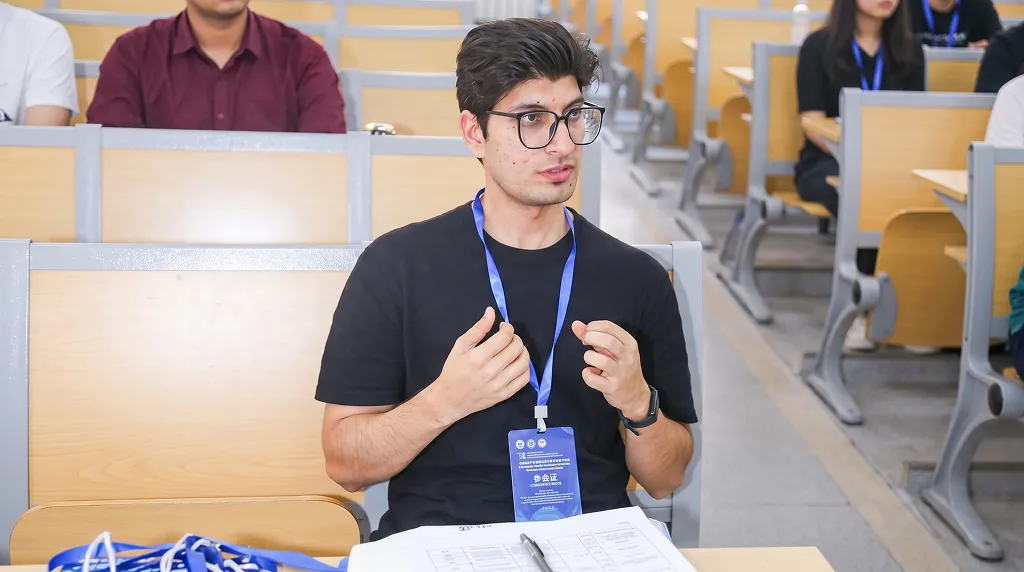
The exchange also explored the history of water management. Participants visited the Tuoshan Weir, a World Heritage Irrigation Structure, where they learned about traditional engineering methods and the cultural importance of irrigation systems.
For Azib, the experience demonstrated how centuries-old water knowledge and emerging technology can complement each other. Instead of replacing traditional systems, AI could provide new tools to understand complex water networks and prepare for future environmental pressures.
Azib Ali Buraq, a Pakistani student studying Artificial Intelligence at Nanjing University of Information Science and Technology (NUIST), has won third prize at the 5th International Youth River Exchange in Ningbo, China.
Azib Ali Buraq, a Pakistani student studying Artificial Intelligence at Nanjing University of Information Science and Technology (NUIST), has won third prize at the 5th International Youth River Exchange in Ningbo, China. He was also named an honorary River Messenger after competing among six finalists.
At the heart of Azib’s project was a proposed AI-powered Yangtze River-Irrigation Management Model based on Digital Twin technology. The concept would create a virtual representation of a water system by combining information from multiple sources.
The proposed system could bring together satellite imagery, weather forecasts, environmental sensors, soil conditions, river levels, reservoirs and water demand. AI could then process this information to help authorities anticipate changes, test different scenarios and make more informed decisions.
The exchange also explored the history of water management. Participants visited the Tuoshan Weir, a World Heritage Irrigation Structure, where they learned about traditional engineering methods and the cultural importance of irrigation systems.
For Azib, the experience demonstrated how centuries-old water knowledge and emerging technology can complement each other. Instead of replacing traditional systems, AI could provide new tools to understand complex water networks and prepare for future environmental pressures.