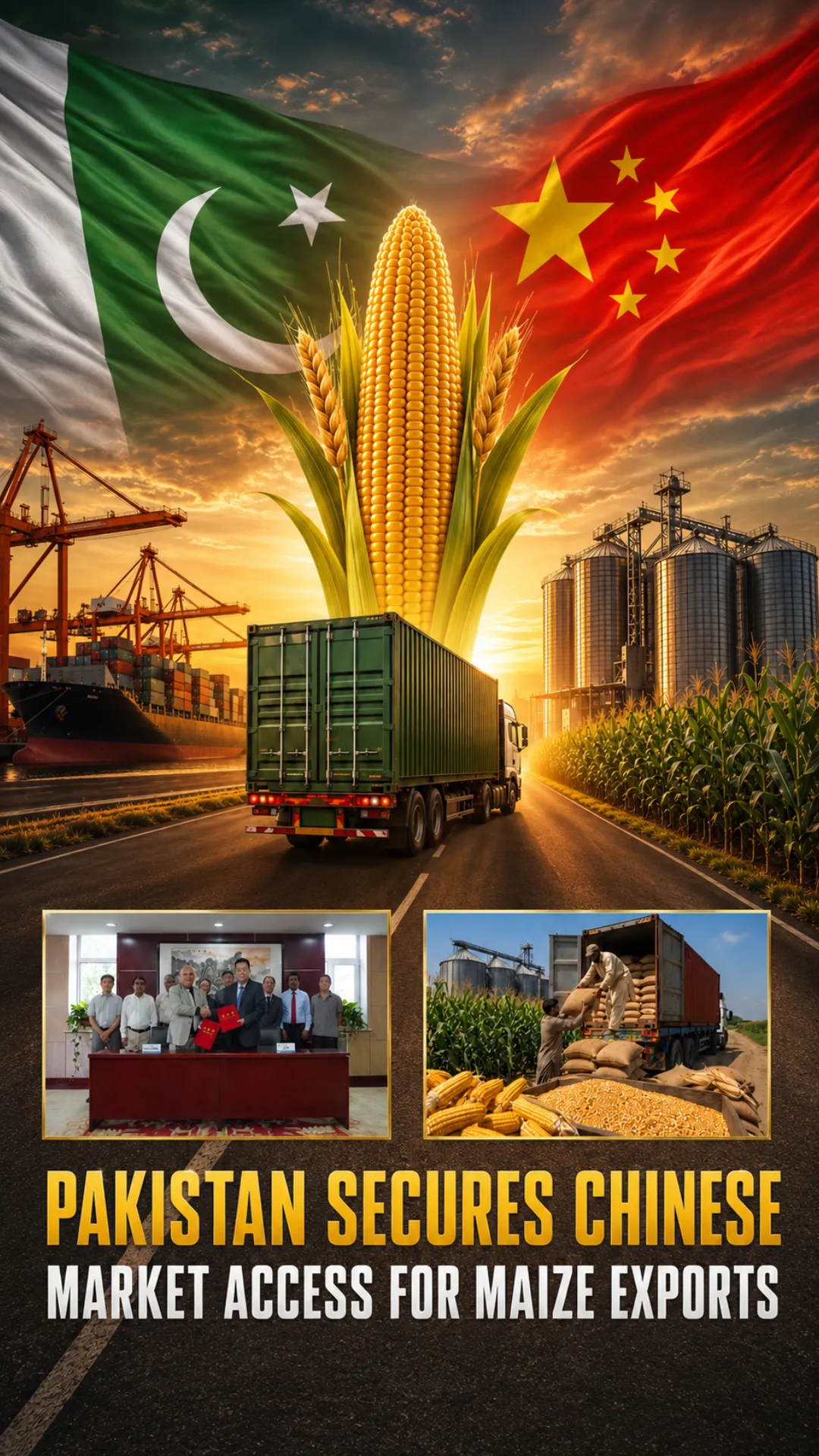
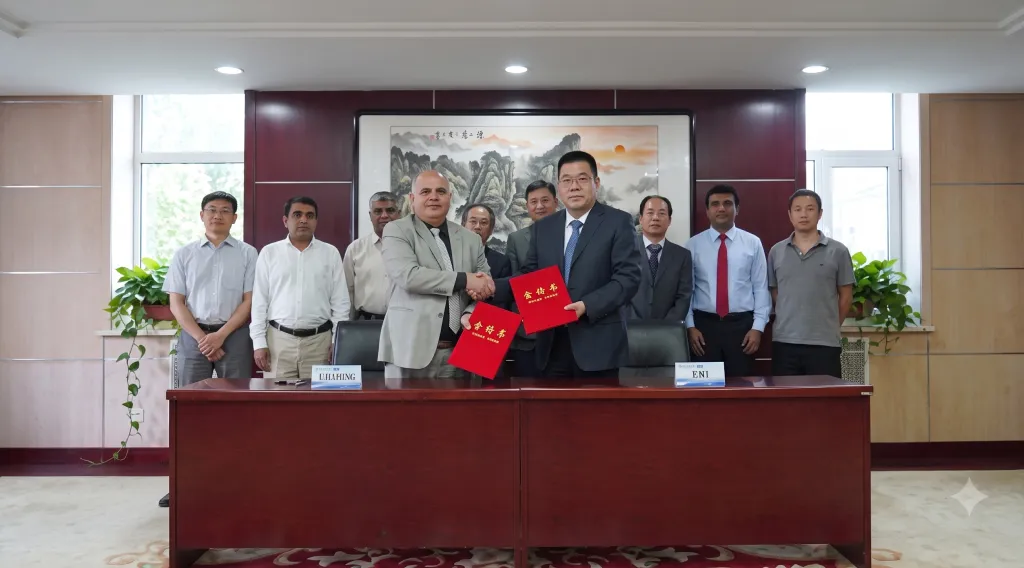
Pakistan’s maize sector has received a major boost after China officially approved the import of maize grown in Pakistan. The decision creates new opportunities for farmers and exporters by providing access to one of the world’s largest agricultural markets.
China’s customs administration announced the quarantine requirements for Pakistani maize on July 7, formally allowing imports under approved conditions. The development marks another step forward in agricultural trade between the two countries.
The market opening is expected to support export diversification and strengthen Pakistan’s position in international agricultural trade.

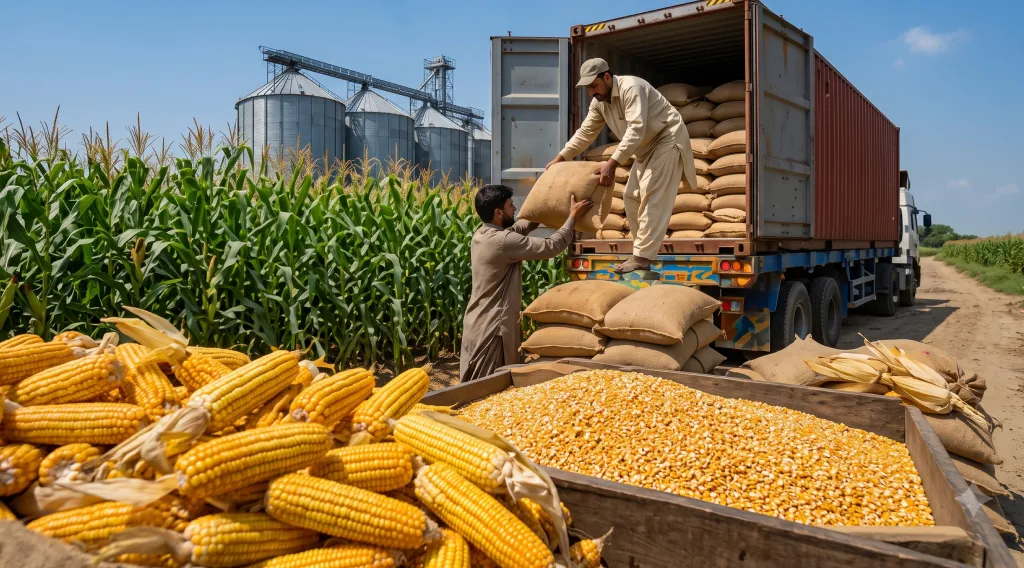
China is one of the world's largest importers of maize, purchasing millions of tonnes annually to meet the demands of its livestock and animal feed industries. Access to this market offers Pakistan the potential to significantly expand its maize exports.
Maize is Pakistan’s third-largest cereal crop after wheat and rice, making it an important part of the country’s agricultural economy. The new export destination could reduce reliance on existing markets while creating additional income opportunities for growers and exporters.
Industry experts believe the expanded market access may encourage increased production, investment in modern farming practices, and stronger participation in regional agricultural supply chains.
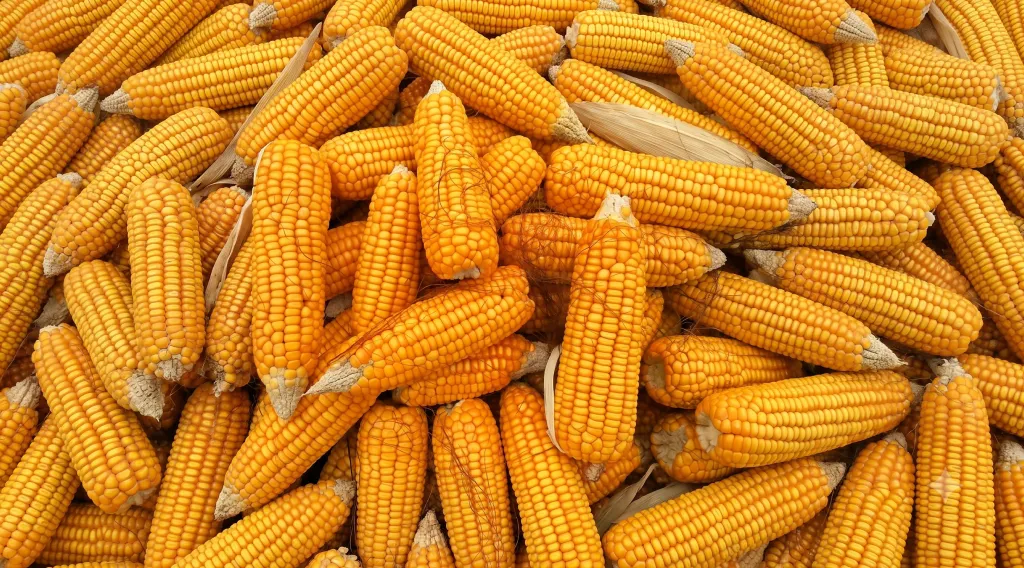
Before commercial shipments can begin, Pakistani farms, processing facilities, and storage units must complete registration with Chinese customs authorities. Exporters will also be required to comply with strict quarantine and food safety regulations.
These requirements include pest management measures, fumigation procedures, and official certification to ensure that maize shipments meet China's import standards. Compliance with these regulations will be essential for maintaining uninterrupted trade.
Meeting international quality requirements is expected to strengthen the reputation of Pakistani agricultural products and improve access to other global markets in the future.
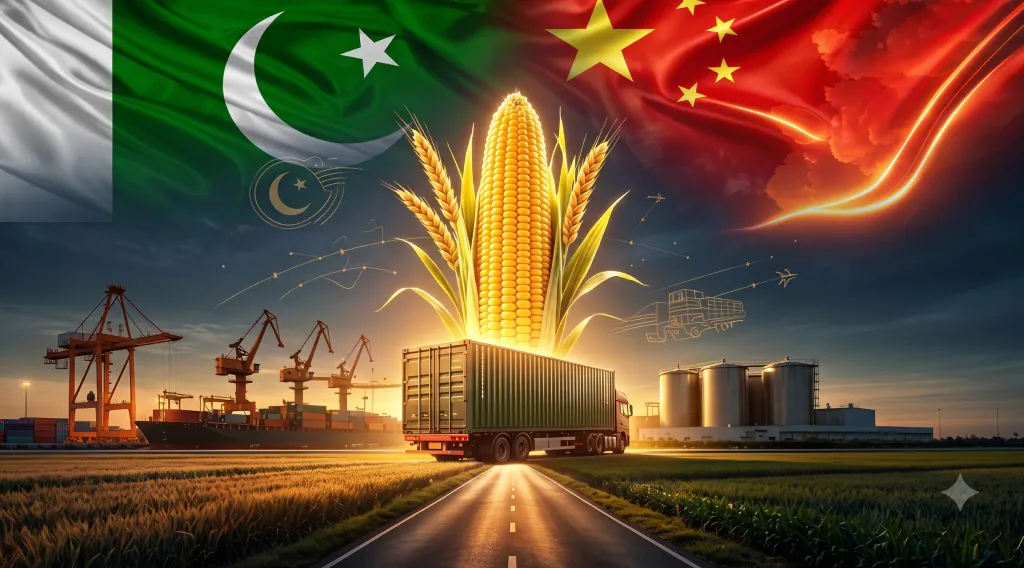
The approval for maize exports follows a series of recent developments that have increased market access for Pakistani agricultural products in China. Several products, including dried fruits, nuts, and medicinal plants, have also gained opportunities to enter the Chinese market.
The growing agricultural partnership reflects stronger economic cooperation between the two countries and supports efforts to expand bilateral trade.
Increased access to international markets can help improve export earnings while encouraging greater investment in Pakistan’s agriculture sector.
Pakistan’s maize sector has received a major boost after China officially approved the import of maize grown in Pakistan.
Pakistan’s maize sector has received a major boost after China officially approved the import of maize grown in Pakistan. The decision creates new opportunities for farmers and exporters by providing access to one of the world’s largest agricultural markets.
China’s customs administration announced the quarantine requirements for Pakistani maize on July 7, formally allowing imports under approved conditions. The development marks another step forward in agricultural trade between the two countries.
The market opening is expected to support export diversification and strengthen Pakistan’s position in international agricultural trade.
China is one of the world's largest importers of maize, purchasing millions of tonnes annually to meet the demands of its livestock and animal feed industries. Access to this market offers Pakistan the potential to significantly expand its maize exports.
Maize is Pakistan’s third-largest cereal crop after wheat and rice, making it an important part of the country’s agricultural economy. The new export destination could reduce reliance on existing markets while creating additional income opportunities for growers and exporters.
Industry experts believe the expanded market access may encourage increased production, investment in modern farming practices, and stronger participation in regional agricultural supply chains.
Before commercial shipments can begin, Pakistani farms, processing facilities, and storage units must complete registration with Chinese customs authorities. Exporters will also be required to comply with strict quarantine and food safety regulations.
These requirements include pest management measures, fumigation procedures, and official certification to ensure that maize shipments meet China's import standards. Compliance with these regulations will be essential for maintaining uninterrupted trade.
Meeting international quality requirements is expected to strengthen the reputation of Pakistani agricultural products and improve access to other global markets in the future.
The approval for maize exports follows a series of recent developments that have increased market access for Pakistani agricultural products in China. Several products, including dried fruits, nuts, and medicinal plants, have also gained opportunities to enter the Chinese market.
The growing agricultural partnership reflects stronger economic cooperation between the two countries and supports efforts to expand bilateral trade.
Increased access to international markets can help improve export earnings while encouraging greater investment in Pakistan’s agriculture sector.



