







0
November 3, 2026
Sindh Ambulance Team Saves Premature Baby After 11 Hours
A premature newborn in Karachi faced a life-threatening situation when medical staff struggled to find…

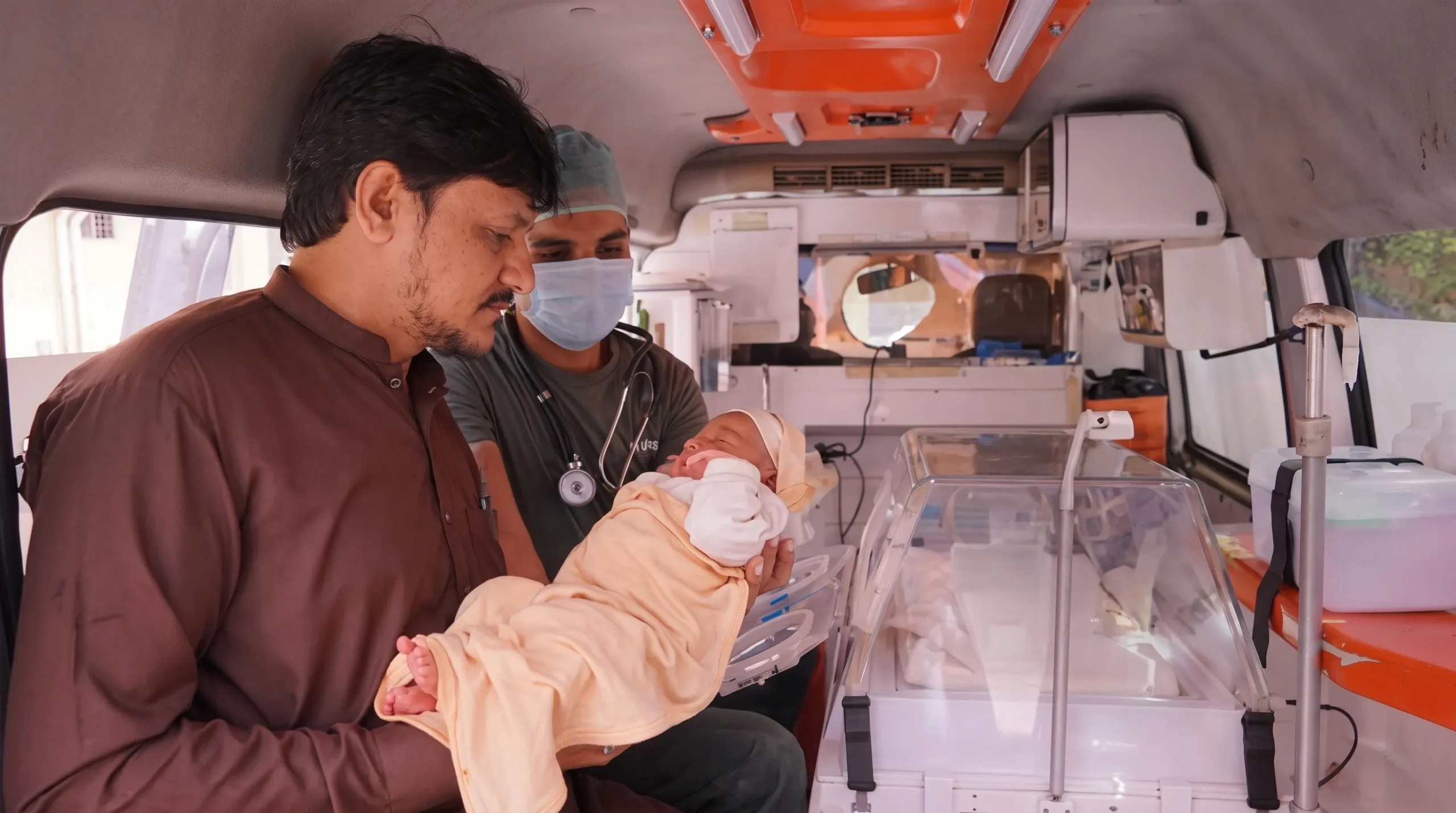
A premature newborn in Karachi faced a life-threatening situation when medical staff struggled to find a hospital with an available incubator. With several healthcare facilities unable to admit the baby, an emergency ambulance team continued providing medical support for nearly 11 hours while searching for a place where the child could receive specialised treatment.
The incident involved the Sindh Integrated Emergency and Health Services (SIEHS), which operates the province's 1122 ambulance network. Instead of simply transporting the newborn, the medical team had to maintain critical care inside the vehicle throughout the prolonged search.
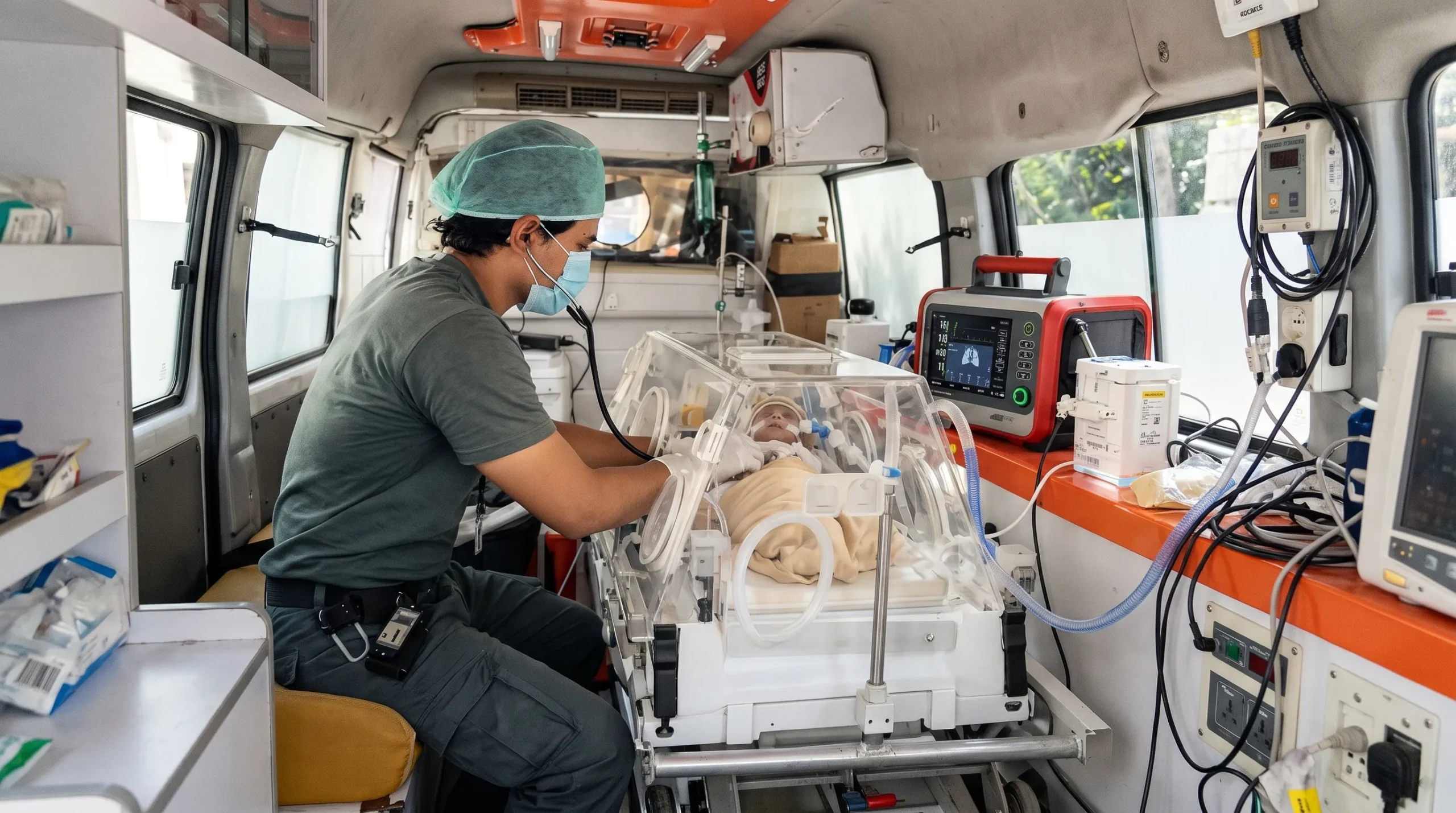
To address emergencies involving premature and critically ill babies, Sindh has introduced ambulances fitted with specialised incubators. These units help maintain a newborn's body temperature, provide oxygen support and assist with breathing during transportation to medical facilities.
According to the Sindh Health Department, more than 5,000 newborns benefited from the incubator-equipped ambulance service within its first year. The fleet includes nine such ambulances in Karachi and 25 across the province, allowing medical teams to respond to neonatal emergencies beyond major hospitals.
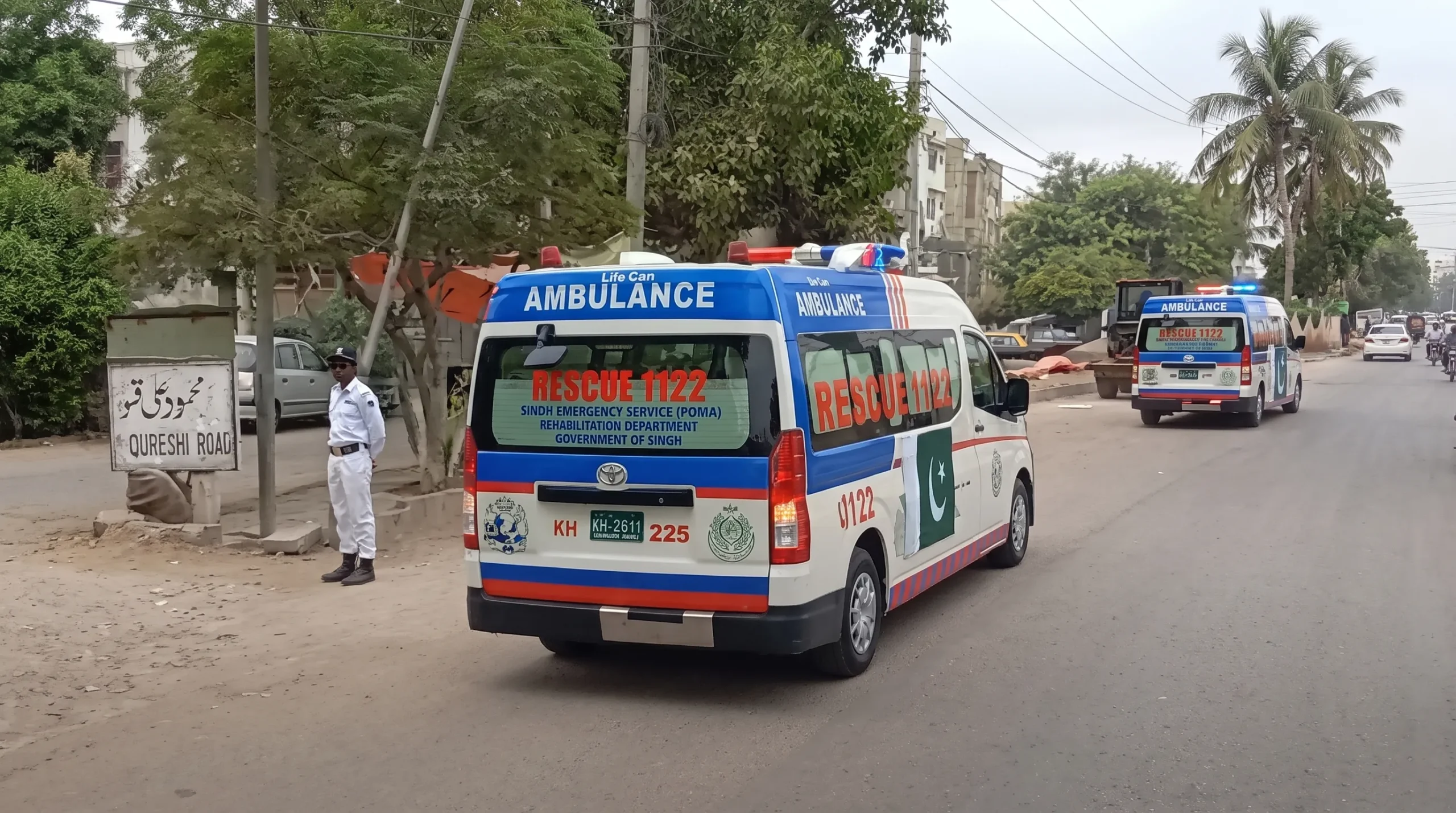
The neonatal ambulance service is part of broader efforts to strengthen emergency healthcare outside hospital settings. SIEHS operates through the 1122 network, providing round-the-clock emergency assistance with trained medical technicians and specially equipped vehicles.
Health authorities aim to ensure that every district has access to at least one ambulance capable of transporting premature and critically ill newborns. The expansion is particularly important for families in areas where specialised neonatal facilities are limited or located far from their communities.

Pakistani fast bowler Abbas Afridi has shared a photograph featuring himself alongside the awards he has received, bringing renewed attention to his achievements in cricket. The picture offers a personal glimpse of the recognition earned by the young cricketer following his performances on the international stage.
Afridi recently attracted attention for his contribution to Pakistan's Hong Kong Sixes campaign, where his aggressive batting and leadership made him one of the tournament's standout performers.
His latest photograph places the honours at the centre of attention, giving cricket followers an opportunity to celebrate another moment from his sporting journey.
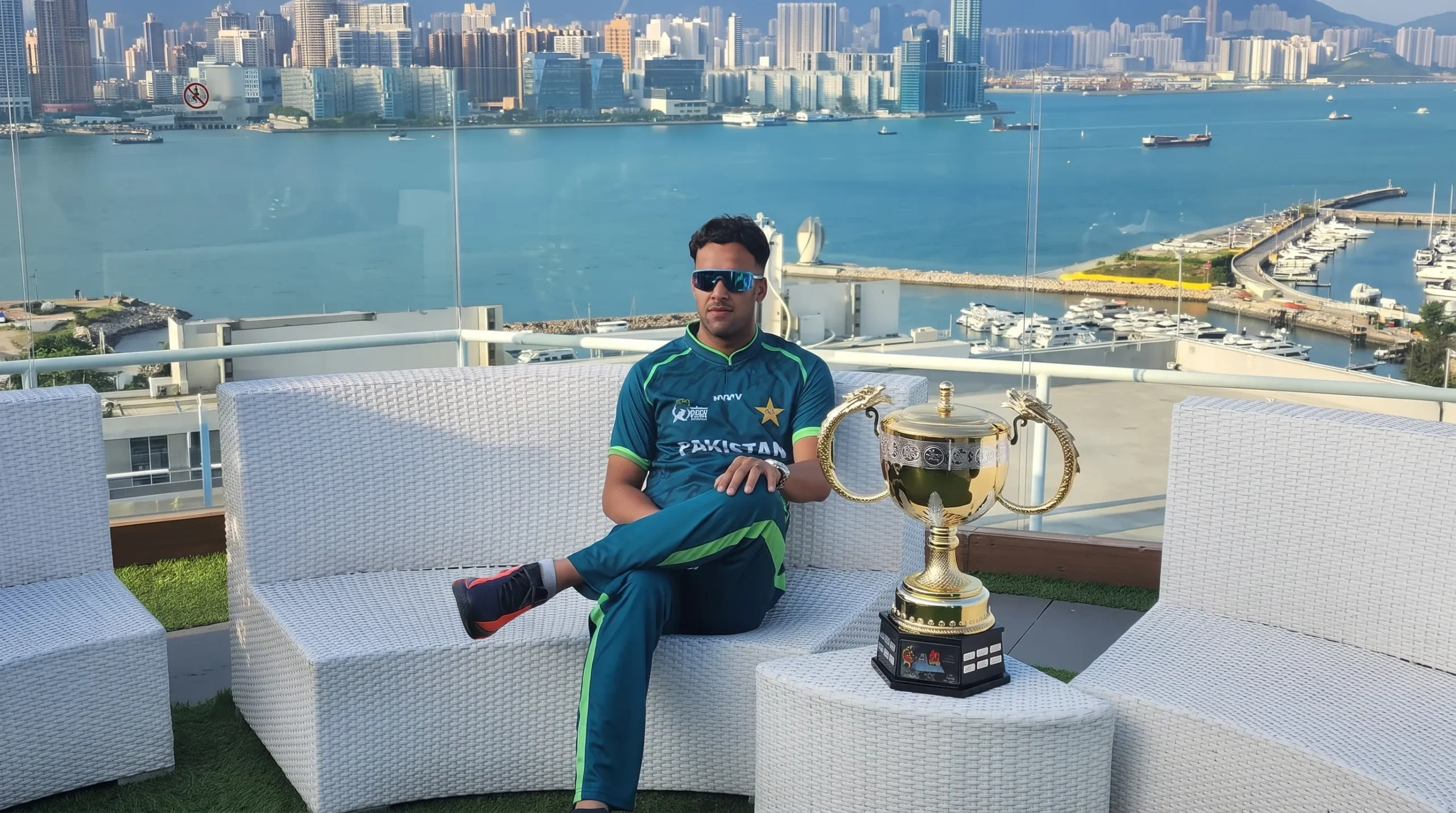
Afridi captained Pakistan at the 2026 Hong Kong Sixes, where he produced several impressive batting performances. In the plate final against Oman on November 1, he scored 73 runs from just 16 deliveries, striking 11 sixes to help Pakistan post 154 runs.
Pakistan went on to defeat Oman by 18 runs, securing the Plate title and finishing fifth overall in the tournament. Although the team could not retain its main championship crown, the victory provided a positive finish to its campaign.
Afridi's explosive batting once again demonstrated his ability to deliver in the fast-paced six-a-side format.
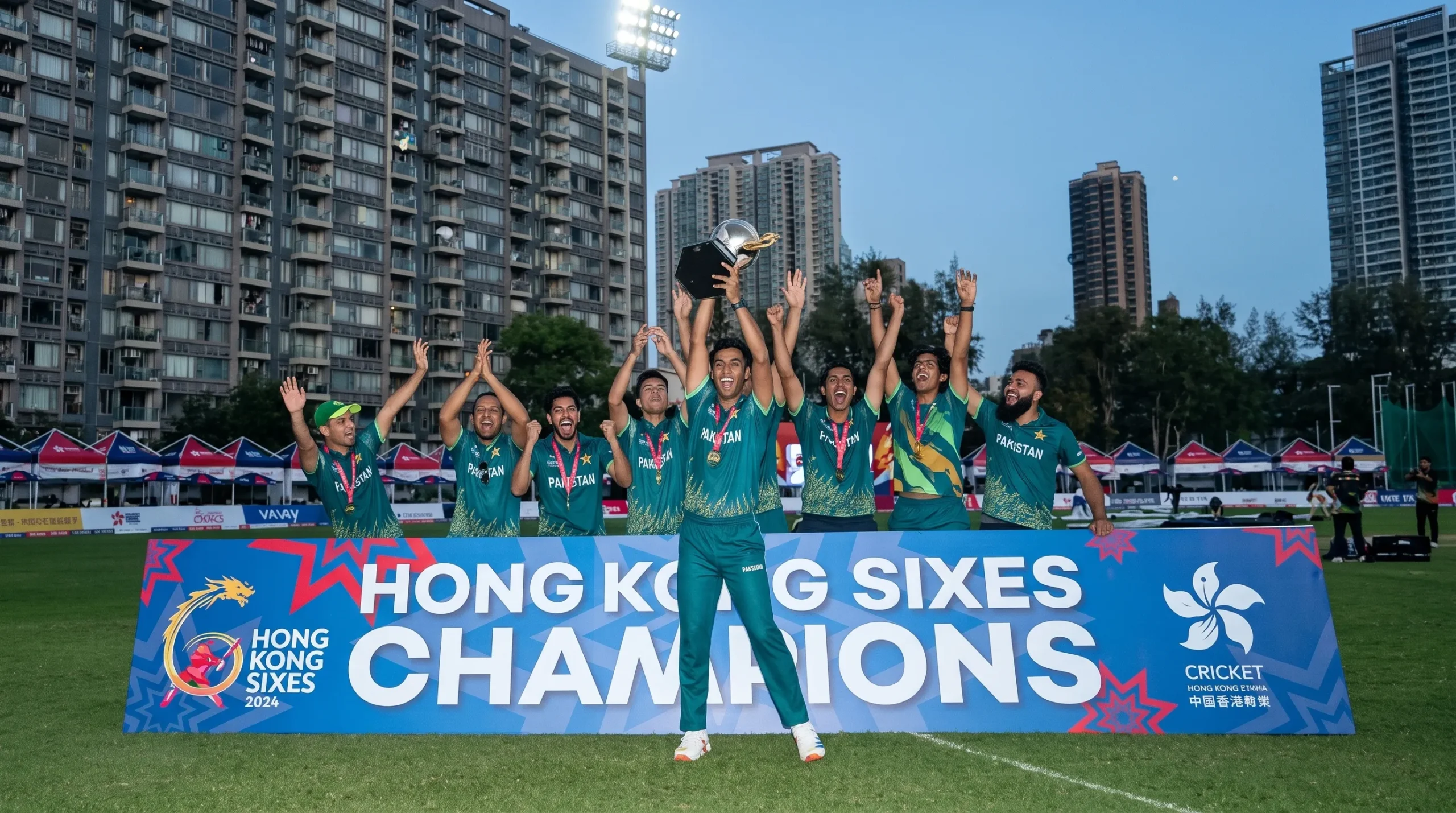
Afridi has established himself as an exciting fast-bowling all-rounder in Pakistan's cricket setup, combining his bowling responsibilities with an aggressive approach to batting. His leadership at the Hong Kong Sixes also gave him an opportunity to showcase his abilities in a different format.
In the 2025 edition, he led Pakistan to the championship title after defeating Kuwait in the final. He scored an unbeaten 52 in that match and received both Player of the Match and Player of the Tournament honours.
His latest photograph has brought those achievements back into focus, reflecting the recognition he has earned through his performances for Pakistan.

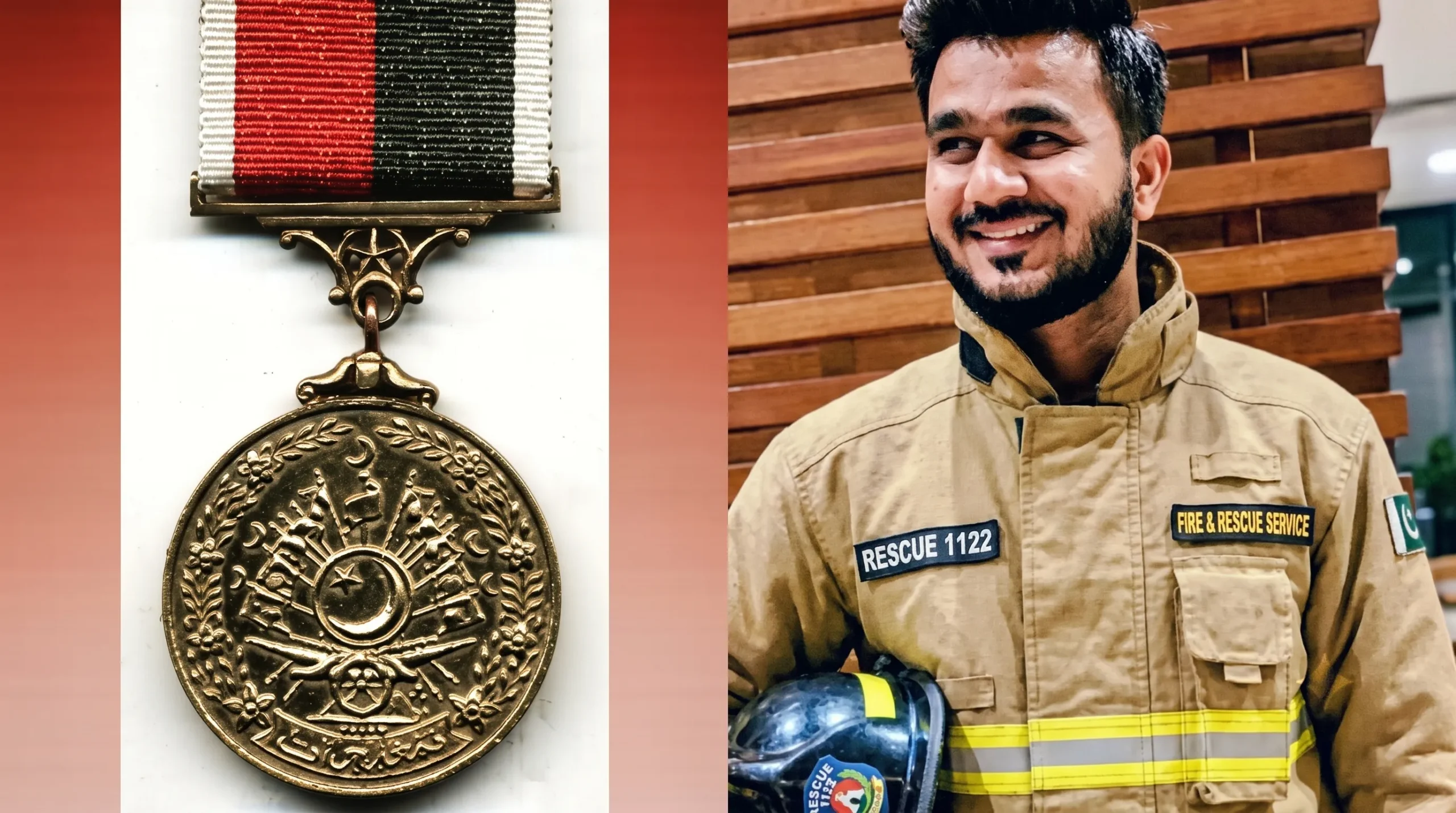
Karachi firefighter Furqan Ali will receive the Tamgha-e-Shujaat after President Asif Ali Zardari approved the national award in recognition of his courage during the Gul Plaza fire.
He lost his life while participating in the emergency response and attempting to help people caught inside the burning building.
The decision brings national recognition to a rescue worker whose final operation involved entering dangerous areas of the commercial complex to assist others. His actions have been acknowledged as an example of dedication to public service.

Furqan was serving with the Karachi Metropolitan Corporation's Fire Department and was part of the team responding to the Gul Plaza blaze on January 17, 2026. The fire spread through the commercial building, where shops stocked with clothing, cosmetics, plastics and other combustible materials added to the intensity of the incident.
While working near the rear section of the building during the early hours of January 18, he was struck by falling debris. The collapse trapped him beneath the wreckage, and he did not survive.
His death highlighted the dangers faced by emergency personnel who enter unstable structures to reach people in need of assistance.

Following his death, Karachi Mayor Murtaza Wahab announced a financial assistance package of Rs10 million for Furqan's family. The Karachi Metropolitan Corporation also committed to providing employment to his widow and covering the educational expenses of their child.
As another tribute, the mayor announced that Nazimabad Fire Station would be renamed after the late firefighter. Furqan had served in the KMC Fire Department since 2018, continuing a family connection to the profession as his father had also been a firefighter.

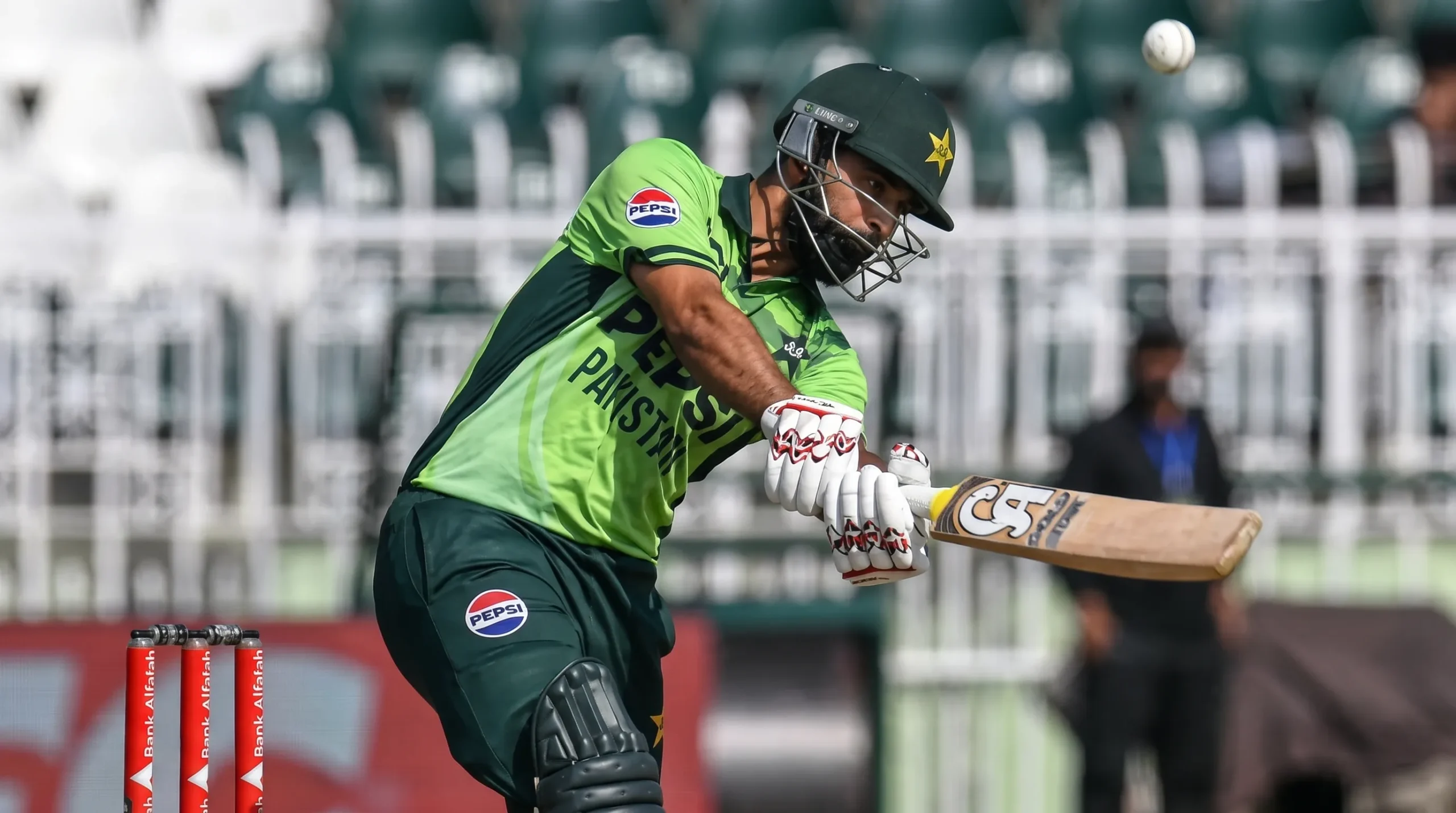
Pakistan opener Fakhar Zaman produced a memorable performance in the 2026 ODI Tri-Series final, scoring 127 runs against Sri Lanka at Lahore's Gaddafi Stadium on October 31. His innings played a central role in Pakistan's successful pursuit of a challenging 326-run target.
Fakhar faced 99 deliveries and struck 11 boundaries and six sixes, keeping Pakistan's chase alive after the team lost early wickets. His ability to build the innings while maintaining an attacking approach proved important in the high-pressure final.
The century was his 12th in One-Day International cricket and added another major achievement to his international career.
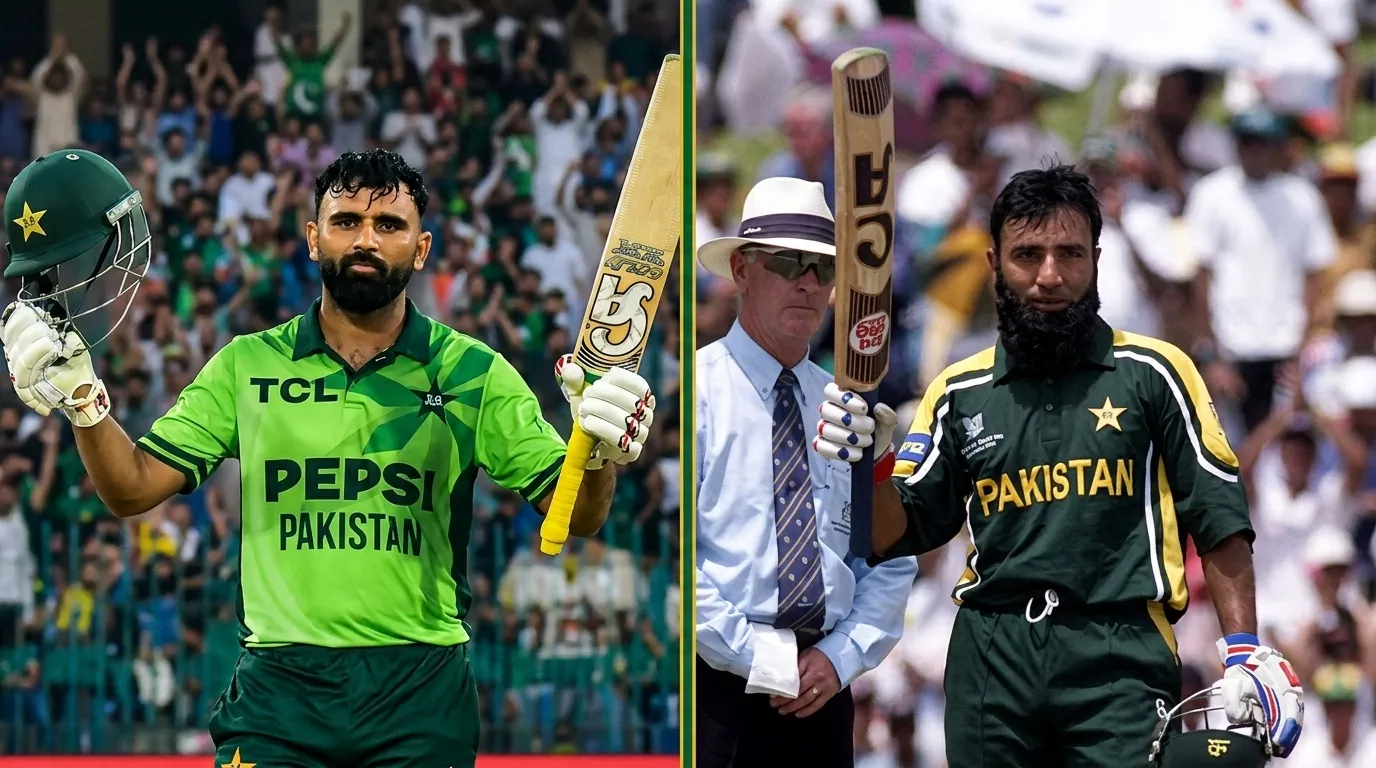
With his latest hundred, Fakhar equalled a record previously held by former Pakistan captain Saeed Anwar. Both batters have now scored two centuries in ODI tournament finals, placing Fakhar alongside one of Pakistan's most celebrated opening batters.
Saeed Anwar achieved the feat with centuries against Sri Lanka in the 1993 Wills Trophy final and during the 1998 Silver Jubilee Independence Cup. Fakhar's first final century came against India in the 2017 Champions Trophy final, where he scored 114 runs.
His 127 against Sri Lanka has now given him a second century in an ODI tournament final, adding another landmark to his record in major international matches.
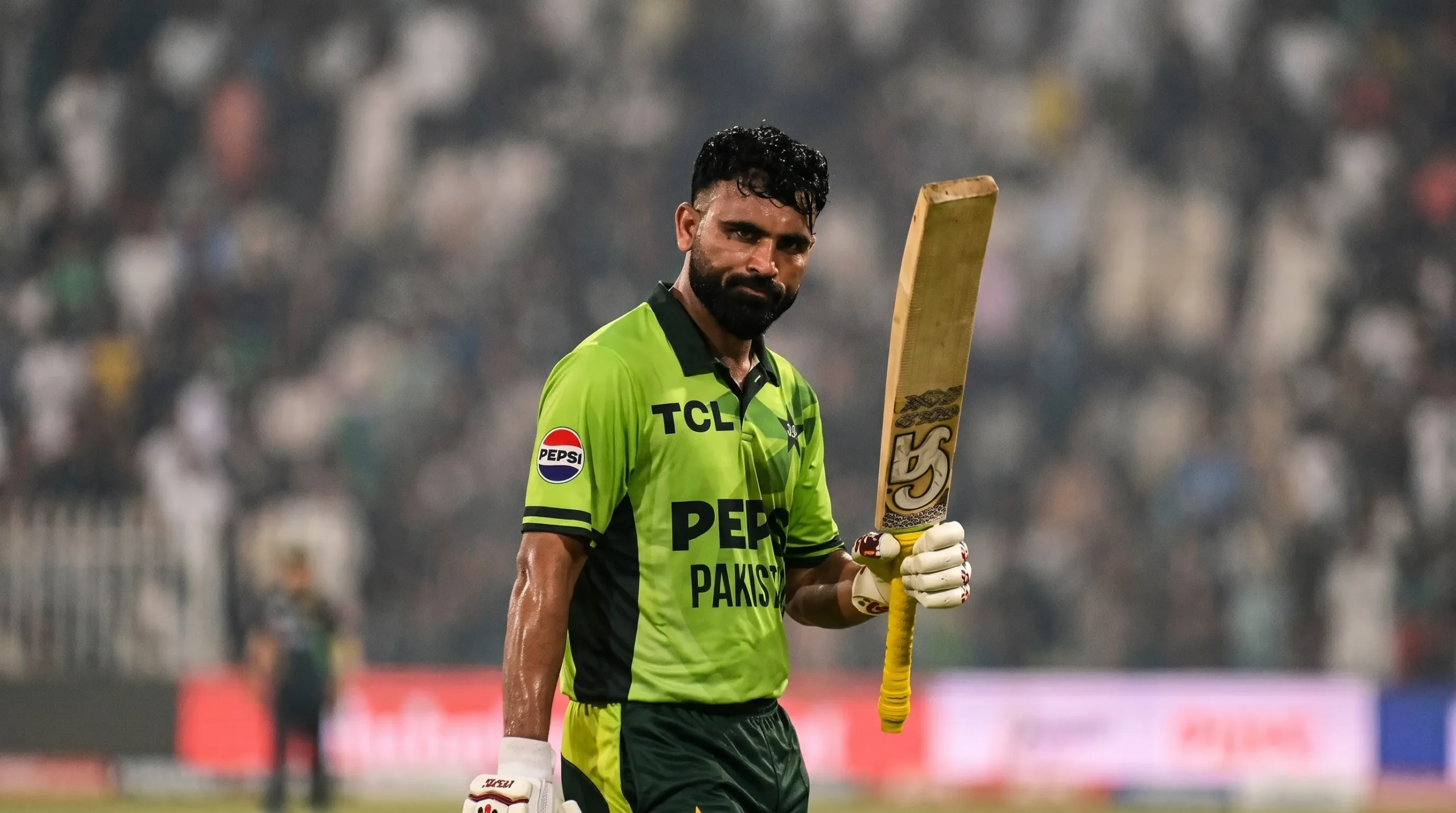
Fakhar's innings against Sri Lanka also took his career total beyond 4,000 runs in One-Day International cricket. He reached the milestone in just 96 innings, becoming the second-fastest Pakistani batter to achieve the feat.
Only Babar Azam reached the landmark sooner, completing 4,000 ODI runs in 82 innings. Fakhar has accumulated 4,019 runs at an average of 44.65, with 12 centuries and 19 half-centuries to his name.
The achievement adds to an impressive career that includes his memorable century in the 2017 Champions Trophy final.

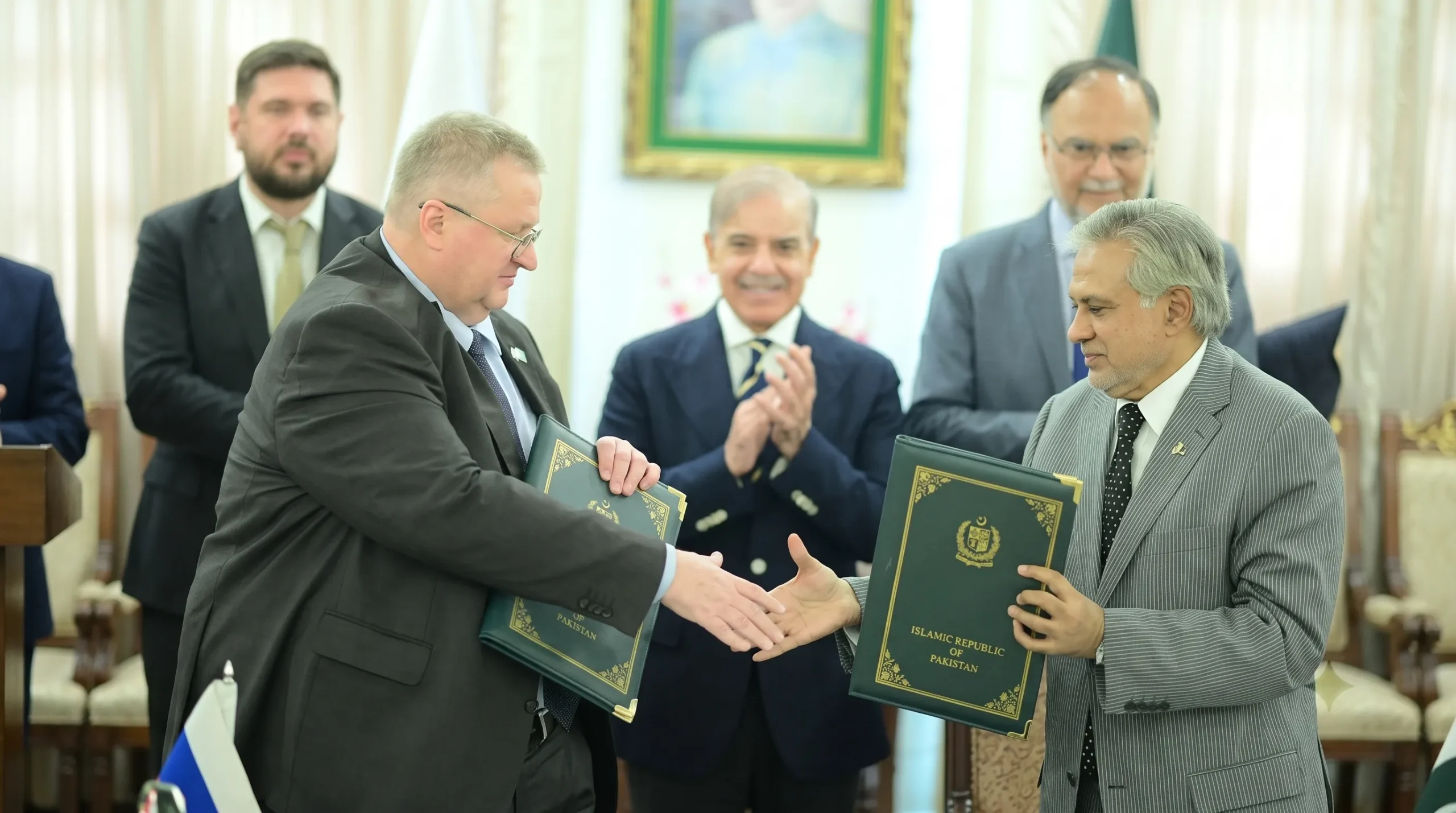
Prime Minister Shehbaz Sharif is expected to travel to Moscow during the first week of December, accompanied by a large delegation of Pakistani business representatives.
The planned visit is aimed at expanding commercial engagement between Pakistan and Russia through direct discussions with government and business leaders.
Preparations for the trip were reviewed at a meeting chaired by the prime minister, where arrangements for his upcoming engagements were discussed. A key part of the programme will be his address to a joint Pakistan-Russia business forum in the Russian capital.
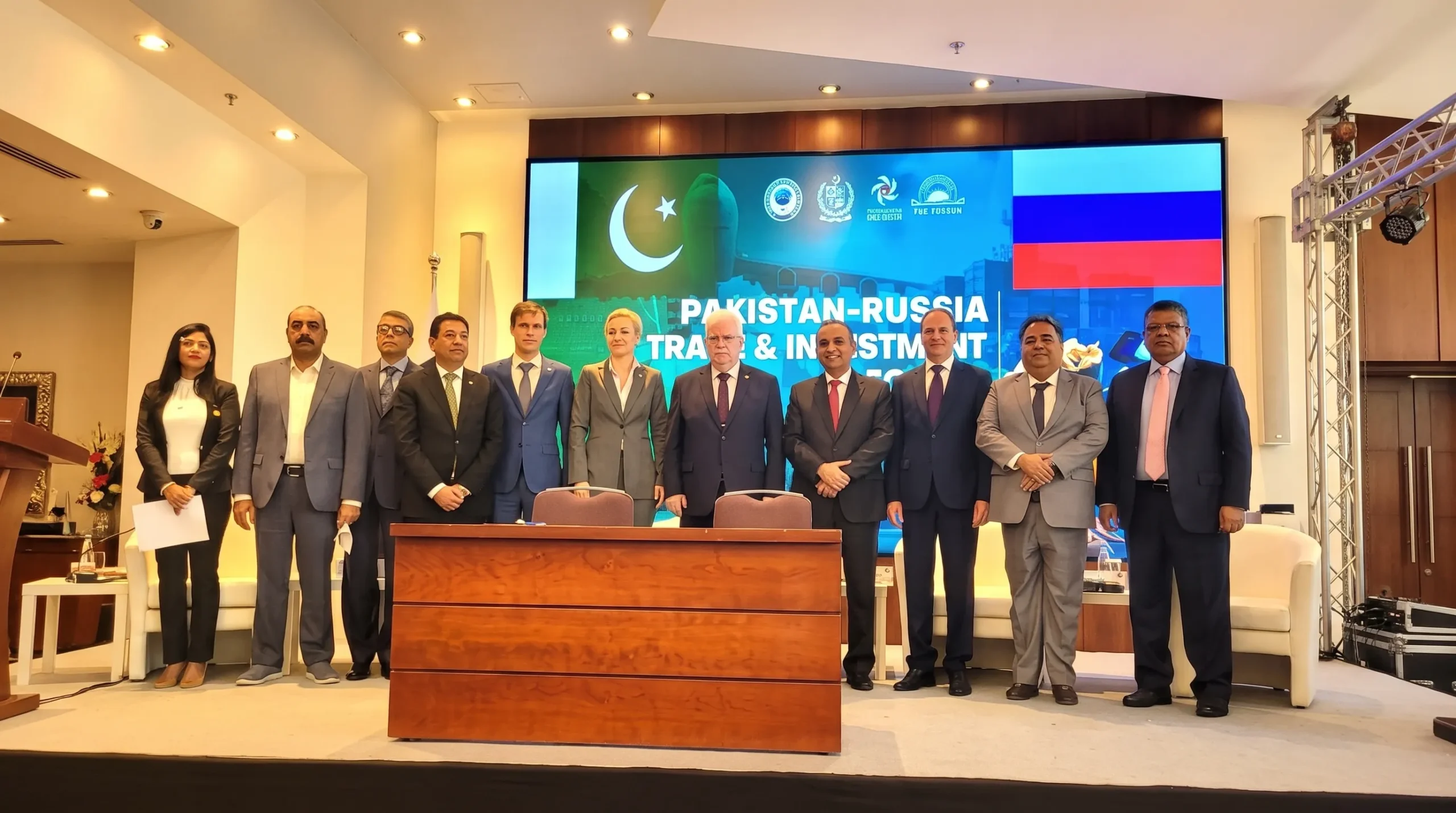
The accompanying delegation is expected to include business leaders who will have an opportunity to explore commercial connections with Russian counterparts. The joint business forum is intended to provide a platform for discussions on trade, investment and potential partnerships between companies from both countries.
The gathering will bring private-sector interests alongside official diplomatic engagements, allowing business representatives to discuss opportunities beyond government-level negotiations. Such interactions can help companies identify potential markets, establish contacts and explore areas of mutual commercial interest.
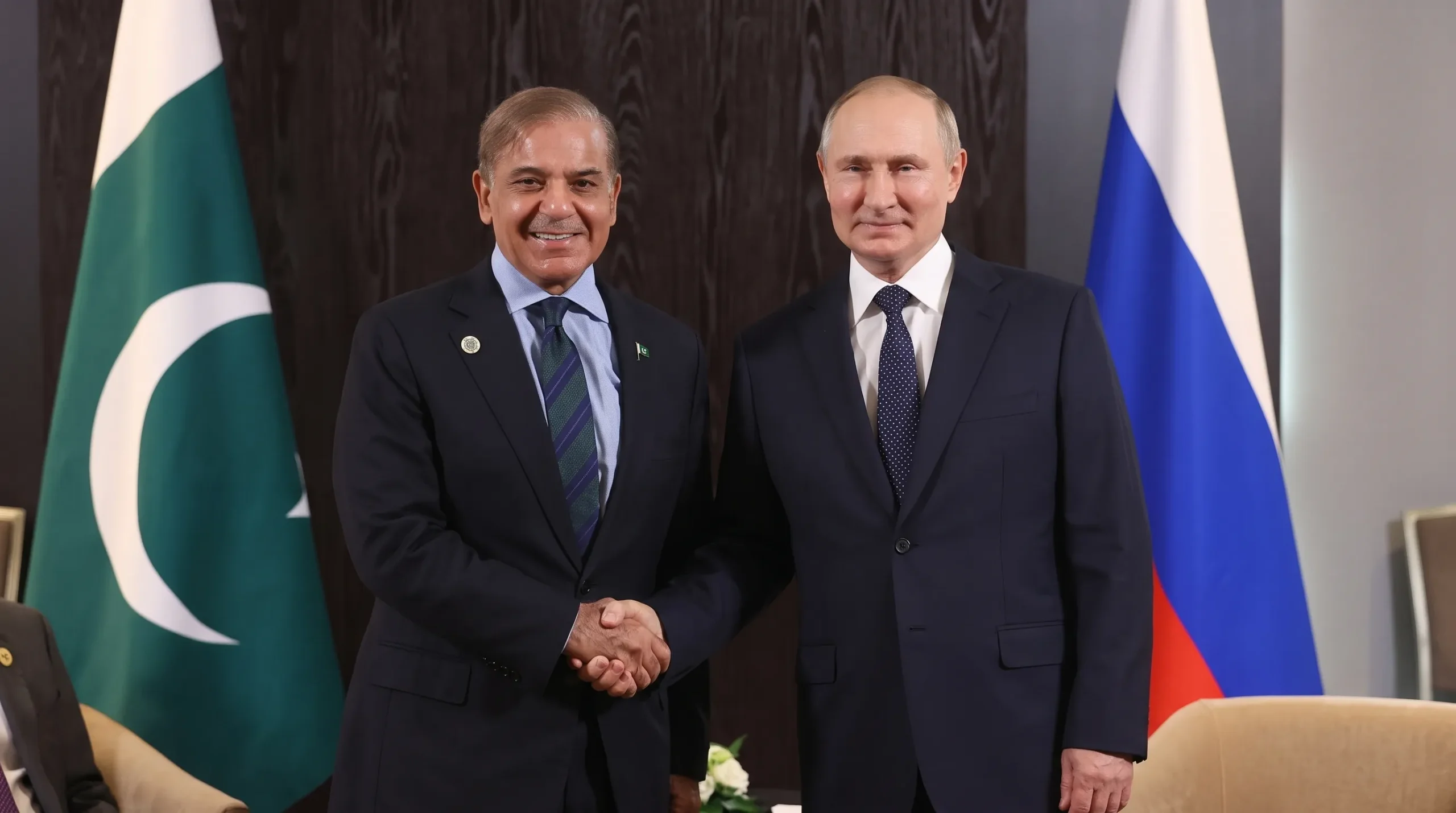
A meeting between Shehbaz Sharif and Russian President Vladimir Putin is also planned during the Moscow visit. The discussions are expected to provide an opportunity for both leaders to review relations and explore ways to expand cooperation between their countries.
Pakistan and Russia have been engaging through diplomatic meetings and bilateral forums, with trade and economic cooperation forming important parts of their relationship. The upcoming visit could provide further momentum to these discussions by bringing government representatives and business leaders together.

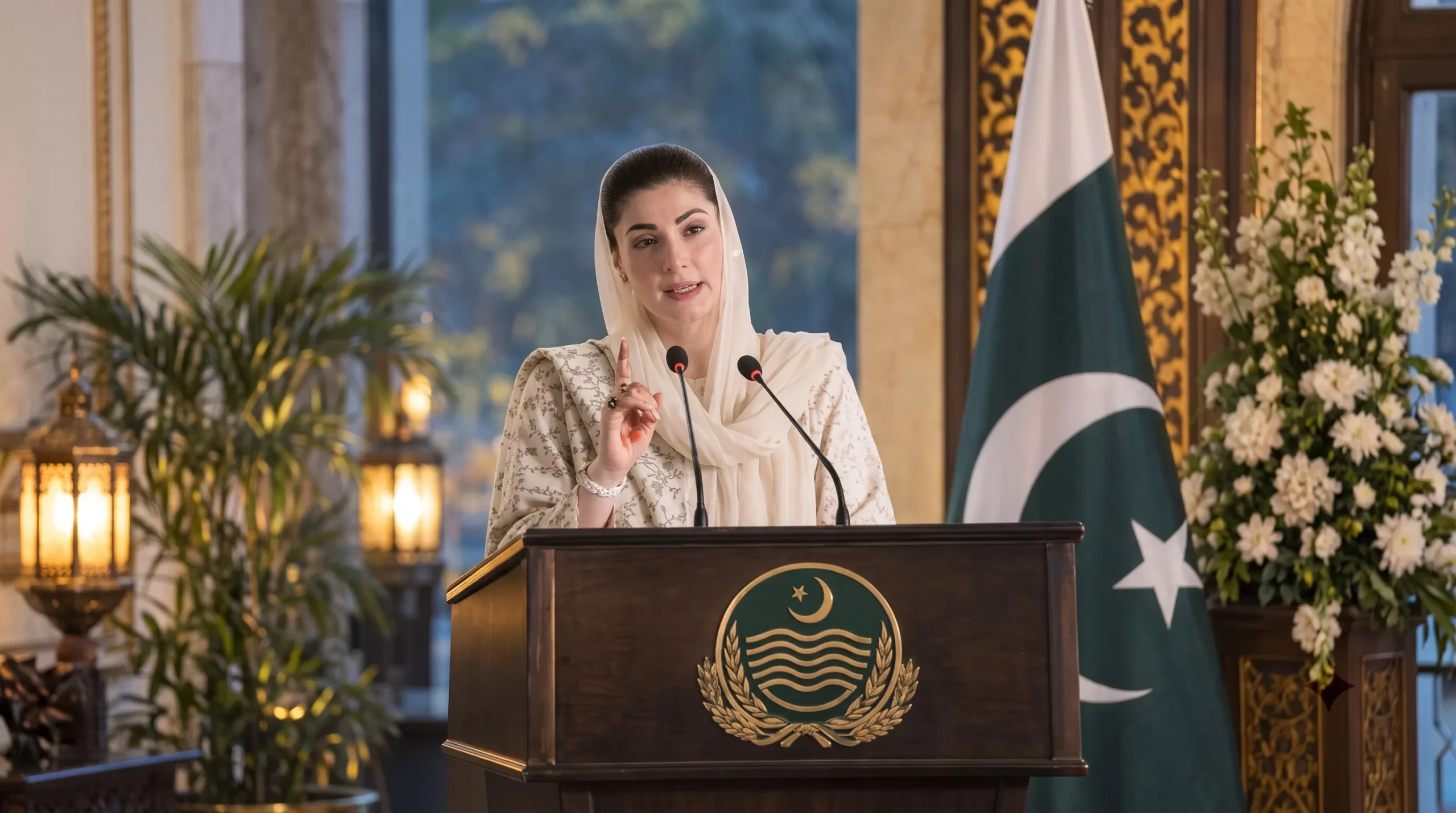
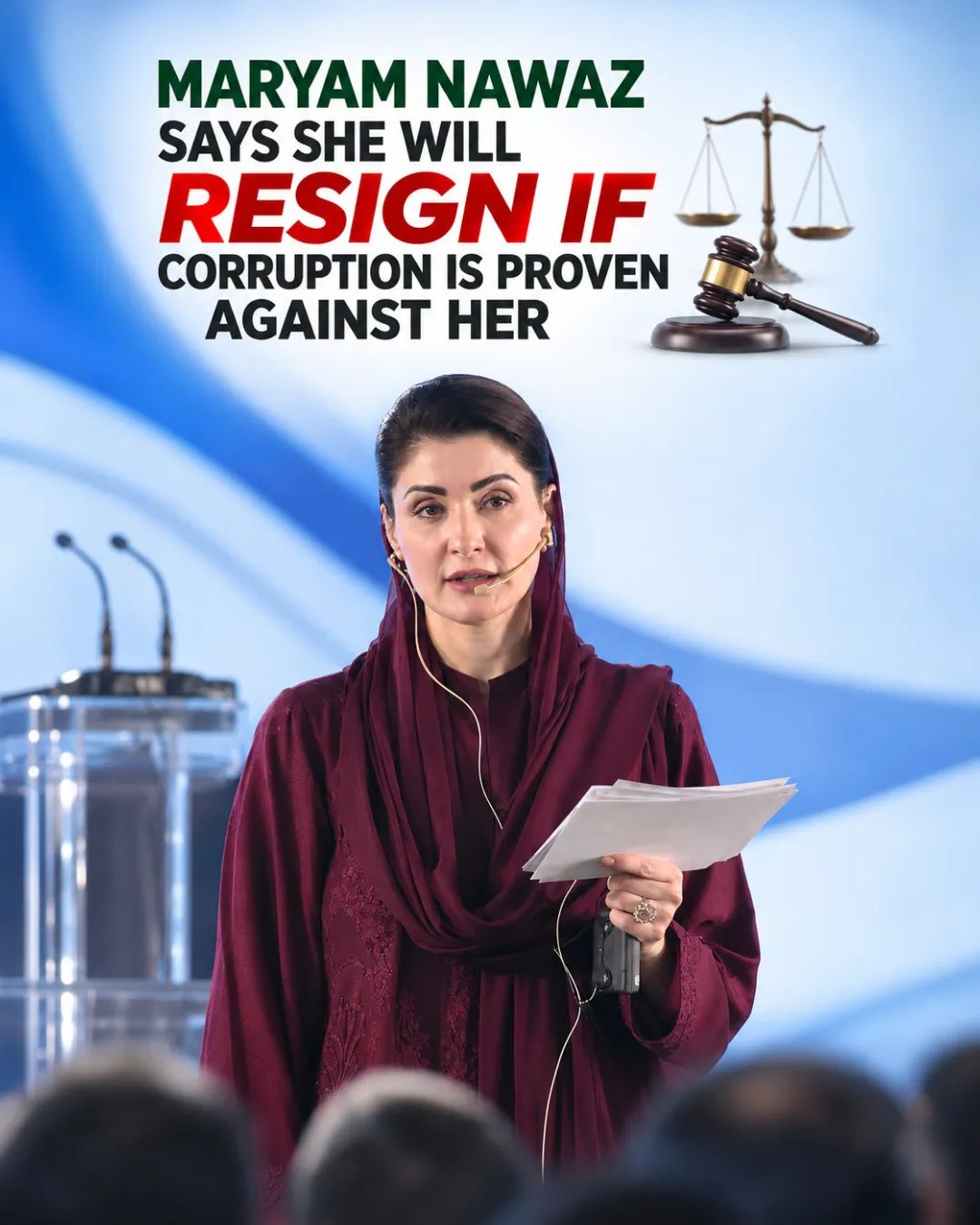
Punjab Chief Minister Maryam Nawaz has publicly offered to leave her position if anyone establishes that she was involved in even a single rupee of corruption.
She made the statement while addressing an official ceremony in Lahore on October 30, 2026, where she discussed governance, public accountability and the province's economic direction.
During her address, she presented the elimination of corruption as a major priority for her administration. She also maintained that government officials found accepting bribes were facing disciplinary action, including dismissal from service.
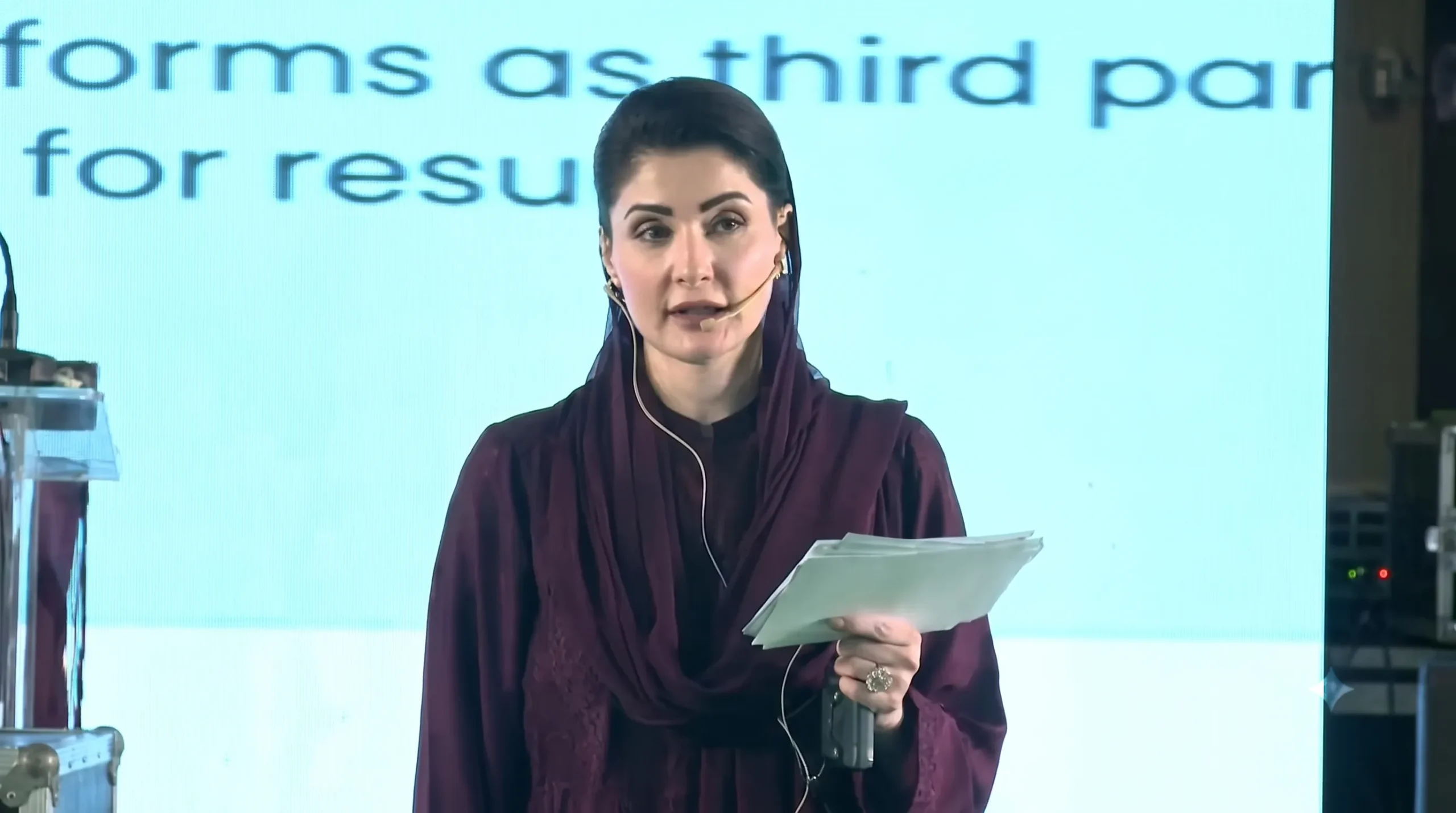
Maryam Nawaz acknowledged that corruption has not completely disappeared from Punjab's government departments. She noted that citizens still encounter situations where officials demand money before completing routine administrative work, despite their entitlement to receive public services.
She said her government was working to change these practices by taking action against employees involved in bribery. According to her, officials caught accepting illegal payments were being removed from their positions, with enforcement efforts continuing across different departments.
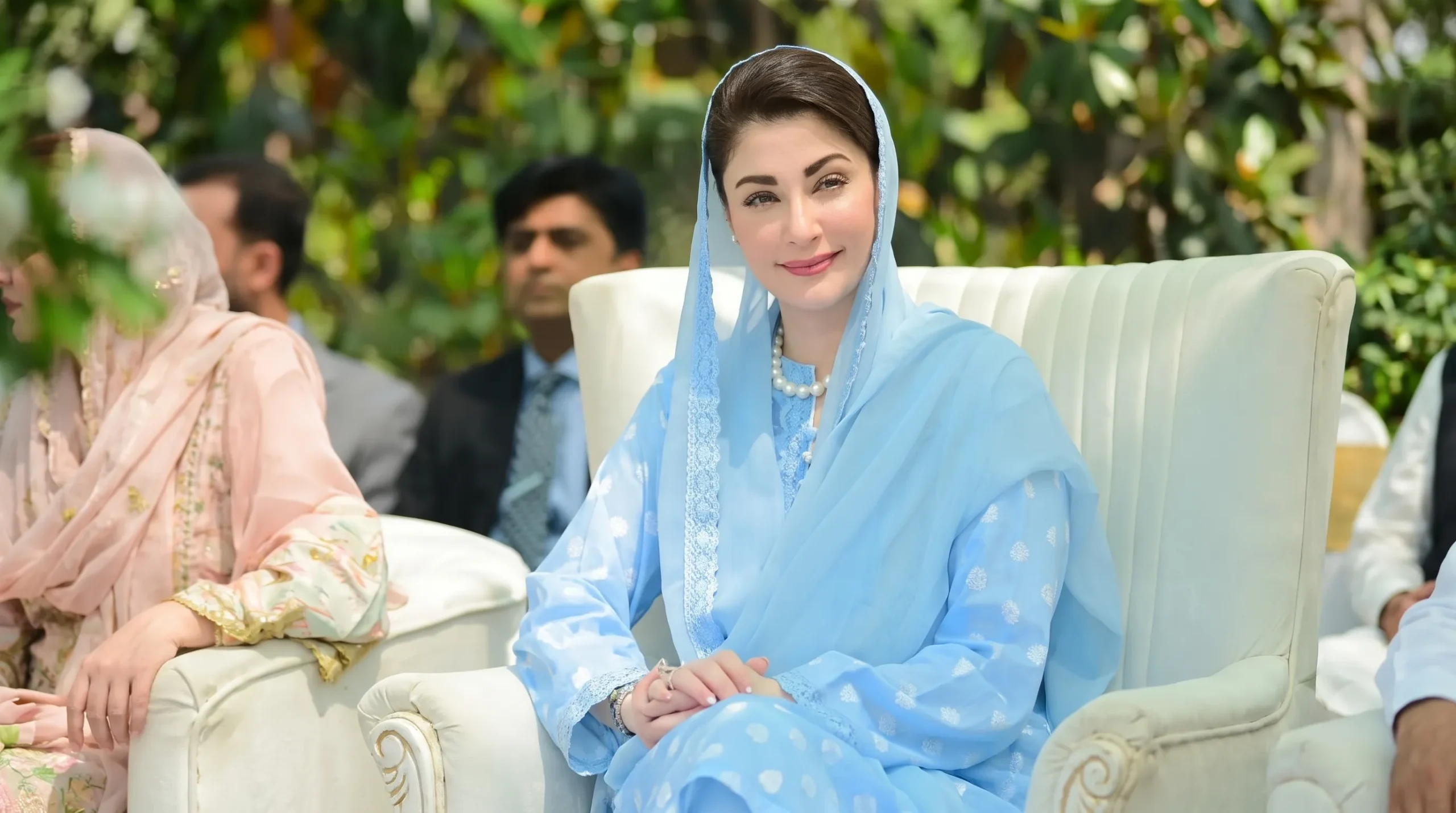
Turning to Punjab's economic outlook, the chief minister argued that a peaceful environment was essential for attracting investment and allowing businesses to operate. She questioned how industrial workers could maintain their routines when protests, road blockages and damage to public infrastructure disrupted everyday activities.
She also highlighted her government's actions against illegal land occupation and market encroachments, claiming that long-standing occupations had been cleared and commercial areas expanded. She described these measures as part of wider administrative changes across the province.

Pakistan's automotive industry has taken a step into Southeast Asia as locally manufactured electric rickshaws make their way into the Philippine market.
The development was marked by the opening of a new manufacturing facility, where Philippine President Ferdinand Marcos Jr. attended the inauguration.
During the event, Marcos personally got behind the wheel of one of the Pakistani-made vehicles and took it for a drive. His participation brought attention to the new transport option and its introduction in the country.

The new facility, established in Biñan, Laguna, will serve as Sazgar's production base in the Philippines. The Pakistani manufacturer plans to produce up to 12,000 three-wheelers annually, offering both electric and conventional fuel-powered models.
Electric vehicles are expected to make up the larger portion of production, reflecting the company's focus on introducing alternative transport options. The remaining capacity will be dedicated to conventional models, giving customers access to different vehicle choices.
The project is also expected to support the local economy through employment opportunities and partnerships with Filipino suppliers.
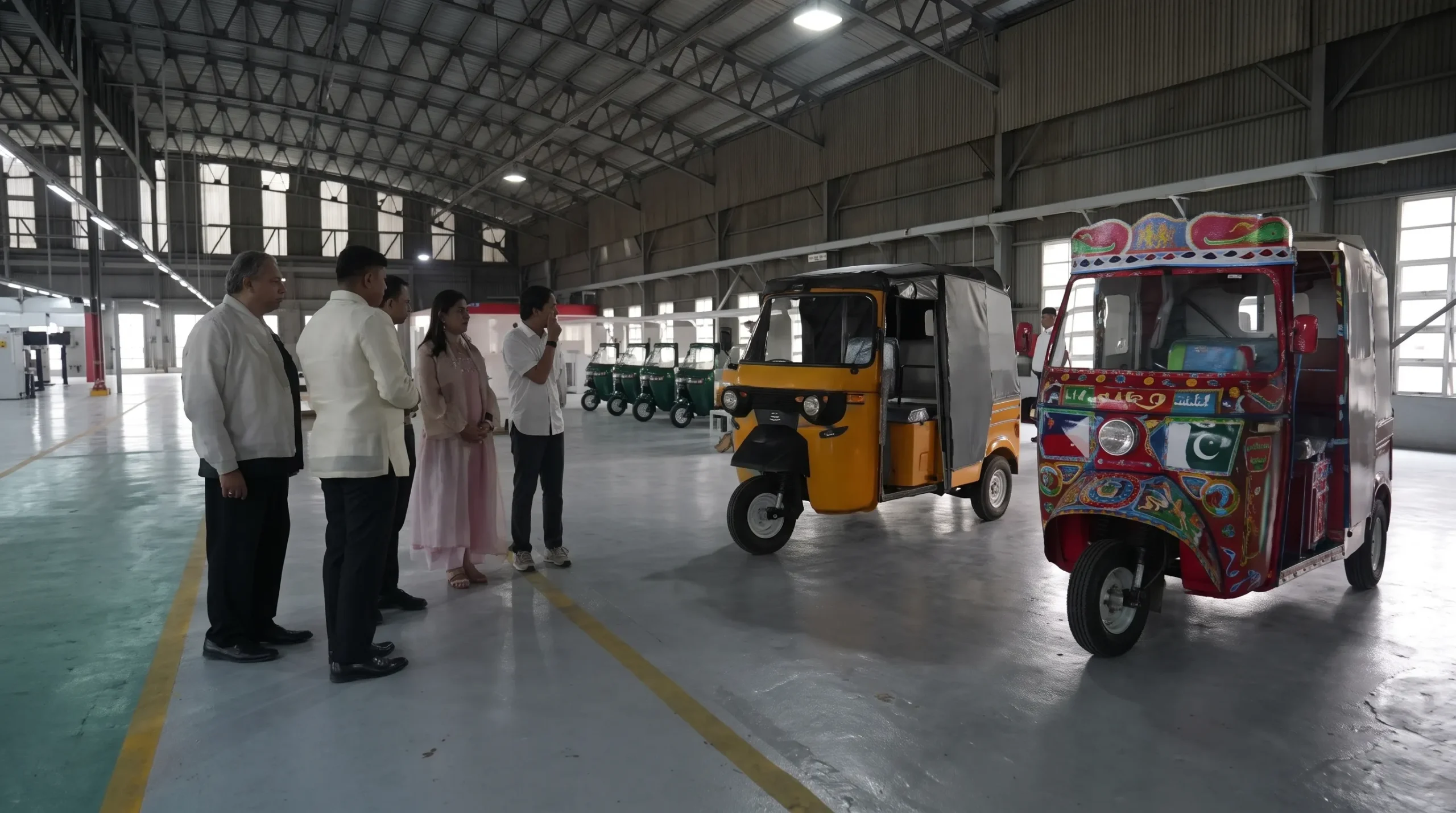
The Philippine facility gives Sazgar an opportunity to establish a stronger international presence and reach customers beyond Pakistan. Its new location could also serve as a starting point for expanding into other Southeast Asian markets.
For the Philippines, the introduction of electric three-wheelers offers another option for drivers looking to explore alternatives to conventional fuel-powered transport. Lower running expenses and the shift towards electric mobility make such vehicles relevant to the country's changing transportation needs.
The expansion also highlights the potential of Pakistani manufacturers to compete beyond domestic markets.


Jump in, have fun and save your progress by signing in!

 Save Progress
Never lose it
 Daily Rewards
Collect free coins
 Leaderboards
Compete & rank up
Already have an account? Log in
By continuing you agree to our Terms and Privacy Policy.