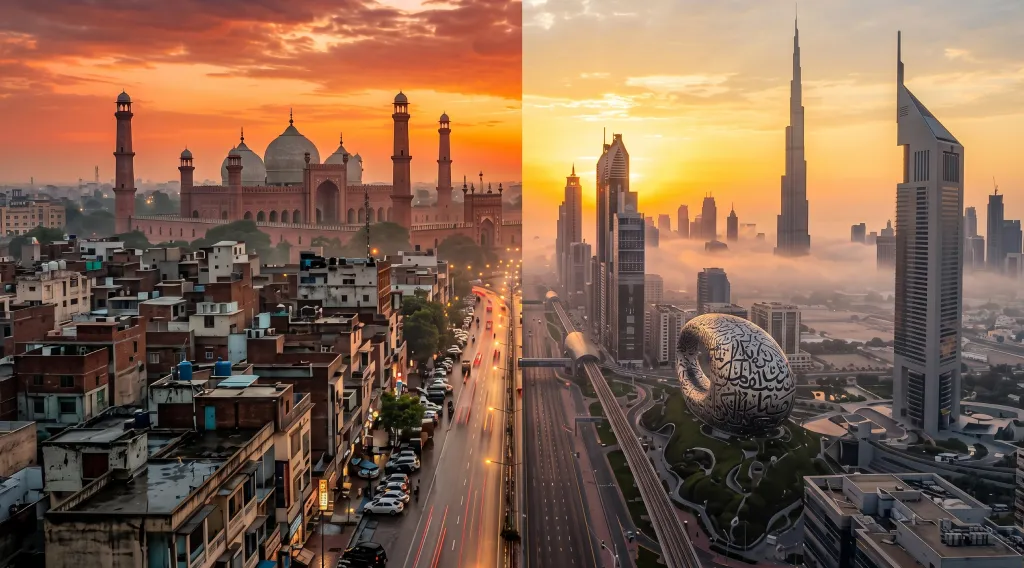
Lahore has recorded a noticeable improvement in air quality, with its AQI reaching 89 and moving into the moderate category. The reading places the city in a considerably better position than it is often associated with during peak smog periods.
At the time of the reading, Lahore ranked 17th among major polluted cities monitored by IQAir. Its AQI was also lower than Dubai’s 102 and Riyadh’s 99, making the comparison particularly noteworthy for a city that regularly battles deteriorating winter air.
While the improvement may be temporary, the latest numbers offer an encouraging snapshot of cleaner conditions in Lahore.

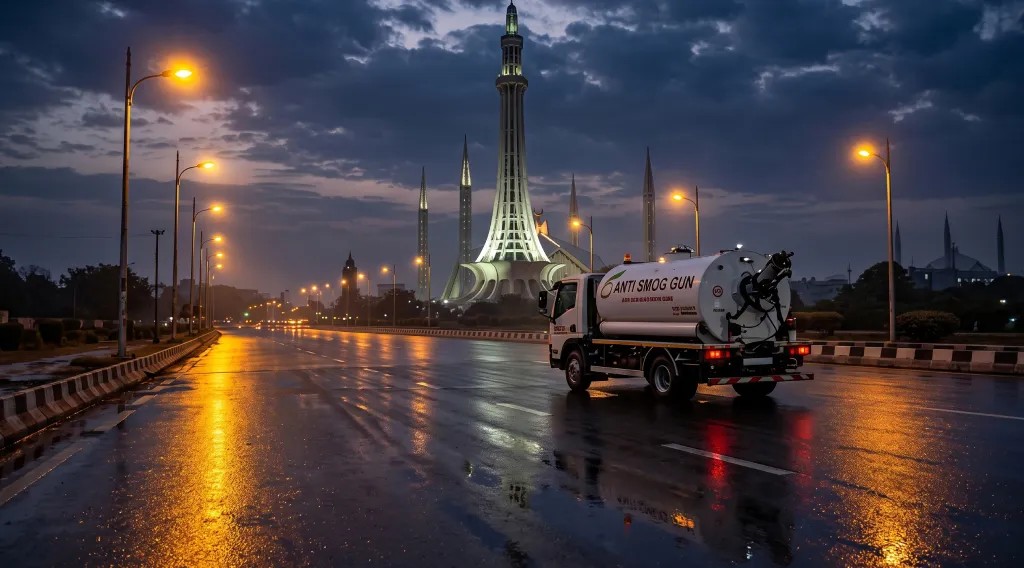
Lahore’s better reading comes as weather conditions appear to be working in the city’s favour. Recent rainfall can help remove some pollutants from the atmosphere, while stronger or changing winds can disperse particles that would otherwise remain concentrated over urban areas.
These natural factors may have contributed to the lower AQI recorded in recent days. However, weather driven improvements can change quickly, meaning a cleaner reading today does not necessarily indicate that Lahore’s wider pollution problem has been solved.
Still, the temporary improvement provides a useful reminder of how environmental conditions can influence the air millions breathe.
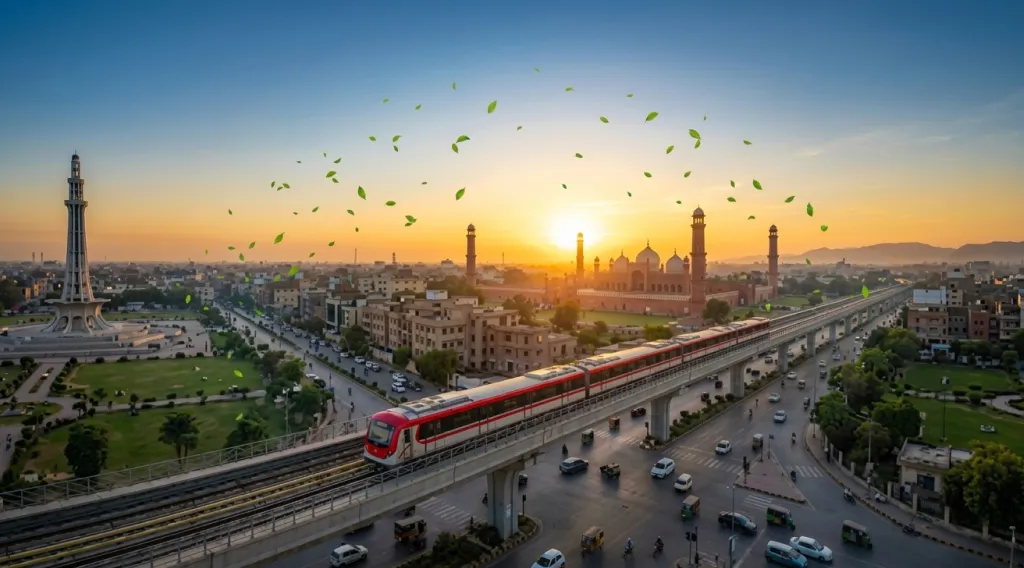
The latest AQI reading is encouraging, but maintaining healthier air will require progress that continues after the weather changes. Lahore still faces pollution from traffic, industrial activity and other urban sources that can push air quality down again.
Long term improvement could come through cleaner public transport, wider adoption of electric vehicles and more efficient traffic management. Stronger monitoring and enforcement of emission standards can also help reduce pollution from vehicles and industrial facilities.
With winter approaching, authorities are continuing anti smog measures.
Lahore has recorded a noticeable improvement in air quality, with its AQI reaching 89 and moving into the “moderate” category.
Lahore has recorded a noticeable improvement in air quality, with its AQI reaching 89 and moving into the moderate category. The reading places the city in a considerably better position than it is often associated with during peak smog periods.
At the time of the reading, Lahore ranked 17th among major polluted cities monitored by IQAir. Its AQI was also lower than Dubai’s 102 and Riyadh’s 99, making the comparison particularly noteworthy for a city that regularly battles deteriorating winter air.
While the improvement may be temporary, the latest numbers offer an encouraging snapshot of cleaner conditions in Lahore.
Lahore’s better reading comes as weather conditions appear to be working in the city’s favour. Recent rainfall can help remove some pollutants from the atmosphere, while stronger or changing winds can disperse particles that would otherwise remain concentrated over urban areas.
These natural factors may have contributed to the lower AQI recorded in recent days. However, weather driven improvements can change quickly, meaning a cleaner reading today does not necessarily indicate that Lahore’s wider pollution problem has been solved.
Still, the temporary improvement provides a useful reminder of how environmental conditions can influence the air millions breathe.
The latest AQI reading is encouraging, but maintaining healthier air will require progress that continues after the weather changes. Lahore still faces pollution from traffic, industrial activity and other urban sources that can push air quality down again.
Long term improvement could come through cleaner public transport, wider adoption of electric vehicles and more efficient traffic management. Stronger monitoring and enforcement of emission standards can also help reduce pollution from vehicles and industrial facilities.
With winter approaching, authorities are continuing anti smog measures.