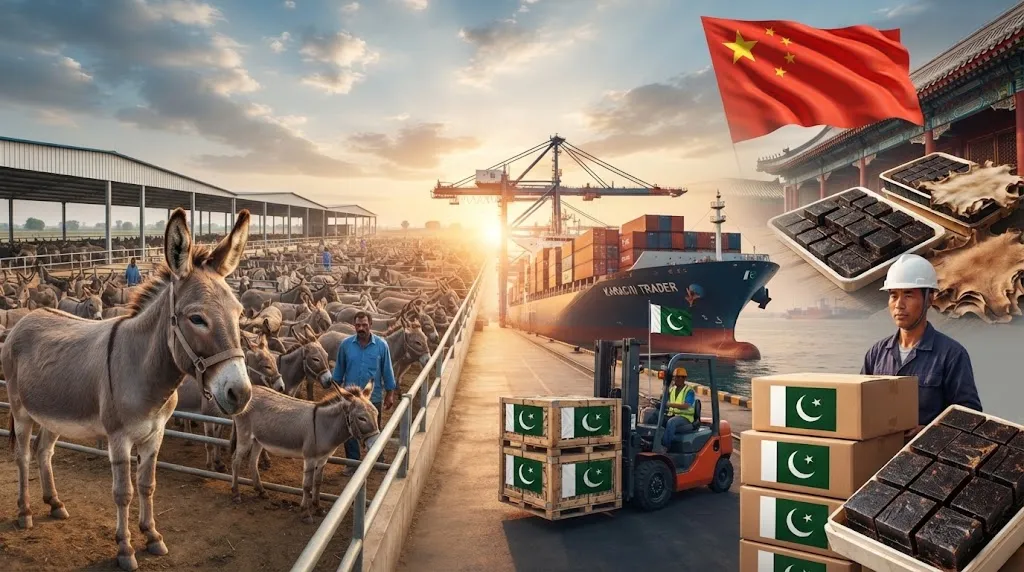
Pakistan is exploring a less conventional corner of international trade, with 81 tonnes of donkey-derived products shipped to China through Gwadar. The consignment, reported on October 5, 2026, included meat, bones and hides, adding another category to the country's export activity.
The shipment was handled by Hangeng, a Chinese company operating in Gwadar's North Free Zone. It was divided into three consignments of 27 tonnes each, with the products transported by sea after completing the required export and customs procedures. The development places Gwadar at the centre of a specialised trade opportunity.

Demand from China is a key driver of this trade. Donkey hides are used to manufacture ejiao, a traditional Chinese gelatin product, while donkey meat also has a market in parts of the country. These established uses create commercial opportunities for exporters able to meet buyers' requirements.
Gwadar's emerging processing industry is designed to serve this demand. A modern donkey slaughterhouse developed with Chinese involvement was reportedly completed in 2025, with an investment of $50 million. Such infrastructure can support the processing of raw livestock resources into products prepared for international trade.
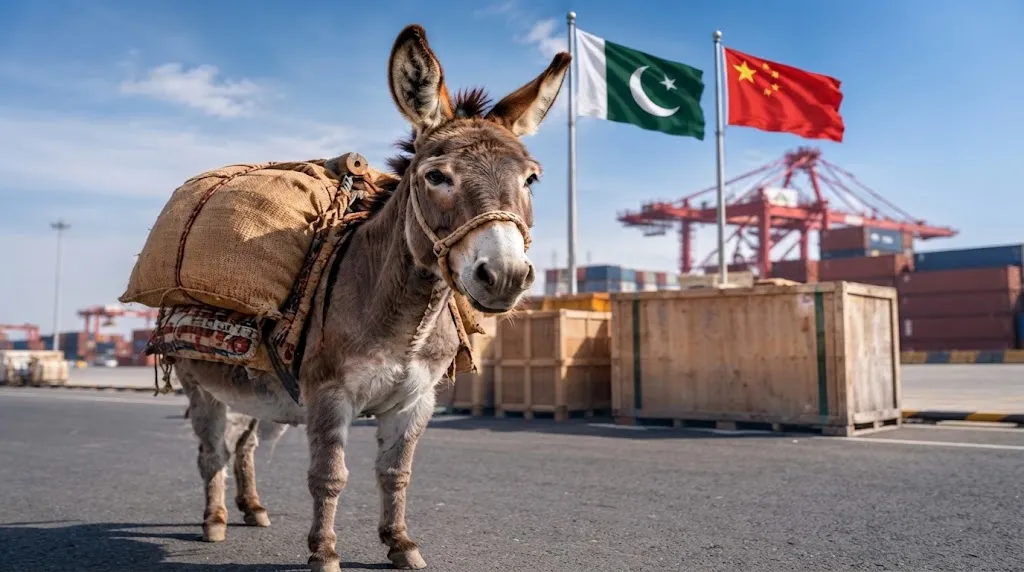
Pakistan's donkey population was reported at approximately 5.8 million, providing a substantial livestock base for potential commercial activity. But population size alone does not guarantee export success. Processing capacity, animal health standards and responsible sourcing will all influence the industry's ability to grow.
Gwadar's location and port infrastructure offer a practical advantage for reaching Chinese buyers. If exporters can maintain product quality and establish dependable trade relationships, the sector could create opportunities across livestock management, processing, logistics and international shipping.
Pakistan is exploring a less conventional corner of international trade, with 81 tonnes of donkey-derived products shipped to China through Gwadar.
Pakistan is exploring a less conventional corner of international trade, with 81 tonnes of donkey-derived products shipped to China through Gwadar. The consignment, reported on October 5, 2026, included meat, bones and hides, adding another category to the country's export activity.
The shipment was handled by Hangeng, a Chinese company operating in Gwadar's North Free Zone. It was divided into three consignments of 27 tonnes each, with the products transported by sea after completing the required export and customs procedures. The development places Gwadar at the centre of a specialised trade opportunity.
Demand from China is a key driver of this trade. Donkey hides are used to manufacture ejiao, a traditional Chinese gelatin product, while donkey meat also has a market in parts of the country. These established uses create commercial opportunities for exporters able to meet buyers' requirements.
Gwadar's emerging processing industry is designed to serve this demand. A modern donkey slaughterhouse developed with Chinese involvement was reportedly completed in 2025, with an investment of $50 million. Such infrastructure can support the processing of raw livestock resources into products prepared for international trade.
Pakistan's donkey population was reported at approximately 5.8 million, providing a substantial livestock base for potential commercial activity. But population size alone does not guarantee export success. Processing capacity, animal health standards and responsible sourcing will all influence the industry's ability to grow.
Gwadar's location and port infrastructure offer a practical advantage for reaching Chinese buyers. If exporters can maintain product quality and establish dependable trade relationships, the sector could create opportunities across livestock management, processing, logistics and international shipping.



