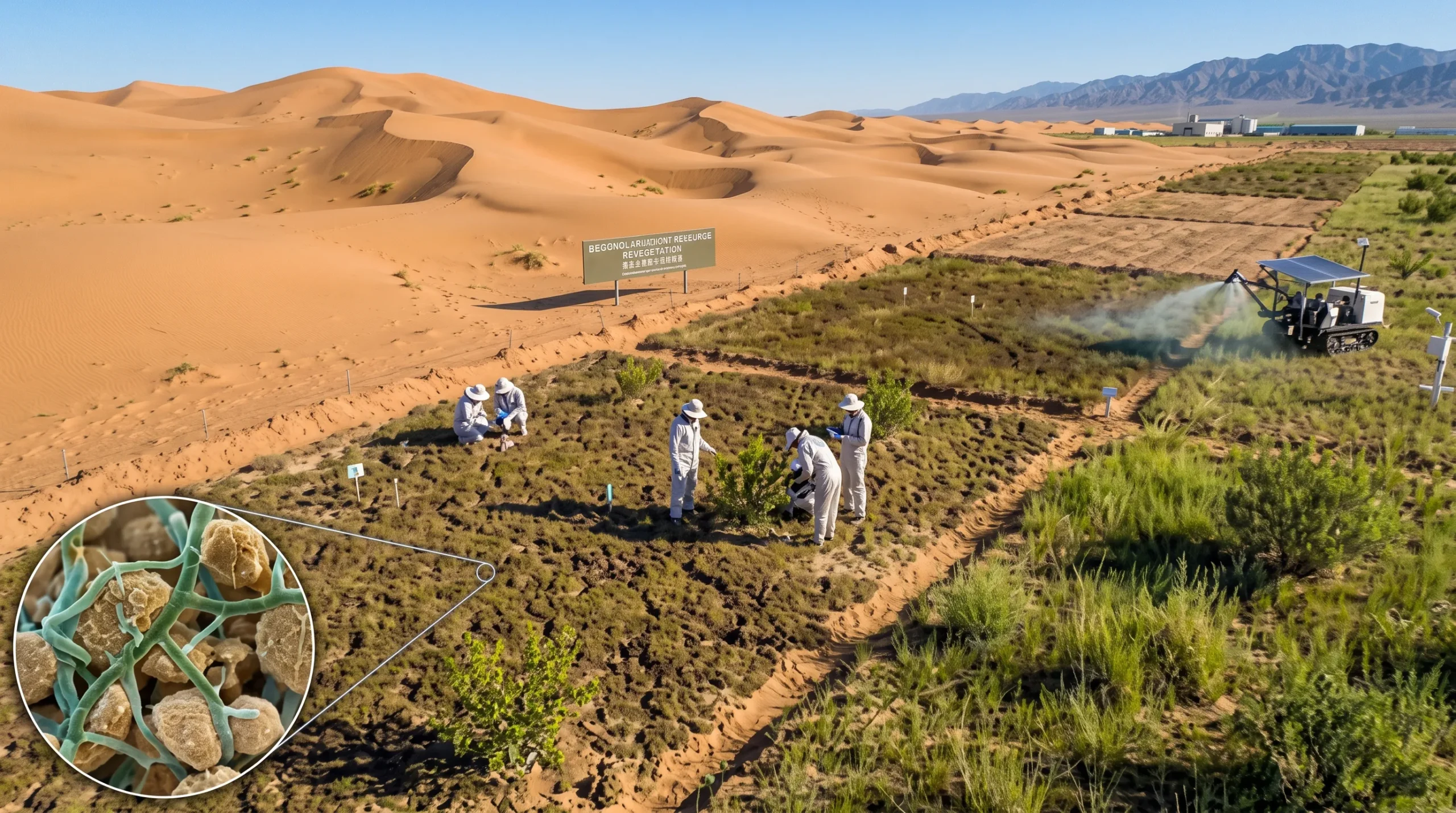
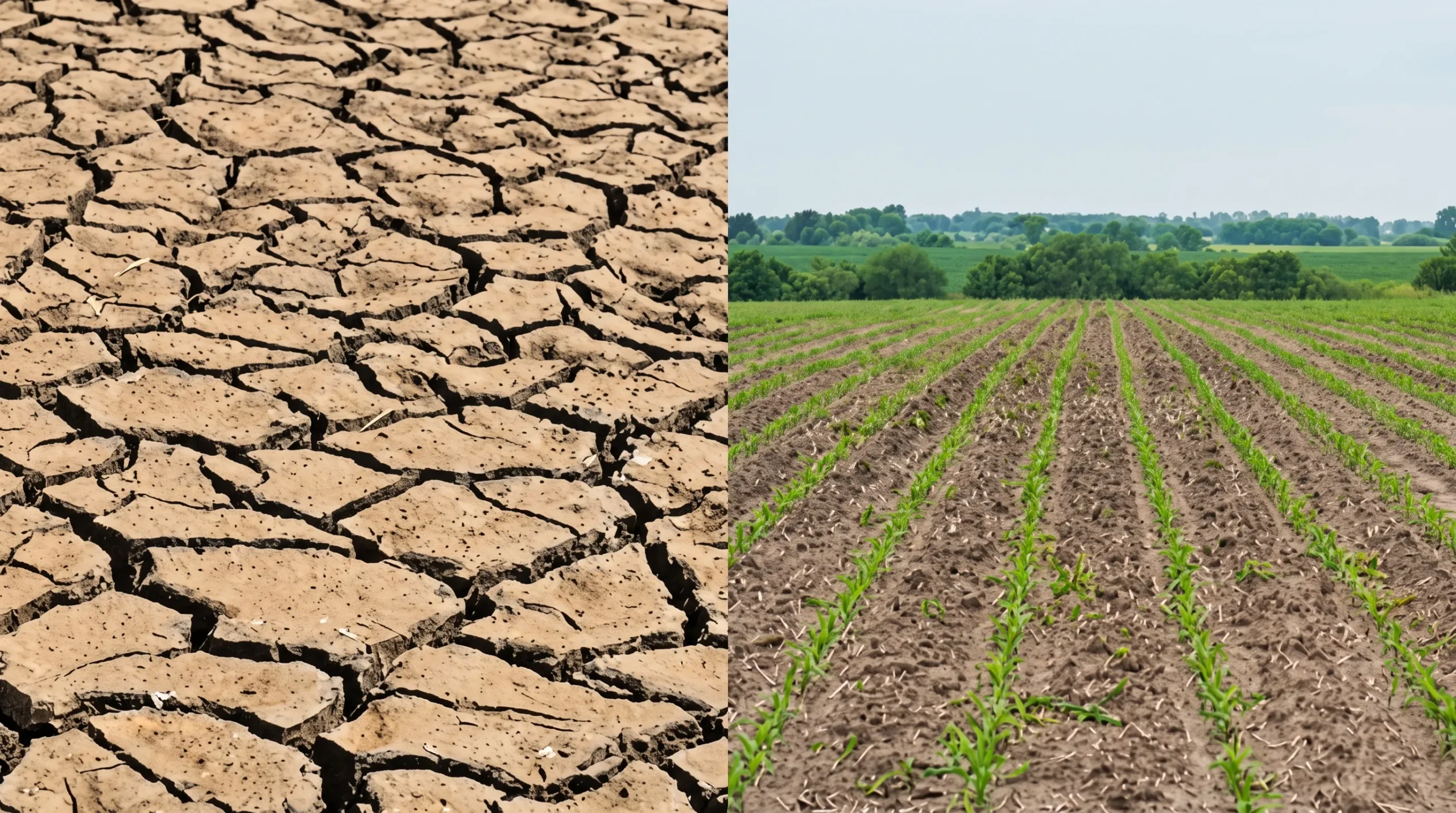


In China’s Ningxia region, agricultural researchers have found ways to grow crops on land where excessive salt once made farming difficult.
The work has helped turn previously unproductive fields into a growing agricultural enterprise centred on goji berries, a fruit widely used in food and traditional wellness products.
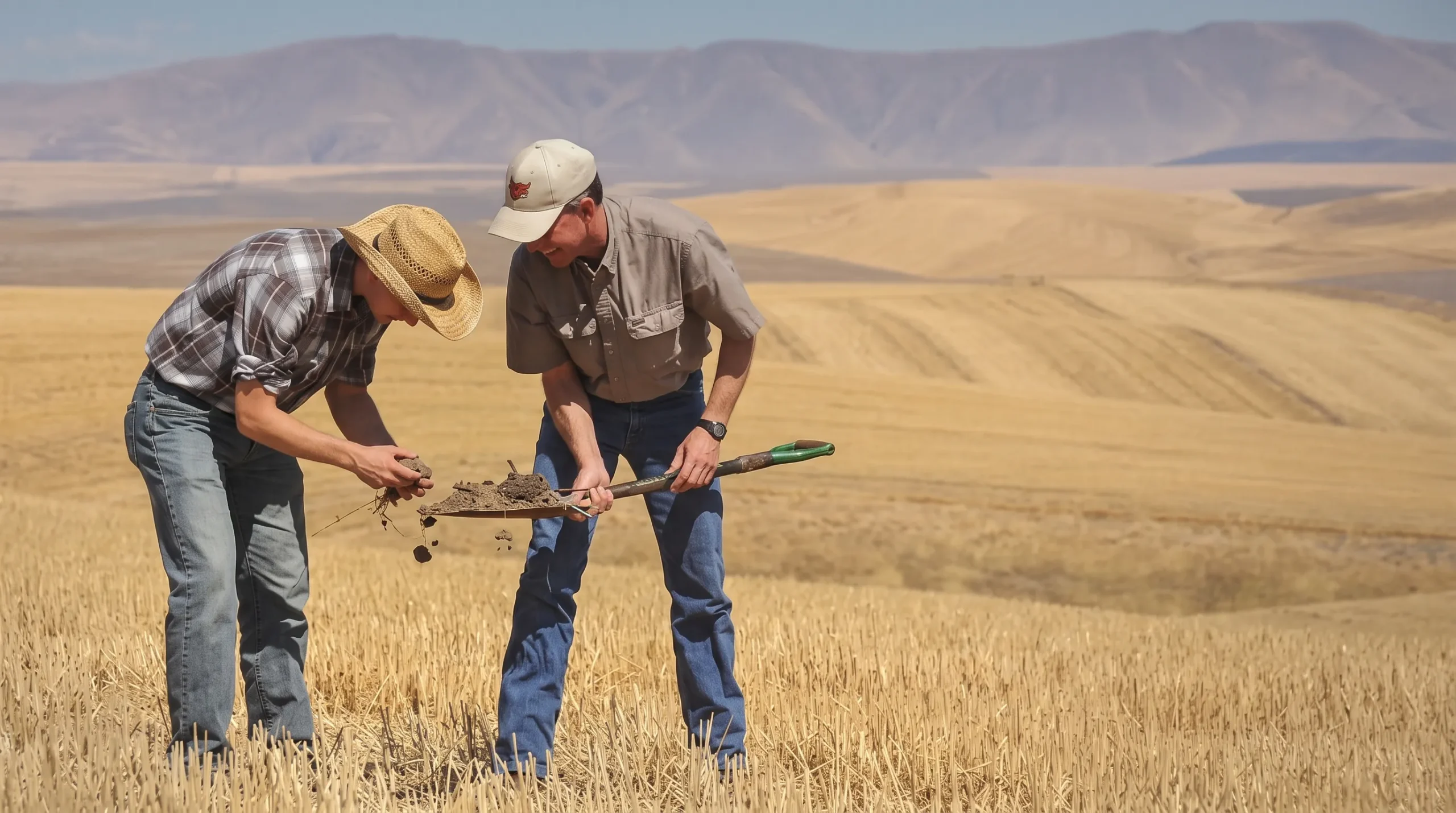
The change has required more than simply planting new crops. Researchers have focused on improving the condition of the soil itself, developing methods that allow plants to survive in an environment where high salinity would otherwise restrict their growth.

Protecting the crops has also involved a different approach to pest management. Rather than depending entirely on chemical pesticides, the farm uses parasitoid wasps that target harmful insects and help prevent damage to the goji berry plants.
The reported effectiveness of this biological method exceeds 90 per cent, demonstrating its potential as part of an integrated crop-protection system. Such techniques can help farmers manage pests while reducing their reliance on chemical treatments.

The benefits of the project can be seen in the survival rate of the crops. According to the report, the proportion of plants surviving cultivation increased from 40 per cent to 95 per cent after the introduction of improved farming methods.
The wider goji berry sector has also become an important part of Ningxia’s agricultural economy. The region produces around 200,000 tonnes of fresh goji berries each year, with its products supplied to more than 50 countries and regions.





