0
August 8, 2026
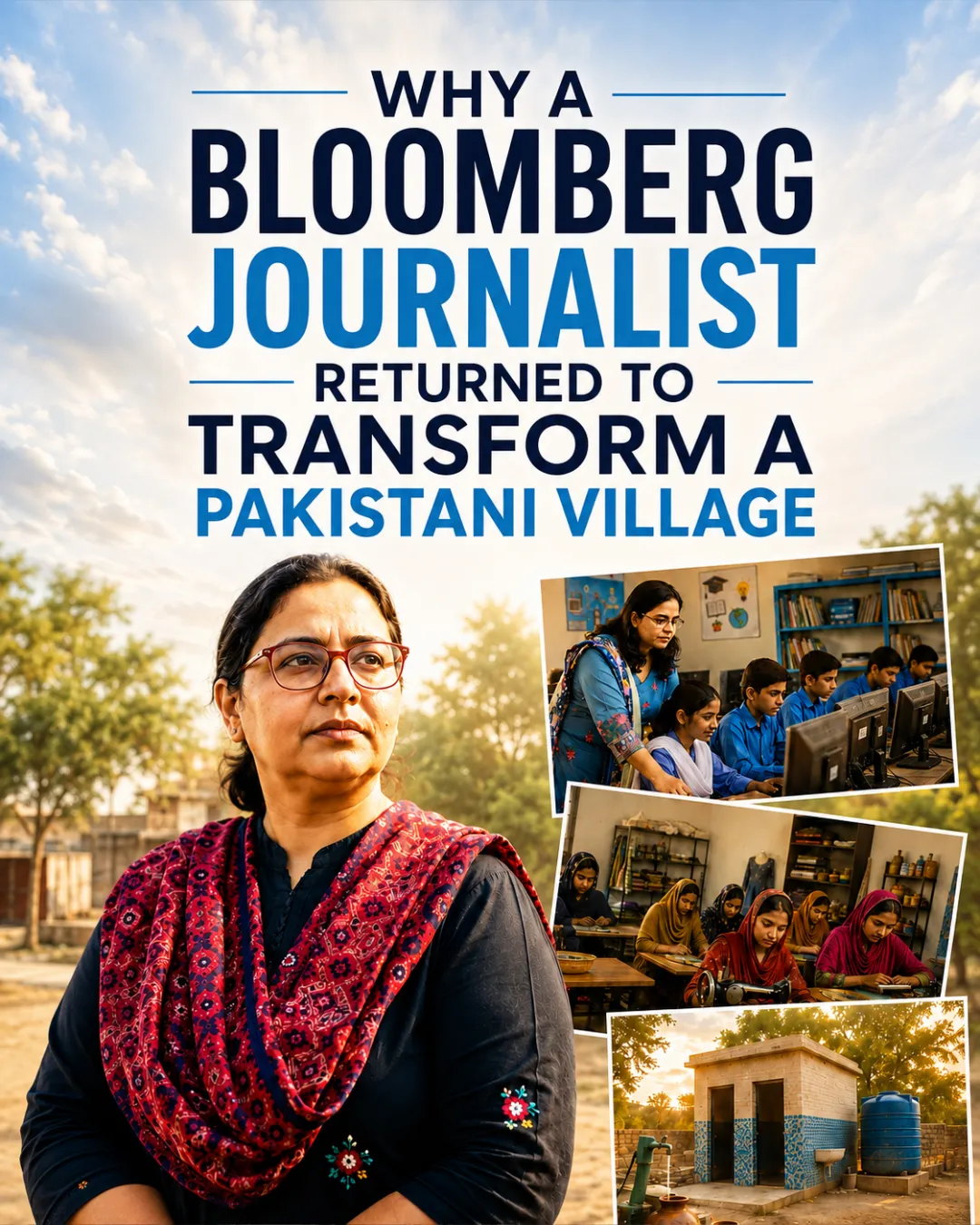
Why a Bloomberg Journalist Returned to Transform a Pakistani Village
Naween Mangi built a successful international career as a journalist, working with Bloomberg in New…

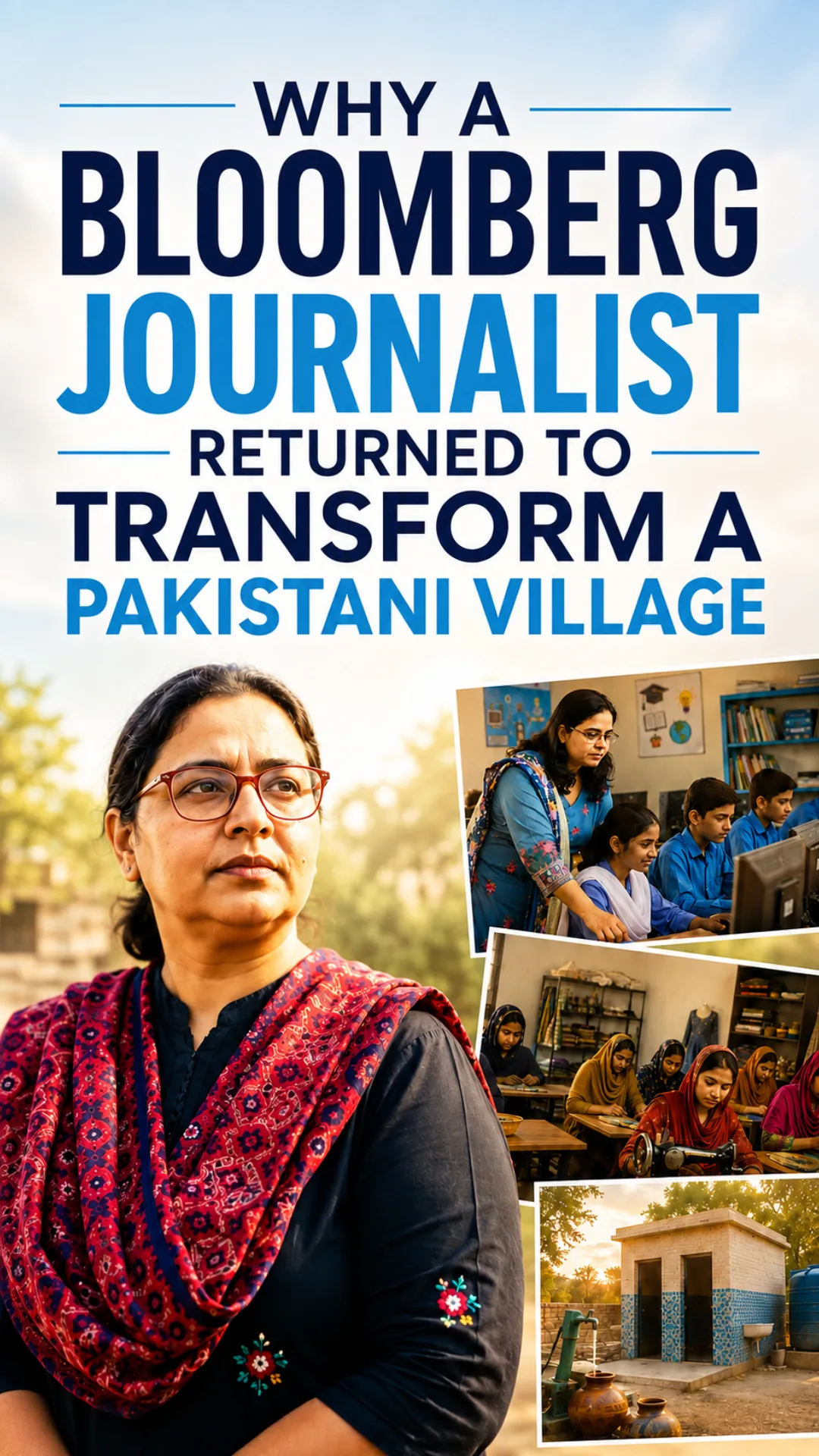
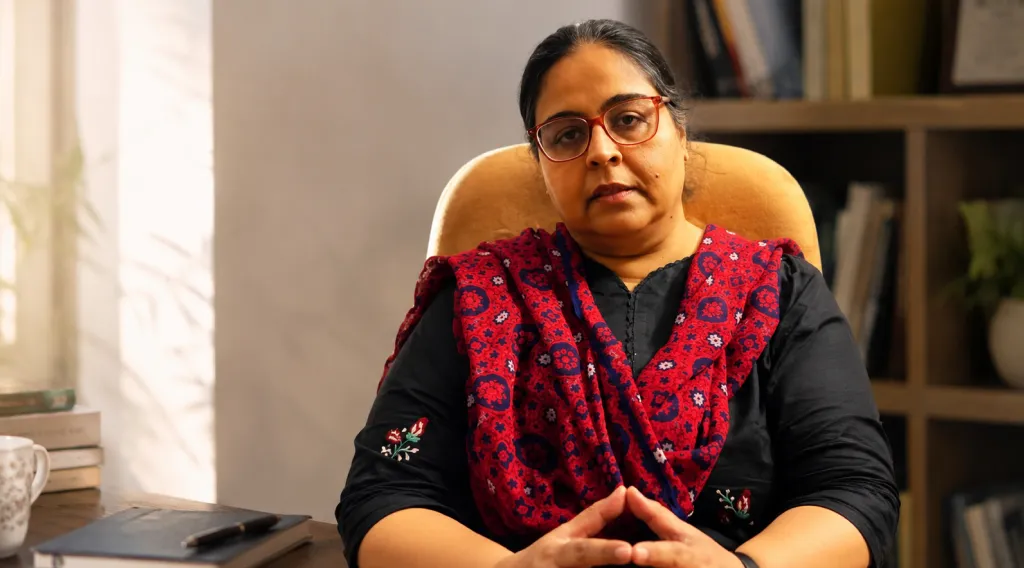
Naween Mangi built a successful international career as a journalist, working with Bloomberg in New York and covering some of the world's most important financial and economic stories.
Yet despite her professional achievements, she remained deeply connected to her ancestral village of Khairo Dero in Sindh.
Recognizing the challenges faced by rural communities, including limited access to education, clean water, and economic opportunities, she decided to invest her time, resources, and expertise where she believed they could make the greatest difference.
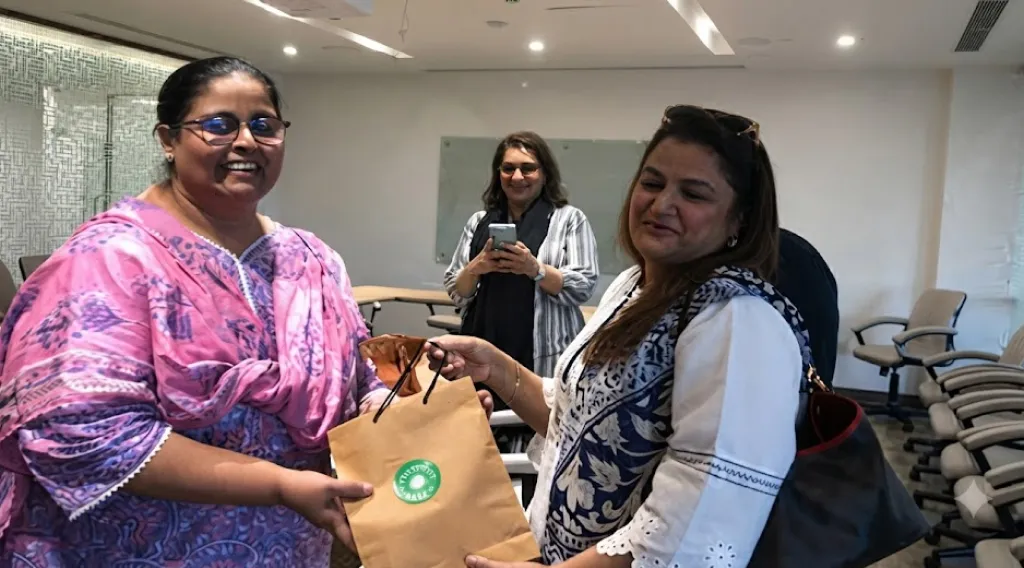
To address the village's long-standing challenges, Naween Mangi established the Khairo Dero Foundation, a nonprofit organization focused on improving quality of life through education, health, infrastructure, and economic empowerment.
Rather than pursuing short-term assistance, the foundation emphasized sustainable community development. Its initiatives included improving access to clean drinking water, introducing modern sanitation facilities, supporting healthcare services, and creating safer living conditions for local families.
These improvements addressed essential needs that directly affect public health and wellbeing.
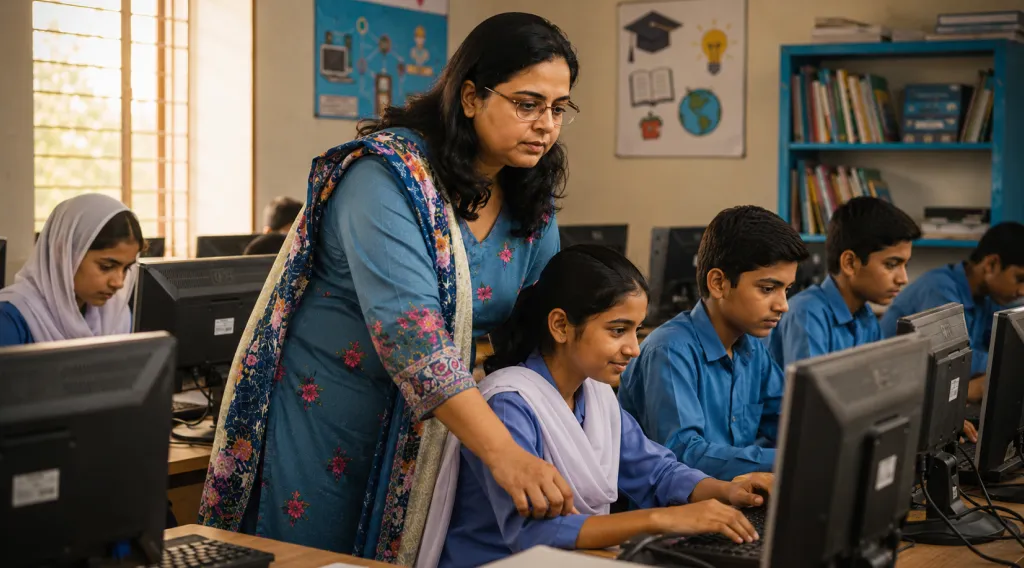
Education became one of the foundation's highest priorities. Schools were expanded and strengthened to provide children with quality learning opportunities, while computer laboratories introduced students to essential digital skills that are increasingly important in today's world.
The foundation also invested in teacher development, learning resources, and modern educational facilities to improve classroom experiences and encourage continued learning.
These efforts helped students build confidence while preparing them for higher education and future employment.
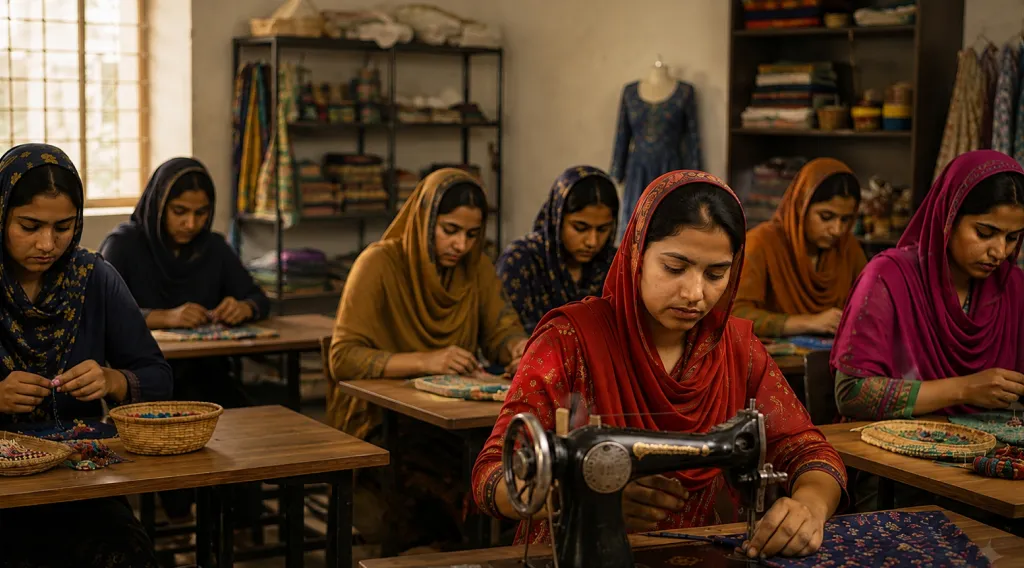
Recognizing that education alone cannot eliminate poverty, the Khairo Dero Foundation also established vocational training programs that equip community members with practical skills for employment and entrepreneurship.
Women and young adults gained opportunities to develop abilities that could generate sustainable incomes. Training programs focused on marketable skills, financial independence, and confidence building, allowing many participants to contribute more actively to their households and local economy.
Economic empowerment became an important part of the village's broader transformation.
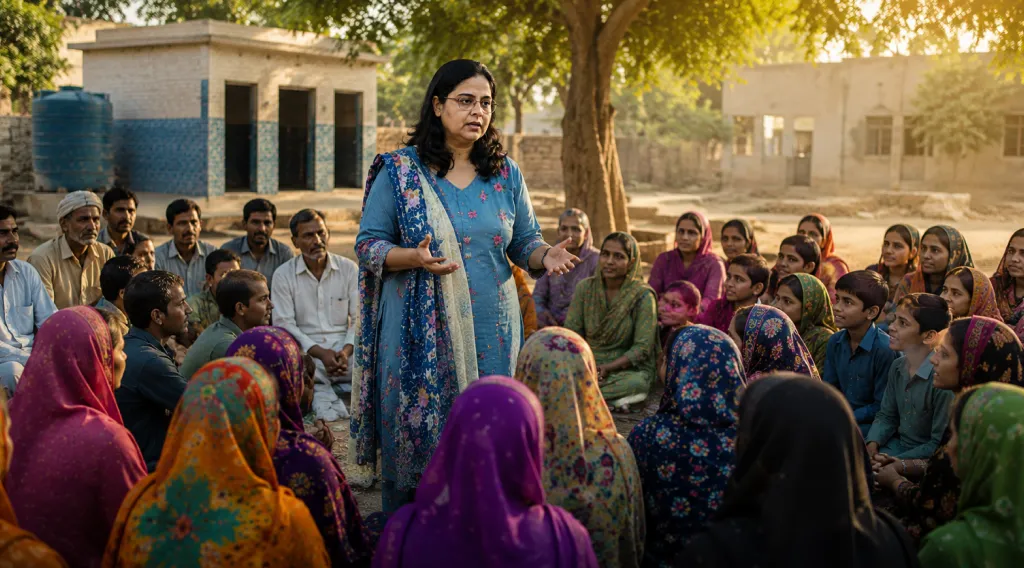
The transformation of Khairo Dero has drawn attention as an example of how sustained local investment can improve living standards in rural Pakistan.
Better infrastructure, educational opportunities, and community services have helped create a healthier and more supportive environment for residents.
The foundation's work also highlights the important role members of the Pakistani diaspora and professionals can play in contributing to development back home. Knowledge, experience, and long-term commitment can complement public efforts to strengthen underserved communities.
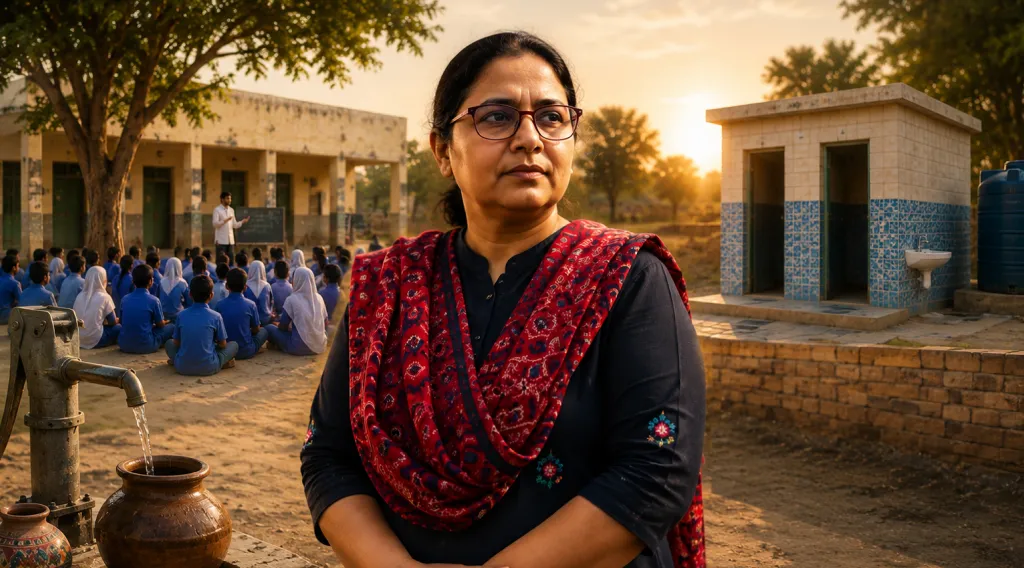
Naween Mangi's journey illustrates how success can become even more meaningful when used to create opportunities for others.
By returning to her ancestral village and investing in sustainable development, she helped improve access to education, clean water, sanitation, and economic opportunities for countless families.
Her work reflects the power of community-led solutions that address multiple challenges together rather than in isolation. The focus on education, infrastructure, and empowerment has created conditions for long-term progress rather than temporary relief.
Jump in, have fun and save your progress by signing in!

 Save Progress
Never lose it
 Daily Rewards
Collect free coins
 Leaderboards
Compete & rank up
Already have an account? Log in
By continuing you agree to our Terms and Privacy Policy.