0
October 27, 2026
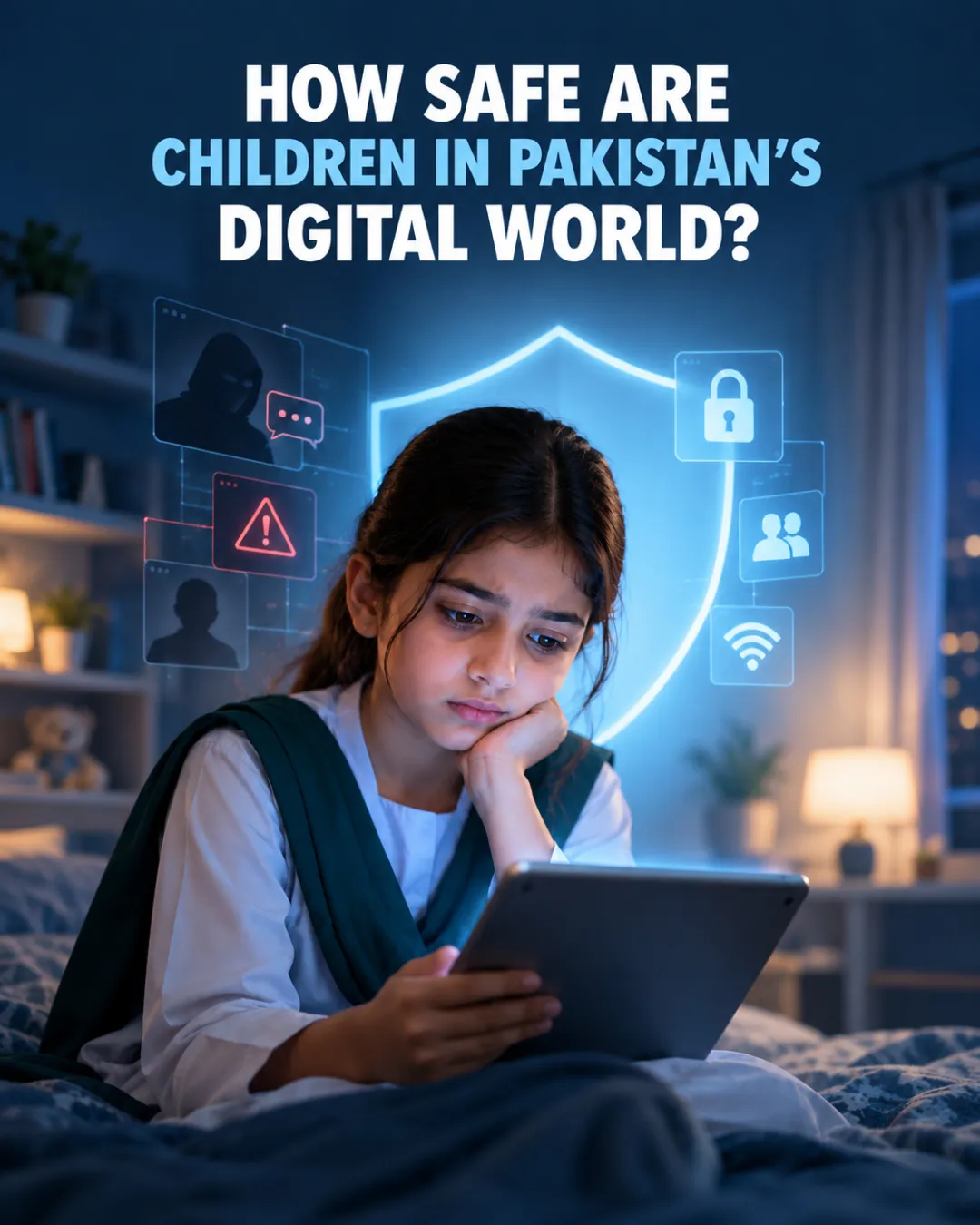
How Safe Are Children In Pakistan’s Digital World?
A 13-year-old girl in Karachi was reportedly rescued by the National Cyber Crime Investigation Agency…


A 13-year-old girl in Karachi was reportedly rescued by the National Cyber Crime Investigation Agency (NCCIA) after an international tip-off alerted authorities to suspicious online activity. Investigators suspect that an online network had manipulated the teenager and pressured her into harmful tasks. The case serves as a reminder that digital threats can reach children through seemingly ordinary online interactions, sometimes without their families realising the risks involved.
According to media reports, the girl was allegedly exposed to disturbing instructions, including animal cruelty and self-harm. Authorities intervened after the suspected activity came to light.

Reports indicate that the girl’s parents had noticed changes in her behaviour over several months but had not connected them to her online activities. This highlights how children may struggle to explain frightening digital experiences, particularly when someone is pressuring, threatening or manipulating them. Fear of punishment or embarrassment can make them even less likely to seek help.
Parents and caregivers should pay attention to sudden changes in mood, secrecy around devices, distress after receiving messages or unexplained online contacts. These signs do not automatically mean a child is being exploited, but they can be an opportunity to check in with care and patience.
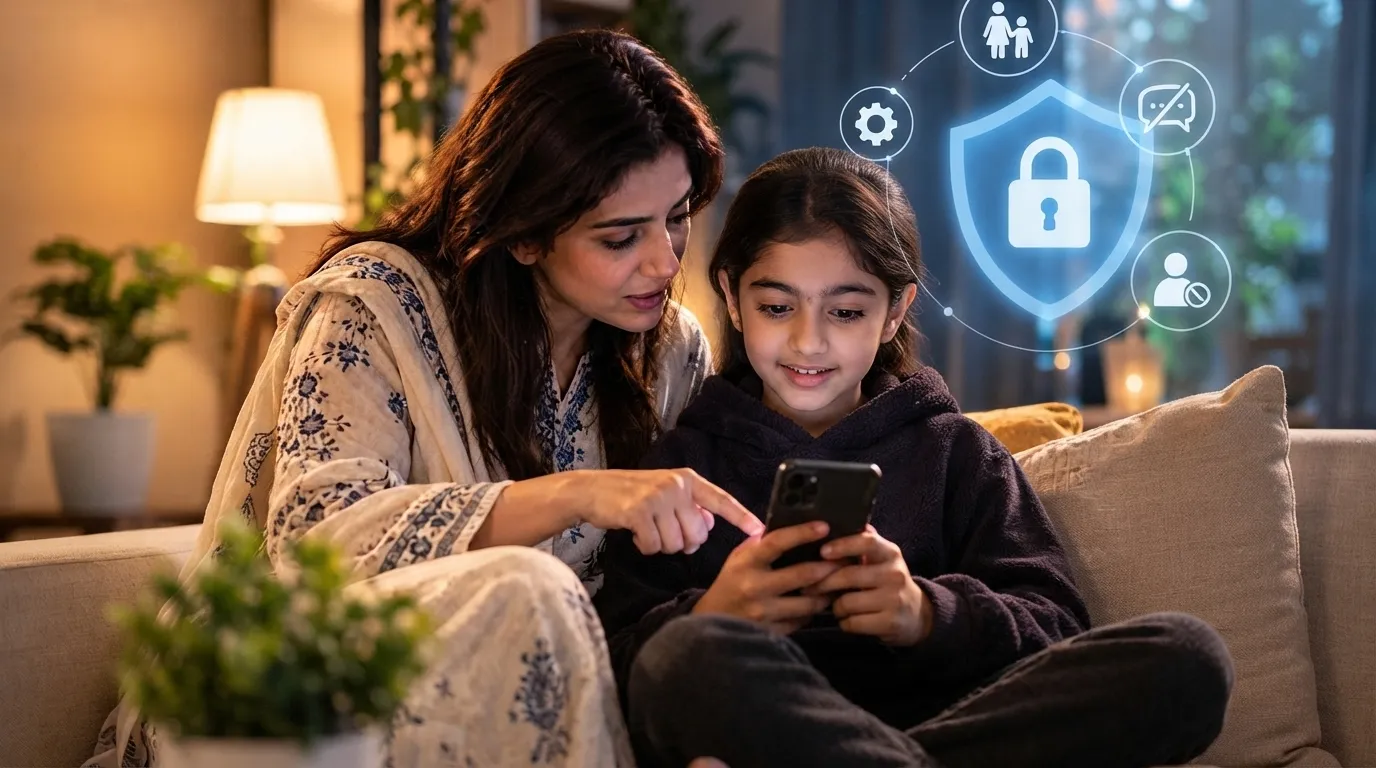
Keeping children safe online requires more than restricting screen time. Families should discuss online manipulation, explain why strangers may try to build trust before making harmful demands, and encourage children to leave uncomfortable conversations and seek help.
Privacy settings, age-appropriate supervision and regular conversations about digital activity can also reduce exposure to potential threats. Importantly, harmful contact can occur on mainstream social media and messaging platforms, not only on the dark web.
Children should know that they will not be blamed for reporting a frightening message or admitting that someone has pressured them.
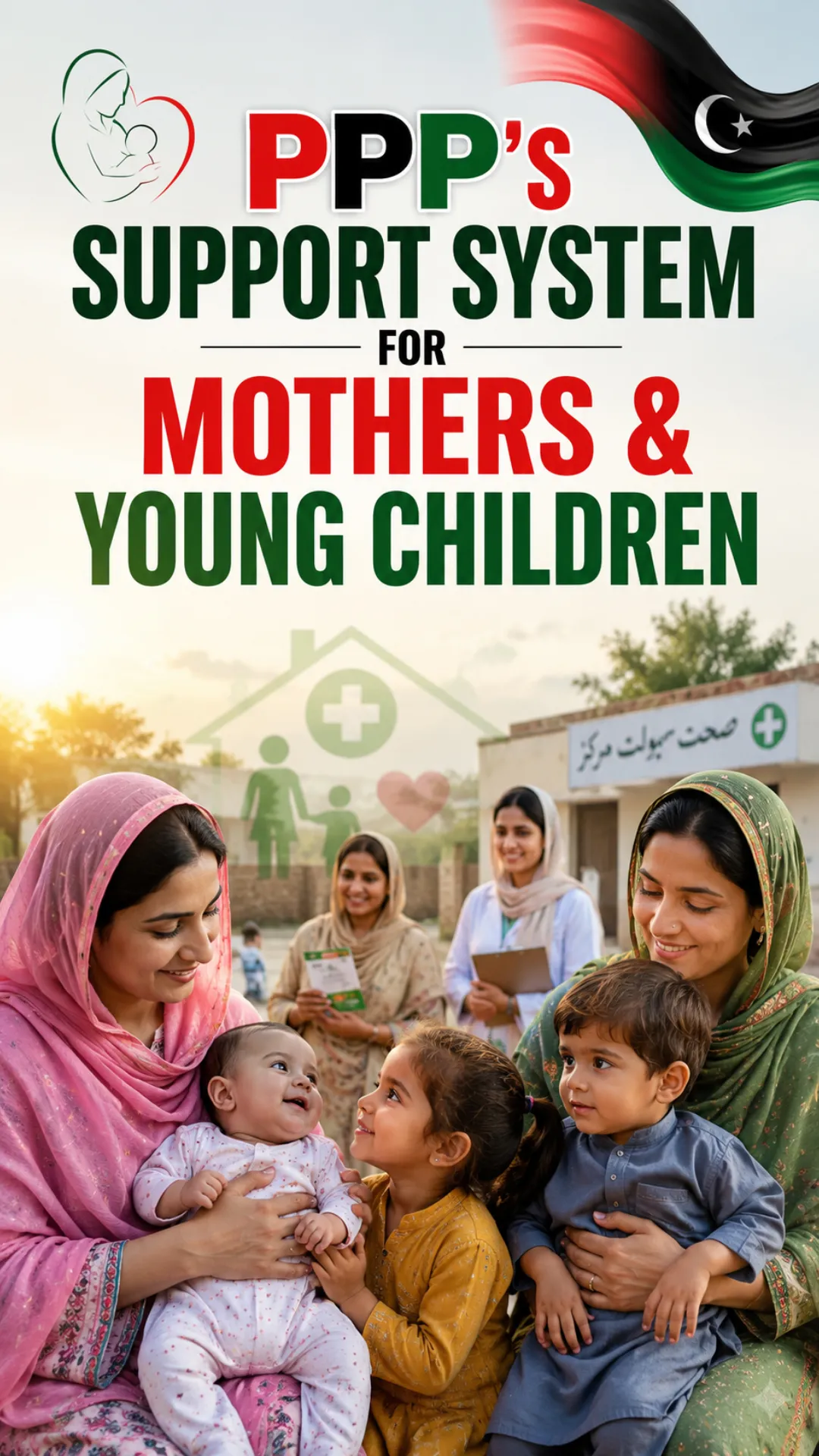
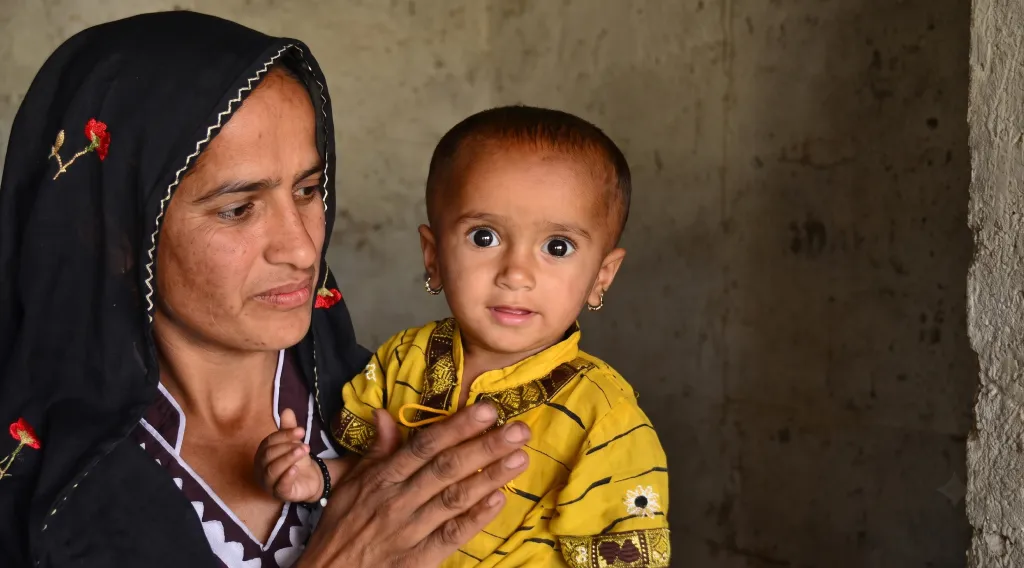
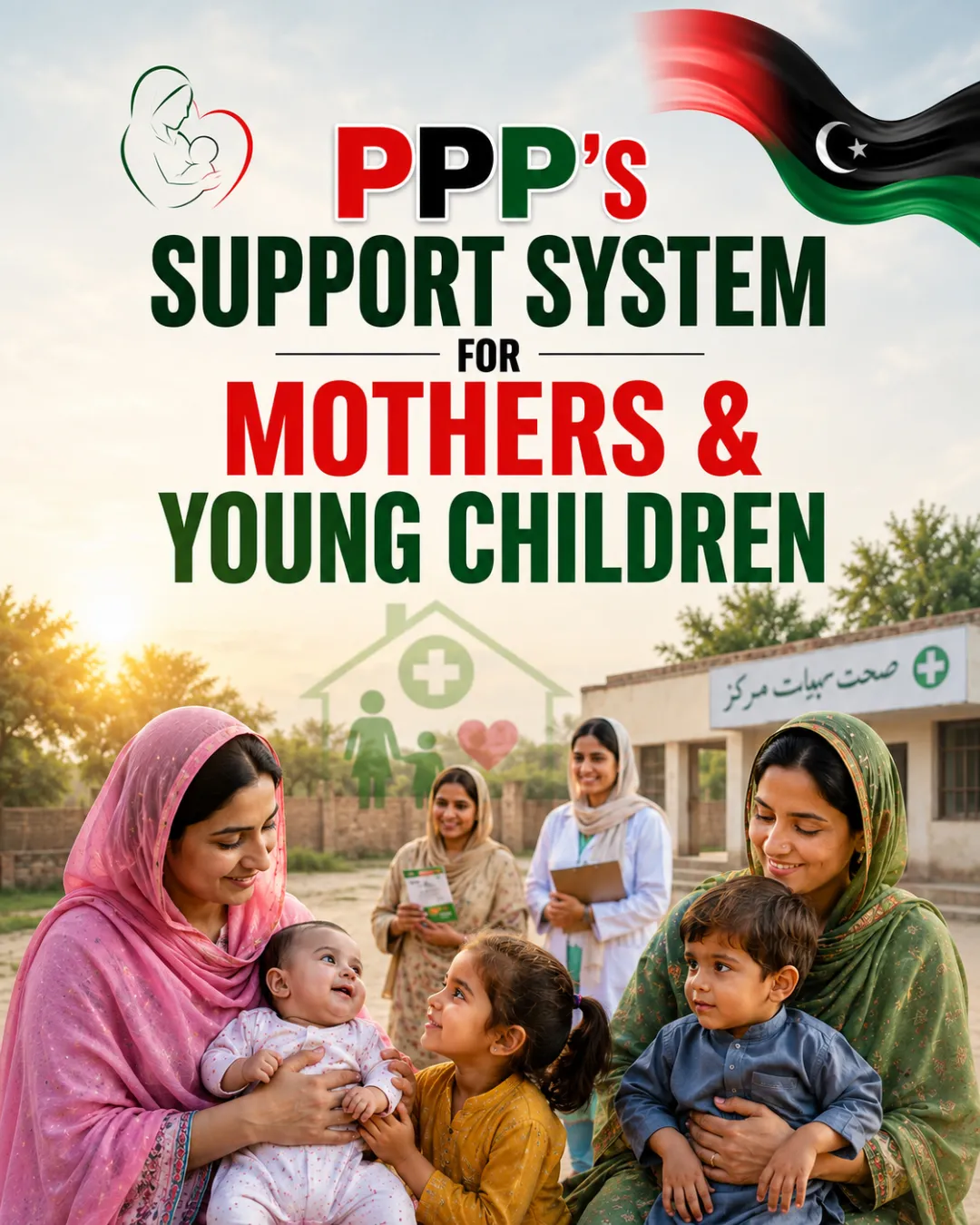
The Mamta Programme focuses on pregnant women and mothers of young children during the first 1,000 days, a period widely recognized as critical for maternal and child health. The initiative aims to provide financial support while encouraging families to access essential healthcare services.
By supporting mothers during pregnancy and the early years of a child's life, the programme seeks to address challenges related to maternal wellbeing, child nutrition, and access to healthcare.
The approach combines social protection with health focused support, helping vulnerable families manage some of the financial pressures associated with pregnancy and early childhood.
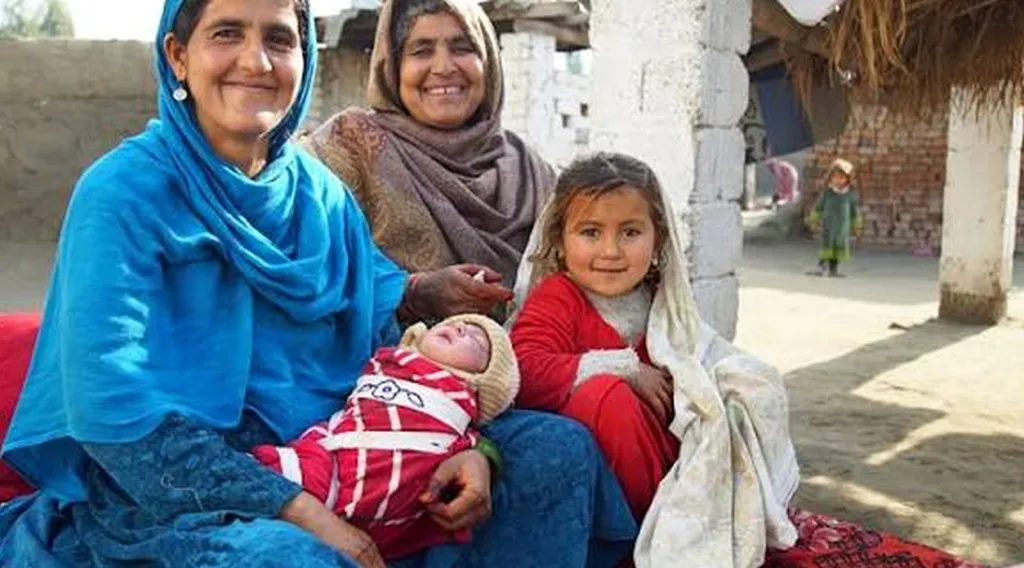
Sindh's social protection initiatives also include financial assistance aimed at supporting vulnerable families with young children. Under the reported Early Childhood Development component, eligible families with children between 0 and 5 years can receive a Rs. 3,000 monthly stipend.
The assistance is intended to help families address basic needs and support children's nutrition during their early years.
Early childhood is an important period for physical and cognitive development, making consistent access to adequate nutrition particularly significant for children from financially vulnerable households.
Healthcare costs can place a significant financial burden on families, particularly when children or adults require specialized treatment. Pakistan Bait-ul-Mal provides financial assistance to eligible low income patients requiring support for costly medical care.
Its medical assistance has covered specialized treatments and cases involving conditions such as thalassemia, while support has also been provided for pediatric cochlear implants. Such assistance can help families access treatment that may otherwise be difficult to afford.
The programme reflects the importance of combining financial assistance with healthcare support for vulnerable communities.
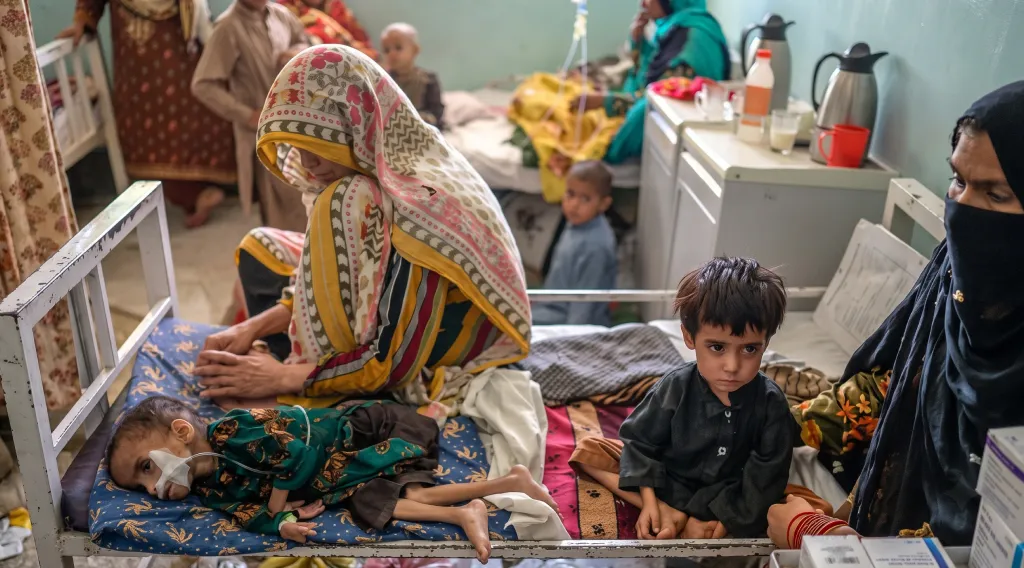
Together, these initiatives highlight different dimensions of social protection, from maternal healthcare and early childhood nutrition to financial assistance for specialized medical treatment.
The Mamta Programme focuses on mothers and young children, while early childhood support provides regular assistance to vulnerable families with children.
Pakistan Bait-ul-Mal operates separately at the federal level, providing medical assistance to eligible low income patients who require support for specialized treatment. For families facing financial difficulties, such programmes can provide important assistance during some of life's most demanding periods.
Jump in, have fun and save your progress by signing in!

 Save Progress
Never lose it
 Daily Rewards
Collect free coins
 Leaderboards
Compete & rank up
Already have an account? Log in
By continuing you agree to our Terms and Privacy Policy.