Beat the Heat: Your Ultimate Guide to Staying Cool This Summer
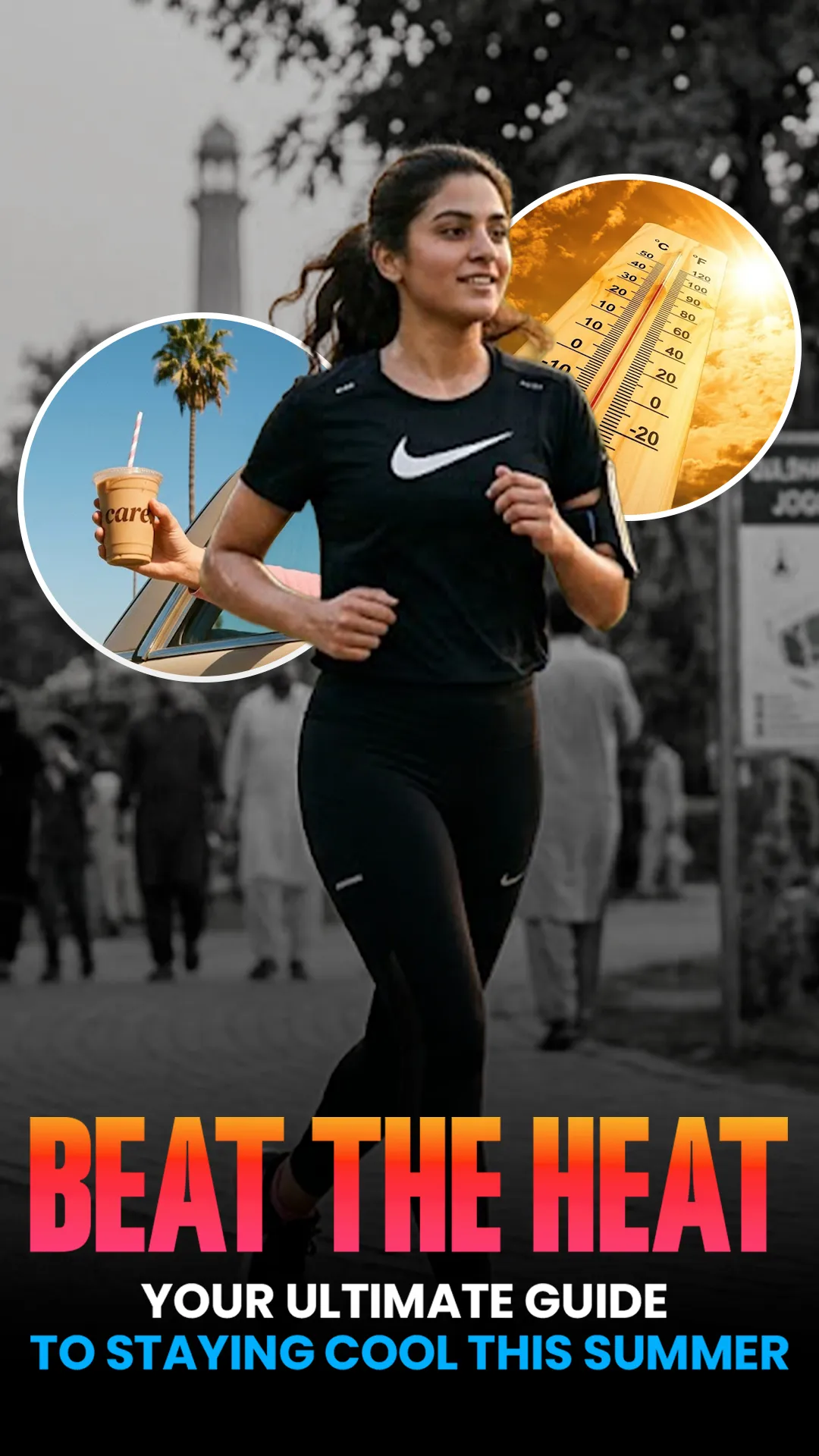
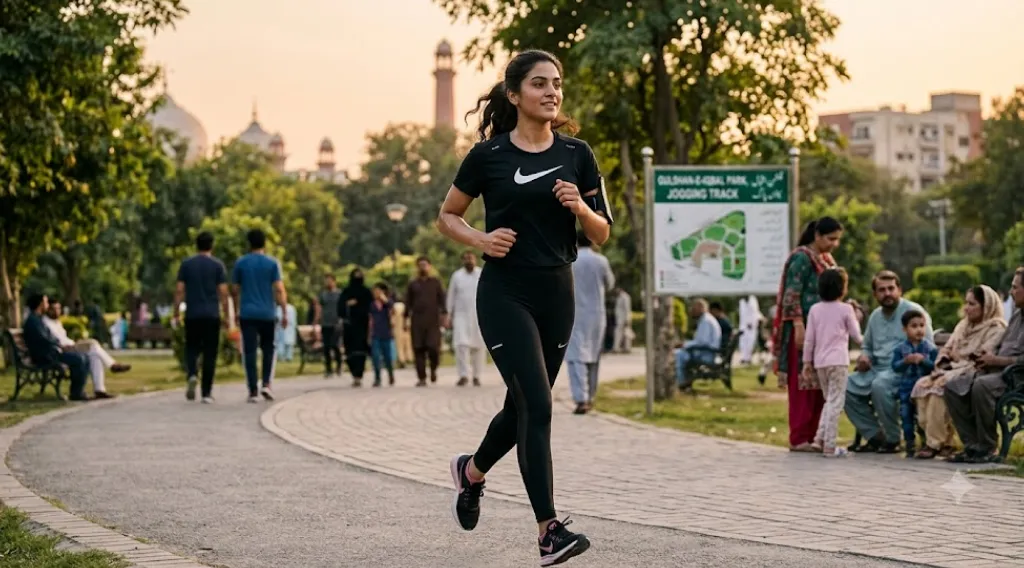
High temperatures force the body to work harder to maintain its normal internal temperature.
Sweating is the body's natural cooling mechanism, but excessive sweating also causes the loss of
water and essential minerals such as sodium and potassium, increasing the risk of dehydration.
Humidity makes the situation even more challenging because sweat evaporates more slowly, making it harder for the body to cool itself. This is why 38°C with high humidity often feels significantly hotter than the actual temperature.


By the time you feel thirsty, your body may already be mildly dehydrated. Health experts recommend drinking water consistently throughout the day instead of consuming large amounts at once.
During intense outdoor activity, electrolyte-rich drinks or homemade oral rehydration solutions can help replace minerals lost through sweat.
Summer fruits such as watermelon, muskmelon, oranges, peaches, and cucumbers contain over 90% water, making them excellent natural sources of hydration. Yogurt, coconut water, and fresh lemonade also help replenish fluids while providing nutrients.

Clothing can significantly influence how much heat your body absorbs. Loose cotton or linen garments allow sweat to evaporate more efficiently, while light-colored clothing reflects sunlight instead of trapping heat like darker fabrics.
If outdoor work or exercise is unavoidable, schedule it before 10 a.m. or after sunset whenever possible.
UV radiation and temperatures usually peak between 11 a.m. and 4 p.m., making this the most dangerous period for prolonged outdoor exposure.
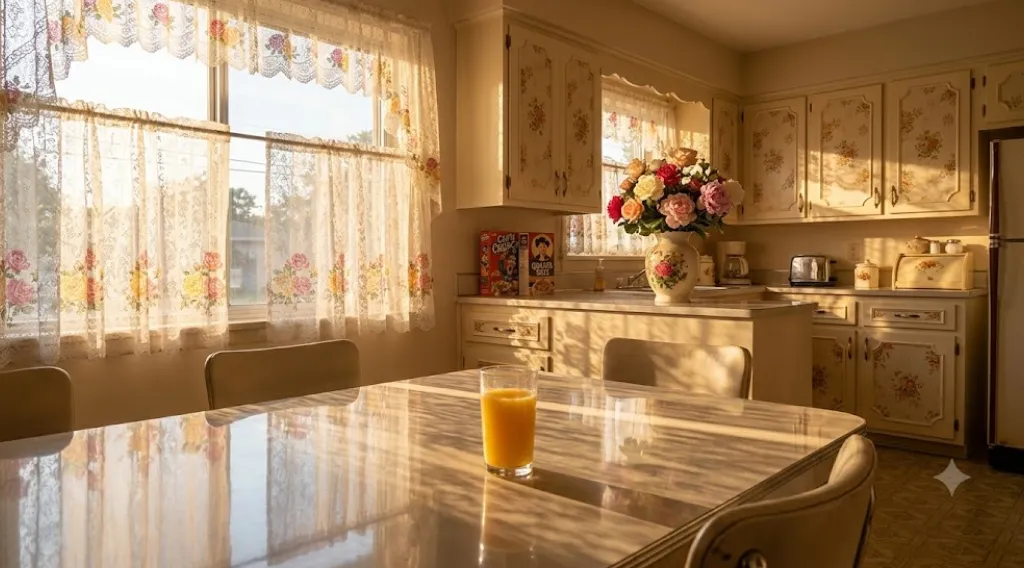
Simple adjustments inside the home can lower indoor temperatures by several degrees.
Keeping curtains or blackout blinds closed during the afternoon blocks direct sunlight, while opening windows after sunset allows cooler evening air to circulate naturally.
Ceiling and pedestal fans improve airflow but are most effective when used alongside open windows or proper ventilation. Placing a bowl of ice in front of a fan can also create a temporary cooling effect in smaller rooms.
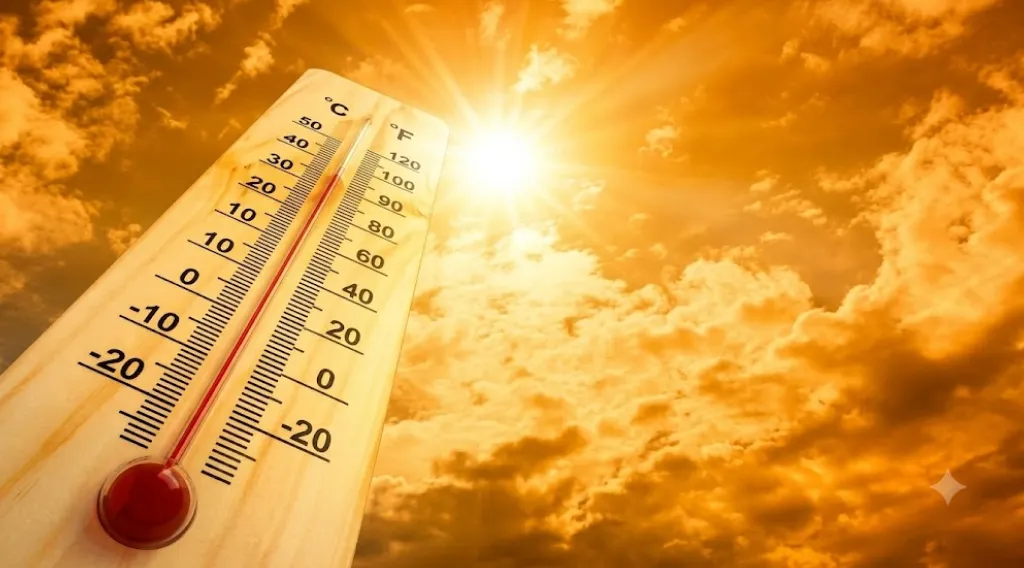
Heat exhaustion usually develops gradually and is often marked by heavy sweating, dizziness, nausea, muscle cramps, headaches, rapid heartbeat, and unusual fatigue. Ignoring these symptoms can quickly lead to heatstroke.
Move immediately to a shaded or air-conditioned place, loosen clothing, apply cool wet cloths to the neck and wrists, and sip cool water or electrolyte solutions. Rest until symptoms improve before resuming any activity.
High temperatures force the body to work harder to maintain its normal internal temperature.
High temperatures force the body to work harder to maintain its normal internal temperature.
Sweating is the body's natural cooling mechanism, but excessive sweating also causes the loss of
water and essential minerals such as sodium and potassium, increasing the risk of dehydration.
Humidity makes the situation even more challenging because sweat evaporates more slowly, making it harder for the body to cool itself. This is why 38°C with high humidity often feels significantly hotter than the actual temperature.
By the time you feel thirsty, your body may already be mildly dehydrated. Health experts recommend drinking water consistently throughout the day instead of consuming large amounts at once.
During intense outdoor activity, electrolyte-rich drinks or homemade oral rehydration solutions can help replace minerals lost through sweat.
Summer fruits such as watermelon, muskmelon, oranges, peaches, and cucumbers contain over 90% water, making them excellent natural sources of hydration. Yogurt, coconut water, and fresh lemonade also help replenish fluids while providing nutrients.
Clothing can significantly influence how much heat your body absorbs. Loose cotton or linen garments allow sweat to evaporate more efficiently, while light-colored clothing reflects sunlight instead of trapping heat like darker fabrics.
If outdoor work or exercise is unavoidable, schedule it before 10 a.m. or after sunset whenever possible.
UV radiation and temperatures usually peak between 11 a.m. and 4 p.m., making this the most dangerous period for prolonged outdoor exposure.
Simple adjustments inside the home can lower indoor temperatures by several degrees.
Keeping curtains or blackout blinds closed during the afternoon blocks direct sunlight, while opening windows after sunset allows cooler evening air to circulate naturally.
Ceiling and pedestal fans improve airflow but are most effective when used alongside open windows or proper ventilation. Placing a bowl of ice in front of a fan can also create a temporary cooling effect in smaller rooms.
Heat exhaustion usually develops gradually and is often marked by heavy sweating, dizziness, nausea, muscle cramps, headaches, rapid heartbeat, and unusual fatigue. Ignoring these symptoms can quickly lead to heatstroke.
Move immediately to a shaded or air-conditioned place, loosen clothing, apply cool wet cloths to the neck and wrists, and sip cool water or electrolyte solutions. Rest until symptoms improve before resuming any activity.