Pakistani Islamic Scholar Wins Top London Honour
A Pakistani religious leader has received an international honour for work that has taken place largely through dialogue rather than confrontation.
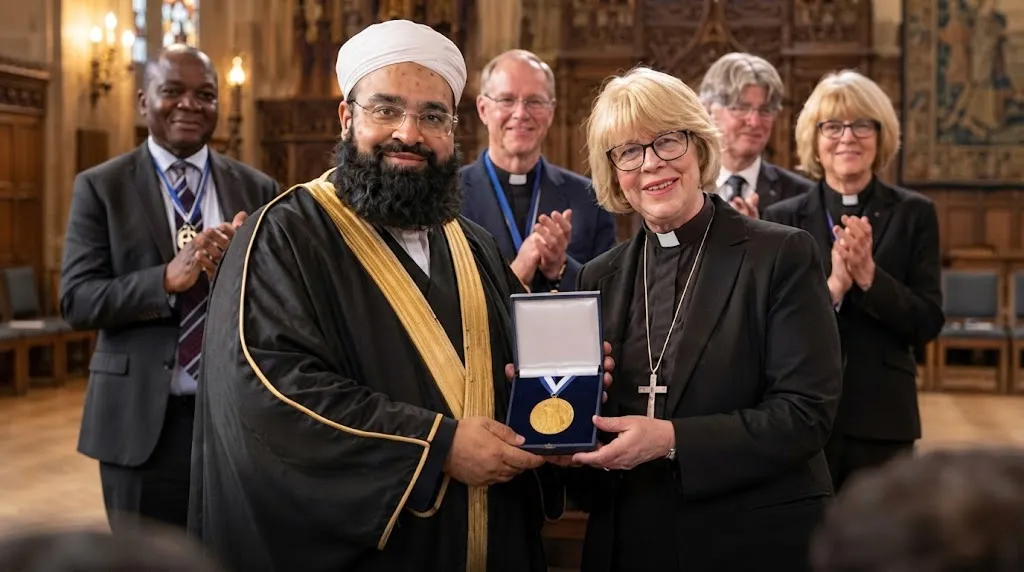
Hafiz Muhammad Tahir Mahmood Ashrafi, chairman of the Pakistan Ulema Council, was presented with the 2026 Hubert Walter Award for Reconciliation and Interfaith Cooperation at Lambeth Palace in London.
The award was presented by Archbishop of Canterbury Sarah Mullally during a ceremony at the historic palace.

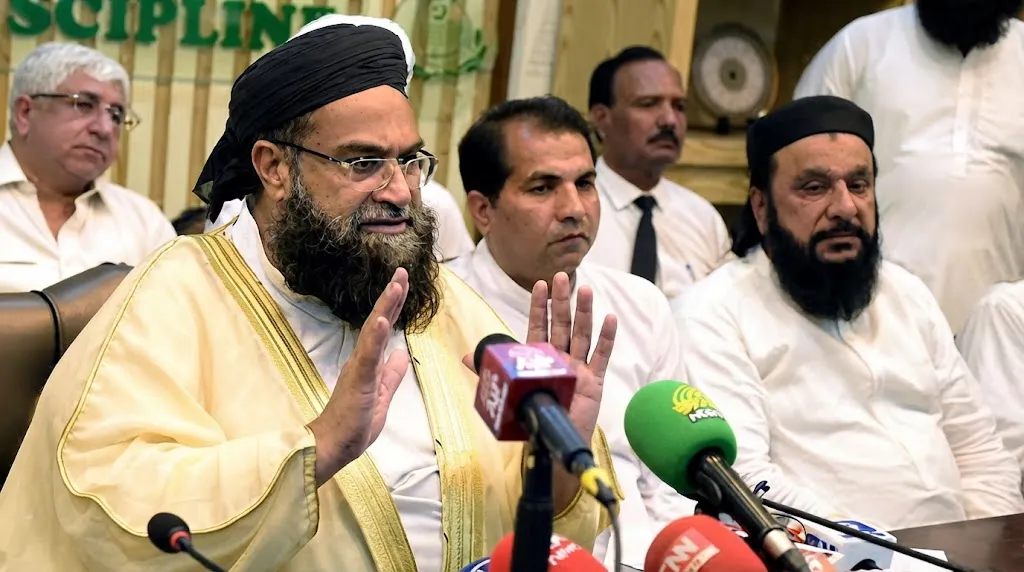
The honour reflects years of engagement with religious communities and leaders on issues that extend beyond a single faith or sect. Ashrafi has worked to encourage dialogue between different religious and sectarian groups while advocating respect for minority and vulnerable communities.
His public work has also included opposition to extremism, terrorism and sectarian violence, alongside calls for moderation and peaceful coexistence. He currently serves as chairman of the Pakistan Ulema Council and coordinator of the National Paigham-e-Aman Committee.
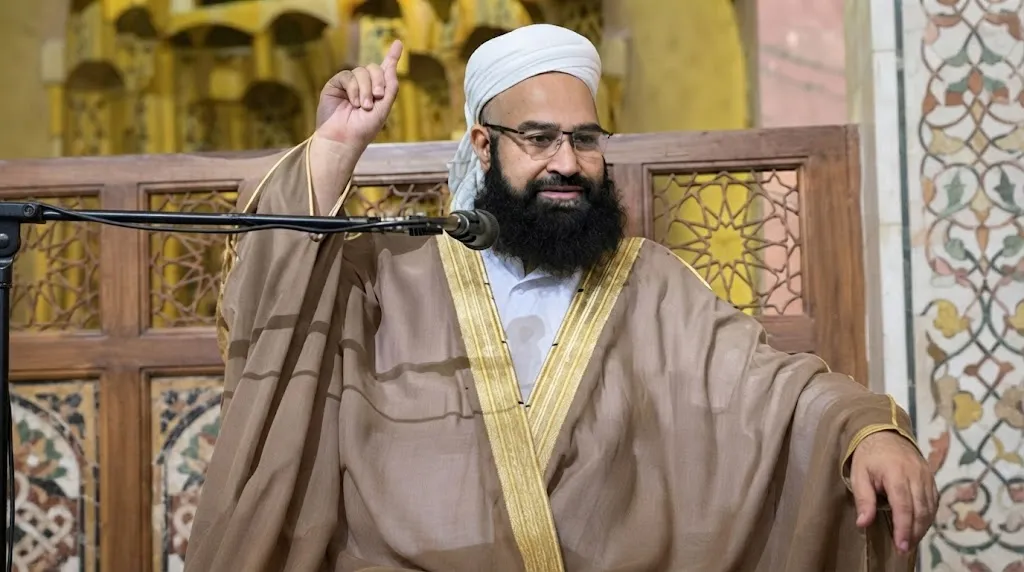
Following the ceremony, Ashrafi dedicated the recognition to religious scholars, leaders, intellectuals and others working for peace around the world. He said the award represented collective efforts to encourage interfaith dialogue and oppose extremism and terrorism.
The London honour is also not his first international recognition. Ashrafi previously received the OIC Global Peace Award for contributions to peace, harmony and cooperation, giving him recognition within both Muslim and wider international circles.
A Pakistani religious leader has received an international honour for work that has taken place largely through dialogue rather than confrontation.
A Pakistani religious leader has received an international honour for work that has taken place largely through dialogue rather than confrontation.
Hafiz Muhammad Tahir Mahmood Ashrafi, chairman of the Pakistan Ulema Council, was presented with the 2026 Hubert Walter Award for Reconciliation and Interfaith Cooperation at Lambeth Palace in London.
The award was presented by Archbishop of Canterbury Sarah Mullally during a ceremony at the historic palace.
The honour reflects years of engagement with religious communities and leaders on issues that extend beyond a single faith or sect. Ashrafi has worked to encourage dialogue between different religious and sectarian groups while advocating respect for minority and vulnerable communities.
His public work has also included opposition to extremism, terrorism and sectarian violence, alongside calls for moderation and peaceful coexistence. He currently serves as chairman of the Pakistan Ulema Council and coordinator of the National Paigham-e-Aman Committee.
Following the ceremony, Ashrafi dedicated the recognition to religious scholars, leaders, intellectuals and others working for peace around the world. He said the award represented collective efforts to encourage interfaith dialogue and oppose extremism and terrorism.
The London honour is also not his first international recognition. Ashrafi previously received the OIC Global Peace Award for contributions to peace, harmony and cooperation, giving him recognition within both Muslim and wider international circles.



