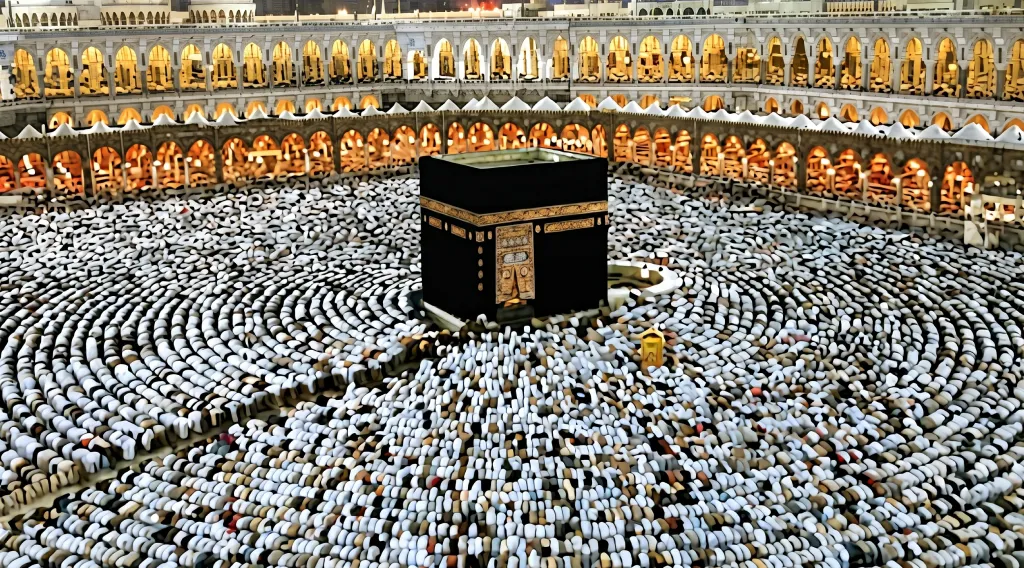
Pakistan’s newly launched Hajj Portal received more than Rs. 31 billion in payments within its first 24 hours, highlighting strong interest in the Government Hajj Scheme.
The Ministry of Religious Affairs reported that more than 50,000 people submitted Hajj applications on the opening day of registration.
Payments were recorded through digital channels from across Pakistan, including Azad Kashmir, Gilgit Baltistan and Islamabad.

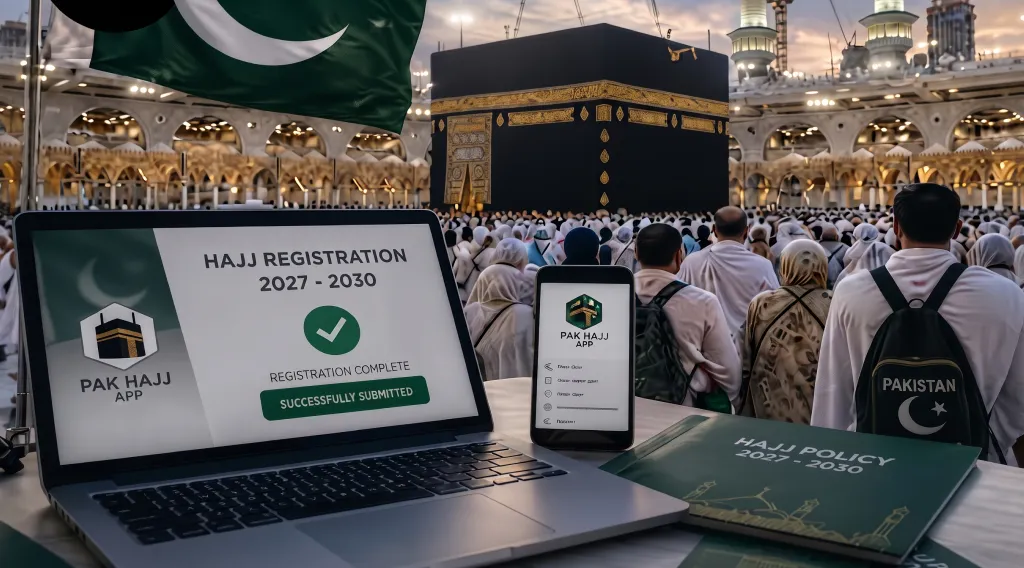
The new online portal has been introduced to make the Hajj registration and payment process simpler for intending pilgrims.
Applicants can now complete important steps digitally instead of relying entirely on traditional registration procedures.
The system offers several payment options, including OneLink PSID, bank cards and manually generated bank challans. These options give applicants greater flexibility when completing their payments and submitting their applications.
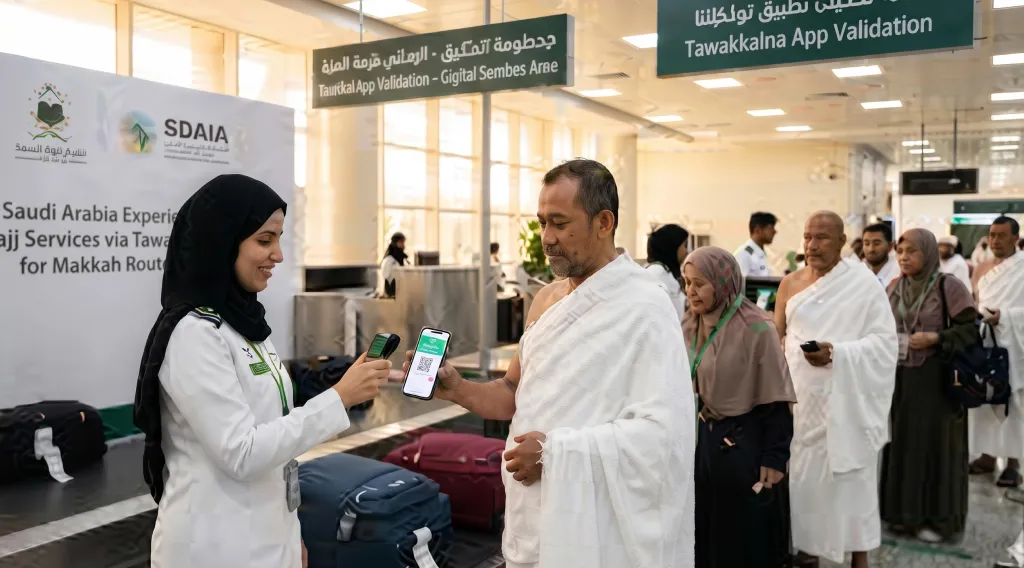
Under Pakistan’s Government Hajj Scheme, a total of 107,526 seats have been allocated for Pakistani pilgrims.
Applications are being processed on a first come, first served basis, meaning eligible applicants will receive places as their applications are completed until the allocated quota is filled.
The strong opening day response shows significant demand among Pakistanis wishing to perform Hajj through the government programme. More than 50,000 applications were submitted within just one day, demonstrating the scale of interest.
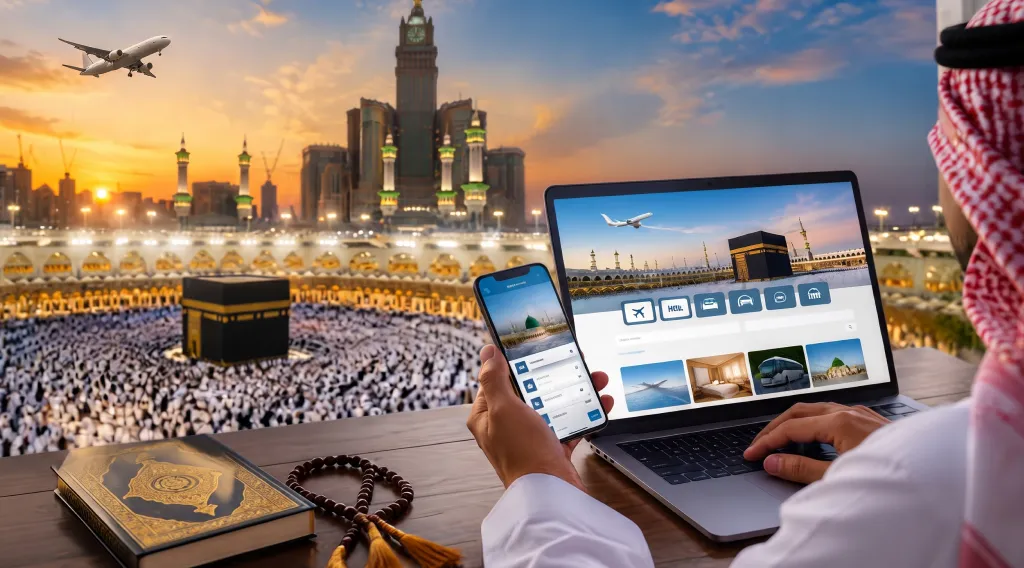
The first day of registration has marked a significant start for Pakistan’s new digital approach to managing the Government Hajj Scheme.
The collection of more than Rs. 31 billion alongside tens of thousands of applications shows the immediate demand for the service.
The portal is expected to continue processing applications as registration remains open and the government quota is gradually filled. Its digital payment options can also help make the process easier for applicants across different regions of Pakistan.
Pakistan’s newly launched Hajj Portal received more than Rs. 31 billion in payments within its first 24 hours, highlighting strong interest in the Government Hajj Scheme.
Pakistan’s newly launched Hajj Portal received more than Rs. 31 billion in payments within its first 24 hours, highlighting strong interest in the Government Hajj Scheme.
The Ministry of Religious Affairs reported that more than 50,000 people submitted Hajj applications on the opening day of registration.
Payments were recorded through digital channels from across Pakistan, including Azad Kashmir, Gilgit Baltistan and Islamabad.
The new online portal has been introduced to make the Hajj registration and payment process simpler for intending pilgrims.
Applicants can now complete important steps digitally instead of relying entirely on traditional registration procedures.
The system offers several payment options, including OneLink PSID, bank cards and manually generated bank challans. These options give applicants greater flexibility when completing their payments and submitting their applications.
Under Pakistan’s Government Hajj Scheme, a total of 107,526 seats have been allocated for Pakistani pilgrims.
Applications are being processed on a first come, first served basis, meaning eligible applicants will receive places as their applications are completed until the allocated quota is filled.
The strong opening day response shows significant demand among Pakistanis wishing to perform Hajj through the government programme. More than 50,000 applications were submitted within just one day, demonstrating the scale of interest.
The first day of registration has marked a significant start for Pakistan’s new digital approach to managing the Government Hajj Scheme.
The collection of more than Rs. 31 billion alongside tens of thousands of applications shows the immediate demand for the service.
The portal is expected to continue processing applications as registration remains open and the government quota is gradually filled. Its digital payment options can also help make the process easier for applicants across different regions of Pakistan.