A Historic Shift: Saudi Arabia Opens Property Ownership in the Holy Cities
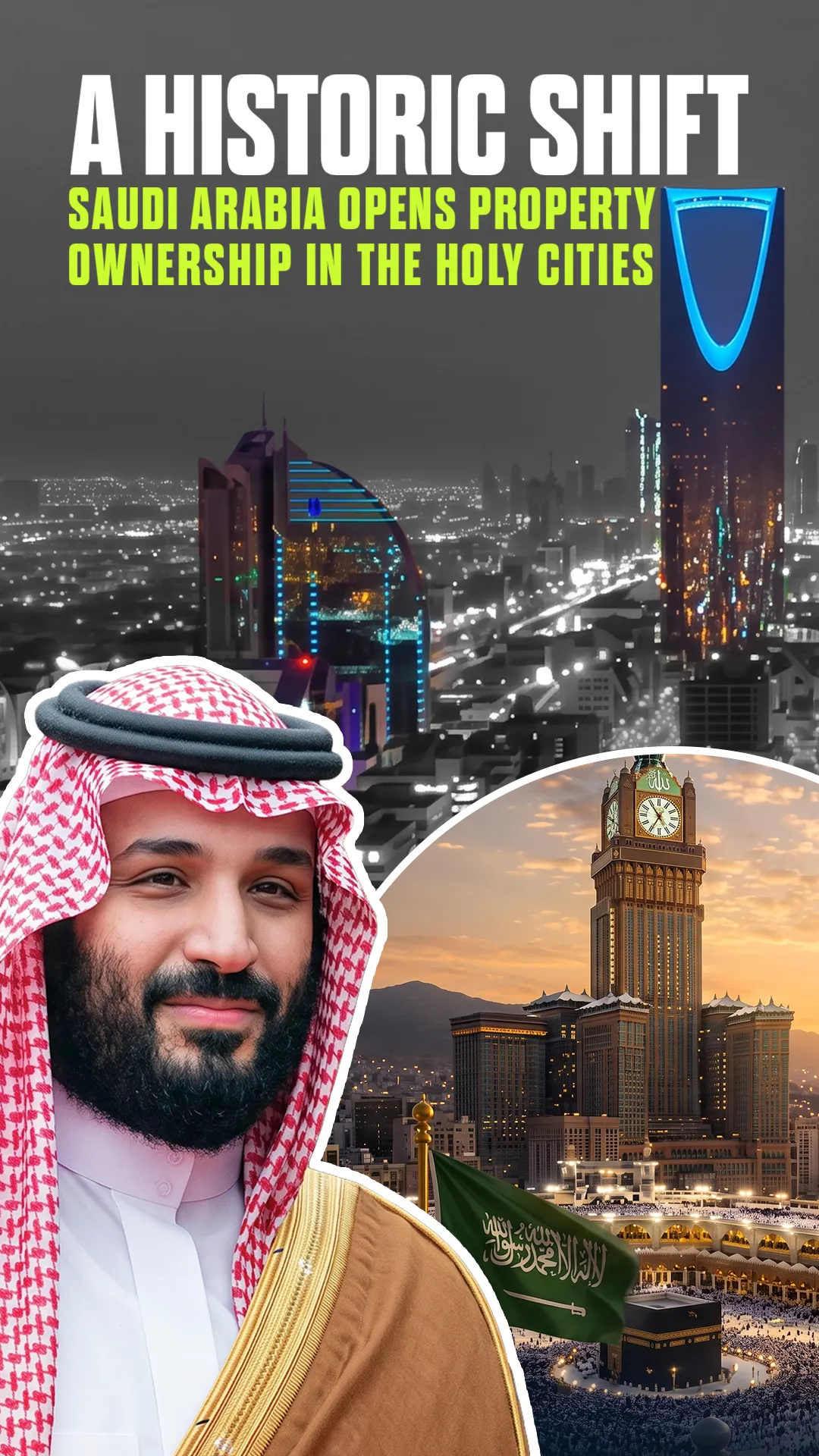
Saudi Arabia has introduced one of the most significant reforms to its real estate sector by approving the executive regulations for the Law of Real Estate Ownership by Non-Saudis.
The legislation forms part of the Kingdom's broader Vision 2030 strategy, which seeks to diversify the economy, attract international investment, and modernize key industries.
For decades, foreign nationals living in Saudi Arabia were generally permitted to rent property but faced strict limitations on ownership.

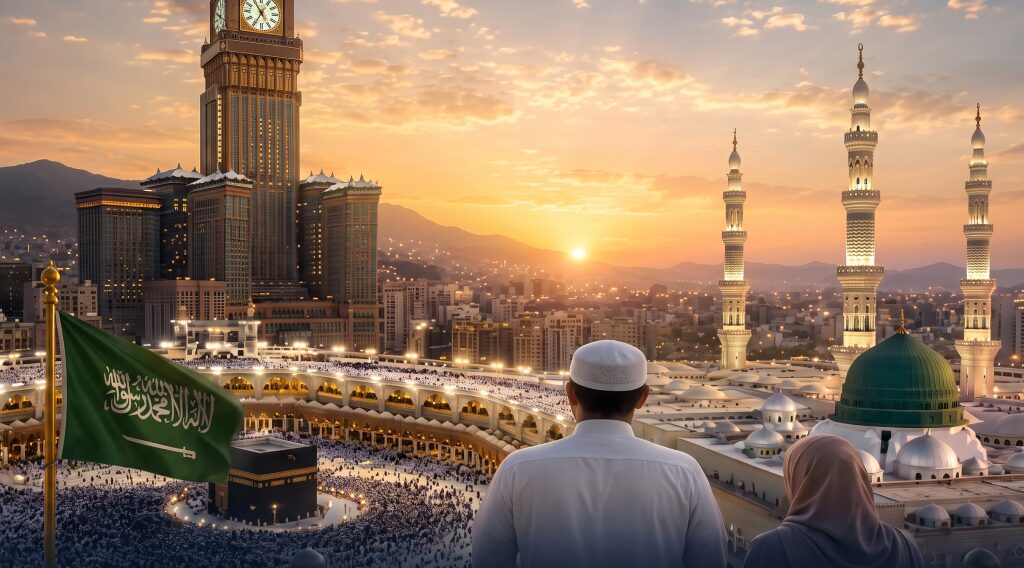
One of the most notable aspects of the new law concerns the holy cities of Makkah and Madinah.
Under the updated regulations, only Muslim individuals, whether Saudi citizens or foreign nationals, are eligible to own residential property within designated areas of these cities.
Ownership, however, is not unrestricted. Foreign Muslim buyers may purchase property only within government-approved development zones identified by Saudi authorities.
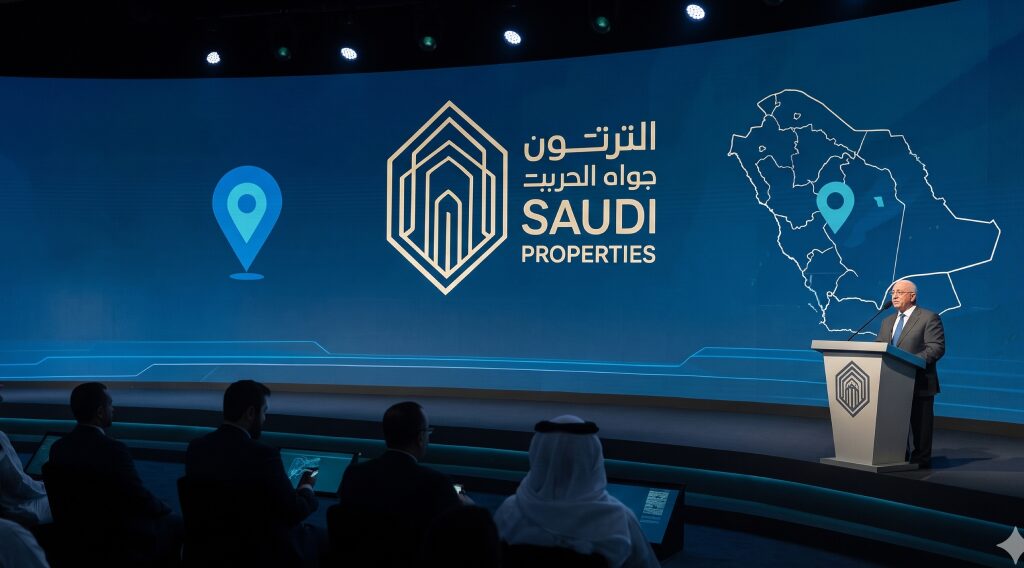
To simplify the application process, Saudi Arabia has launched the official Saudi Properties portal, allowing eligible buyers to complete property ownership procedures electronically.
The platform provides information on approved investment zones, available developments, and regulatory requirements.
Foreign residents already living in the Kingdom can submit applications using their Iqama (residency permit), with eligibility verified automatically through government databases.
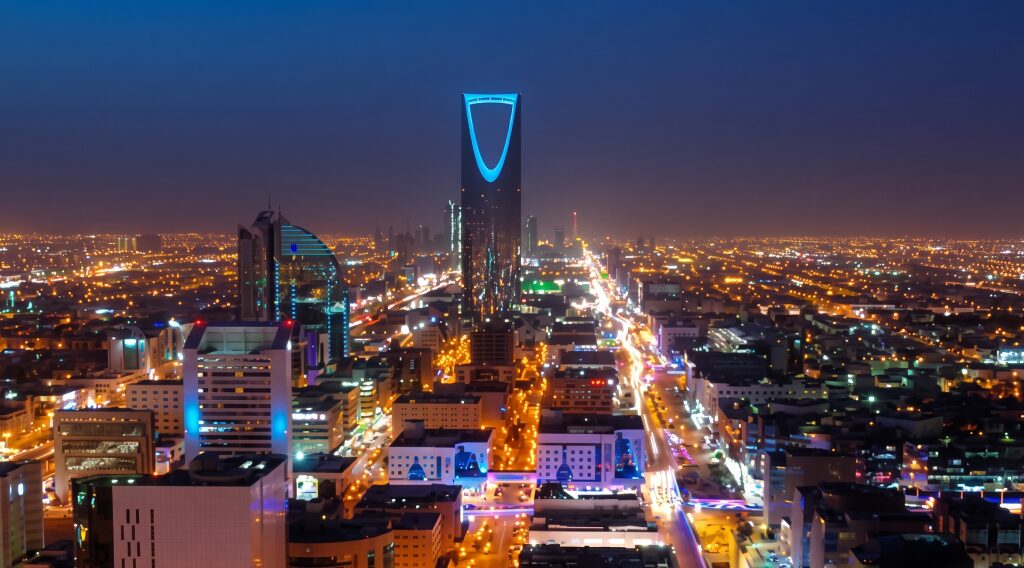
Beyond residential ownership, the new legislation allows eligible foreign individuals and licensed companies to acquire commercial, industrial, office, warehouse, and agricultural properties in approved investment areas throughout Saudi Arabia. The reform is intended to strengthen the Kingdom's position as a competitive global investment destination.
By carefully balancing investment opportunities with the religious significance of Makkah and Madinah, the Kingdom aims to preserve the sanctity of the holy cities while opening new avenues for sustainable economic growth and international real estate investment.
Saudi Arabia has introduced one of the most significant reforms to its real estate sector by approving the executive regulations for the Law of Real Estate Ownership by Non-Saudis.
Saudi Arabia has introduced one of the most significant reforms to its real estate sector by approving the executive regulations for the Law of Real Estate Ownership by Non-Saudis.
The legislation forms part of the Kingdom's broader Vision 2030 strategy, which seeks to diversify the economy, attract international investment, and modernize key industries.
For decades, foreign nationals living in Saudi Arabia were generally permitted to rent property but faced strict limitations on ownership.
One of the most notable aspects of the new law concerns the holy cities of Makkah and Madinah.
Under the updated regulations, only Muslim individuals, whether Saudi citizens or foreign nationals, are eligible to own residential property within designated areas of these cities.
Ownership, however, is not unrestricted. Foreign Muslim buyers may purchase property only within government-approved development zones identified by Saudi authorities.
To simplify the application process, Saudi Arabia has launched the official Saudi Properties portal, allowing eligible buyers to complete property ownership procedures electronically.
The platform provides information on approved investment zones, available developments, and regulatory requirements.
Foreign residents already living in the Kingdom can submit applications using their Iqama (residency permit), with eligibility verified automatically through government databases.
Beyond residential ownership, the new legislation allows eligible foreign individuals and licensed companies to acquire commercial, industrial, office, warehouse, and agricultural properties in approved investment areas throughout Saudi Arabia. The reform is intended to strengthen the Kingdom's position as a competitive global investment destination.
By carefully balancing investment opportunities with the religious significance of Makkah and Madinah, the Kingdom aims to preserve the sanctity of the holy cities while opening new avenues for sustainable economic growth and international real estate investment.



