Sacred Souls of Pakistan: The Timeless Legacy of Great Sufi Saints
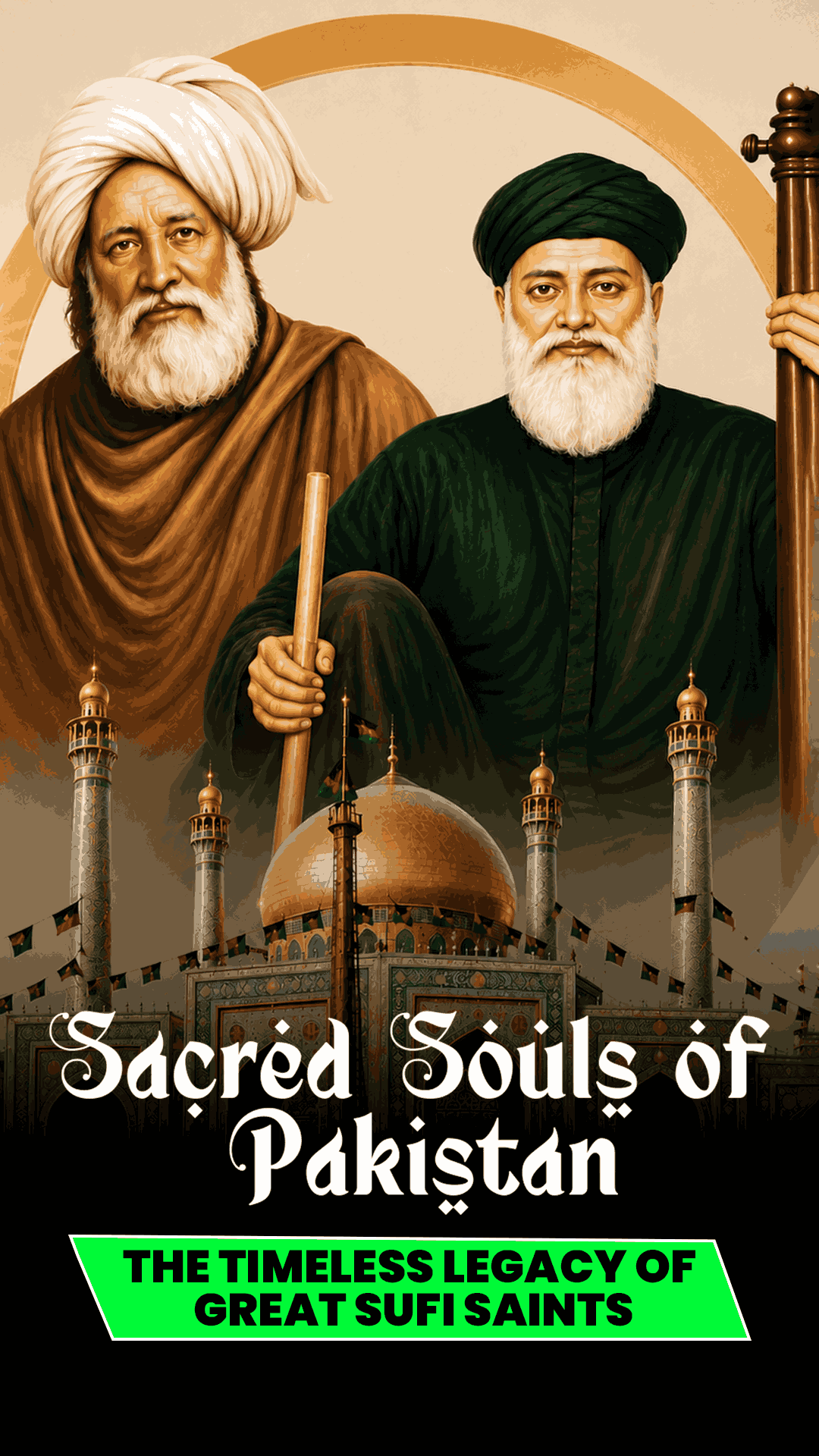
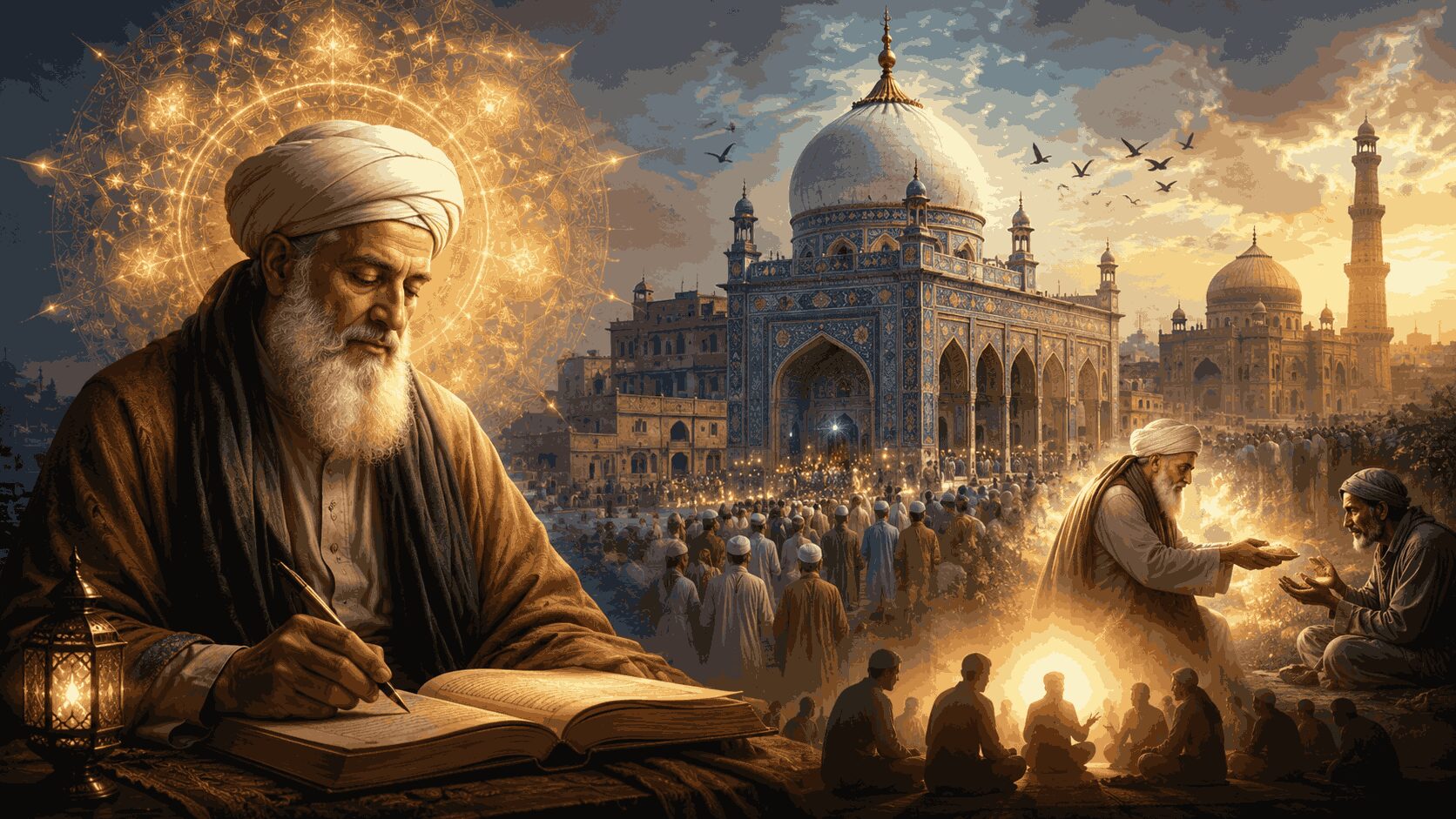
Hazrat Ali Hujwiri, popularly known as Data Ganj Bakhsh, arrived in Lahore during the 11th century and became one of the earliest and most influential Sufi saints in South Asia.
His shrine in Lahore has remained a beacon of spirituality and learning for nearly a thousand years.
He authored Kashf al-Mahjub (The Revelation of the Veiled), one of the oldest and most celebrated texts on Sufism.
Through his teachings, he emphasized humility, charity, and service to humanity. He famously said, The nearest path to God is through service to His creation.

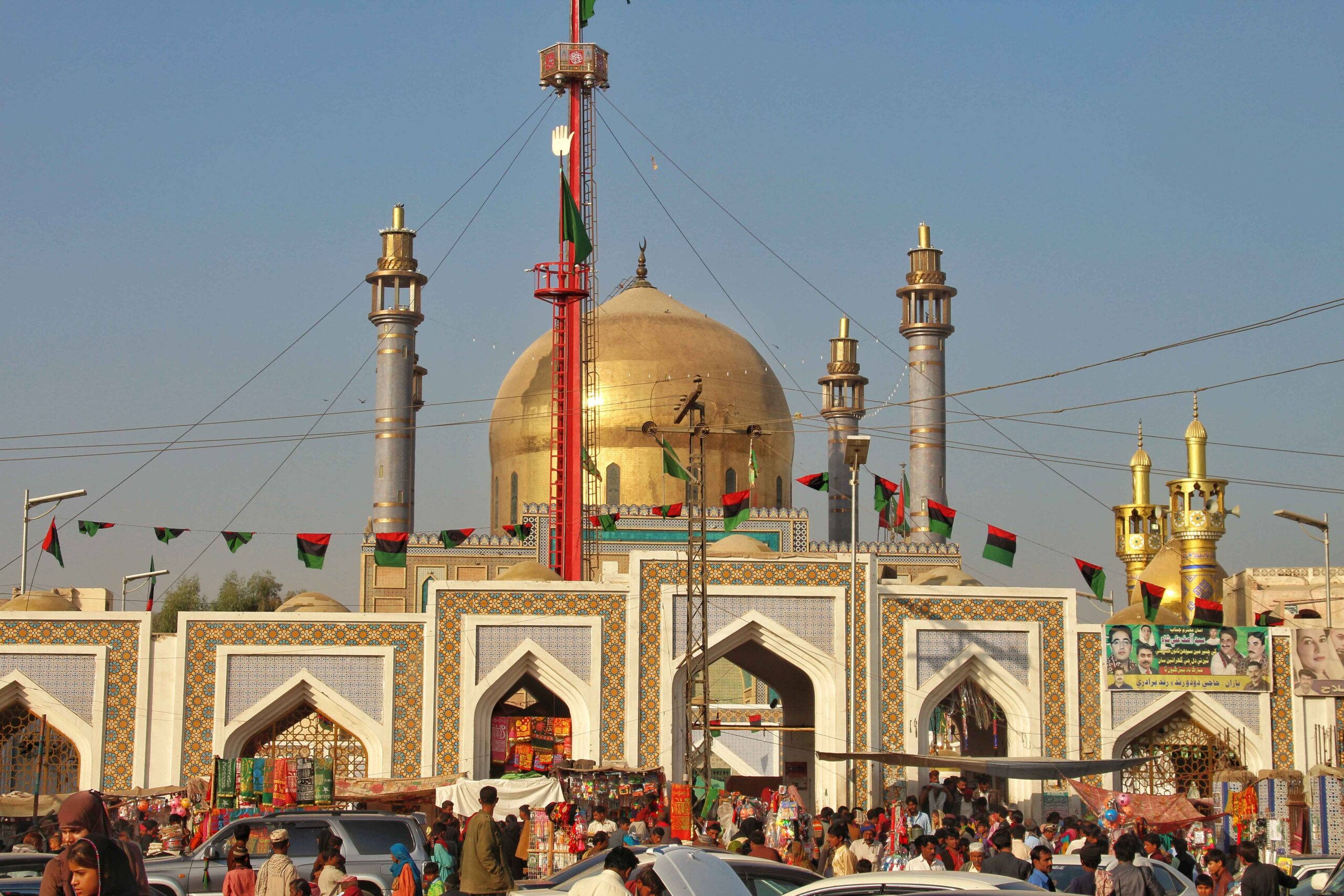
Hazrat Syed Usman Marwandi, known to generations as Lal Shahbaz Qalandar, settled in Sehwan Sharif during the 13th century. Revered by people of all faiths and backgrounds, he preached love, equality, and devotion to God.
Known as the Red Falcon, he rejected social barriers and embraced humanity as one family. His teachings are remembered through the saying, There are no strangers in the path of love.
His shrine is renowned for the spiritual tradition of dhamal, symbolizing divine ecstasy and devotion.
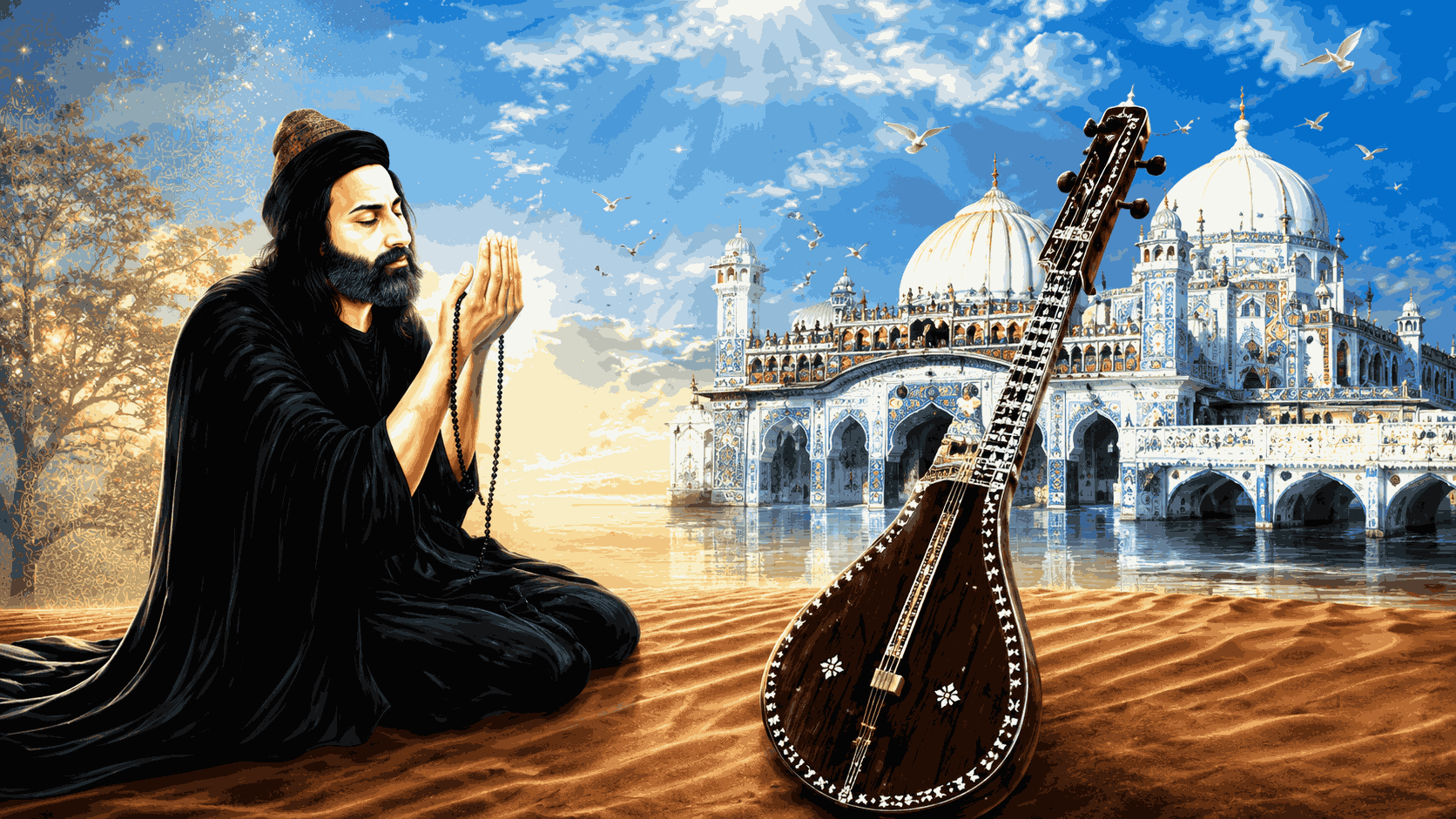
Born in 1689, Shah Abdul Latif Bhittai is regarded as one of the greatest poets and mystics of Sindh. Through his masterpiece Shah Jo Risalo, he immortalized folk tales while conveying profound spiritual truths and moral values.
His poetry emphasized patience, love, and the pursuit of truth. One of his most cherished sayings is, The deeper the sorrow, the closer one is to God.
His verses continue to be sung in traditional melodies, preserving Sindh's literary and cultural heritage. Shah Latif's teachings promoted tolerance and harmony among communities.
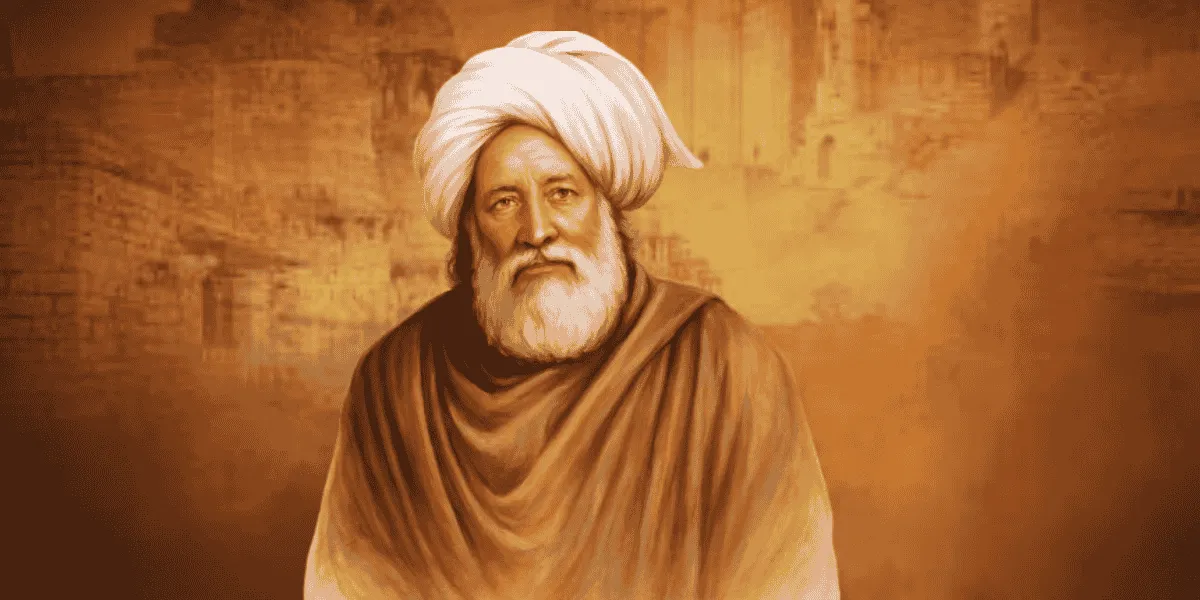
Hazrat Abdullah Shah Qadri, popularly known as Bulleh Shah, emerged as one of Punjab's greatest Sufi poets during the 17th and 18th centuries.
His poetry challenged social divisions, religious extremism, and prejudice, advocating love as the essence of spirituality.
His immortal verse, Bulleya, ki jaana main kaun (Bulleh, to me, I know not who I am), reflects humility and the quest for self-discovery. He taught that true faith lies beyond outward appearances and resides within the human heart.
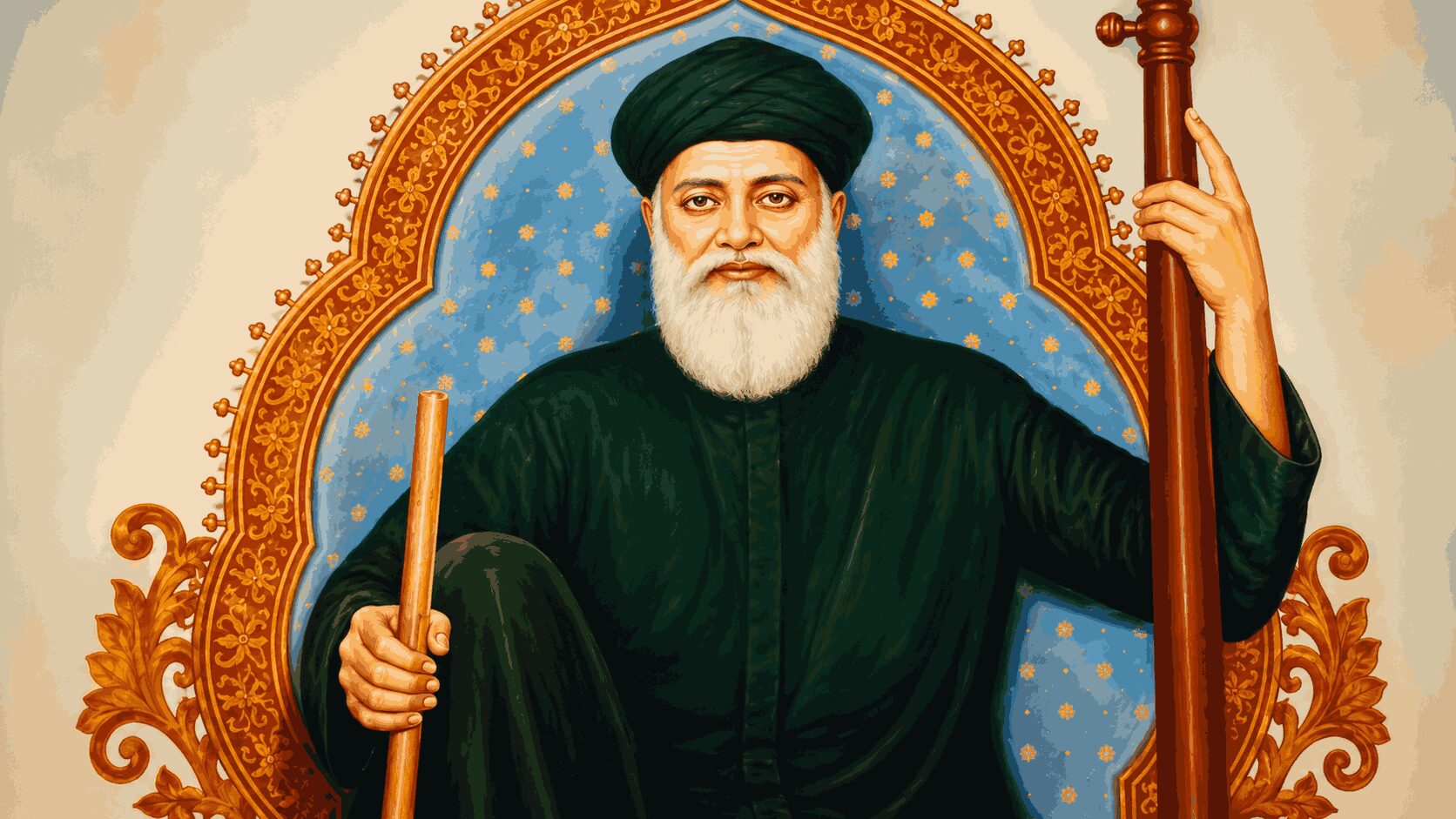
Hazrat Abdul Wahab, known as Sachal Sarmast, was one of the greatest mystic poets of Sindh. Fluent in seven languages, he earned the title Poet of Seven Languages and used his poetry to spread the ideals of truth, tolerance, and spiritual freedom.
Sachal Sarmast emphasized that God resides within every human being. He famously declared, Seek the truth within yourself, for the Divine dwells in every heart.
His verses called for harmony among religions and denounced intolerance and division. His shrine in Khairpur stands as a testament to his enduring influence.
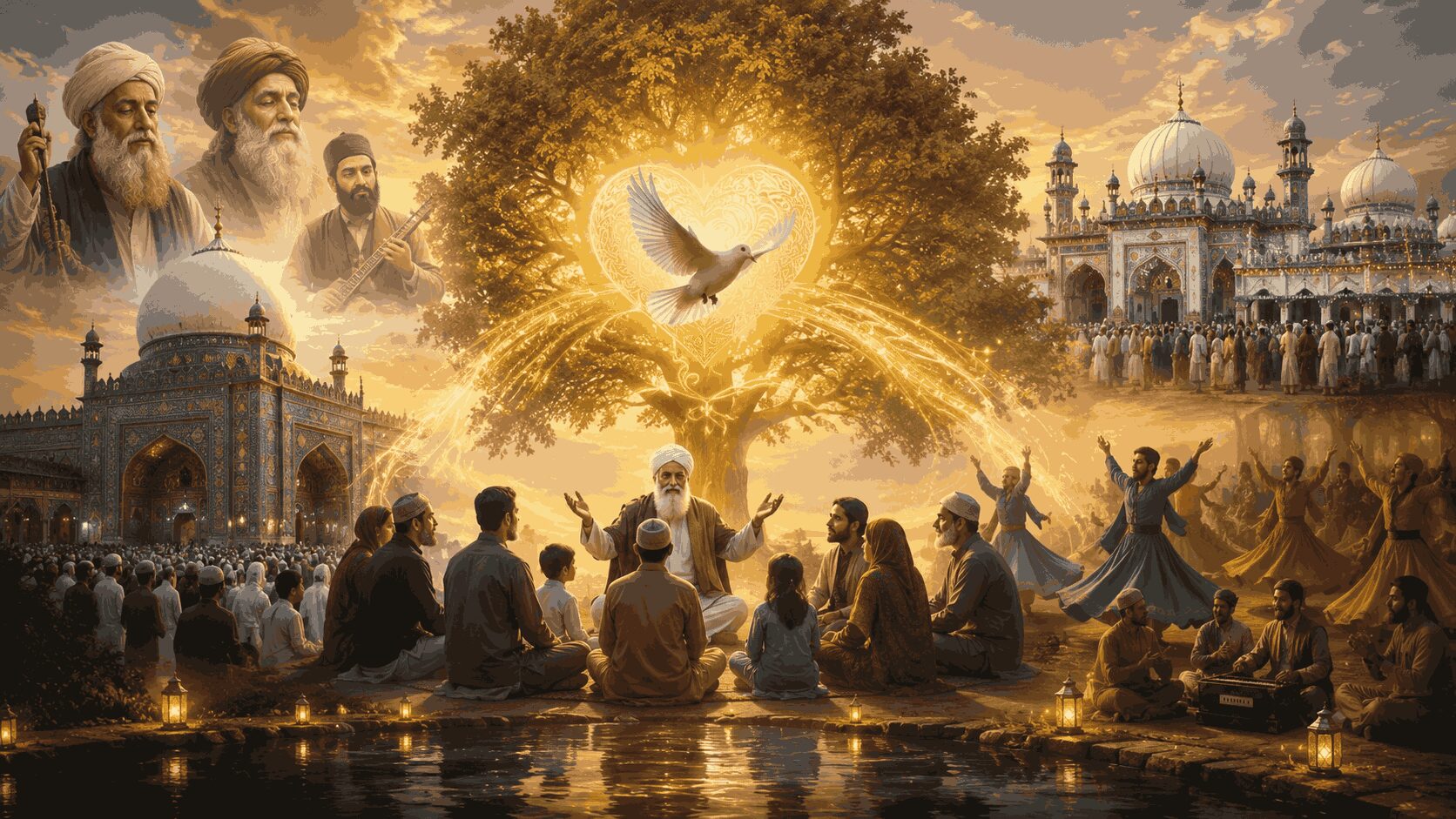
The teachings of Pakistan's great Sufi saints have shaped the spiritual, literary, and cultural identity of the region for centuries. Their message of love, compassion, tolerance, and service to humanity continues to guide millions of people regardless of faith or background.
Through poetry, music, scholarship, and charitable traditions, these saints promoted harmony and mutual respect.
Their shrines remain vibrant centers of devotion and cultural heritage, preserving centuries-old traditions for future generations.
Hazrat Ali Hujwiri, popularly known as Data Ganj Bakhsh, arrived in Lahore during the 11th century and became one of the earliest and most influential Sufi saints in South Asia.
Hazrat Ali Hujwiri, popularly known as Data Ganj Bakhsh, arrived in Lahore during the 11th century and became one of the earliest and most influential Sufi saints in South Asia.
His shrine in Lahore has remained a beacon of spirituality and learning for nearly a thousand years.
He authored Kashf al-Mahjub (The Revelation of the Veiled), one of the oldest and most celebrated texts on Sufism.
Through his teachings, he emphasized humility, charity, and service to humanity. He famously said, The nearest path to God is through service to His creation.
Hazrat Syed Usman Marwandi, known to generations as Lal Shahbaz Qalandar, settled in Sehwan Sharif during the 13th century. Revered by people of all faiths and backgrounds, he preached love, equality, and devotion to God.
Known as the Red Falcon, he rejected social barriers and embraced humanity as one family. His teachings are remembered through the saying, There are no strangers in the path of love.
His shrine is renowned for the spiritual tradition of dhamal, symbolizing divine ecstasy and devotion.
Born in 1689, Shah Abdul Latif Bhittai is regarded as one of the greatest poets and mystics of Sindh. Through his masterpiece Shah Jo Risalo, he immortalized folk tales while conveying profound spiritual truths and moral values.
His poetry emphasized patience, love, and the pursuit of truth. One of his most cherished sayings is, The deeper the sorrow, the closer one is to God.
His verses continue to be sung in traditional melodies, preserving Sindh's literary and cultural heritage. Shah Latif's teachings promoted tolerance and harmony among communities.
Hazrat Abdullah Shah Qadri, popularly known as Bulleh Shah, emerged as one of Punjab's greatest Sufi poets during the 17th and 18th centuries.
His poetry challenged social divisions, religious extremism, and prejudice, advocating love as the essence of spirituality.
His immortal verse, Bulleya, ki jaana main kaun (Bulleh, to me, I know not who I am), reflects humility and the quest for self-discovery. He taught that true faith lies beyond outward appearances and resides within the human heart.
Hazrat Abdul Wahab, known as Sachal Sarmast, was one of the greatest mystic poets of Sindh. Fluent in seven languages, he earned the title Poet of Seven Languages and used his poetry to spread the ideals of truth, tolerance, and spiritual freedom.
Sachal Sarmast emphasized that God resides within every human being. He famously declared, Seek the truth within yourself, for the Divine dwells in every heart.
His verses called for harmony among religions and denounced intolerance and division. His shrine in Khairpur stands as a testament to his enduring influence.
The teachings of Pakistan's great Sufi saints have shaped the spiritual, literary, and cultural identity of the region for centuries. Their message of love, compassion, tolerance, and service to humanity continues to guide millions of people regardless of faith or background.
Through poetry, music, scholarship, and charitable traditions, these saints promoted harmony and mutual respect.
Their shrines remain vibrant centers of devotion and cultural heritage, preserving centuries-old traditions for future generations.



