Pakistani Handicrafts Gain International Recognition In China
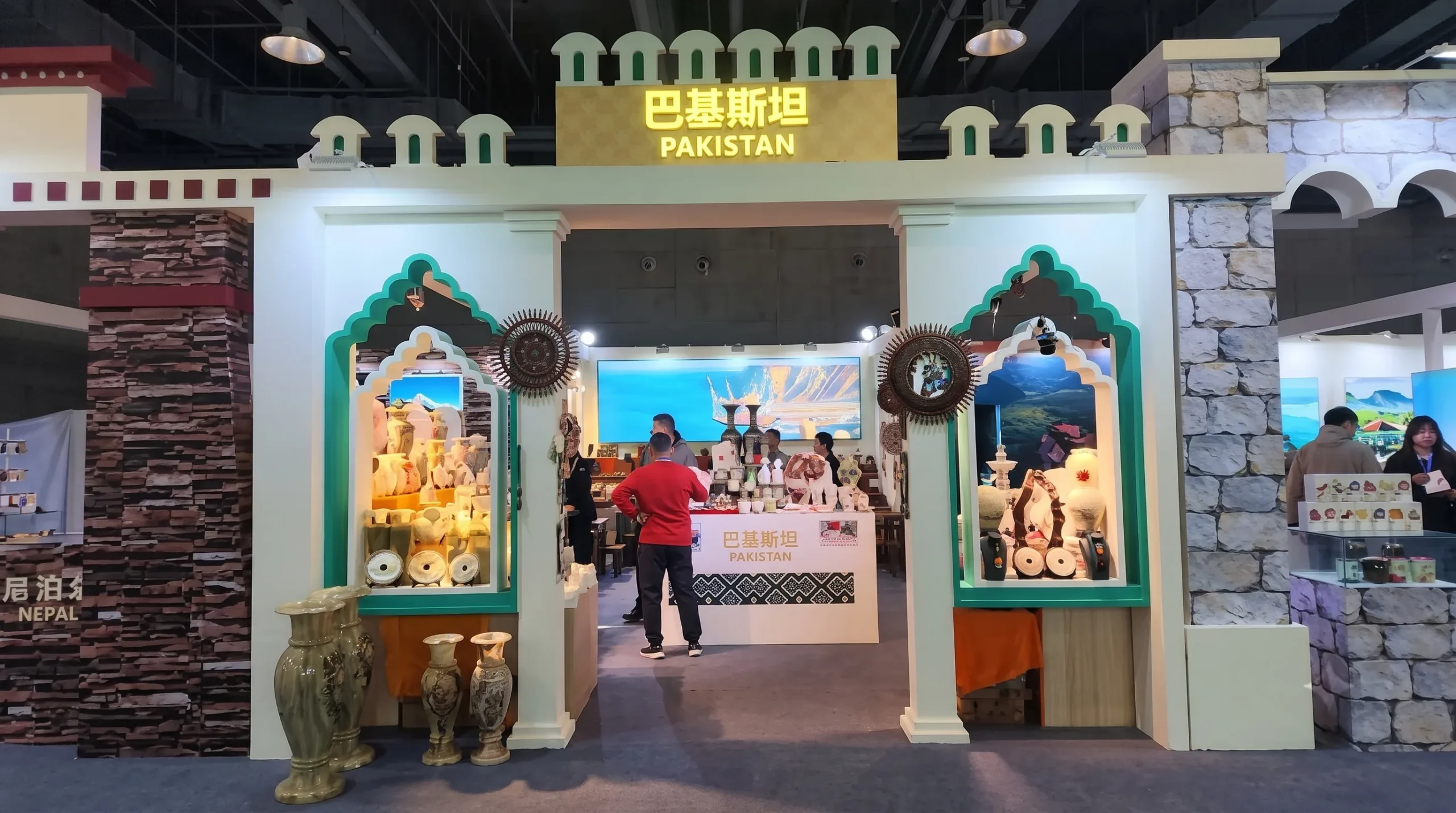
Traditional Pakistani handicrafts are attracting attention at the 9th Silk Road (Dunhuang) International Cultural Expo in northwestern China, where local craftsmanship is being introduced to international visitors.
Two Pakistani exhibitors are presenting their products at the event, including Khan Traders, a family-run business operated by two brothers.
Their stall features around 100 handmade products, highlighting the skill and detail behind Pakistan's traditional wood, brass and stone crafts.

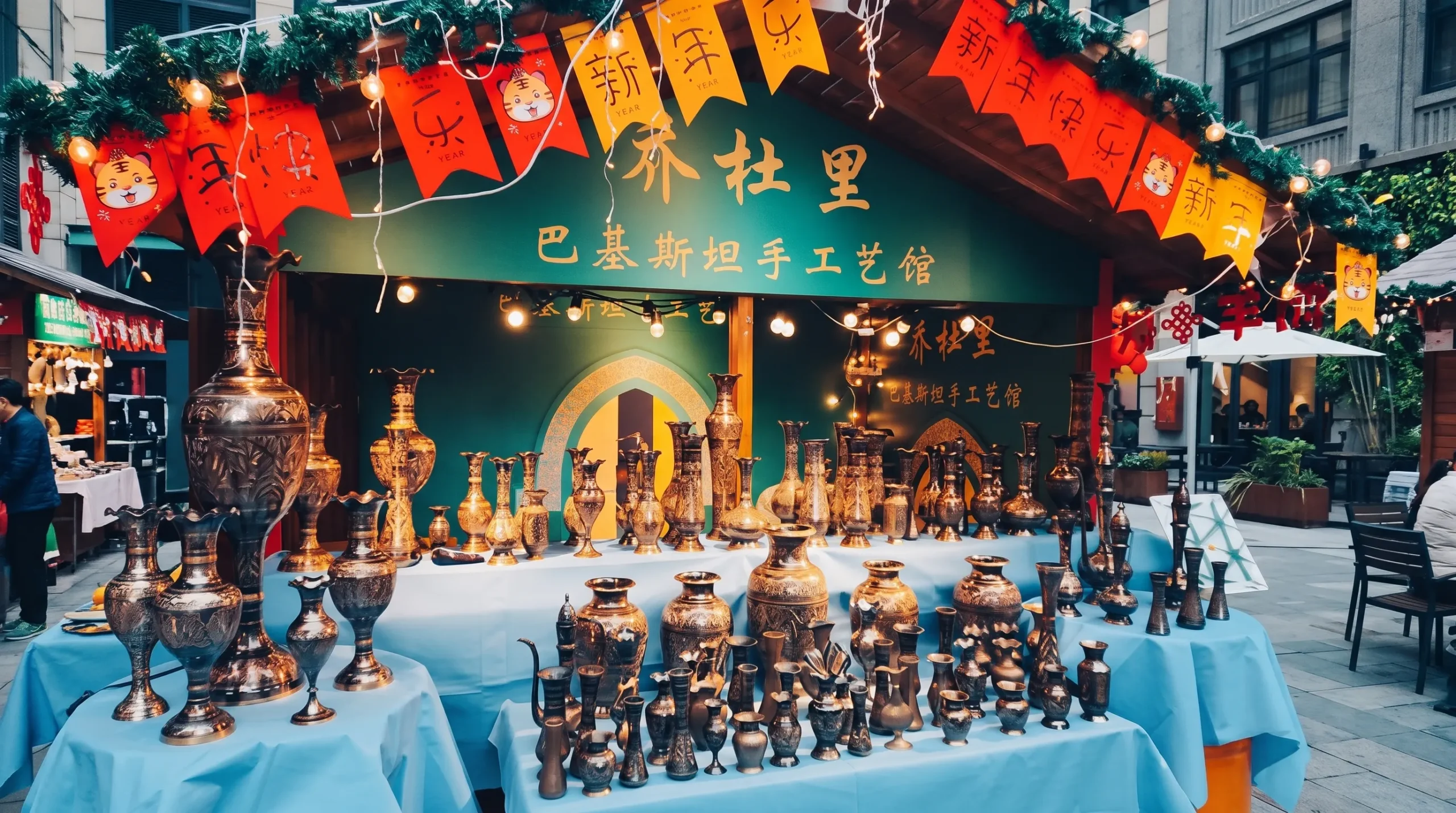
Among the showcased products are intricately crafted rosewood candy jars, tea tables, tissue boxes, jewellery boxes and dried-fruit trays. The younger exhibitor, Naeem Mirza, highlighted that the products are entirely handmade without the use of machinery.
The collection also includes brass horse figurines, specially brought for China's Year of the Horse, alongside naturally coloured pale-green stone products marketed as Pakistani jade. The exhibitors are offering introductory discounts to encourage visitors to explore their work.
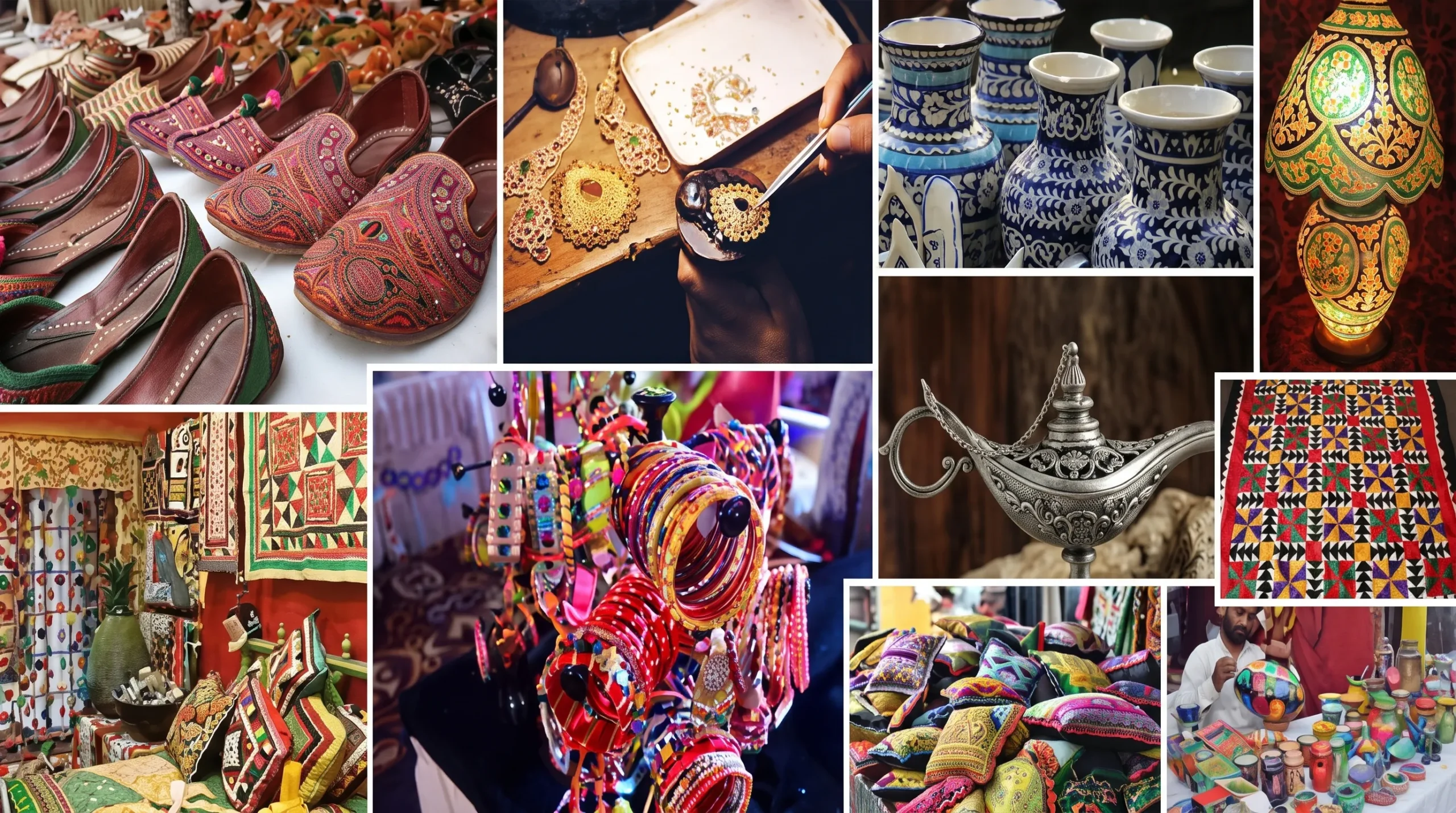
The exhibition is also creating opportunities for Pakistani entrepreneurs to strengthen their presence in the Chinese market. One of the exhibitors, Munir Muhammad, has been doing business in China for approximately two years and plans to remain in Dunhuang for another two months.
Pakistan's exports to China increased by 8.4% year-on-year, reaching $2.68 billion in the 2025–26 fiscal year, according to State Bank of Pakistan figures cited in the report.
Events like the Dunhuang Expo offer local businesses a platform to promote traditional products, build international connections and explore new commercial opportunities.
Traditional Pakistani handicrafts are attracting attention at the 9th Silk Road (Dunhuang) International Cultural Expo in northwestern China, where local craftsmanship is being introduced to international visitors.
Traditional Pakistani handicrafts are attracting attention at the 9th Silk Road (Dunhuang) International Cultural Expo in northwestern China, where local craftsmanship is being introduced to international visitors.
Two Pakistani exhibitors are presenting their products at the event, including Khan Traders, a family-run business operated by two brothers.
Their stall features around 100 handmade products, highlighting the skill and detail behind Pakistan's traditional wood, brass and stone crafts.
Among the showcased products are intricately crafted rosewood candy jars, tea tables, tissue boxes, jewellery boxes and dried-fruit trays. The younger exhibitor, Naeem Mirza, highlighted that the products are entirely handmade without the use of machinery.
The collection also includes brass horse figurines, specially brought for China's Year of the Horse, alongside naturally coloured pale-green stone products marketed as Pakistani jade. The exhibitors are offering introductory discounts to encourage visitors to explore their work.
The exhibition is also creating opportunities for Pakistani entrepreneurs to strengthen their presence in the Chinese market. One of the exhibitors, Munir Muhammad, has been doing business in China for approximately two years and plans to remain in Dunhuang for another two months.
Pakistan's exports to China increased by 8.4% year-on-year, reaching $2.68 billion in the 2025–26 fiscal year, according to State Bank of Pakistan figures cited in the report.
Events like the Dunhuang Expo offer local businesses a platform to promote traditional products, build international connections and explore new commercial opportunities.