Why Young Pakistanis Are Struggling To Buy Homes?- Parishae Adnan

Fashion designer Parishae Adnan has challenged the idea that younger generations are unwilling to work hard or manage their finances responsibly. She believes the bigger issue is the economic reality they face, where rising living costs and limited salaries have made traditional milestones increasingly difficult to achieve.
Speaking to Frieha Altaf on the FWhy? podcast, Parishae questioned how young professionals could realistically afford property when monthly salaries often range between Rs60,000 and Rs80,000. She compared this with her father's experience, explaining that veteran designer Amir Adnan could afford a house down payment with just a few months of salary when he was younger.

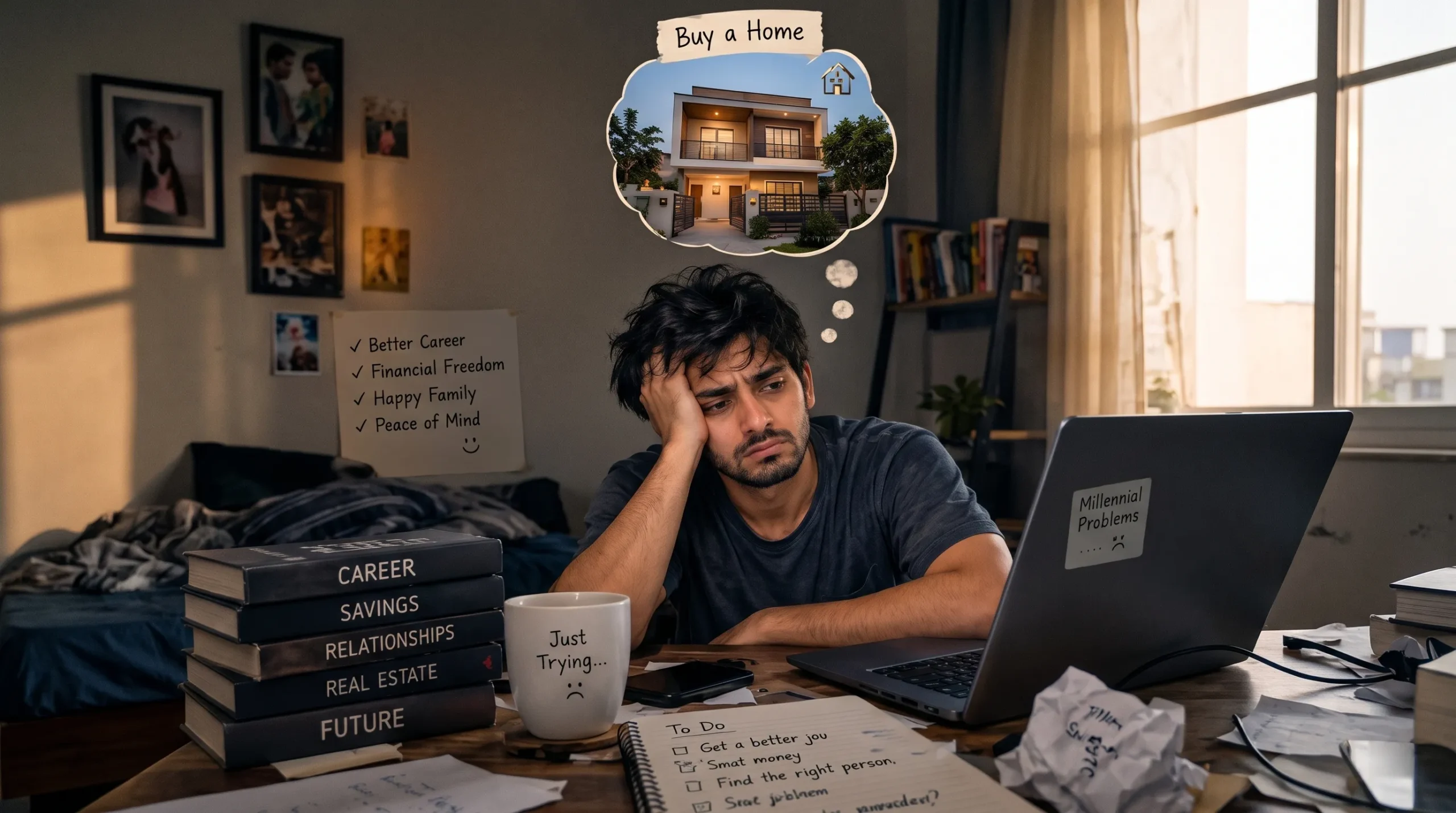
The designer also discussed how attitudes towards work have changed between generations. She observed that many millennials have grown accustomed to constantly working, often feeling guilty whenever they take a break or step away from their professional responsibilities.
Parishae believes Gen Z has started questioning this approach and is more comfortable recognising that life should not revolve entirely around work. She shared that her younger sister, for example, appears much more relaxed about balancing work and personal time, something she feels her own generation struggles with.

Moving beyond financial concerns, Parishae identified the lack of basic facilities as another major reason behind growing frustration in Pakistani society. She explained that when people struggle to access essentials such as food, housing, clean water, gas and electricity, everyday life becomes considerably more stressful.
She argued that these difficulties affect people's behaviour and patience, with the pressure of dealing with problems outside the home often following them back into their personal lives. She also stressed that this frustration is not limited to people from lower-income backgrounds but can affect society across different economic levels.
Fashion designer Parishae Adnan has challenged the idea that younger generations are unwilling to work hard or manage their finances responsibly.
Fashion designer Parishae Adnan has challenged the idea that younger generations are unwilling to work hard or manage their finances responsibly. She believes the bigger issue is the economic reality they face, where rising living costs and limited salaries have made traditional milestones increasingly difficult to achieve.
Speaking to Frieha Altaf on the FWhy? podcast, Parishae questioned how young professionals could realistically afford property when monthly salaries often range between Rs60,000 and Rs80,000. She compared this with her father's experience, explaining that veteran designer Amir Adnan could afford a house down payment with just a few months of salary when he was younger.
The designer also discussed how attitudes towards work have changed between generations. She observed that many millennials have grown accustomed to constantly working, often feeling guilty whenever they take a break or step away from their professional responsibilities.
Parishae believes Gen Z has started questioning this approach and is more comfortable recognising that life should not revolve entirely around work. She shared that her younger sister, for example, appears much more relaxed about balancing work and personal time, something she feels her own generation struggles with.
Moving beyond financial concerns, Parishae identified the lack of basic facilities as another major reason behind growing frustration in Pakistani society. She explained that when people struggle to access essentials such as food, housing, clean water, gas and electricity, everyday life becomes considerably more stressful.
She argued that these difficulties affect people's behaviour and patience, with the pressure of dealing with problems outside the home often following them back into their personal lives. She also stressed that this frustration is not limited to people from lower-income backgrounds but can affect society across different economic levels.



