A Pakistani Worker’s Wish To Pray Near The Kaaba Wins Hearts
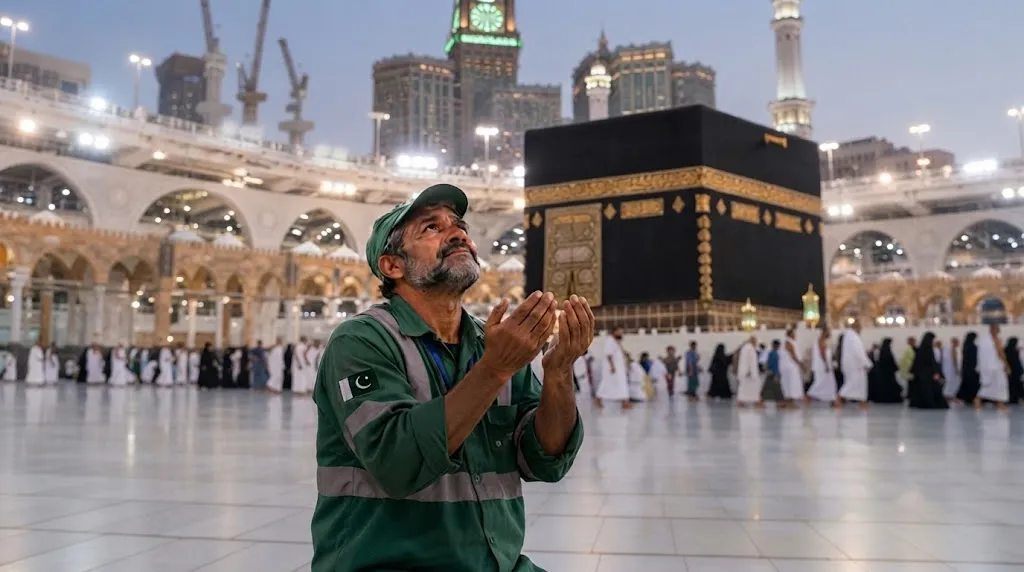
For one Pakistani worker serving at Masjid al-Haram, the reported opportunity to pray at a sacred site became more desirable than a financial reward.
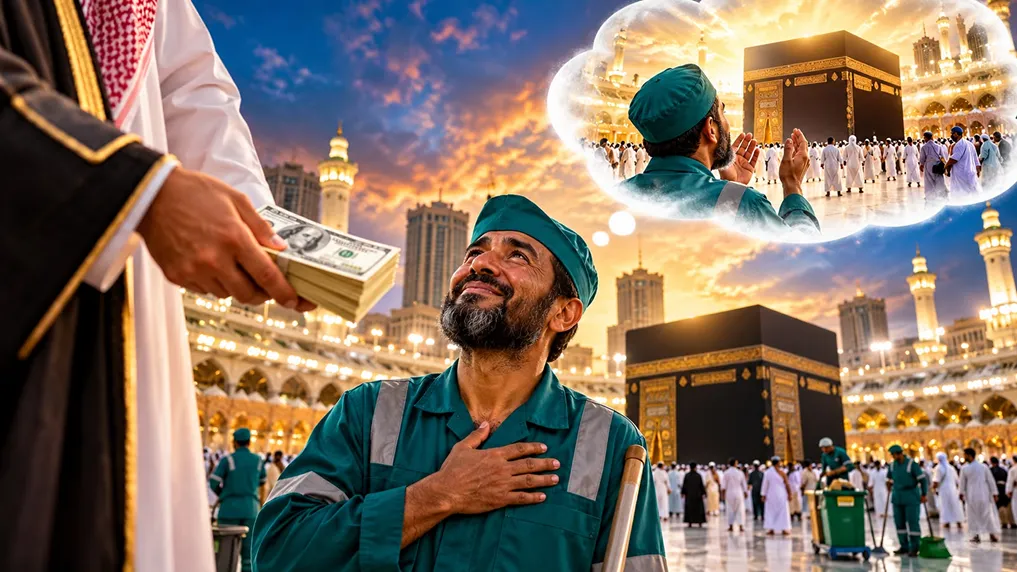
An account shared online says he declined the money and instead requested permission to pray in Hijr-e-Ismail, the revered area beside the Holy Kaaba.
The reported decision offers a different perspective on what people consider valuable. While a cash reward can provide immediate financial benefit, the chance to fulfil a deeply held spiritual aspiration may carry a significance that cannot be measured in monetary terms.

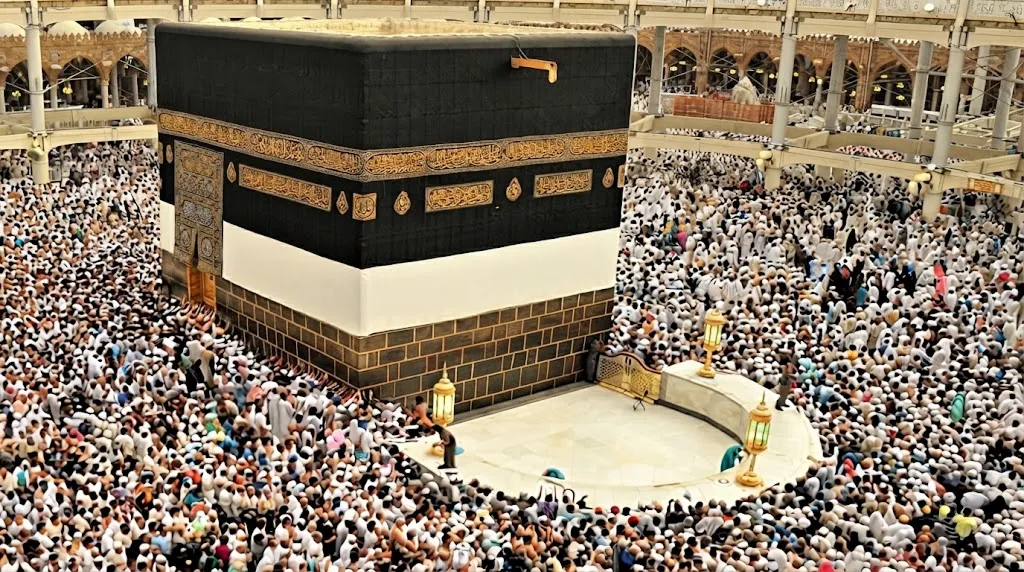
Hijr-e-Ismail is a semicircular enclosure adjoining the Kaaba in Makkah. Its religious significance makes it a cherished place for worshippers, many of whom hope to offer prayers there during their visit to Masjid al-Haram.
Access to this area is subject to arrangements at the Grand Mosque, so the opportunity to pray there can be especially meaningful for visitors. For someone working at the site, the reported request reflects a personal wish connected to faith rather than material gain.
Stories like this resonate because they invite people to think about rewards differently. Success is often measured through income, possessions or professional recognition, but personal fulfilment can also come from experiences tied to belief, gratitude and devotion.
The people who maintain and serve the Grand Mosque play an important role in supporting the millions of worshippers who visit it. Their work takes place in a setting that holds immense importance for Muslims around the world.
It is important to note that the worker’s story, the cash offer and the reported permission have not been independently verified.
For one Pakistani worker serving at Masjid al-Haram, the reported opportunity to pray at a sacred site became more desirable than a financial reward.
For one Pakistani worker serving at Masjid al-Haram, the reported opportunity to pray at a sacred site became more desirable than a financial reward.
An account shared online says he declined the money and instead requested permission to pray in Hijr-e-Ismail, the revered area beside the Holy Kaaba.
The reported decision offers a different perspective on what people consider valuable. While a cash reward can provide immediate financial benefit, the chance to fulfil a deeply held spiritual aspiration may carry a significance that cannot be measured in monetary terms.
Hijr-e-Ismail is a semicircular enclosure adjoining the Kaaba in Makkah. Its religious significance makes it a cherished place for worshippers, many of whom hope to offer prayers there during their visit to Masjid al-Haram.
Access to this area is subject to arrangements at the Grand Mosque, so the opportunity to pray there can be especially meaningful for visitors. For someone working at the site, the reported request reflects a personal wish connected to faith rather than material gain.
Stories like this resonate because they invite people to think about rewards differently. Success is often measured through income, possessions or professional recognition, but personal fulfilment can also come from experiences tied to belief, gratitude and devotion.
The people who maintain and serve the Grand Mosque play an important role in supporting the millions of worshippers who visit it. Their work takes place in a setting that holds immense importance for Muslims around the world.
It is important to note that the worker’s story, the cash offer and the reported permission have not been independently verified.



