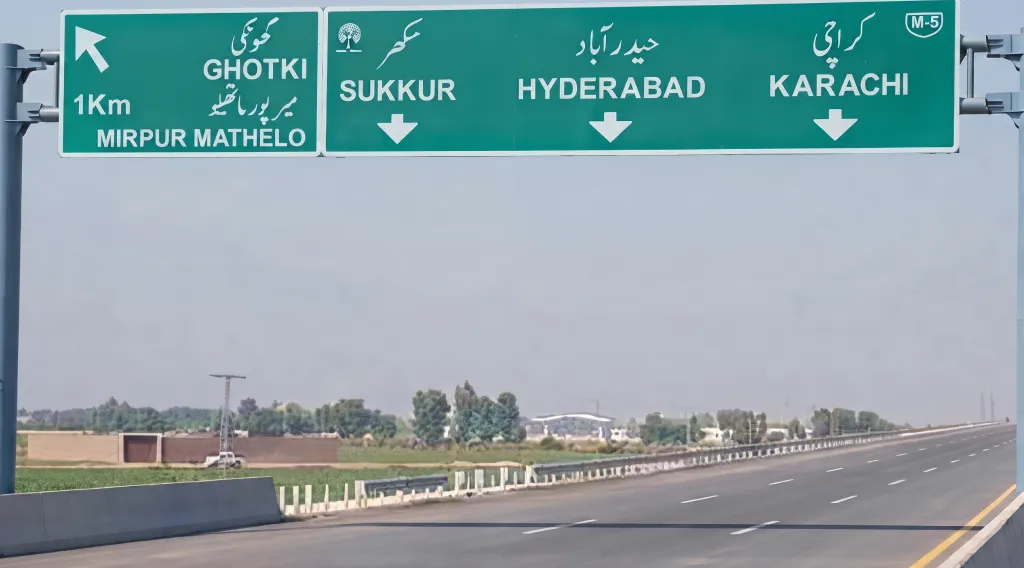
Pakistan is moving ahead with plans for the M 10 motorway, a major infrastructure project designed to create another direct high speed connection between Karachi and Hyderabad.
The project is expected to attract an investment of more than $400 million, with its feasibility study already completed. The government has divided the motorway into five sections, each covering around 50 kilometres, to make financing and construction more manageable.
Once completed, the M 10 could provide an additional route between two of Sindh’s biggest urban centres.

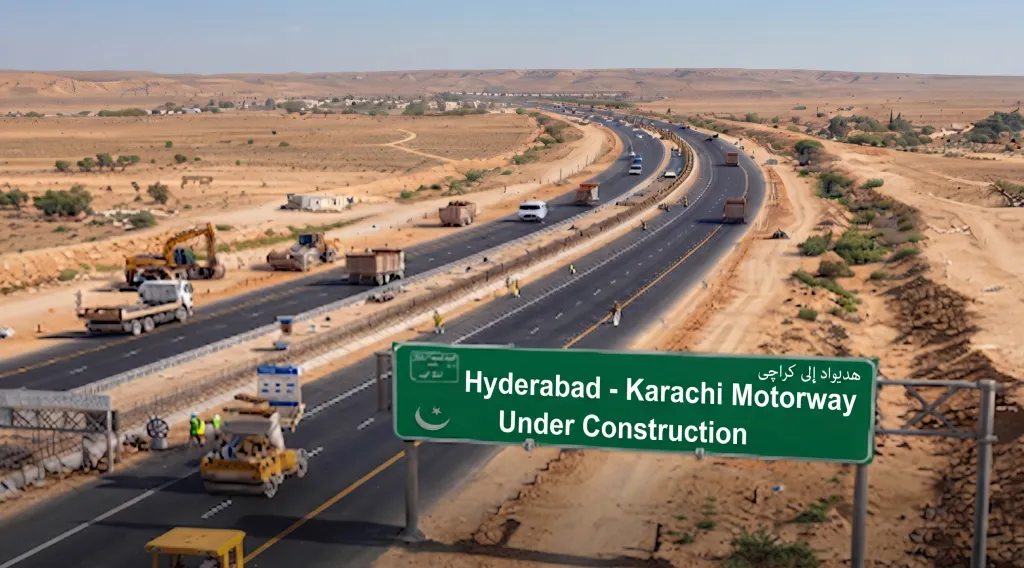
Progress on the project is continuing, with three of the five sections already attracting investment through different financing arrangements.
The Islamic Development Bank is among the institutions supporting the project, while efforts are underway to secure financing for the remaining sections.
Dividing the motorway into separate sections could help construction and funding move forward in stages. With the feasibility work complete and investment secured for several portions, the project has already moved beyond the planning stage.
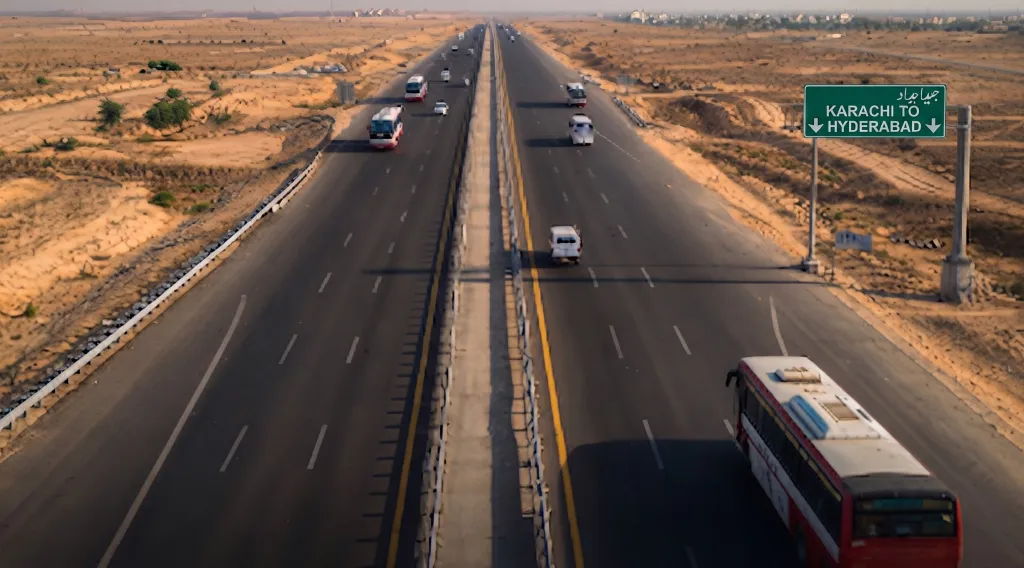
The M 10 could significantly strengthen the road network connecting Karachi and Hyderabad, two major economic and population centres.
A second high speed route could provide greater flexibility for passenger and commercial traffic while improving the movement of goods between the two cities.
Better connectivity can also make it easier for businesses, workers and communities along the route to access major urban centres.
The project could support economic activity by strengthening links between industrial, commercial and residential areas.
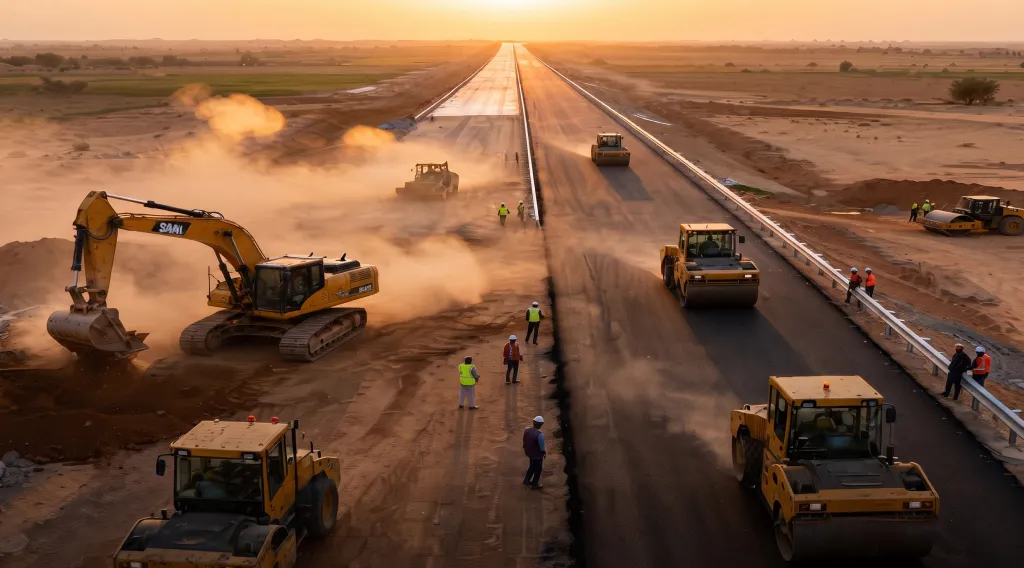
The federal government has set 2028 as the target for completing the M 10 motorway. If achieved, the project would add another major corridor to Pakistan’s expanding motorway network.
With the feasibility study completed, several sections already backed by financing and work continuing to attract investment for the remaining portions, the project is steadily moving forward.
Beyond creating a new route between Karachi and Hyderabad, the M 10 could become an important piece of Sindh’s future transport infrastructure, supporting smoother movement of people and goods and strengthening economic links between the two cities.
Pakistan is moving ahead with plans for the M 10 motorway, a major infrastructure project designed to create another direct high speed connection between Karachi and Hyderabad.
Pakistan is moving ahead with plans for the M 10 motorway, a major infrastructure project designed to create another direct high speed connection between Karachi and Hyderabad.
The project is expected to attract an investment of more than $400 million, with its feasibility study already completed. The government has divided the motorway into five sections, each covering around 50 kilometres, to make financing and construction more manageable.
Once completed, the M 10 could provide an additional route between two of Sindh’s biggest urban centres.
Progress on the project is continuing, with three of the five sections already attracting investment through different financing arrangements.
The Islamic Development Bank is among the institutions supporting the project, while efforts are underway to secure financing for the remaining sections.
Dividing the motorway into separate sections could help construction and funding move forward in stages. With the feasibility work complete and investment secured for several portions, the project has already moved beyond the planning stage.
The M 10 could significantly strengthen the road network connecting Karachi and Hyderabad, two major economic and population centres.
A second high speed route could provide greater flexibility for passenger and commercial traffic while improving the movement of goods between the two cities.
Better connectivity can also make it easier for businesses, workers and communities along the route to access major urban centres.
The project could support economic activity by strengthening links between industrial, commercial and residential areas.
The federal government has set 2028 as the target for completing the M 10 motorway. If achieved, the project would add another major corridor to Pakistan’s expanding motorway network.
With the feasibility study completed, several sections already backed by financing and work continuing to attract investment for the remaining portions, the project is steadily moving forward.
Beyond creating a new route between Karachi and Hyderabad, the M 10 could become an important piece of Sindh’s future transport infrastructure, supporting smoother movement of people and goods and strengthening economic links between the two cities.



