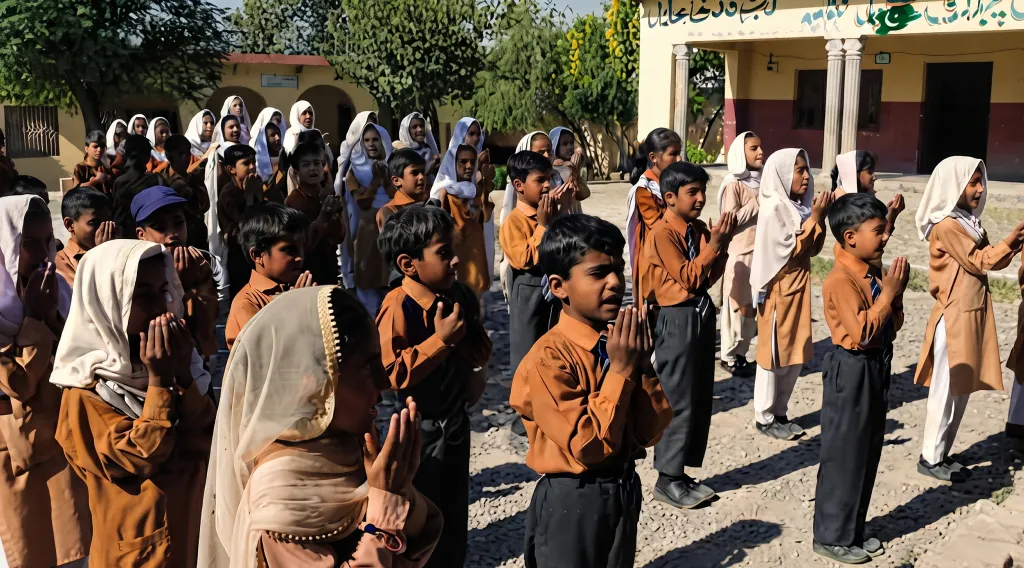
In Haripur, one man took a simple approach to a difficult problem: if families could not afford school fees, make education almost free.
Zahid Kazmi founded Babul Ilm school for children from economically disadvantaged families, asking parents to contribute just Rs1.
The symbolic fee was not about collecting money. It was about preserving dignity and ensuring that parents did not feel they were receiving charity when sending their children to school.

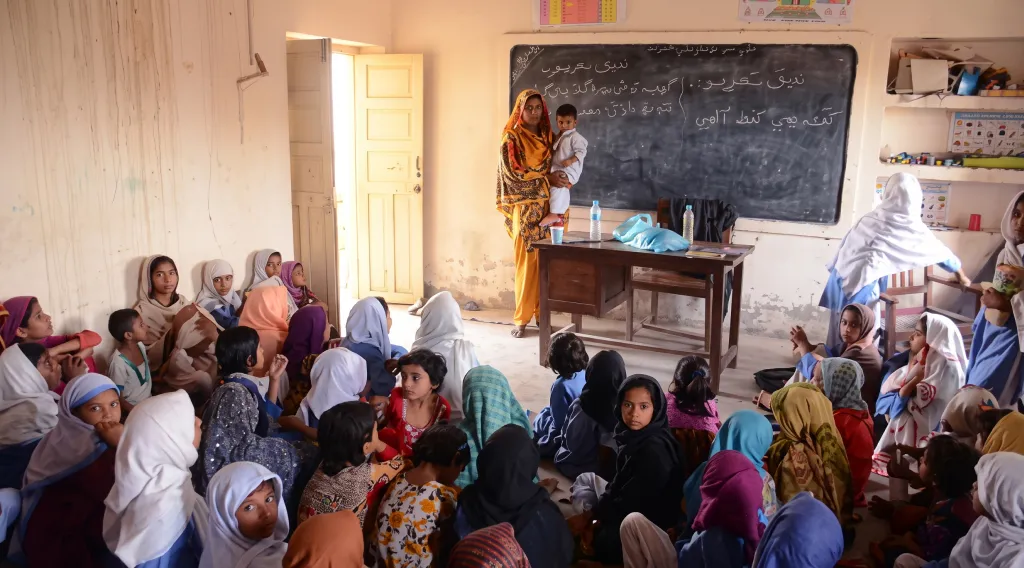
For families struggling to meet everyday expenses, even ordinary school costs can become a barrier to education. Babul Ilm was created around the idea that poverty should not determine a child’s access to learning.
By keeping the contribution at just one rupee, the school offered families a way to participate rather than simply receive assistance.
Sponsors helped cover essential costs including books, clothing and transportation, making it easier for children to remain connected to their education.
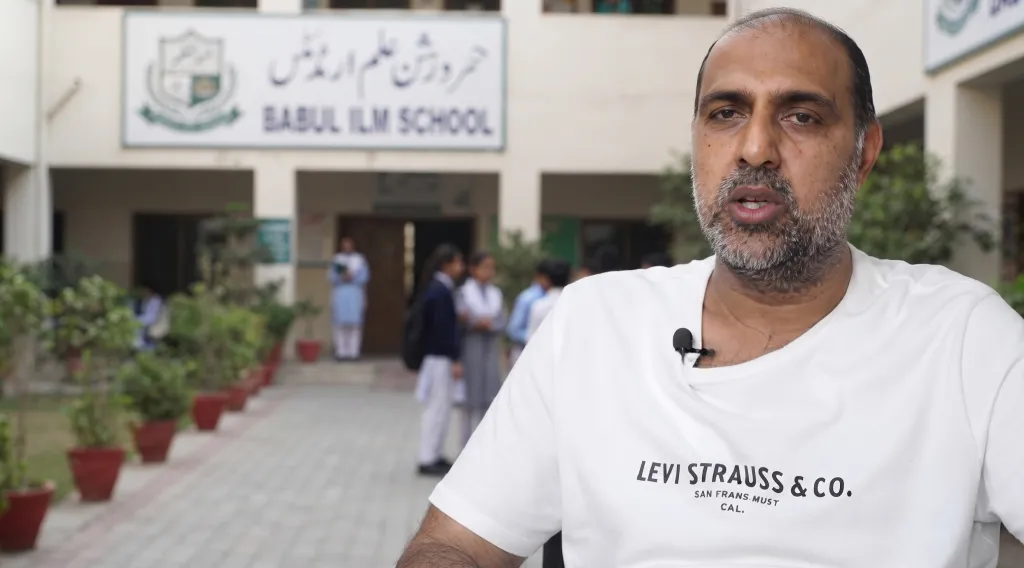
The school’s story was never only about one person. Kazmi relied on his own resources, friends, philanthropists and overseas Pakistanis to support the initiative and meet the needs of its students.
Of the school’s 140 students, more than 100 were reportedly sponsored, allowing children from families with limited means to continue their education.
Behind those numbers were individual children who could attend classes, access learning materials and travel to school.
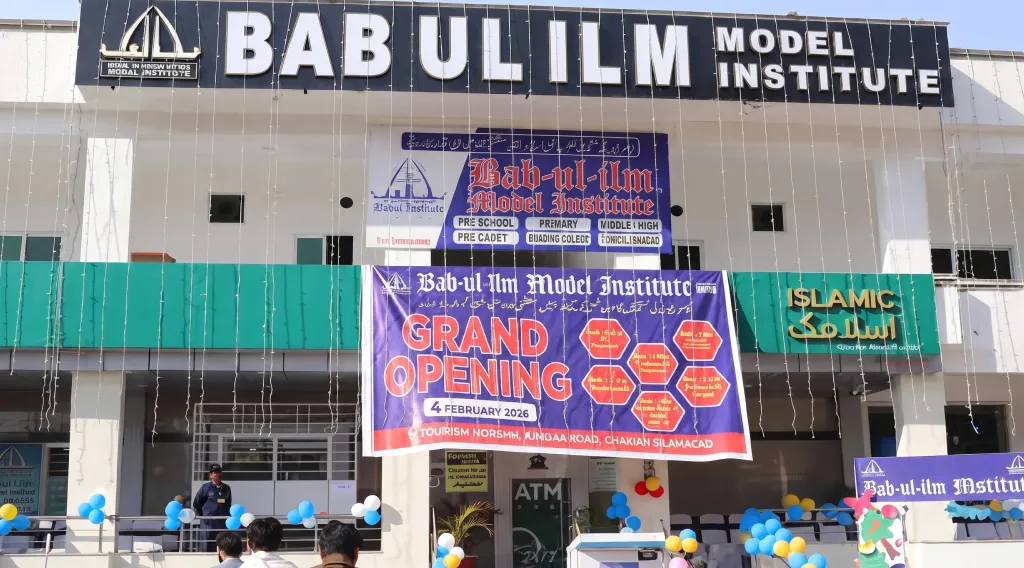
The story of Babul Ilm is ultimately about more than a school fee. It is about what happens when someone looks at an obstacle and chooses to make education easier to reach rather than accept that poverty should close the door.
One rupee may seem insignificant, but for the children entering Babul Ilm, it represented something much larger: the opportunity to sit in a classroom, learn alongside others and imagine a future beyond their circumstances.
Zahid Kazmi’s initiative offers a quietly powerful reminder that meaningful change does not always begin with enormous resources.
In Haripur, one man took a simple approach to a difficult problem: if families could not afford school fees, make education almost free.
In Haripur, one man took a simple approach to a difficult problem: if families could not afford school fees, make education almost free.
Zahid Kazmi founded Babul Ilm school for children from economically disadvantaged families, asking parents to contribute just Rs1.
The symbolic fee was not about collecting money. It was about preserving dignity and ensuring that parents did not feel they were receiving charity when sending their children to school.
For families struggling to meet everyday expenses, even ordinary school costs can become a barrier to education. Babul Ilm was created around the idea that poverty should not determine a child’s access to learning.
By keeping the contribution at just one rupee, the school offered families a way to participate rather than simply receive assistance.
Sponsors helped cover essential costs including books, clothing and transportation, making it easier for children to remain connected to their education.
The school’s story was never only about one person. Kazmi relied on his own resources, friends, philanthropists and overseas Pakistanis to support the initiative and meet the needs of its students.
Of the school’s 140 students, more than 100 were reportedly sponsored, allowing children from families with limited means to continue their education.
Behind those numbers were individual children who could attend classes, access learning materials and travel to school.
The story of Babul Ilm is ultimately about more than a school fee. It is about what happens when someone looks at an obstacle and chooses to make education easier to reach rather than accept that poverty should close the door.
One rupee may seem insignificant, but for the children entering Babul Ilm, it represented something much larger: the opportunity to sit in a classroom, learn alongside others and imagine a future beyond their circumstances.
Zahid Kazmi’s initiative offers a quietly powerful reminder that meaningful change does not always begin with enormous resources.



