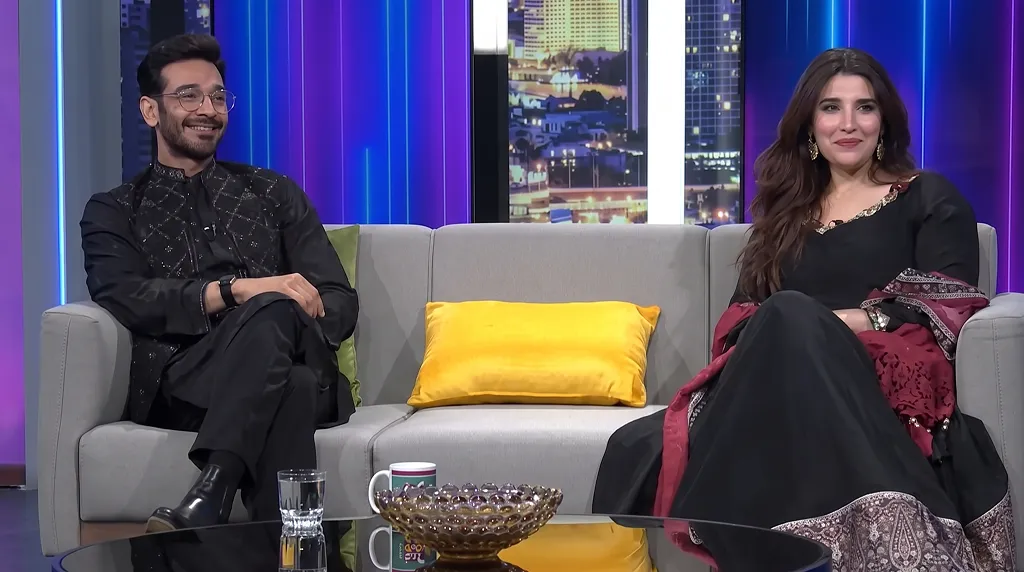
Actor Faysal Quraishi has challenged a deeply rooted social expectation that a married daughter should return to her parents’ home only for her funeral.
Speaking on Vasay Chaudhry’s talk show Gup Shab, he questioned why marriage should change a parent’s responsibility towards their child.
He pointed out the contradiction in raising a daughter with love and care, only to withdraw that support when she faces difficulties in her married life. For Quraishi, a daughter’s relationship with her parents does not lose its importance once she gets married.


Quraishi stressed that parents should value their sons and daughters equally, regardless of their marital status. He questioned the belief that a woman must endure mistreatment simply because she is married, highlighting the importance of having a family she can turn to during difficult times.
He also welcomed changing portrayals of fatherhood in Pakistani television dramas, where some storylines show fathers actively protecting and supporting their daughters. He recalled appreciating an on-screen father-daughter relationship featuring Shamyl Khan and Mawra Hocane.
Such portrayals can bring conversations about family responsibility into people's homes.
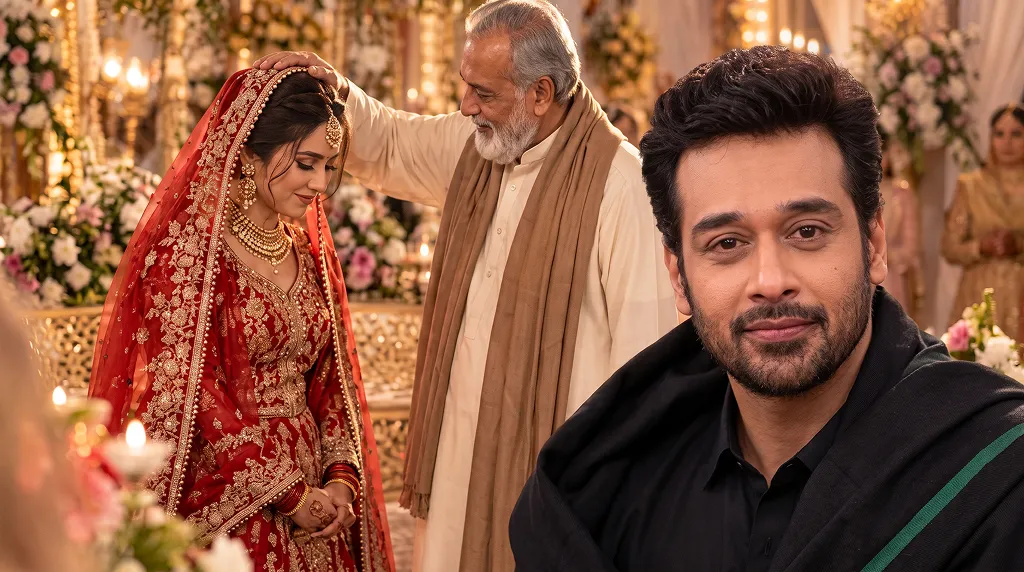
Quraishi also connected the theme to his upcoming film Mango Jutt, in which his character reassures Hareem Farooq’s character that he will be there whenever she looks back for support.
The dialogue reflects the same idea he raised during the interview: no child should have to face hardship alone.
His remarks bring attention to the pressures that can prevent married women from seeking help, including fear of social judgment and rejection by their own families. For someone facing violence, knowing that a safe home remains available can make a crucial difference.
Actor Faysal Quraishi has challenged a deeply rooted social expectation that a married daughter should return to her parents’ home only for her funeral.
Actor Faysal Quraishi has challenged a deeply rooted social expectation that a married daughter should return to her parents’ home only for her funeral.
Speaking on Vasay Chaudhry’s talk show Gup Shab, he questioned why marriage should change a parent’s responsibility towards their child.
He pointed out the contradiction in raising a daughter with love and care, only to withdraw that support when she faces difficulties in her married life. For Quraishi, a daughter’s relationship with her parents does not lose its importance once she gets married.
Quraishi stressed that parents should value their sons and daughters equally, regardless of their marital status. He questioned the belief that a woman must endure mistreatment simply because she is married, highlighting the importance of having a family she can turn to during difficult times.
He also welcomed changing portrayals of fatherhood in Pakistani television dramas, where some storylines show fathers actively protecting and supporting their daughters. He recalled appreciating an on-screen father-daughter relationship featuring Shamyl Khan and Mawra Hocane.
Such portrayals can bring conversations about family responsibility into people's homes.
Quraishi also connected the theme to his upcoming film Mango Jutt, in which his character reassures Hareem Farooq’s character that he will be there whenever she looks back for support.
The dialogue reflects the same idea he raised during the interview: no child should have to face hardship alone.
His remarks bring attention to the pressures that can prevent married women from seeking help, including fear of social judgment and rejection by their own families. For someone facing violence, knowing that a safe home remains available can make a crucial difference.



