Two Hearts, One Soul: Pakistan’s New Song For Türkiye
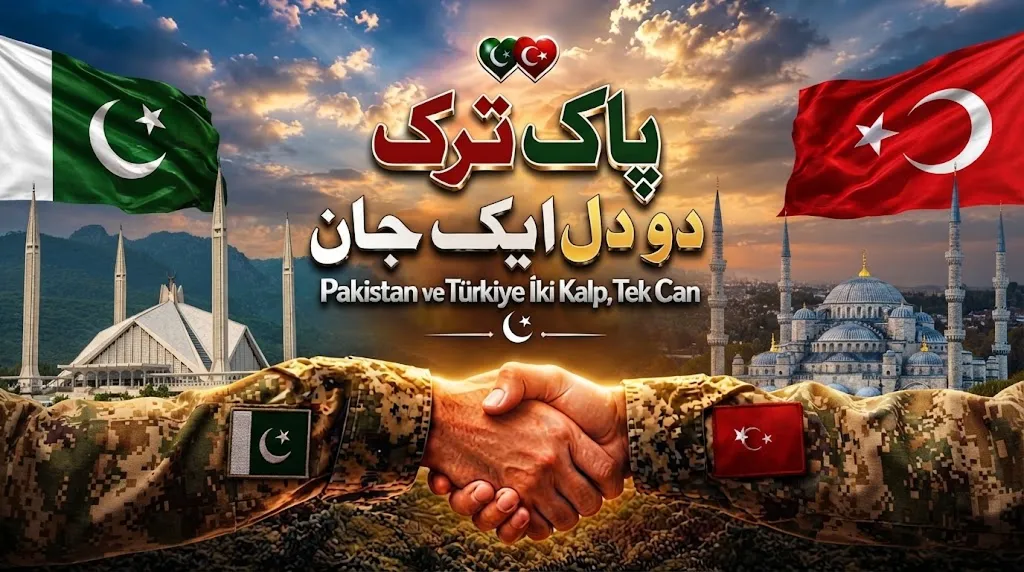
Pakistan has marked Türkiye’s 104th Victory Day with a musical project that brings Urdu and Turkish together in the same composition. Titled Do Dil Aik Jaan | İki Kalp Tek Can, the song was released by ISPR on August 30 as a tribute to the relationship between the two countries.
Instead of presenting the connection through speeches or official ceremonies, the production tells it through melody, poetry and performance. The lyrics move between Urdu and Turkish, allowing the song to speak in the cultural languages of both audiences.

One of the more distinctive details about the project is that the entire performance was created by Pakistani artists, despite incorporating Turkish musical elements.
Vocalists Usman Raees and Dr Mubashra Hafeez perform the duet, while the composition was developed by Kamran Ullah Khan and Samya Gohar.
The production also brings together musicians playing instruments associated with both musical traditions. Ustad Tanveer Hussain performs on the Turkish bağlama, Hamza Ali plays darbuka, while Samar Hussain brings the Pakistani rubab into the arrangement.
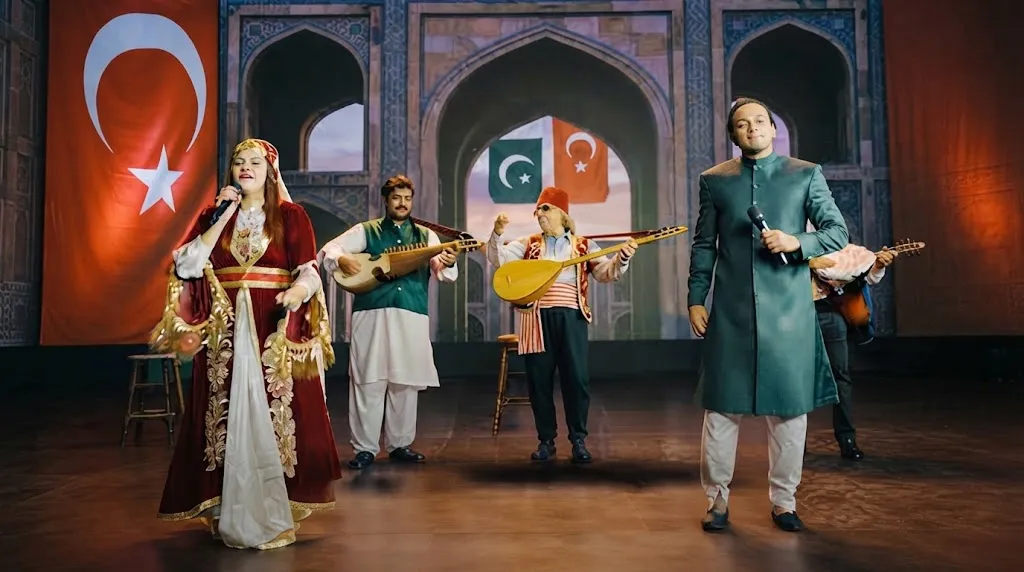
The instrumentation is perhaps where the cultural exchange becomes most audible. The bağlama, a stringed instrument strongly associated with Turkish music, appears alongside the rubab, an important instrument in Pakistani and regional folk traditions.
The arrangement also incorporates darbuka, adding another layer to the percussion while allowing the different sounds to sit within the same musical framework. The result is not a conventional pop track built around one country's musical vocabulary.
Visually and musically, the video is designed around the idea of connection.
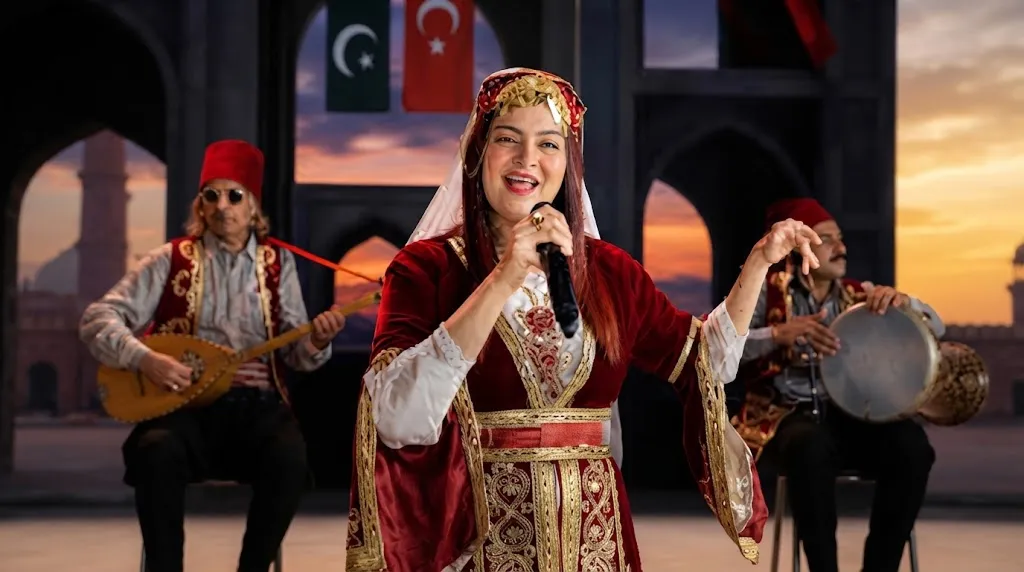
Released specifically for Türkiye’s Victory Day, the song connects a national celebration with Pakistan’s longstanding cultural relationship with Türkiye.
The occasion commemorates the Turkish victory of August 30, 1922, making the timing of the release particularly significant.
But the project is ultimately less about a formal diplomatic statement and more about cultural expression. Its creators chose singers, musicians, languages and instruments to represent the relationship through an artistic format that can travel beyond official spaces.
Pakistan has marked Türkiye’s 104th Victory Day with a musical project that brings Urdu and Turkish together in the same composition.
Pakistan has marked Türkiye’s 104th Victory Day with a musical project that brings Urdu and Turkish together in the same composition. Titled Do Dil Aik Jaan | İki Kalp Tek Can, the song was released by ISPR on August 30 as a tribute to the relationship between the two countries.
Instead of presenting the connection through speeches or official ceremonies, the production tells it through melody, poetry and performance. The lyrics move between Urdu and Turkish, allowing the song to speak in the cultural languages of both audiences.
One of the more distinctive details about the project is that the entire performance was created by Pakistani artists, despite incorporating Turkish musical elements.
Vocalists Usman Raees and Dr Mubashra Hafeez perform the duet, while the composition was developed by Kamran Ullah Khan and Samya Gohar.
The production also brings together musicians playing instruments associated with both musical traditions. Ustad Tanveer Hussain performs on the Turkish bağlama, Hamza Ali plays darbuka, while Samar Hussain brings the Pakistani rubab into the arrangement.
The instrumentation is perhaps where the cultural exchange becomes most audible. The bağlama, a stringed instrument strongly associated with Turkish music, appears alongside the rubab, an important instrument in Pakistani and regional folk traditions.
The arrangement also incorporates darbuka, adding another layer to the percussion while allowing the different sounds to sit within the same musical framework. The result is not a conventional pop track built around one country's musical vocabulary.
Visually and musically, the video is designed around the idea of connection.
Released specifically for Türkiye’s Victory Day, the song connects a national celebration with Pakistan’s longstanding cultural relationship with Türkiye.
The occasion commemorates the Turkish victory of August 30, 1922, making the timing of the release particularly significant.
But the project is ultimately less about a formal diplomatic statement and more about cultural expression. Its creators chose singers, musicians, languages and instruments to represent the relationship through an artistic format that can travel beyond official spaces.