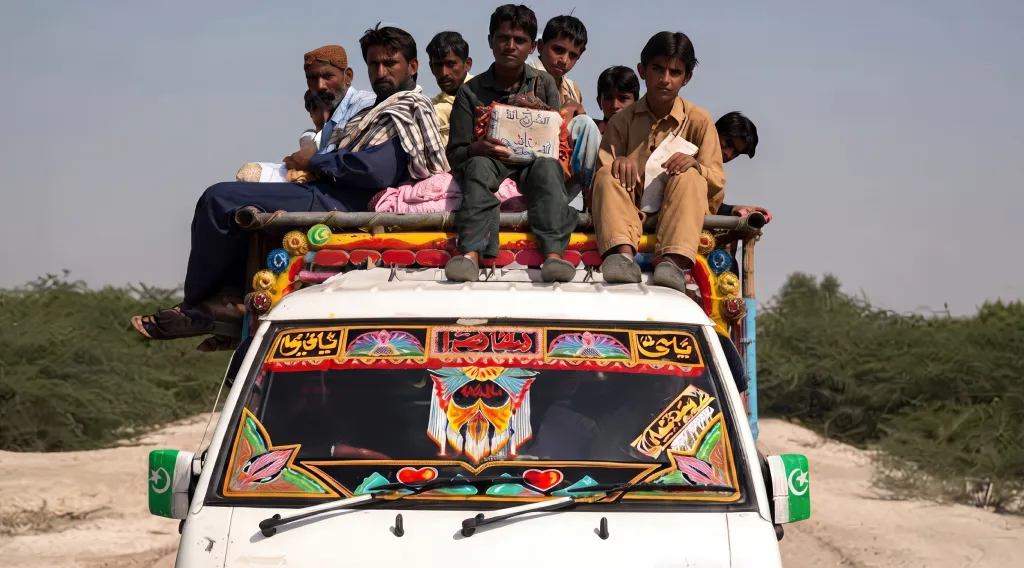
In Teekum Kohli, a village in rural Sindh, education became a community responsibility.
After Pakistan’s devastating 2022 floods, children in many parts of Sindh were left without safe and functioning schools.
In this village, residents decided they could not simply wait for help to arrive. The community came together to build a climate resilient school for its children.
Instead of relying entirely on outside funding, households contributed from their own limited resources, turning individual sacrifices into a shared investment in education.

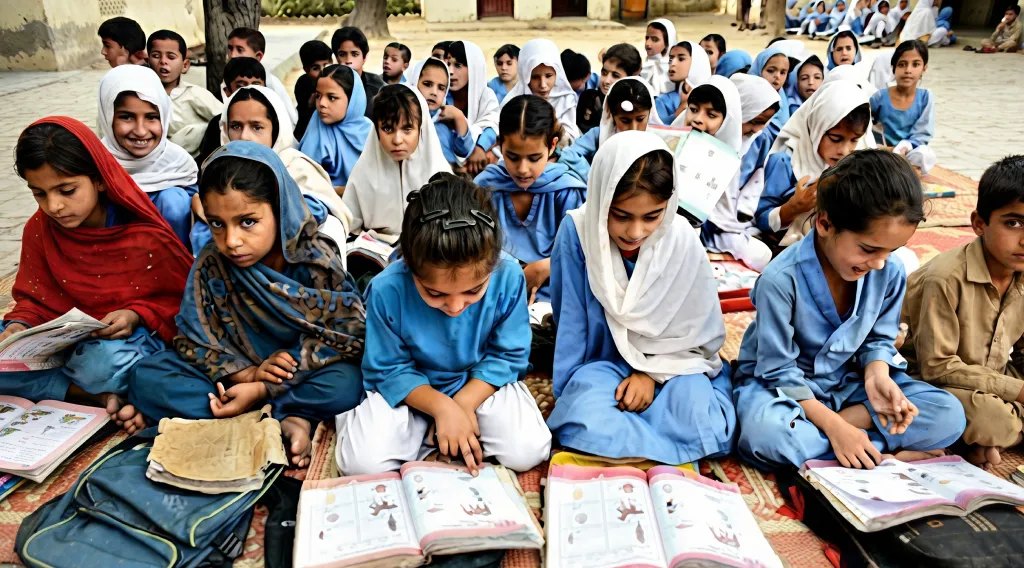
The school was built through an extraordinary example of collective effort. The community raised Rs. 42,000, with each household contributing Rs. 700.
Families managed their contribution by saving Rs. 50 a day for 14 days, showing how small amounts can become meaningful when an entire community works toward the same purpose.
The funds were used to purchase prefabricated bamboo panels and a collapsible roof from a nearby bamboo workshop in Pono Colony.
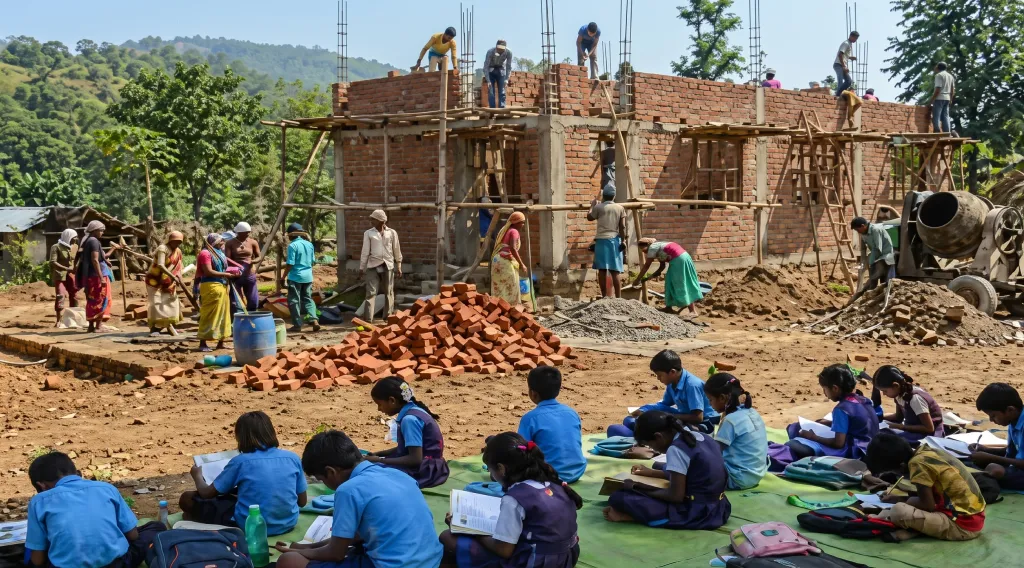
The villagers did not simply raise the money and step aside. They became part of the construction themselves.
With guidance from the bamboo workshop, village fathers helped erect the main structure, while mothers prepared woven matting and other community members gathered locally available materials.
Women also helped with the walls and flooring, turning the construction process into a genuinely collective effort.
The school was completed within a week, according to Yasmeen Lari’s account of the project.What makes the story particularly moving is the sense of ownership behind it.
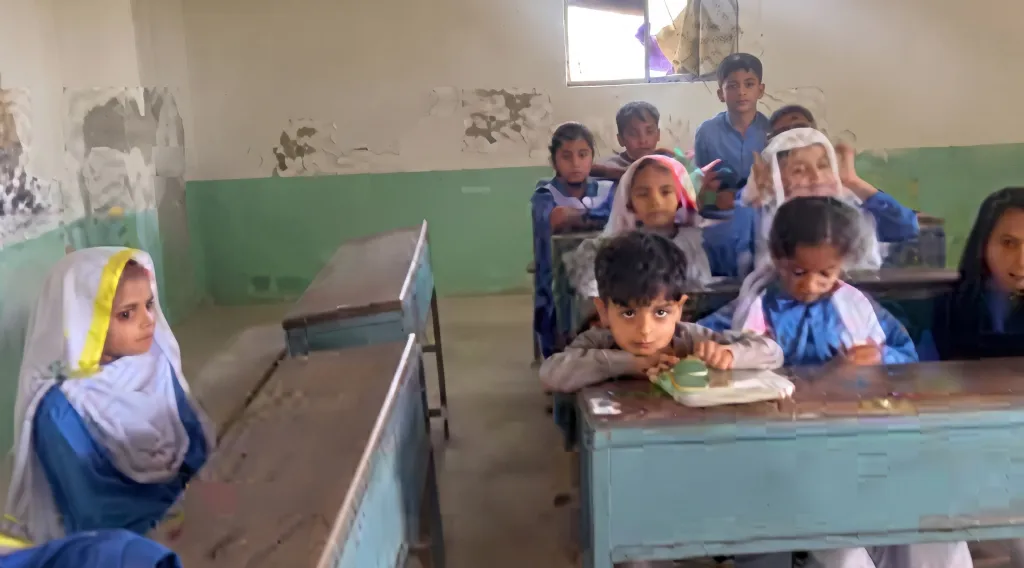
Among the children who began attending the new school was eight year old Kamli, a young girl from Teekum Kohli.
Her attendance gave a human face to everything the community had worked to achieve. After all the saving, building and preparation, the purpose was finally visible in children sitting down to learn.
The school was designed as a climate resilient structure, an important consideration for communities repeatedly affected by flooding.
Its construction showed that safe educational spaces could be created using affordable, locally sourced materials and community participation.
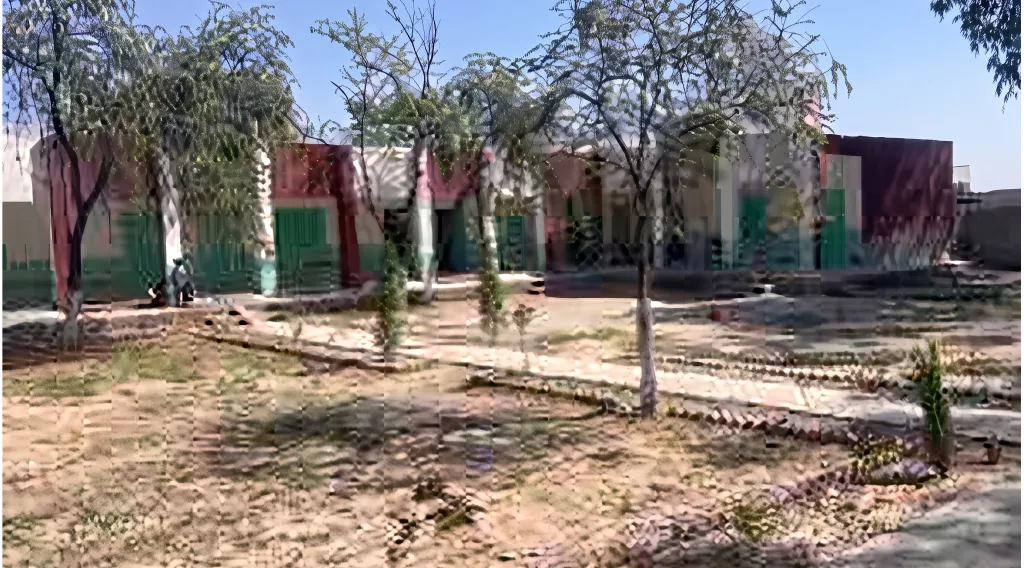
The story of Teekum Kohli is ultimately not just about a school. It is about parents who believed their children deserved an opportunity, even when their own resources were limited.
A contribution of Rs. 700 from one household may have seemed small, but together those contributions created something that could serve an entire generation.
The project also reflects a broader approach championed by Yasmeen Lari and the Heritage Foundation of Pakistan: empowering communities to use local skills, materials and collective action to rebuild in safer and more sustainable ways.
In Teekum Kohli, a village in rural Sindh, education became a community responsibility.
In Teekum Kohli, a village in rural Sindh, education became a community responsibility.
After Pakistan’s devastating 2022 floods, children in many parts of Sindh were left without safe and functioning schools.
In this village, residents decided they could not simply wait for help to arrive. The community came together to build a climate resilient school for its children.
Instead of relying entirely on outside funding, households contributed from their own limited resources, turning individual sacrifices into a shared investment in education.
The school was built through an extraordinary example of collective effort. The community raised Rs. 42,000, with each household contributing Rs. 700.
Families managed their contribution by saving Rs. 50 a day for 14 days, showing how small amounts can become meaningful when an entire community works toward the same purpose.
The funds were used to purchase prefabricated bamboo panels and a collapsible roof from a nearby bamboo workshop in Pono Colony.
The villagers did not simply raise the money and step aside. They became part of the construction themselves.
With guidance from the bamboo workshop, village fathers helped erect the main structure, while mothers prepared woven matting and other community members gathered locally available materials.
Women also helped with the walls and flooring, turning the construction process into a genuinely collective effort.
The school was completed within a week, according to Yasmeen Lari’s account of the project.What makes the story particularly moving is the sense of ownership behind it.
Among the children who began attending the new school was eight year old Kamli, a young girl from Teekum Kohli.
Her attendance gave a human face to everything the community had worked to achieve. After all the saving, building and preparation, the purpose was finally visible in children sitting down to learn.
The school was designed as a climate resilient structure, an important consideration for communities repeatedly affected by flooding.
Its construction showed that safe educational spaces could be created using affordable, locally sourced materials and community participation.
The story of Teekum Kohli is ultimately not just about a school. It is about parents who believed their children deserved an opportunity, even when their own resources were limited.
A contribution of Rs. 700 from one household may have seemed small, but together those contributions created something that could serve an entire generation.
The project also reflects a broader approach championed by Yasmeen Lari and the Heritage Foundation of Pakistan: empowering communities to use local skills, materials and collective action to rebuild in safer and more sustainable ways.



