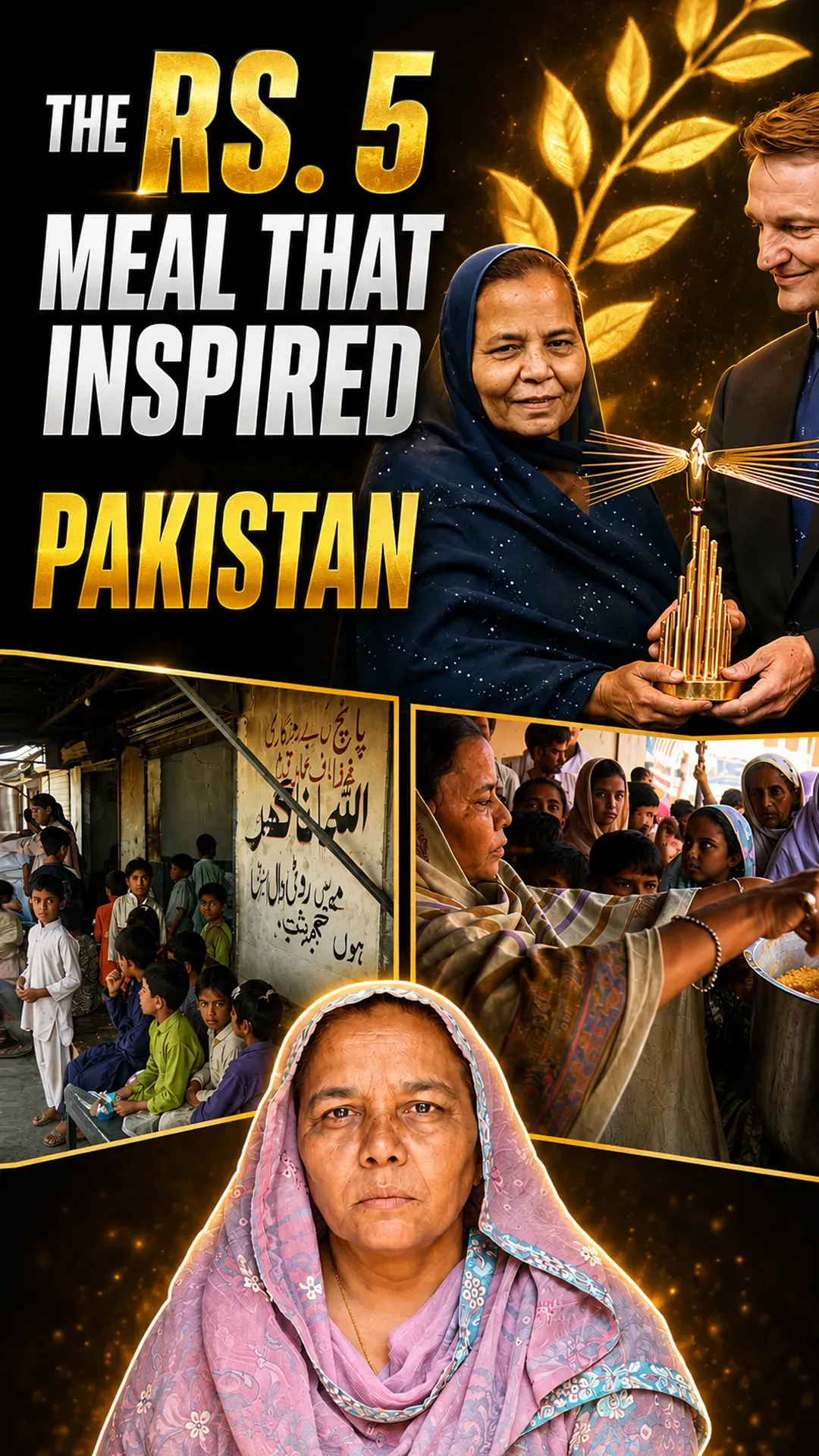
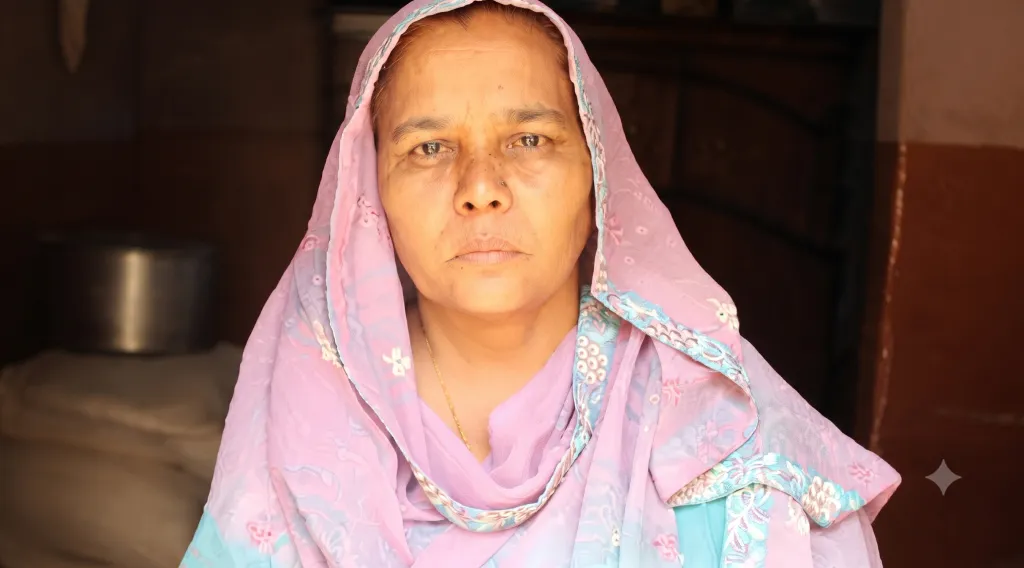
Parveen Saeed's journey began with a simple but powerful desire to fight hunger in Karachi. Deeply affected by reports of families struggling to afford even a single meal, she believed no one should have to choose between dignity and survival.
Determined to make a difference, she focused on creating a solution that would provide affordable food while preserving the self respect of those facing financial hardship. Her vision was rooted in empathy rather than charity.
That commitment eventually led to the creation of one of Pakistan's most inspiring community initiatives, proving that compassion can transform countless lives.

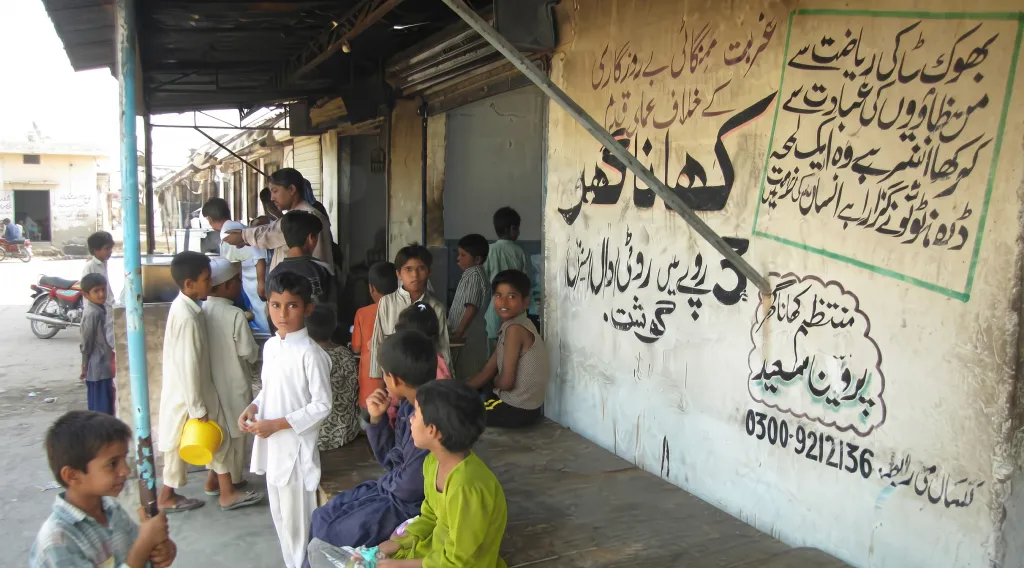
In 2002, Parveen Saeed and her husband established Khana Ghar in Karachi's Khuda Ki Basti, a low income neighborhood where many families struggled to access affordable meals. Their goal was simple: ensure that no one in the community would go hungry because of poverty.
Starting with limited resources, the couple worked tirelessly to prepare fresh, nutritious food for people who needed support. Every meal reflected their belief that everyone deserves respect and care.
Over the years, Khana Ghar has grown into a trusted community institution that continues to serve thousands of people every day.
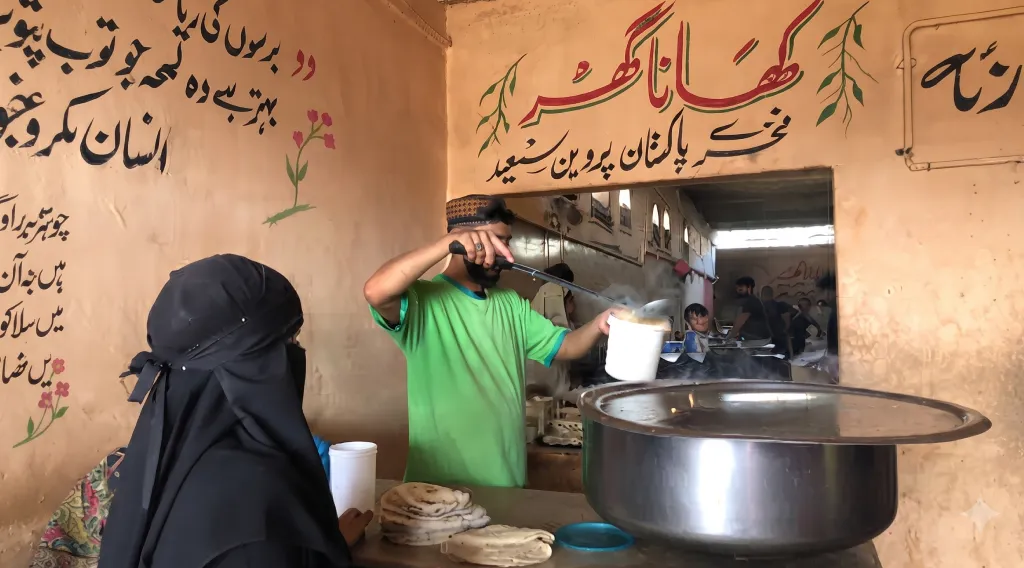
Unlike many community kitchens, Khana Ghar does not distribute food completely free of charge. Instead, visitors pay a small token amount, historically around Rs. 3 to Rs. 5, for a meal consisting of fresh roti and a simple curry.
Parveen Saeed intentionally introduced this symbolic payment because she believed it protects the dignity and self respect of laborers, widows, senior citizens, and struggling families. People leave knowing they have purchased a meal rather than accepted charity.
This thoughtful approach has become the defining philosophy of Khana Ghar and one of the reasons it continues to earn widespread admiration.
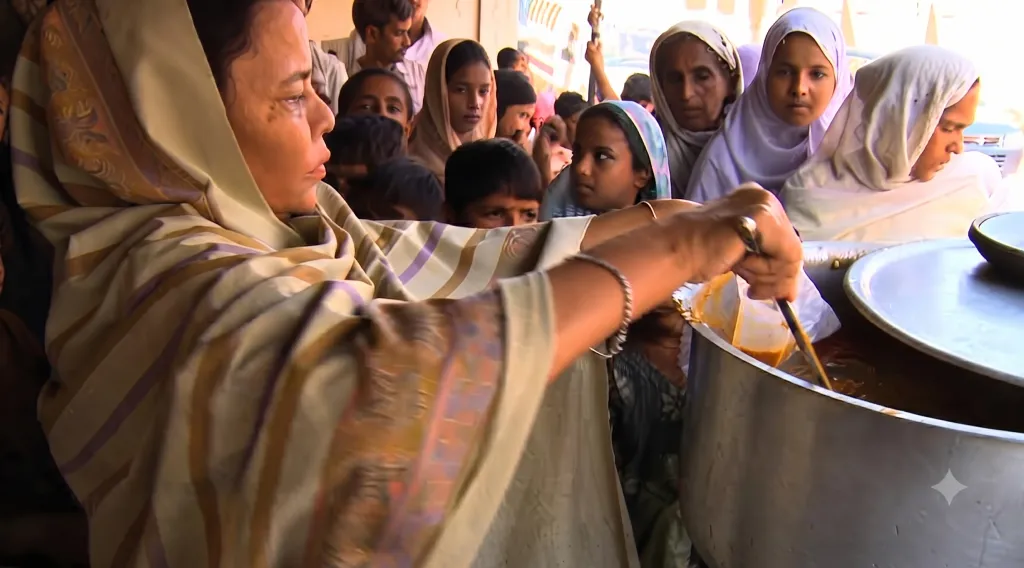
Over more than two decades, Khana Ghar has expanded its impact by serving thousands of affordable meals daily to people from all walks of life. Daily wage earners, elderly citizens, low income families, and individuals facing hardship continue to benefit from its services.
The initiative operates through the generosity of donors and volunteers who share Parveen Saeed's vision of ensuring that nobody goes hungry because they cannot afford food.
Its continued success demonstrates how a grassroots idea, supported by the community, can make a lasting difference for thousands of vulnerable families.
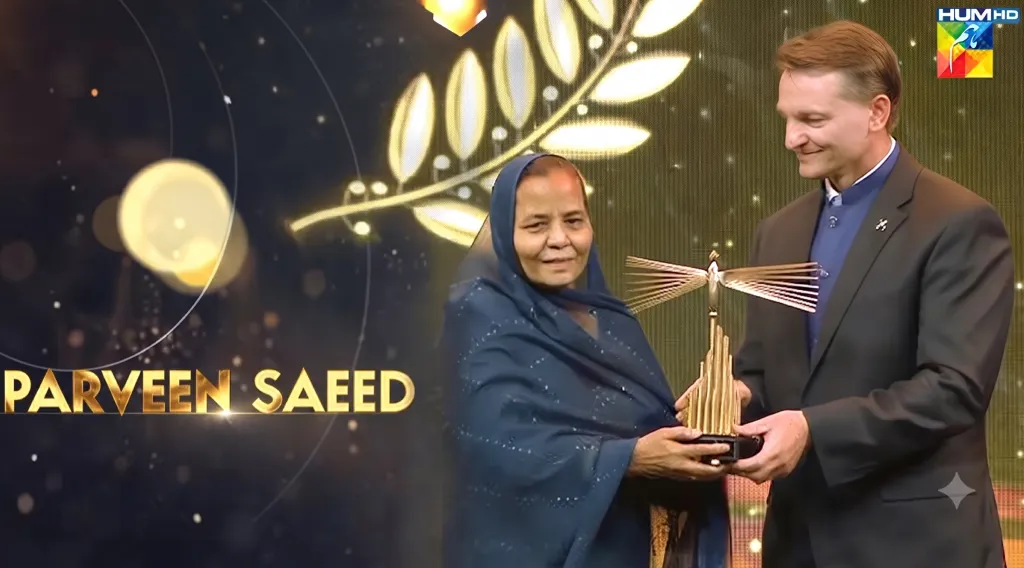
For Parveen Saeed, fighting hunger has always meant more than simply providing food. She believes that preserving a person's dignity is equally important and that everyone deserves to be treated with kindness, respect, and equality.
This philosophy shapes every aspect of Khana Ghar, from the welcoming environment to the symbolic price charged for meals. The kitchen allows people to enjoy food without feeling dependent on charity.
Her work has inspired many Pakistanis to rethink how communities can support vulnerable people while protecting their confidence and self worth.
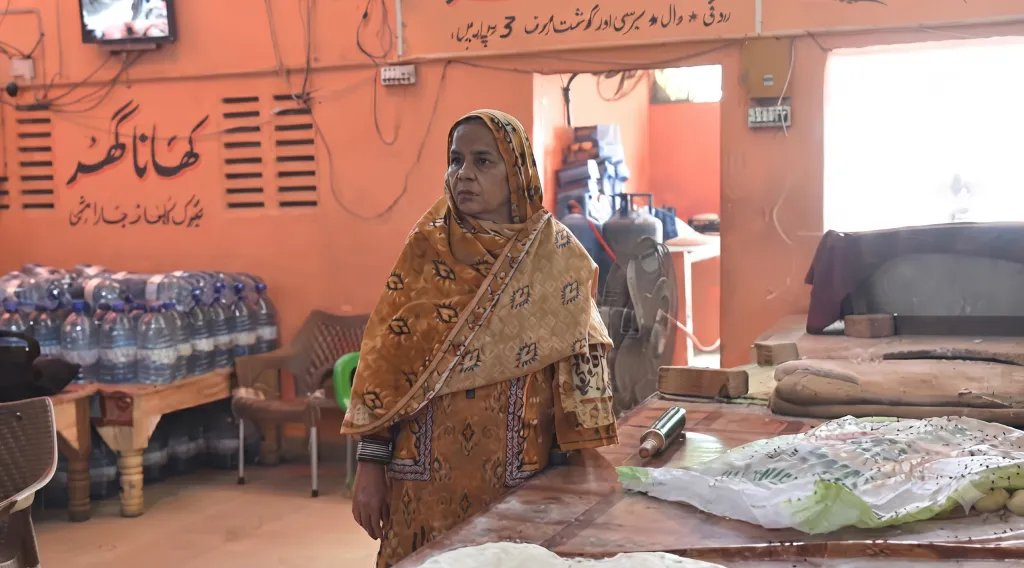
Today, Parveen Saeed's work stands as one of Pakistan's most inspiring examples of community driven social welfare. Through Khana Ghar, she has shown that solving complex problems often begins with simple, practical ideas carried out with consistency and compassion.
Her model has encouraged individuals, charities, and community organizations to explore sustainable ways of addressing hunger while maintaining respect for those they serve. It proves that meaningful change does not always require enormous resources.
Parveen Saeed's journey continues to remind Pakistanis that true generosity is not only about giving, but about helping others with dignity, empathy, and hope.
Parveen Saeed’s journey began with a simple but powerful desire to fight hunger in Karachi. Deeply affected by reports of families struggling to afford even a single meal, she believed no one should have to choose between dignity and survival.
Parveen Saeed's journey began with a simple but powerful desire to fight hunger in Karachi. Deeply affected by reports of families struggling to afford even a single meal, she believed no one should have to choose between dignity and survival.
Determined to make a difference, she focused on creating a solution that would provide affordable food while preserving the self respect of those facing financial hardship. Her vision was rooted in empathy rather than charity.
That commitment eventually led to the creation of one of Pakistan's most inspiring community initiatives, proving that compassion can transform countless lives.
In 2002, Parveen Saeed and her husband established Khana Ghar in Karachi's Khuda Ki Basti, a low income neighborhood where many families struggled to access affordable meals. Their goal was simple: ensure that no one in the community would go hungry because of poverty.
Starting with limited resources, the couple worked tirelessly to prepare fresh, nutritious food for people who needed support. Every meal reflected their belief that everyone deserves respect and care.
Over the years, Khana Ghar has grown into a trusted community institution that continues to serve thousands of people every day.
Unlike many community kitchens, Khana Ghar does not distribute food completely free of charge. Instead, visitors pay a small token amount, historically around Rs. 3 to Rs. 5, for a meal consisting of fresh roti and a simple curry.
Parveen Saeed intentionally introduced this symbolic payment because she believed it protects the dignity and self respect of laborers, widows, senior citizens, and struggling families. People leave knowing they have purchased a meal rather than accepted charity.
This thoughtful approach has become the defining philosophy of Khana Ghar and one of the reasons it continues to earn widespread admiration.
Over more than two decades, Khana Ghar has expanded its impact by serving thousands of affordable meals daily to people from all walks of life. Daily wage earners, elderly citizens, low income families, and individuals facing hardship continue to benefit from its services.
The initiative operates through the generosity of donors and volunteers who share Parveen Saeed's vision of ensuring that nobody goes hungry because they cannot afford food.
Its continued success demonstrates how a grassroots idea, supported by the community, can make a lasting difference for thousands of vulnerable families.
For Parveen Saeed, fighting hunger has always meant more than simply providing food. She believes that preserving a person's dignity is equally important and that everyone deserves to be treated with kindness, respect, and equality.
This philosophy shapes every aspect of Khana Ghar, from the welcoming environment to the symbolic price charged for meals. The kitchen allows people to enjoy food without feeling dependent on charity.
Her work has inspired many Pakistanis to rethink how communities can support vulnerable people while protecting their confidence and self worth.
Today, Parveen Saeed's work stands as one of Pakistan's most inspiring examples of community driven social welfare. Through Khana Ghar, she has shown that solving complex problems often begins with simple, practical ideas carried out with consistency and compassion.
Her model has encouraged individuals, charities, and community organizations to explore sustainable ways of addressing hunger while maintaining respect for those they serve. It proves that meaningful change does not always require enormous resources.
Parveen Saeed's journey continues to remind Pakistanis that true generosity is not only about giving, but about helping others with dignity, empathy, and hope.



