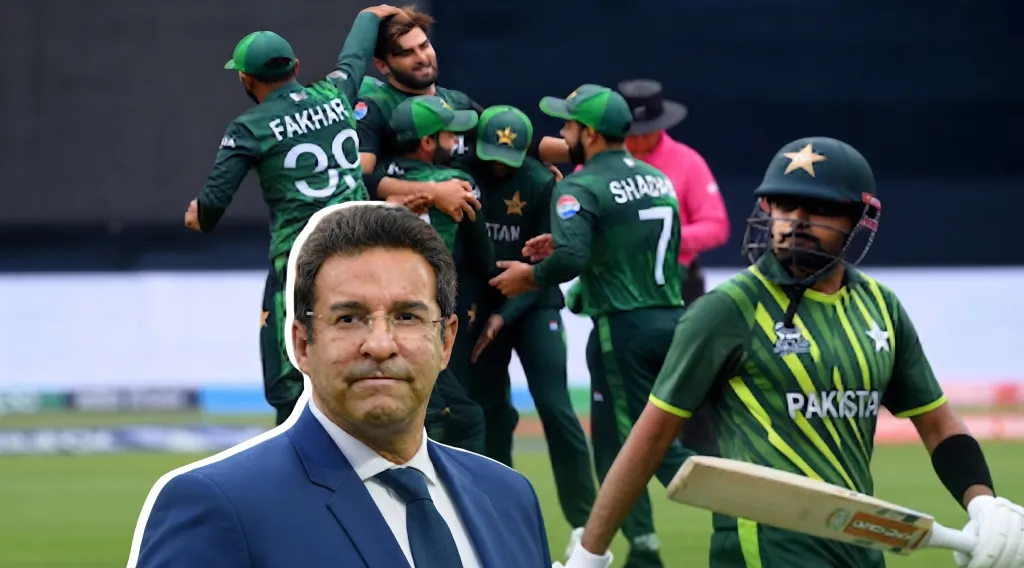
Pakistan cricket legend Wasim Akram has explained why he has never pursued a coaching role with the national team, despite decades of experience at the highest level of the game.
Speaking to cricket YouTuber Furqan Bhatti, the former captain said the intense scrutiny surrounding coaches is a major factor behind his decision.
Akram believes coaches often face the harshest consequences when results go against a team, while players do not always receive the same level of accountability.

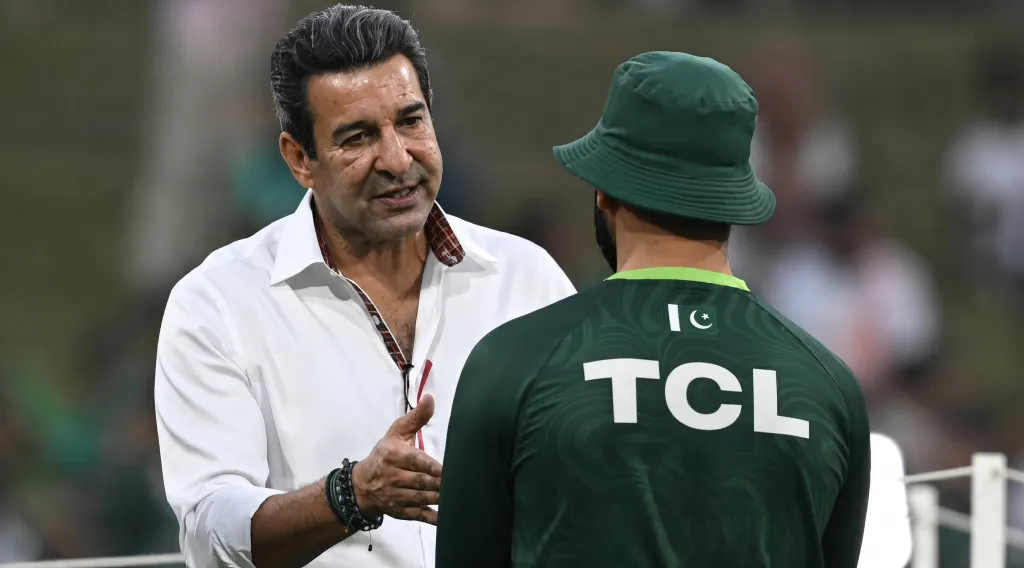
At 60, Akram says he has little interest in taking on an environment where coaches can face relentless criticism from the media and social media.
He particularly objected to personal and disrespectful commentary from people without professional playing experience who publicly question cricket strategy and technique.
For Akram, staying away from coaching is therefore less about avoiding the game and more about protecting the dignity and peace he values at this stage of his life.
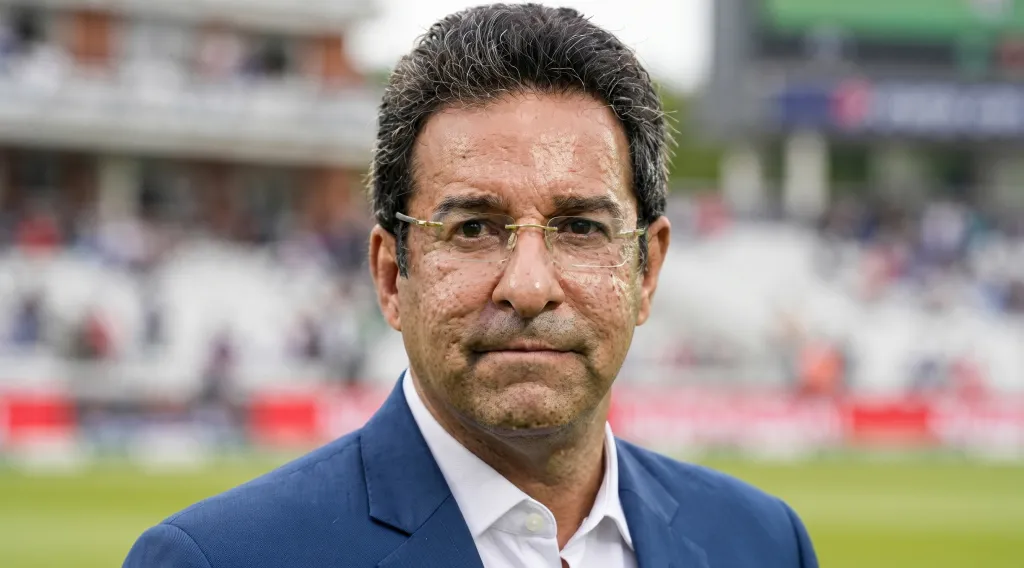
Akram’s decision does not mean he has stepped away from Pakistan cricket. His experience as one of the greatest fast bowlers in the sport continues to make him an influential voice around the national game.
His comments also highlight a wider conversation about creating a healthier environment for coaches, players and former cricketers to contribute without being subjected to unnecessary personal attacks.
While he may not want the pressure of the dressing room as a coach, Akram continues to share his knowledge and perspective with the cricket community, keeping his connection with Pakistan’s favourite sport alive.
Pakistan cricket legend Wasim Akram has explained why he has never pursued a coaching role with the national team, despite decades of experience at the highest level of the game.
Pakistan cricket legend Wasim Akram has explained why he has never pursued a coaching role with the national team, despite decades of experience at the highest level of the game.
Speaking to cricket YouTuber Furqan Bhatti, the former captain said the intense scrutiny surrounding coaches is a major factor behind his decision.
Akram believes coaches often face the harshest consequences when results go against a team, while players do not always receive the same level of accountability.
At 60, Akram says he has little interest in taking on an environment where coaches can face relentless criticism from the media and social media.
He particularly objected to personal and disrespectful commentary from people without professional playing experience who publicly question cricket strategy and technique.
For Akram, staying away from coaching is therefore less about avoiding the game and more about protecting the dignity and peace he values at this stage of his life.
Akram’s decision does not mean he has stepped away from Pakistan cricket. His experience as one of the greatest fast bowlers in the sport continues to make him an influential voice around the national game.
His comments also highlight a wider conversation about creating a healthier environment for coaches, players and former cricketers to contribute without being subjected to unnecessary personal attacks.
While he may not want the pressure of the dressing room as a coach, Akram continues to share his knowledge and perspective with the cricket community, keeping his connection with Pakistan’s favourite sport alive.



