The Evolution of Pakistani Music: Fusion, Indie, and Cultural Roots
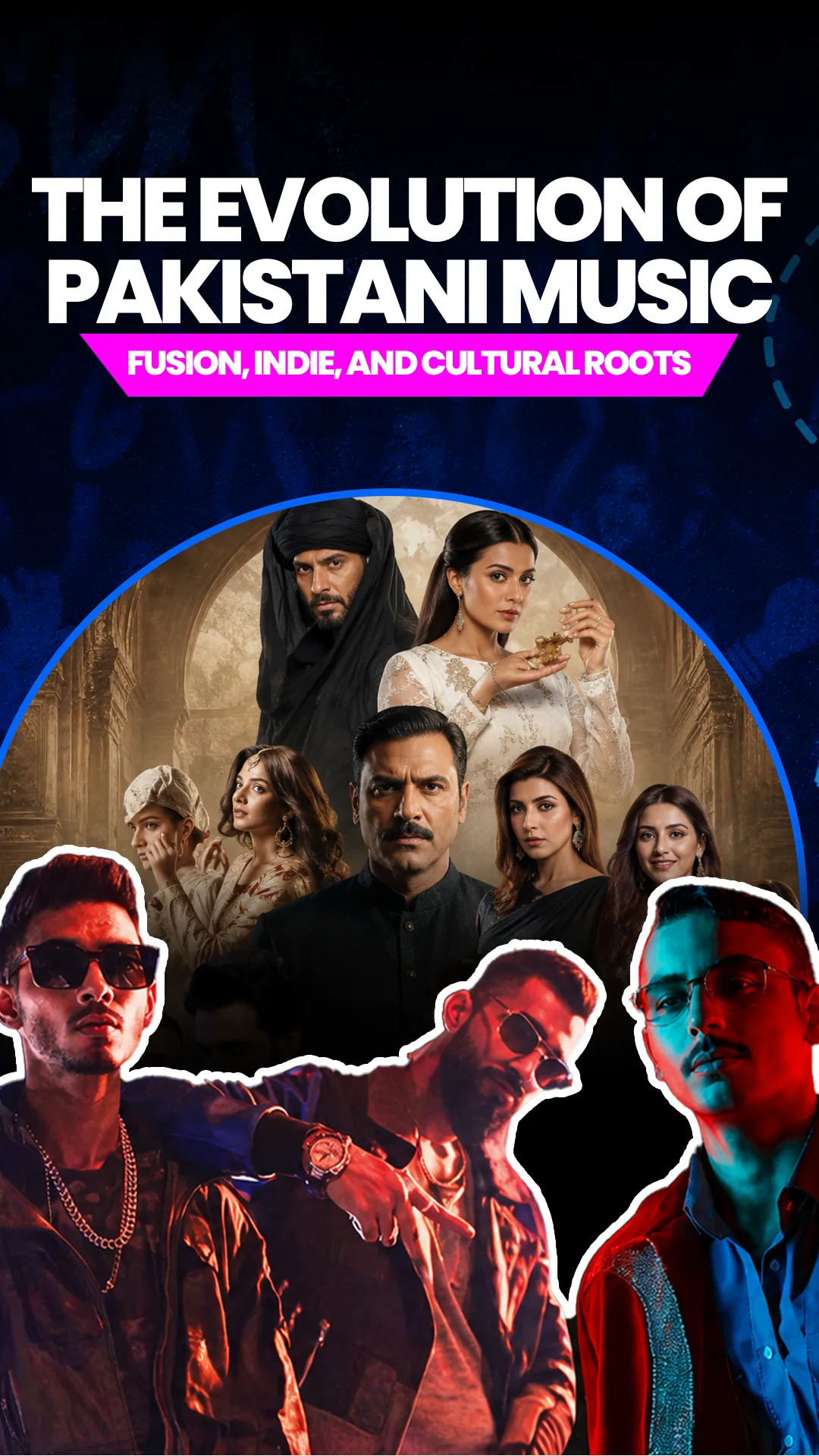
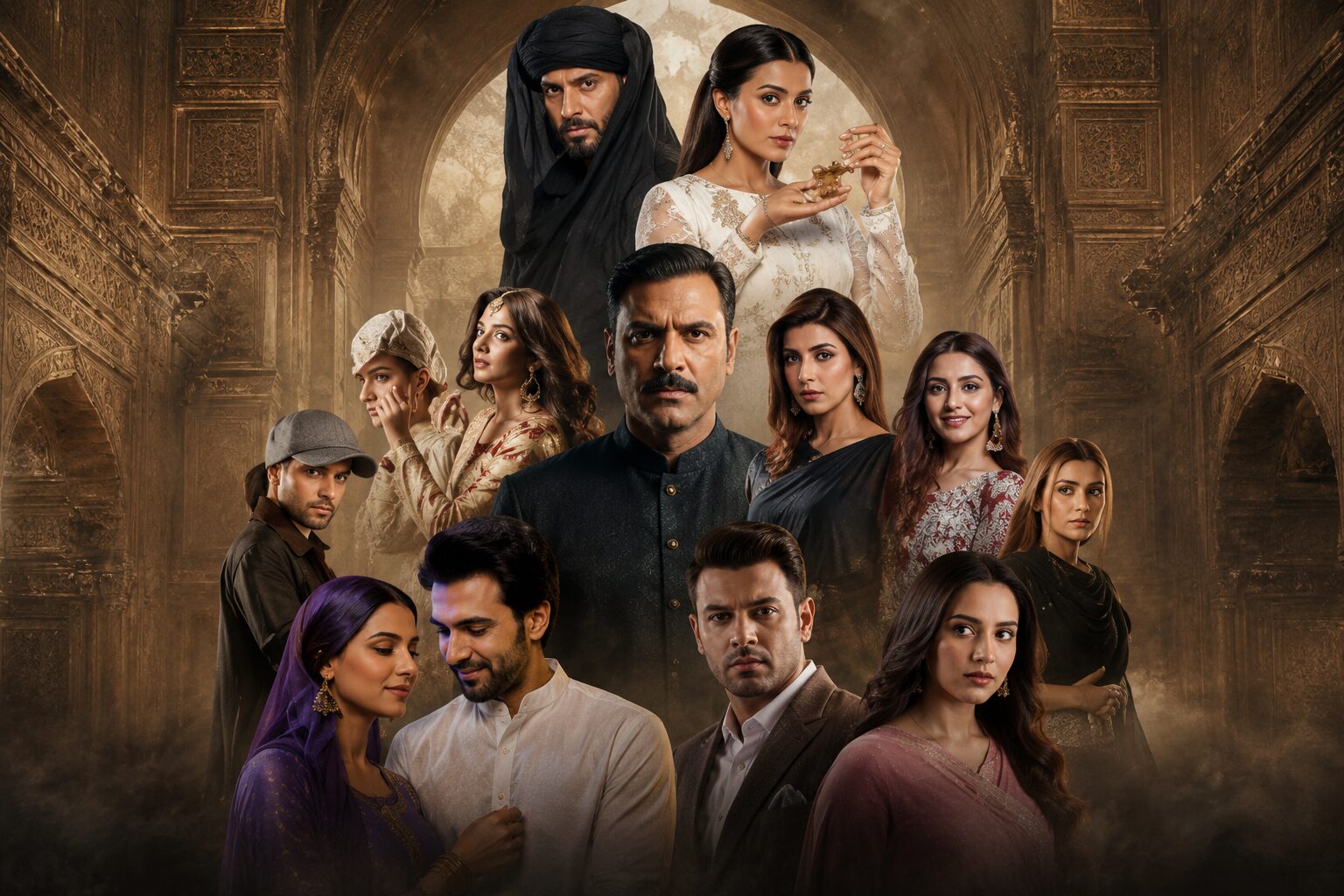
Original soundtracks have become one of the most influential elements of Pakistan’s entertainment industry, often achieving popularity beyond the television dramas they accompany.
In recent years, audiences have increasingly connected with OSTs as standalone musical works that evoke emotion and deepen storytelling.
A significant milestone came with Meri Zindagi Hai Tu, performed by Asim Azhar and the Sabri Sisters, becoming the first drama OST to top Pakistan’s Spotify charts.
The achievement demonstrated the growing commercial and cultural influence of soundtrack music.

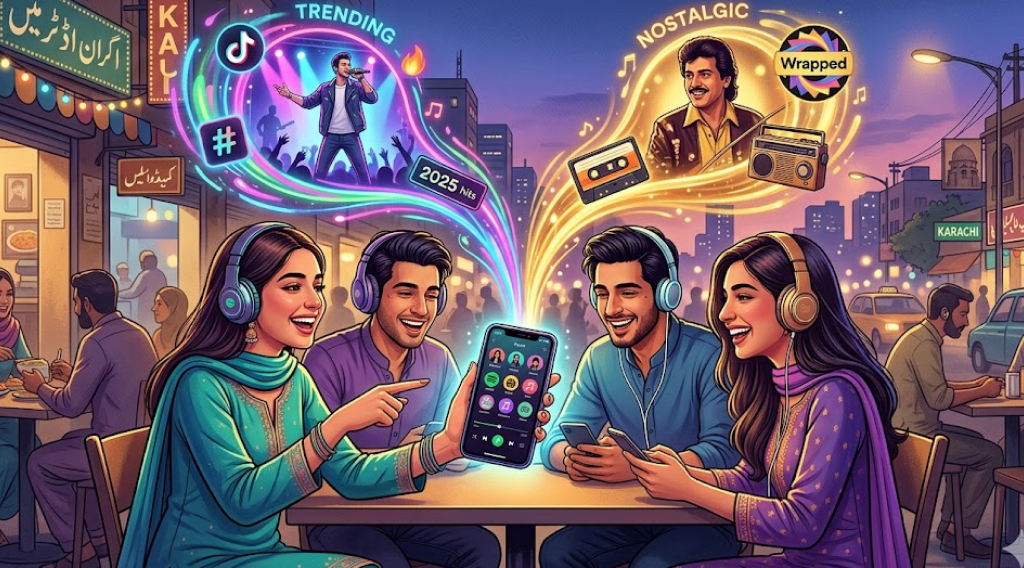
Digital streaming services are transforming how people discover, consume, and engage with music. Platforms such as Spotify have made it easier for listeners to access a wide variety of genres, artists, and eras with just a few clicks.
Events such as Spotify Wrapped 2025 in Karachi highlighted changing listening habits among Pakistani audiences.
While users enthusiastically embraced new releases and trending artists, many also revisited beloved classics and nostalgic tracks from previous decades. This trend reflects the growing role of digital platforms in connecting generation
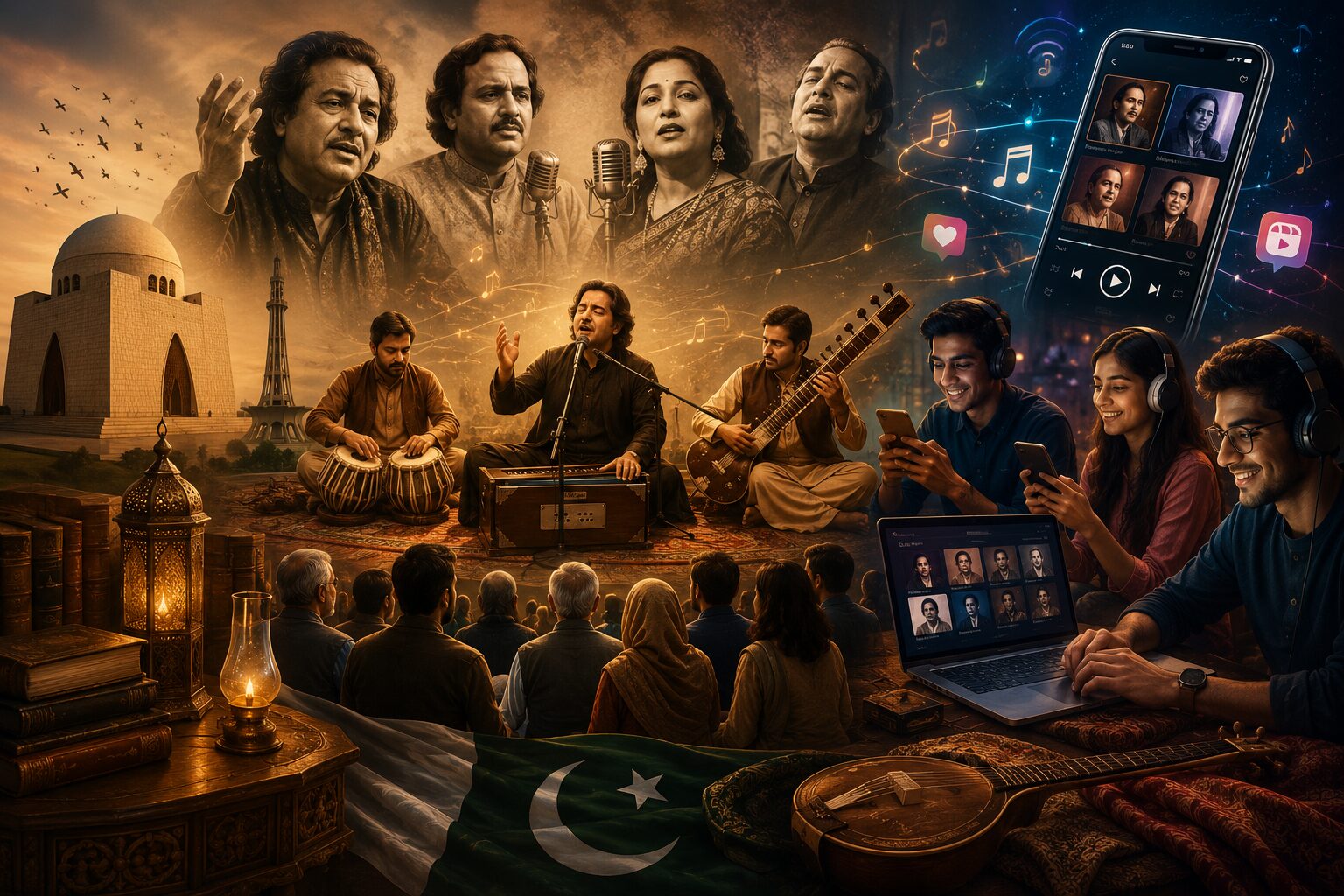
Despite the rise of modern genres and digital-first music trends, traditional forms such as ghazals and classic Pakistani songs continue to hold a special place in the hearts of listeners. Their timeless appeal has enabled them to remain relevant across multiple generations.
Many younger audiences are discovering legendary performances through streaming platforms, social media clips, and curated playlists.
These formats have introduced classic music to new listeners who may not have encountered it through traditional channels.

One of the most significant developments in Pakistan’s music scene is the rapid growth of fusion and independent music.
Artists and producers are increasingly experimenting with combinations of jazz, electronic music, pop, folk traditions, and classical South Asian influences.
This creative blending of styles has produced a new generation of music that feels both contemporary and culturally rooted.
Rather than abandoning tradition, many musicians are reinterpreting familiar sounds through modern production techniques and innovative arrangements.
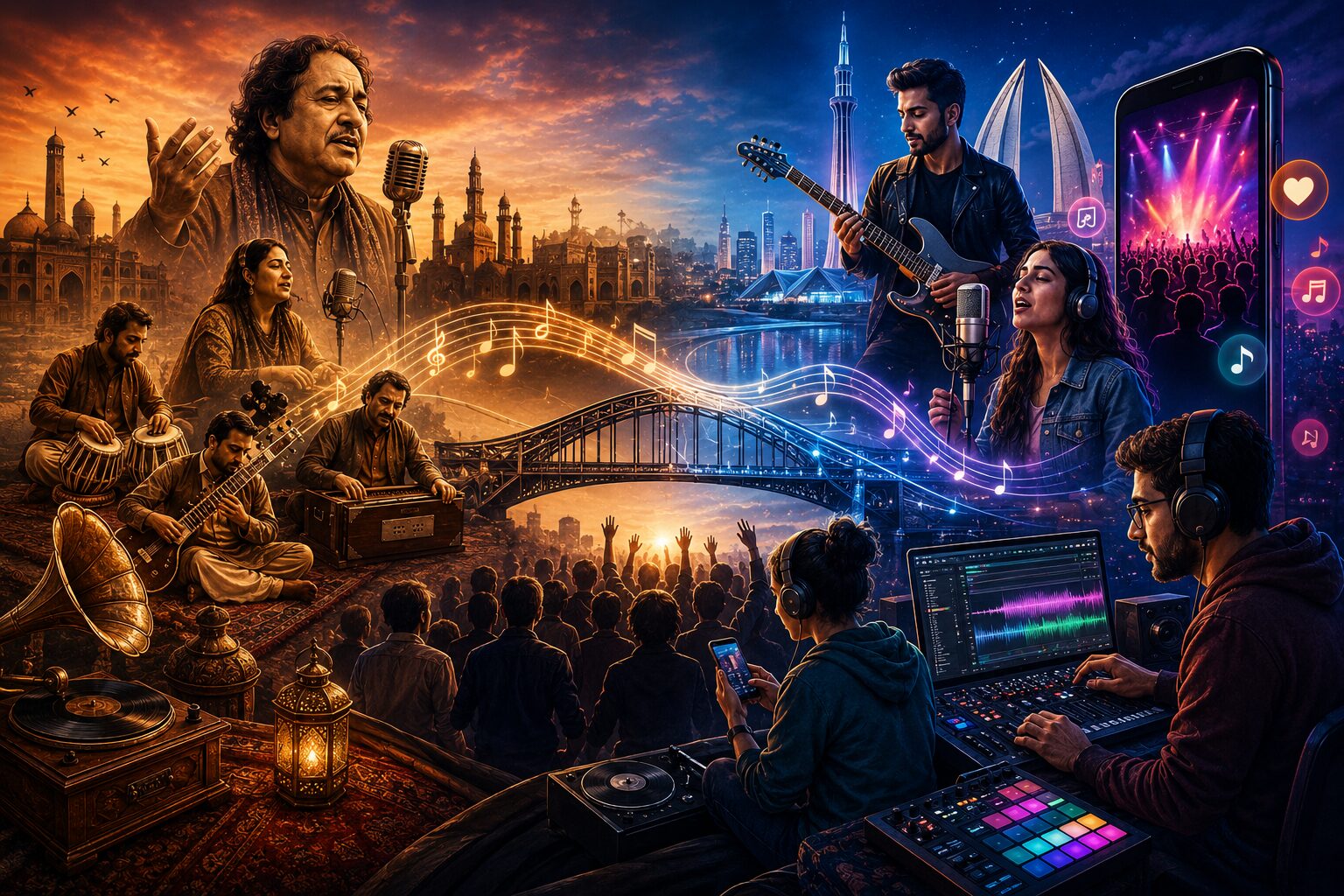
The soundtrack trends shaping Pakistan’s music industry today reveal a fascinating balance between heritage and innovation.
While new genres, digital platforms, and independent artists continue to push creative boundaries, traditional music remains an enduring source of inspiration.
Streaming services have created an environment where classic songs, ghazals, drama OSTs, and contemporary fusion tracks can coexist and reach audiences across generations. This accessibility has broadened musical tastes while strengthening connections to cultural roots.
Original soundtracks have become one of the most influential elements of Pakistan’s entertainment industry, often achieving popularity beyond the television dramas they accompany.
Original soundtracks have become one of the most influential elements of Pakistan’s entertainment industry, often achieving popularity beyond the television dramas they accompany.
In recent years, audiences have increasingly connected with OSTs as standalone musical works that evoke emotion and deepen storytelling.
A significant milestone came with Meri Zindagi Hai Tu, performed by Asim Azhar and the Sabri Sisters, becoming the first drama OST to top Pakistan’s Spotify charts.
The achievement demonstrated the growing commercial and cultural influence of soundtrack music.
Digital streaming services are transforming how people discover, consume, and engage with music. Platforms such as Spotify have made it easier for listeners to access a wide variety of genres, artists, and eras with just a few clicks.
Events such as Spotify Wrapped 2025 in Karachi highlighted changing listening habits among Pakistani audiences.
While users enthusiastically embraced new releases and trending artists, many also revisited beloved classics and nostalgic tracks from previous decades. This trend reflects the growing role of digital platforms in connecting generation
Despite the rise of modern genres and digital-first music trends, traditional forms such as ghazals and classic Pakistani songs continue to hold a special place in the hearts of listeners. Their timeless appeal has enabled them to remain relevant across multiple generations.
Many younger audiences are discovering legendary performances through streaming platforms, social media clips, and curated playlists.
These formats have introduced classic music to new listeners who may not have encountered it through traditional channels.
One of the most significant developments in Pakistan’s music scene is the rapid growth of fusion and independent music.
Artists and producers are increasingly experimenting with combinations of jazz, electronic music, pop, folk traditions, and classical South Asian influences.
This creative blending of styles has produced a new generation of music that feels both contemporary and culturally rooted.
Rather than abandoning tradition, many musicians are reinterpreting familiar sounds through modern production techniques and innovative arrangements.
The soundtrack trends shaping Pakistan’s music industry today reveal a fascinating balance between heritage and innovation.
While new genres, digital platforms, and independent artists continue to push creative boundaries, traditional music remains an enduring source of inspiration.
Streaming services have created an environment where classic songs, ghazals, drama OSTs, and contemporary fusion tracks can coexist and reach audiences across generations. This accessibility has broadened musical tastes while strengthening connections to cultural roots.



