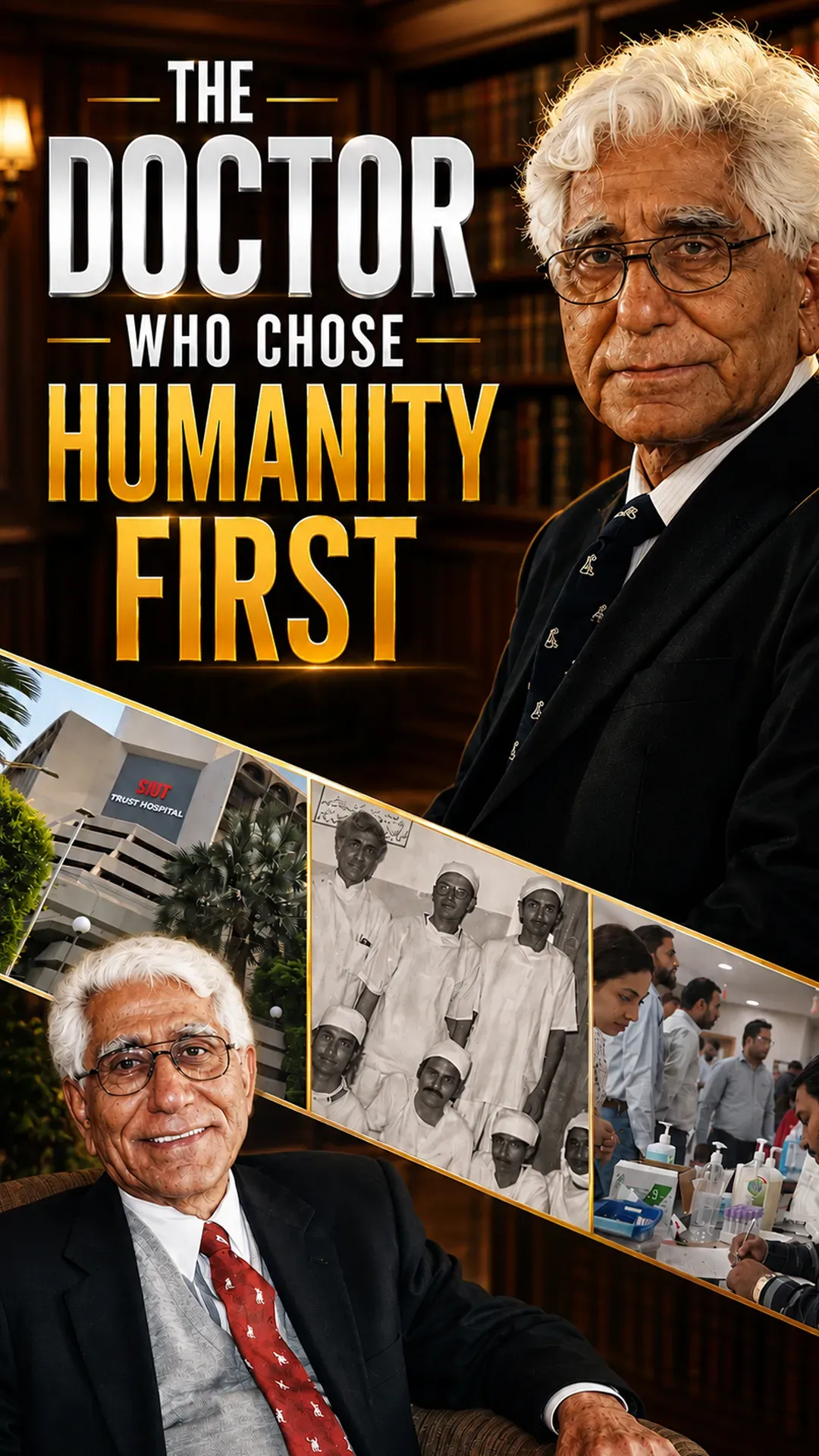
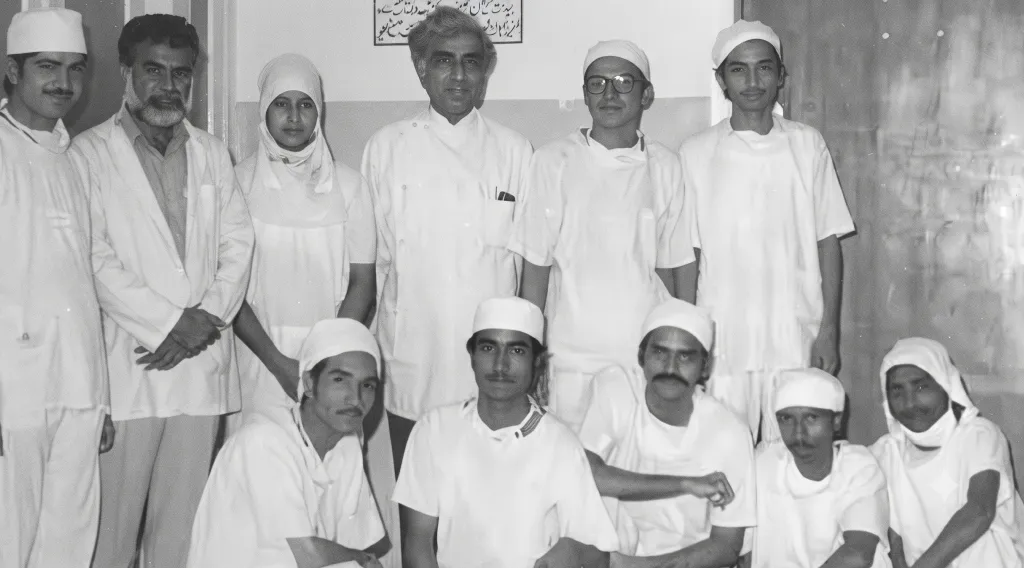
In 1972, Dr. Adeebul Hasan Rizvi laid the foundation for what would become one of Pakistan's most respected healthcare institutions. Beginning as an eight-bed urology ward at Karachi's Civil Hospital, he envisioned a system where quality medical treatment would be available to everyone, regardless of their financial circumstances.
His guiding belief was simple yet revolutionary: Every individual has a right to medical care, and it should not be denied to anyone based on financial status. This principle became the cornerstone of every service offered at the institute.
What started as a small public hospital ward has since grown into a globally recognized center of medical excellence.

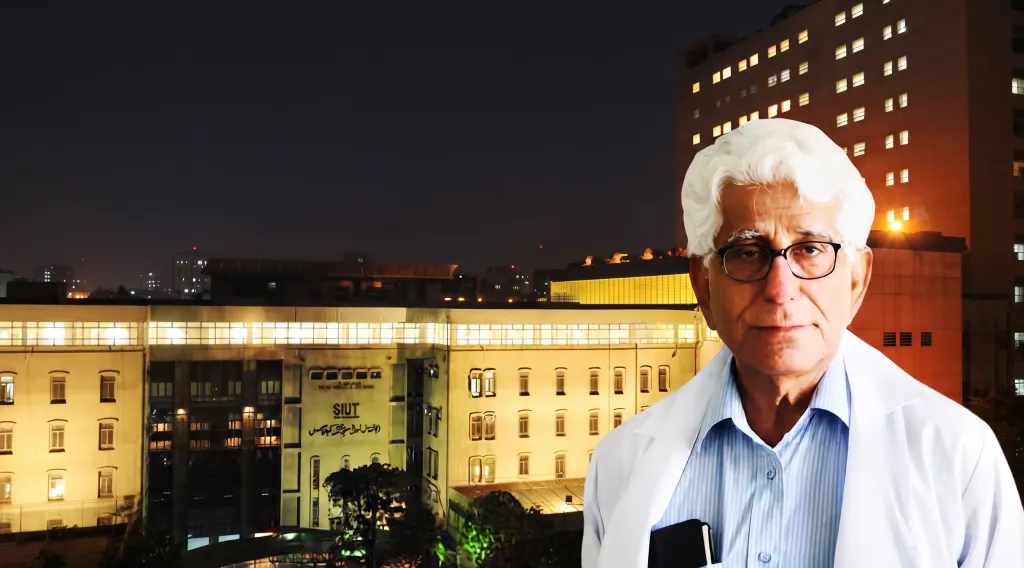
From its humble beginnings, the Sindh Institute of Urology and Transplantation (SIUT) evolved into one of Pakistan's leading tertiary care hospitals. Today, SIUT provides comprehensive treatment in urology, nephrology, transplantation, oncology, hepatobiliary surgery, gastroenterology, and several other specialized fields.
The institute has expanded well beyond Karachi, with facilities and outreach programs serving patients from across Pakistan. Every year, people travel from remote towns and villages seeking treatment that would otherwise be beyond their financial reach.
SIUT's growth stands as one of the country's greatest examples of how public healthcare can transform lives through vision and commitment.
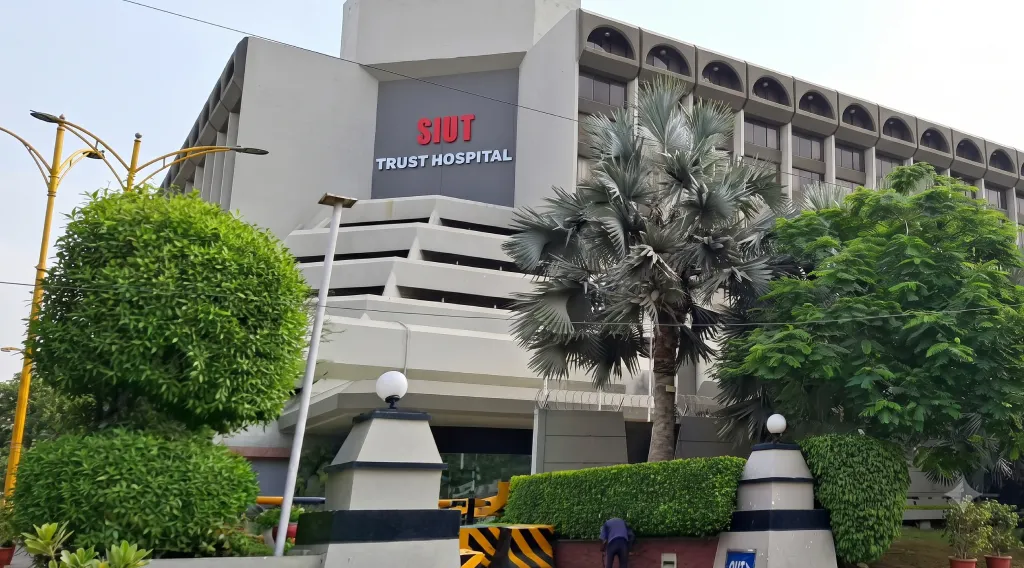
SIUT follows a unique principle that has remained unchanged for decades: all patients receive treatment completely free of charge.
Whether someone requires dialysis, a kidney transplant, cancer treatment, surgery, laboratory investigations, or long term follow up care, financial status never determines access to medical services.
Every patient is treated with the same dignity, professionalism, and compassion. The institute's medical teams combine advanced technology with internationally recognized clinical standards while ensuring that no one is turned away because they cannot afford treatment.
This model has made SIUT one of Pakistan's most trusted public healthcare institutions.
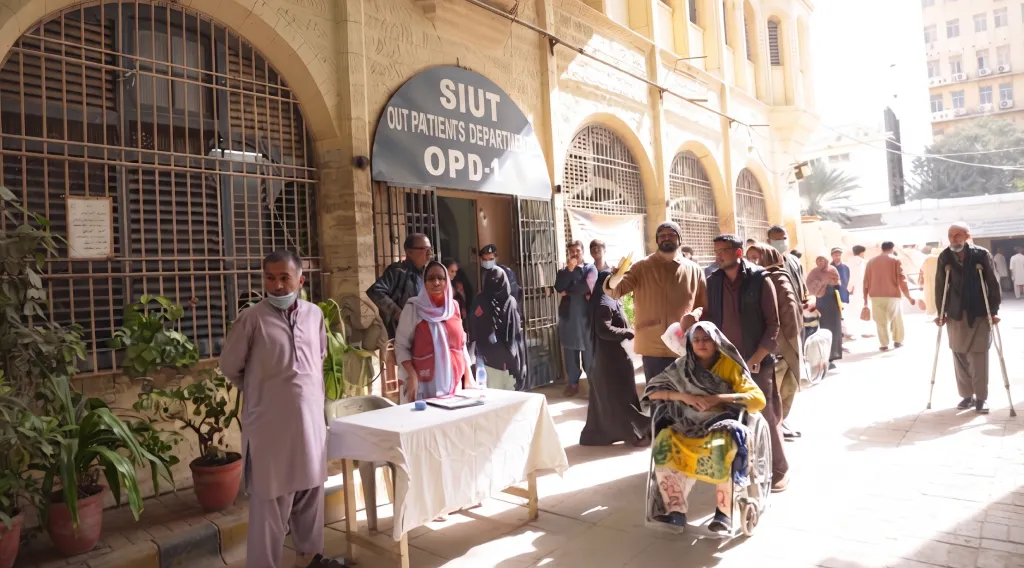
Over the years, SIUT has treated millions of patients through its hospitals, satellite centers, and outreach programs. The institute performs thousands of dialysis sessions every week and has carried out thousands of kidney and liver transplants, making it one of the largest transplant centers in the region.
Its services also include pediatric care, oncology, emergency medicine, rehabilitation, and advanced diagnostic facilities. Continuous investment in research and medical education has helped maintain high standards of patient care.
For countless families, SIUT has provided life saving treatment that would otherwise have remained out of reach.
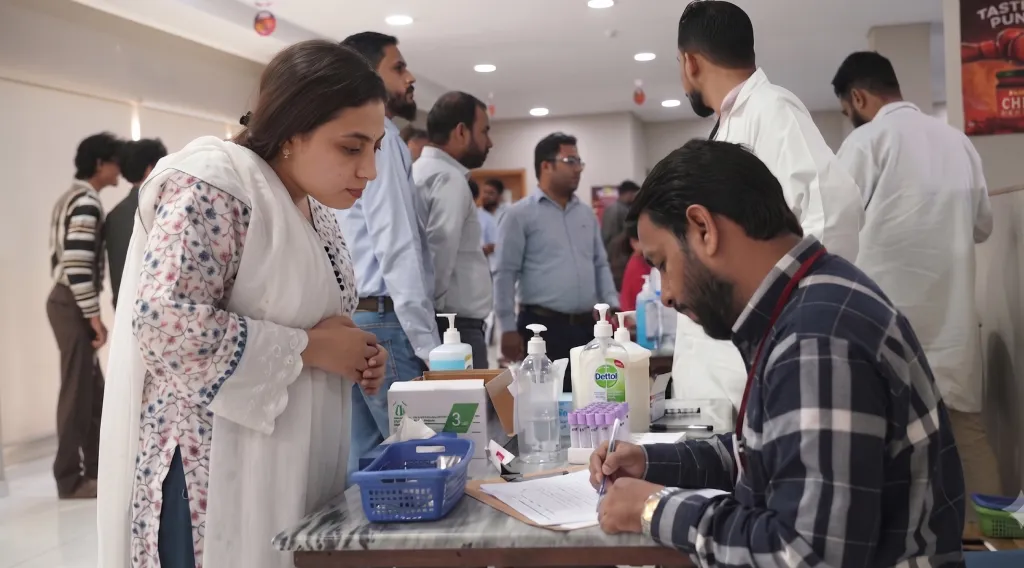
One of SIUT's most remarkable achievements is its financial model. The institution operates primarily through public donations, philanthropy, and charitable contributions, while maintaining strict transparency and accountability in the use of funds.
Dr. Rizvi has consistently demonstrated that world class healthcare can remain free when supported by public trust and responsible management. Every contribution directly supports patient care, medical equipment, medicines, and hospital services.
The continued generosity of donors has enabled SIUT to expand its facilities while remaining committed to treating every patient without charge.
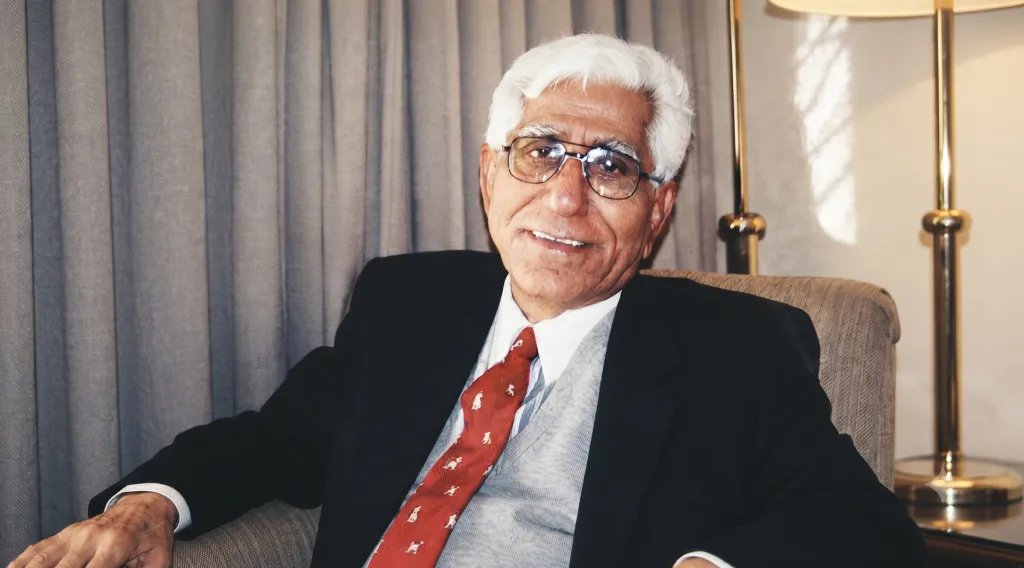
For more than five decades, Dr. Adeebul Hasan Rizvi has remained one of Pakistan's most respected physicians and humanitarians.
His lifelong dedication has earned him numerous national and international honors, including Pakistan's Nishan-e-Imtiaz, Hilal-e-Imtiaz, and the Ramon Magsaysay Award for Public Service (1988).
More importantly, his work has transformed the lives of millions by proving that healthcare is a fundamental human right rather than a privilege. Through SIUT, his vision continues to inspire doctors, philanthropists, and healthcare professionals across Pakistan.
In 1972, Dr. Adeebul Hasan Rizvi laid the foundation for what would become one of Pakistan’s most respected healthcare institutions.
In 1972, Dr. Adeebul Hasan Rizvi laid the foundation for what would become one of Pakistan's most respected healthcare institutions. Beginning as an eight-bed urology ward at Karachi's Civil Hospital, he envisioned a system where quality medical treatment would be available to everyone, regardless of their financial circumstances.
His guiding belief was simple yet revolutionary: Every individual has a right to medical care, and it should not be denied to anyone based on financial status. This principle became the cornerstone of every service offered at the institute.
What started as a small public hospital ward has since grown into a globally recognized center of medical excellence.
From its humble beginnings, the Sindh Institute of Urology and Transplantation (SIUT) evolved into one of Pakistan's leading tertiary care hospitals. Today, SIUT provides comprehensive treatment in urology, nephrology, transplantation, oncology, hepatobiliary surgery, gastroenterology, and several other specialized fields.
The institute has expanded well beyond Karachi, with facilities and outreach programs serving patients from across Pakistan. Every year, people travel from remote towns and villages seeking treatment that would otherwise be beyond their financial reach.
SIUT's growth stands as one of the country's greatest examples of how public healthcare can transform lives through vision and commitment.
SIUT follows a unique principle that has remained unchanged for decades: all patients receive treatment completely free of charge.
Whether someone requires dialysis, a kidney transplant, cancer treatment, surgery, laboratory investigations, or long term follow up care, financial status never determines access to medical services.
Every patient is treated with the same dignity, professionalism, and compassion. The institute's medical teams combine advanced technology with internationally recognized clinical standards while ensuring that no one is turned away because they cannot afford treatment.
This model has made SIUT one of Pakistan's most trusted public healthcare institutions.
Over the years, SIUT has treated millions of patients through its hospitals, satellite centers, and outreach programs. The institute performs thousands of dialysis sessions every week and has carried out thousands of kidney and liver transplants, making it one of the largest transplant centers in the region.
Its services also include pediatric care, oncology, emergency medicine, rehabilitation, and advanced diagnostic facilities. Continuous investment in research and medical education has helped maintain high standards of patient care.
For countless families, SIUT has provided life saving treatment that would otherwise have remained out of reach.
One of SIUT's most remarkable achievements is its financial model. The institution operates primarily through public donations, philanthropy, and charitable contributions, while maintaining strict transparency and accountability in the use of funds.
Dr. Rizvi has consistently demonstrated that world class healthcare can remain free when supported by public trust and responsible management. Every contribution directly supports patient care, medical equipment, medicines, and hospital services.
The continued generosity of donors has enabled SIUT to expand its facilities while remaining committed to treating every patient without charge.
For more than five decades, Dr. Adeebul Hasan Rizvi has remained one of Pakistan's most respected physicians and humanitarians.
His lifelong dedication has earned him numerous national and international honors, including Pakistan's Nishan-e-Imtiaz, Hilal-e-Imtiaz, and the Ramon Magsaysay Award for Public Service (1988).
More importantly, his work has transformed the lives of millions by proving that healthcare is a fundamental human right rather than a privilege. Through SIUT, his vision continues to inspire doctors, philanthropists, and healthcare professionals across Pakistan.



