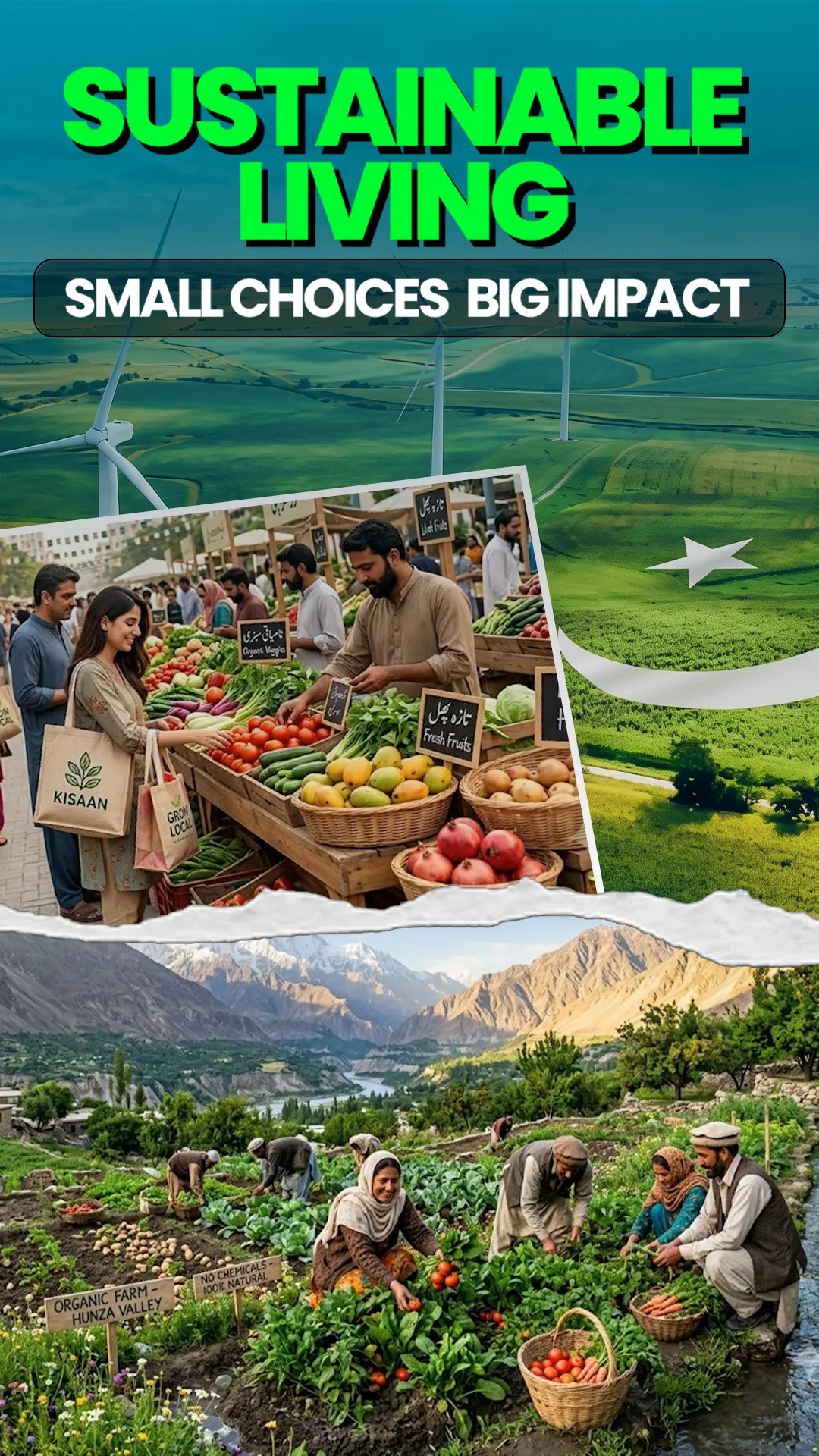
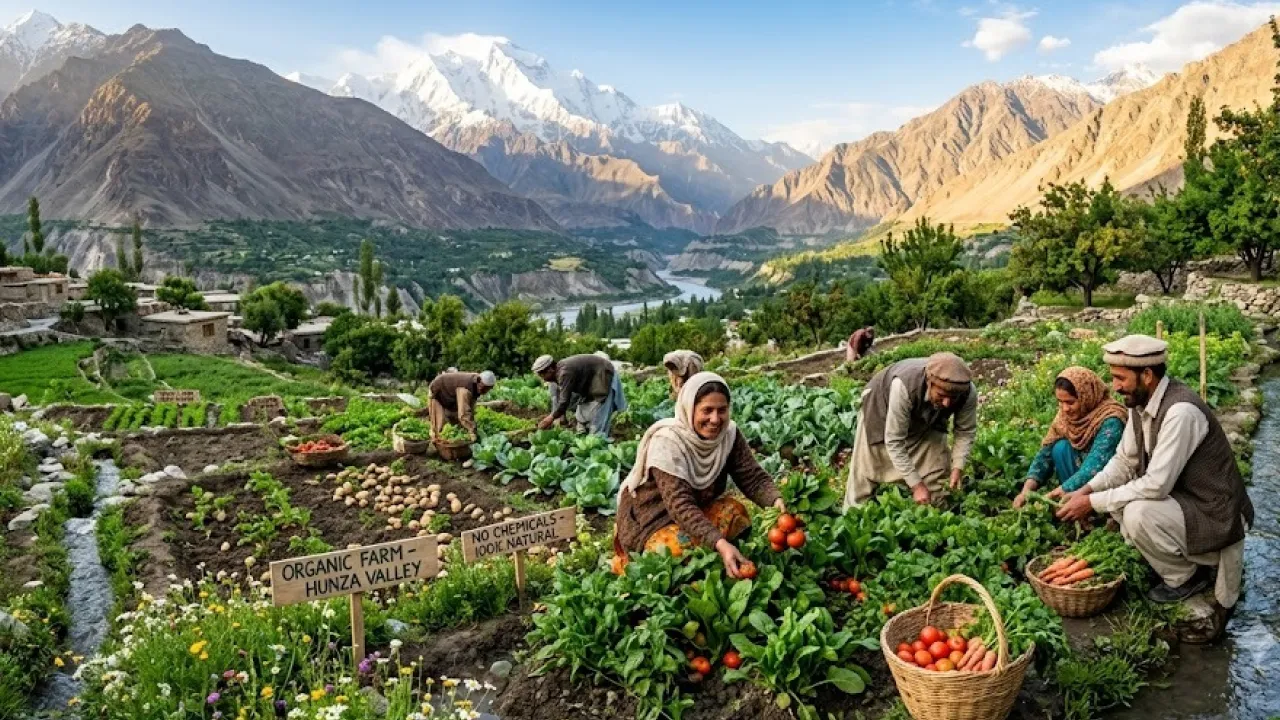
Sustainable living is a lifestyle that encourages people to reduce their environmental impact by making mindful choices in everyday life.
It focuses on conserving natural resources, minimizing waste, reducing pollution, and supporting products and practices that protect the planet for future generations.
Simple habits such as reducing plastic use, conserving water and electricity, recycling, and choosing reusable products can collectively make a significant difference. Sustainable living isn't about achieving perfection.


Many international celebrities have used their influence to promote environmental awareness and sustainable living. Leonardo DiCaprio, through the Leonardo DiCaprio Foundation and global climate advocacy, has become one of the world's most recognized environmental campaigners.
Emma Watson has championed sustainable fashion by supporting ethical brands and promoting responsible consumer choices through initiatives like Fashion Revolution.
Actor Mark Ruffalo actively campaigns for clean energy and climate action, while Jane Fonda has become a prominent voice.
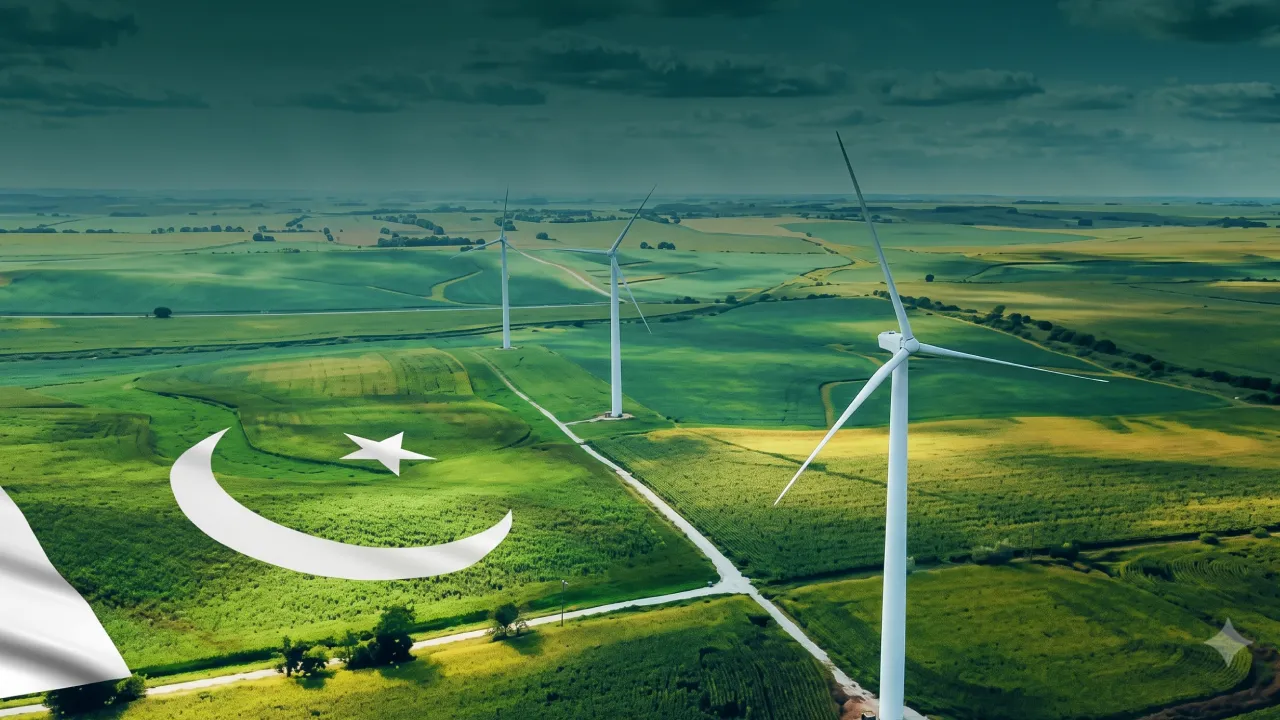
Pakistan has increasingly recognized the importance of environmental conservation through several government-led initiatives aimed at protecting natural resources and addressing climate change.
One of the country's most notable projects was the Ten Billion Tree Tsunami Programme, launched to restore forests, combat deforestation, and improve biodiversity through large-scale tree plantation drives across the country.
The government has also introduced the National Electric Vehicle (NEV) Policy to encourage cleaner transportation and reduce carbon emissions.
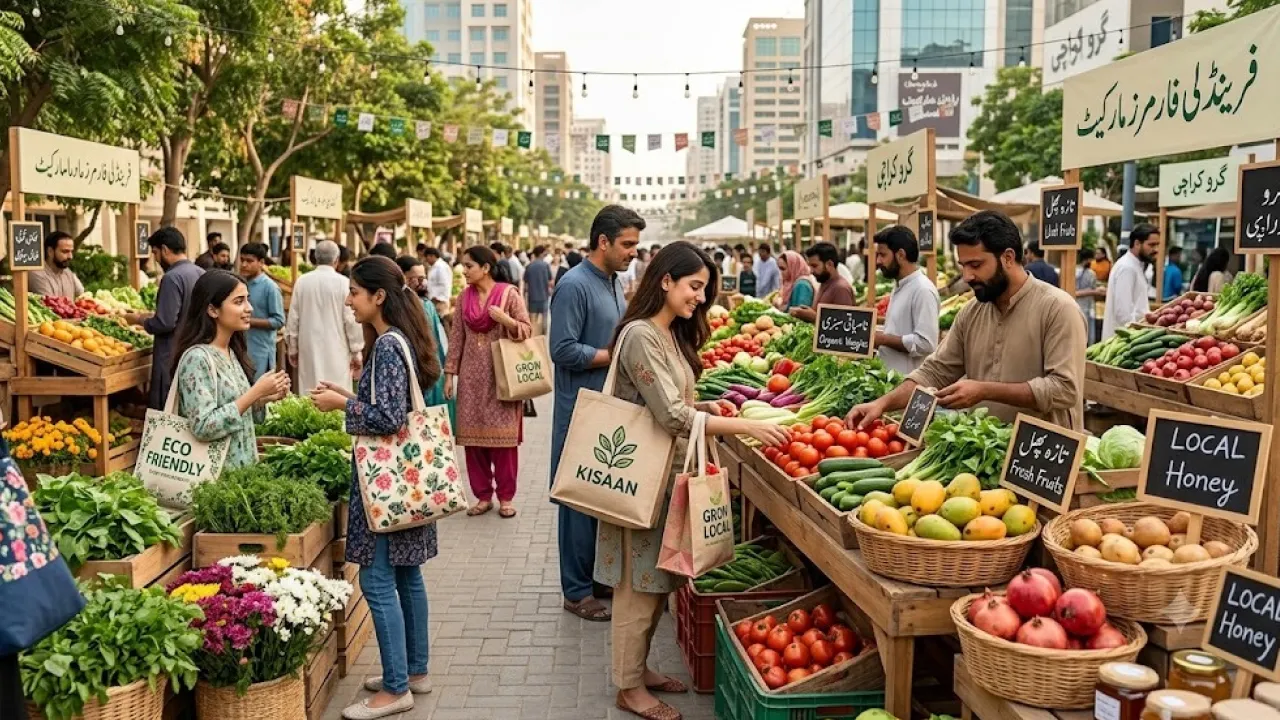
Consumers today are increasingly choosing products that align with their environmental values. From reusable water bottles and cloth shopping bags to biodegradable packaging and sustainable fashion, eco-friendly alternatives are becoming part of everyday life.
Many companies are responding by reducing plastic packaging, using recycled materials, introducing refill stations, and adopting ethical manufacturing practices.
Consumers are also embracing second-hand shopping, repairing products instead of replacing them, and supporting local businesses that prioritize sustainability.
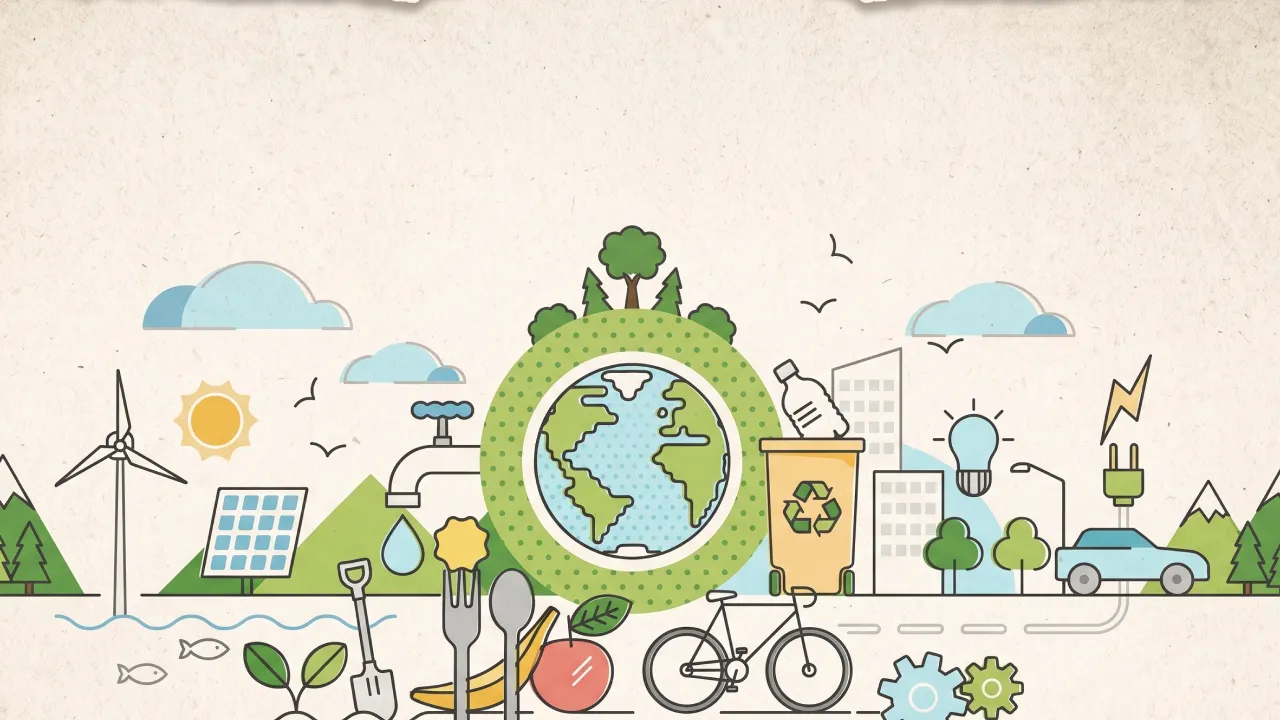
Creating a sustainable future begins with simple everyday actions. Conserving water, switching
to energy-efficient appliances, reducing food waste, recycling, planting trees, and choosing environmentally friendly products are small habits that collectively make a significant impact.
Governments, businesses, communities, and individuals all have an important role to play in protecting the planet.
As awareness continues to grow, sustainable living is becoming more than just a trend—it is evolving into a global movement.
Sustainable living is a lifestyle that encourages people to reduce their environmental impact by making mindful choices in everyday life.
Sustainable living is a lifestyle that encourages people to reduce their environmental impact by making mindful choices in everyday life.
It focuses on conserving natural resources, minimizing waste, reducing pollution, and supporting products and practices that protect the planet for future generations.
Simple habits such as reducing plastic use, conserving water and electricity, recycling, and choosing reusable products can collectively make a significant difference. Sustainable living isn't about achieving perfection.
Many international celebrities have used their influence to promote environmental awareness and sustainable living. Leonardo DiCaprio, through the Leonardo DiCaprio Foundation and global climate advocacy, has become one of the world's most recognized environmental campaigners.
Emma Watson has championed sustainable fashion by supporting ethical brands and promoting responsible consumer choices through initiatives like Fashion Revolution.
Actor Mark Ruffalo actively campaigns for clean energy and climate action, while Jane Fonda has become a prominent voice.
Pakistan has increasingly recognized the importance of environmental conservation through several government-led initiatives aimed at protecting natural resources and addressing climate change.
One of the country's most notable projects was the Ten Billion Tree Tsunami Programme, launched to restore forests, combat deforestation, and improve biodiversity through large-scale tree plantation drives across the country.
The government has also introduced the National Electric Vehicle (NEV) Policy to encourage cleaner transportation and reduce carbon emissions.
Consumers today are increasingly choosing products that align with their environmental values. From reusable water bottles and cloth shopping bags to biodegradable packaging and sustainable fashion, eco-friendly alternatives are becoming part of everyday life.
Many companies are responding by reducing plastic packaging, using recycled materials, introducing refill stations, and adopting ethical manufacturing practices.
Consumers are also embracing second-hand shopping, repairing products instead of replacing them, and supporting local businesses that prioritize sustainability.
Creating a sustainable future begins with simple everyday actions. Conserving water, switching
to energy-efficient appliances, reducing food waste, recycling, planting trees, and choosing environmentally friendly products are small habits that collectively make a significant impact.
Governments, businesses, communities, and individuals all have an important role to play in protecting the planet.
As awareness continues to grow, sustainable living is becoming more than just a trend—it is evolving into a global movement.



