Shehbaz Sharif Presents Pakistan’s Climate Plans At COP31
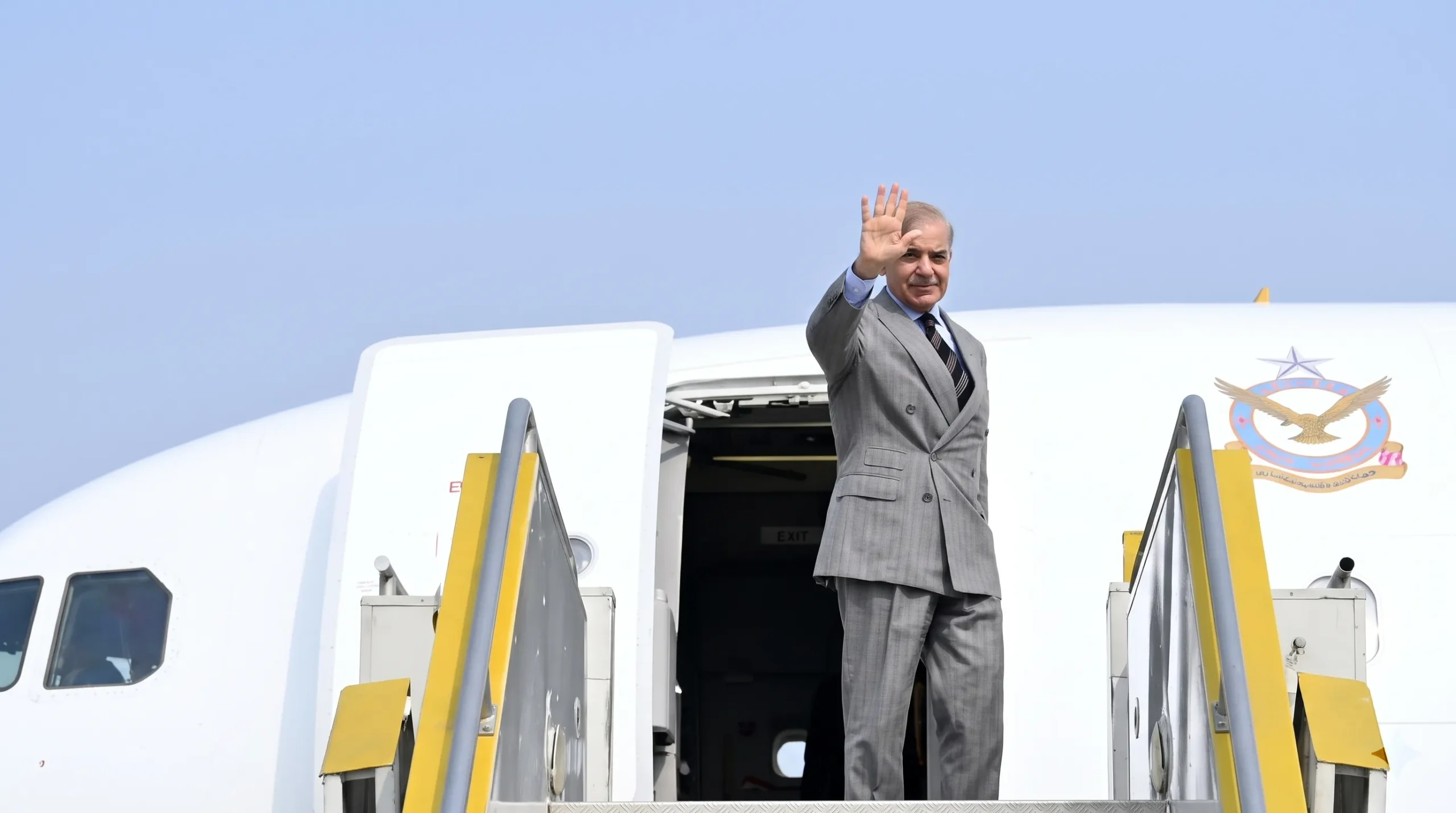
Prime Minister Shehbaz Sharif joined world leaders at the 31st United Nations Climate Change Conference (COP31) in Antalya, Türkiye, to discuss global warming, renewable energy and sustainable development.
During his address, he highlighted Pakistan's growing shift towards cleaner energy, particularly the rapid expansion of rooftop solar installations across the country.
He described this development as a significant change in the country's energy landscape, driven by households and businesses seeking affordable electricity and greater independence from conventional power sources.

Highlighting Pakistan's progress, Shehbaz revealed that the country had added nearly 22 gigawatts of rooftop solar capacity within two years. He also stated that cleaner sources now account for approximately 55 per cent of the country's energy mix.
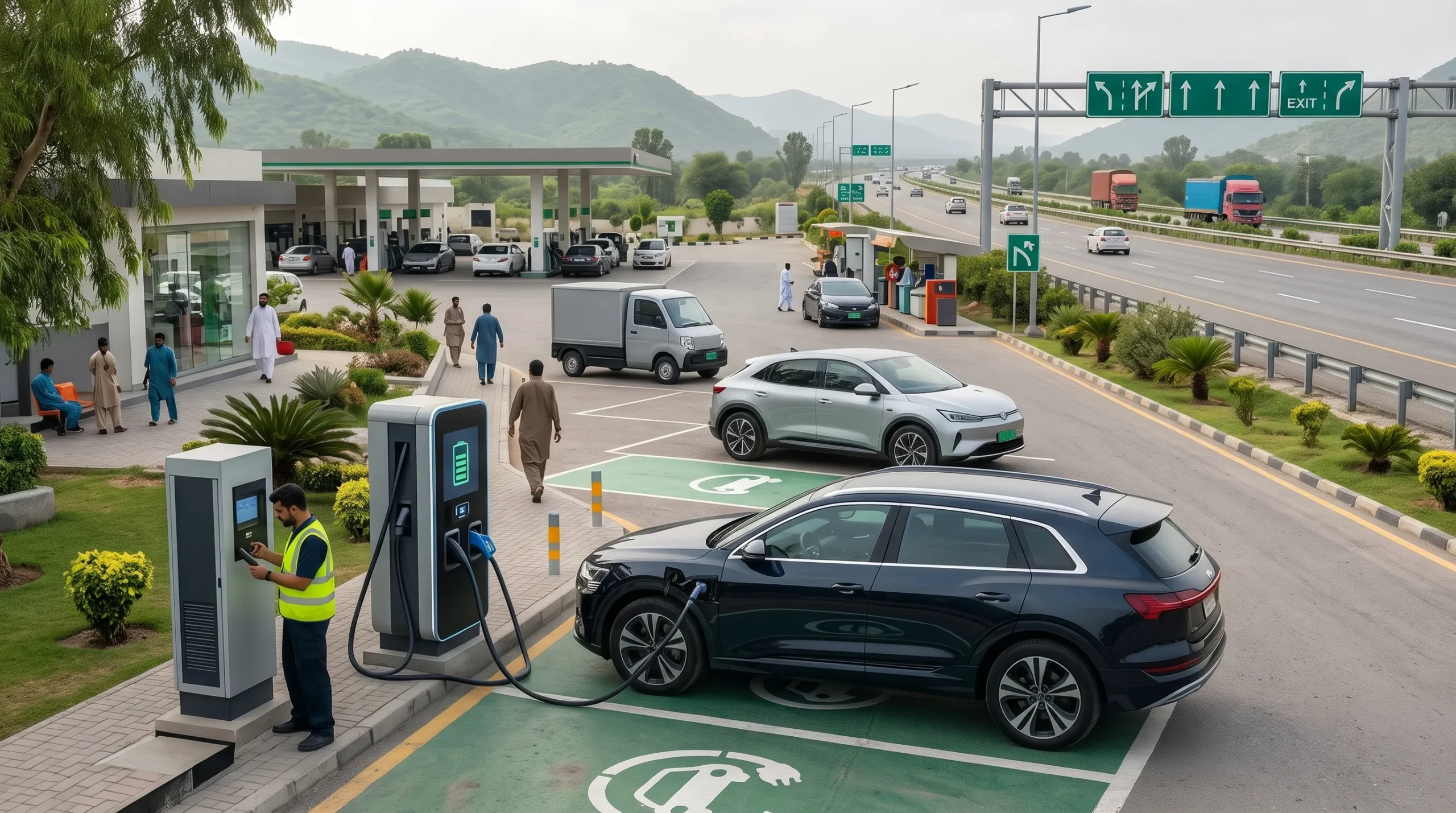
The government's plans also include expanding electric mobility, with a target of having electric vehicles account for 30 per cent of new vehicle sales by 2030. Future government buses and motorcycles are also expected to be electric.
Additionally, the planned Chashma-5 nuclear power project is expected to contribute another 1,200 megawatts to the national electricity supply.

The prime minister stressed that developing countries need international financial assistance and affordable technology to make the transition towards cleaner energy. He estimated that Pakistan would require around $138 billion by 2035 for low-carbon electricity and another $50 billion to replace coal-based power with solar energy.
Pakistan also highlighted its work on disaster preparedness, early-warning systems and climate resilience at the conference. A dedicated Pakistan Pavilion is hosting 54 scheduled events to showcase the country's initiatives.
Prime Minister Shehbaz Sharif joined world leaders at the 31st United Nations Climate Change Conference (COP31) in Antalya, Türkiye, to discuss global warming, renewable energy and sustainable development.
Prime Minister Shehbaz Sharif joined world leaders at the 31st United Nations Climate Change Conference (COP31) in Antalya, Türkiye, to discuss global warming, renewable energy and sustainable development.
During his address, he highlighted Pakistan's growing shift towards cleaner energy, particularly the rapid expansion of rooftop solar installations across the country.
He described this development as a significant change in the country's energy landscape, driven by households and businesses seeking affordable electricity and greater independence from conventional power sources.
Highlighting Pakistan's progress, Shehbaz revealed that the country had added nearly 22 gigawatts of rooftop solar capacity within two years. He also stated that cleaner sources now account for approximately 55 per cent of the country's energy mix.
The government's plans also include expanding electric mobility, with a target of having electric vehicles account for 30 per cent of new vehicle sales by 2030. Future government buses and motorcycles are also expected to be electric.
Additionally, the planned Chashma-5 nuclear power project is expected to contribute another 1,200 megawatts to the national electricity supply.
The prime minister stressed that developing countries need international financial assistance and affordable technology to make the transition towards cleaner energy. He estimated that Pakistan would require around $138 billion by 2035 for low-carbon electricity and another $50 billion to replace coal-based power with solar energy.
Pakistan also highlighted its work on disaster preparedness, early-warning systems and climate resilience at the conference. A dedicated Pakistan Pavilion is hosting 54 scheduled events to showcase the country's initiatives.