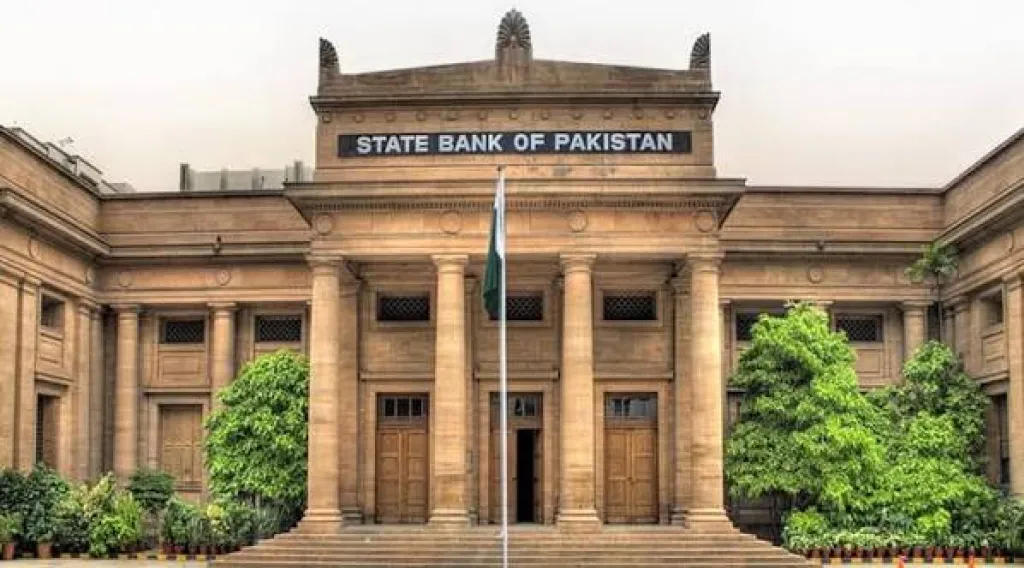
The State Bank of Pakistan (SBP) recorded a net profit of Rs 1.99 trillion for the financial year ending June 30, 2026, maintaining its position as a significant source of income for the government.
However, the figure marks a decline from the Rs 2.5 trillion profit recorded during the previous financial year, representing a drop of around 20 percent.
The reduction largely reflects lower earnings from interest and mark up as monetary conditions eased during the year.

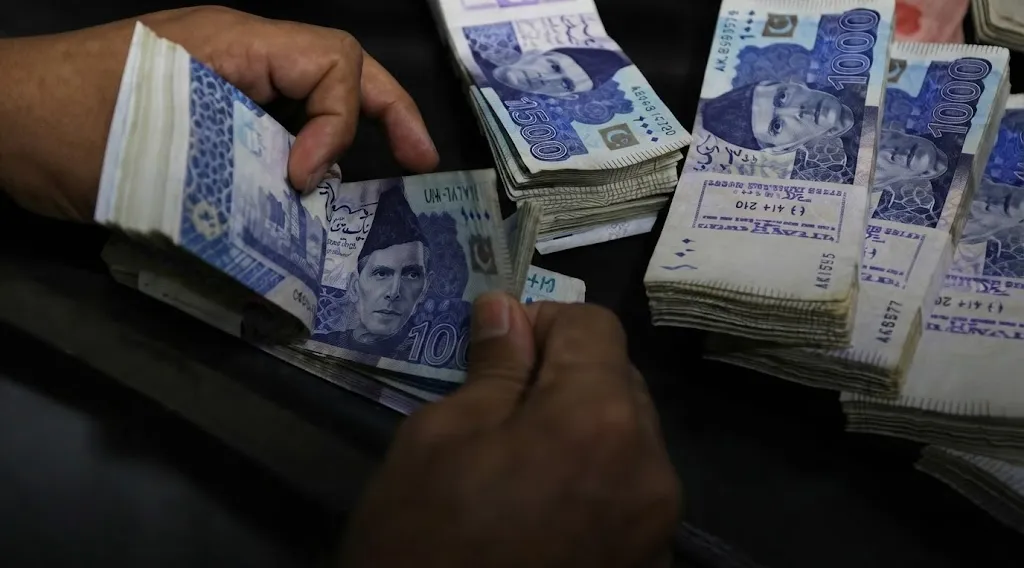
The SBP’s financial results show that net interest income remained its largest source of earnings, reaching approximately Rs 1.92 trillion during FY2026.
However, net interest income declined by around 26 percent compared with the previous year as interest rates moved lower.
The changing monetary environment therefore had a direct impact on the central bank’s profitability. Other sources provided some support.

The SBP’s profits also have a direct impact on Pakistan’s public finances. After accounting and statutory adjustments, the central bank transferred approximately Rs 1.932 trillion of its surplus profit to the federal government.
Such transfers provide an additional source of government revenue and can help reduce pressure on public finances. They can also lower the government’s reliance on borrowing to meet its financial requirements.
The latest figures show the scale of the SBP’s contribution to the national treasury.

The SBP’s latest results also offer a glimpse into how changing interest rates can affect the finances of a central bank.
As monetary conditions eased during FY2026, income from interest and mark up declined, bringing overall profit down from the previous year.
Despite this reduction, the SBP remained highly profitable, recording almost Rs 2 trillion in net earnings. Foreign exchange gains and stronger dividend income helped soften the decline and support the final result.
The State Bank of Pakistan (SBP) recorded a net profit of Rs 1.99 trillion for the financial year ending June 30, 2026, maintaining its position as a significant source of income for the government.
The State Bank of Pakistan (SBP) recorded a net profit of Rs 1.99 trillion for the financial year ending June 30, 2026, maintaining its position as a significant source of income for the government.
However, the figure marks a decline from the Rs 2.5 trillion profit recorded during the previous financial year, representing a drop of around 20 percent.
The reduction largely reflects lower earnings from interest and mark up as monetary conditions eased during the year.
The SBP’s financial results show that net interest income remained its largest source of earnings, reaching approximately Rs 1.92 trillion during FY2026.
However, net interest income declined by around 26 percent compared with the previous year as interest rates moved lower.
The changing monetary environment therefore had a direct impact on the central bank’s profitability. Other sources provided some support.
The SBP’s profits also have a direct impact on Pakistan’s public finances. After accounting and statutory adjustments, the central bank transferred approximately Rs 1.932 trillion of its surplus profit to the federal government.
Such transfers provide an additional source of government revenue and can help reduce pressure on public finances. They can also lower the government’s reliance on borrowing to meet its financial requirements.
The latest figures show the scale of the SBP’s contribution to the national treasury.
The SBP’s latest results also offer a glimpse into how changing interest rates can affect the finances of a central bank.
As monetary conditions eased during FY2026, income from interest and mark up declined, bringing overall profit down from the previous year.
Despite this reduction, the SBP remained highly profitable, recording almost Rs 2 trillion in net earnings. Foreign exchange gains and stronger dividend income helped soften the decline and support the final result.



