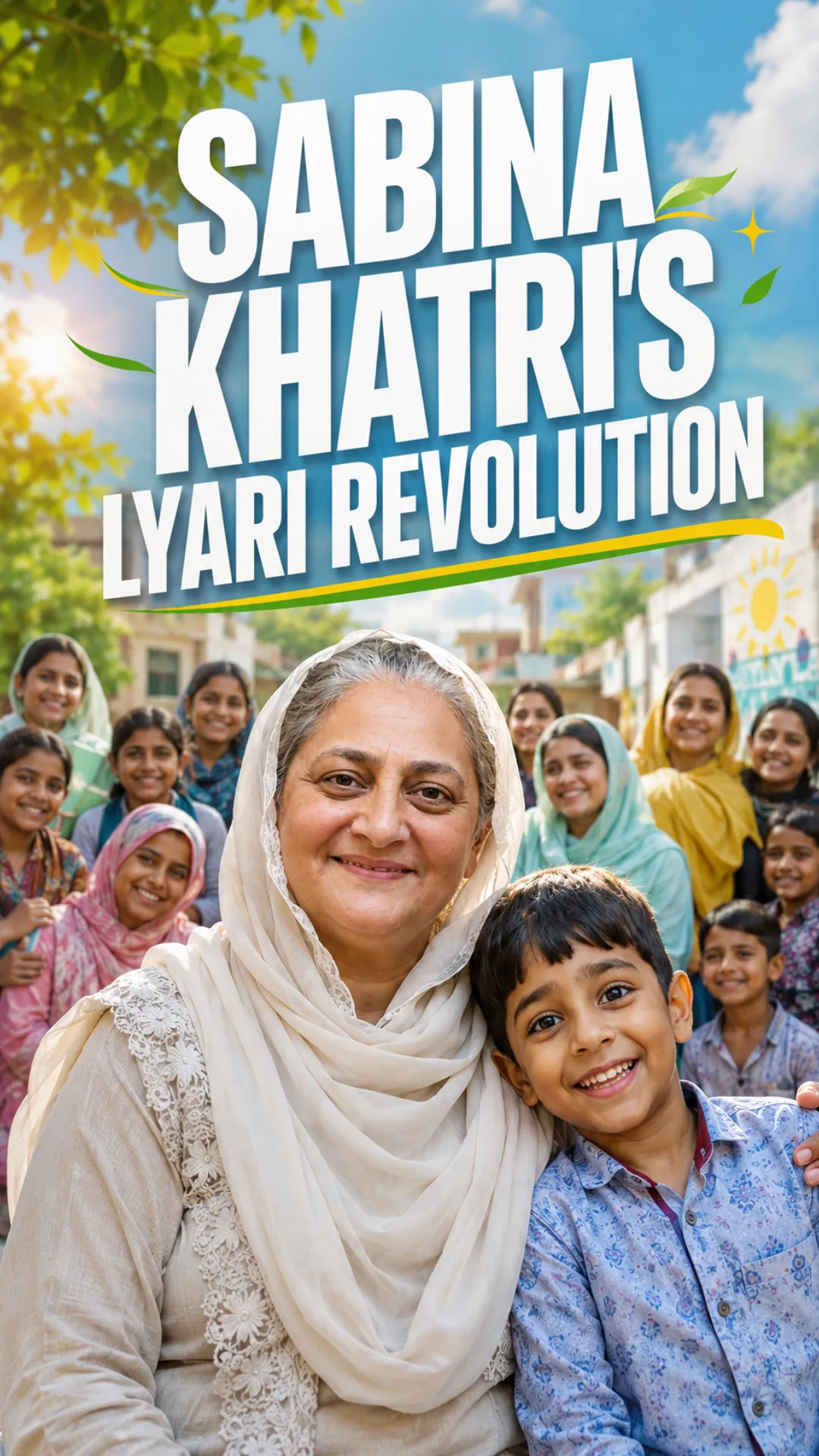
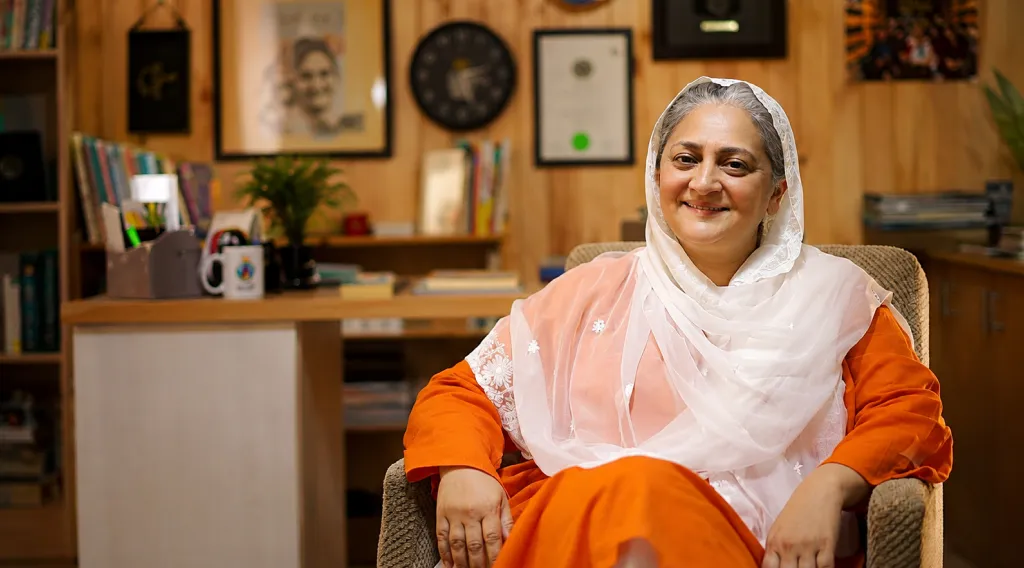
In one of Karachi's most underserved neighborhoods, educator and social entrepreneur Sabina Khatri saw more than poverty.
She recognized that many children were growing up without access to quality education, stable support systems, or opportunities to break the cycle of deprivation. Witnessing the hardships faced by vulnerable families inspired her to take meaningful action.
This vision led to the establishment of the Kiran Foundation, a nonprofit organization dedicated to providing education and holistic development for children living in Lyari. Rather than addressing only academic needs, the foundation focuses on the broader social challenges affecting families.

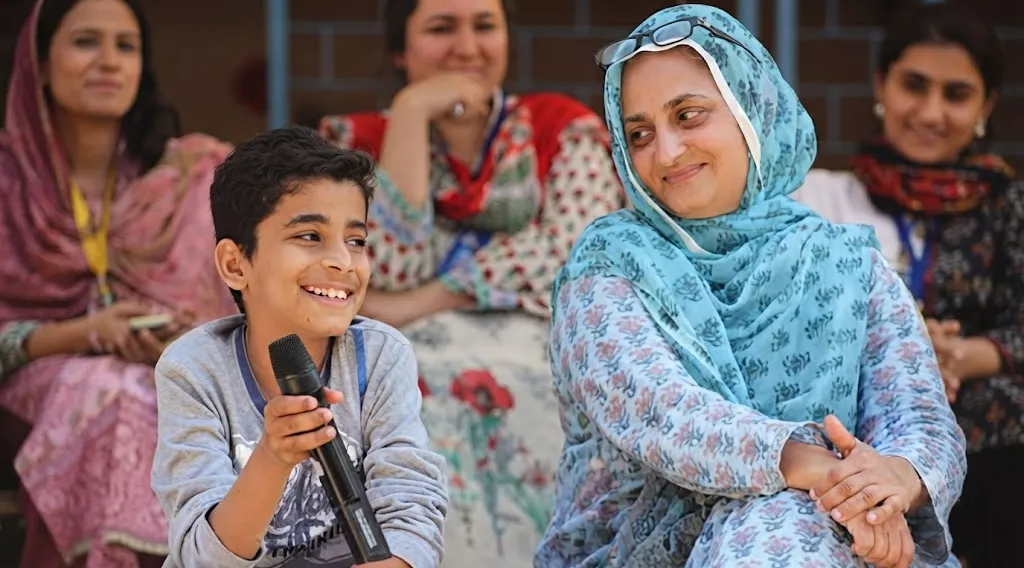
While working closely with children in Lyari, Sabina Khatri realized that many educational challenges extended beyond the classroom. Poverty, limited access to healthcare, inadequate nutrition, and low literacy among parents often prevented children from reaching their full potential.
Instead of viewing these issues separately, the Kiran Foundation adopted a holistic approach that recognized the strong connection between family wellbeing and a child's educational success. Supporting children required strengthening the environment in which they were growing up.
This understanding shaped programs that combined education with health awareness, nutrition, emotional wellbeing, and parental involvement.
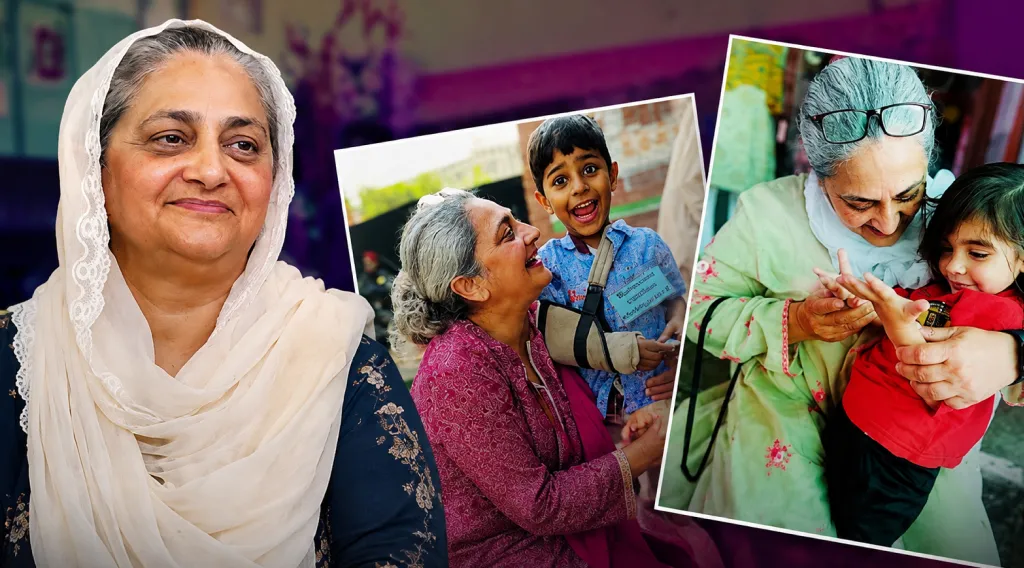
One of the Kiran Foundation's most distinctive initiatives has been its emphasis on involving mothers in the learning journey.
Recognizing that parents play a vital role in early childhood development, the organization created opportunities for mothers to learn while supporting their young children.
Through literacy classes, parenting guidance, health education, and life skills training, many women gained confidence and practical knowledge that positively influenced their families. These programs encouraged active participation in children's education while promoting greater independence and self awareness.
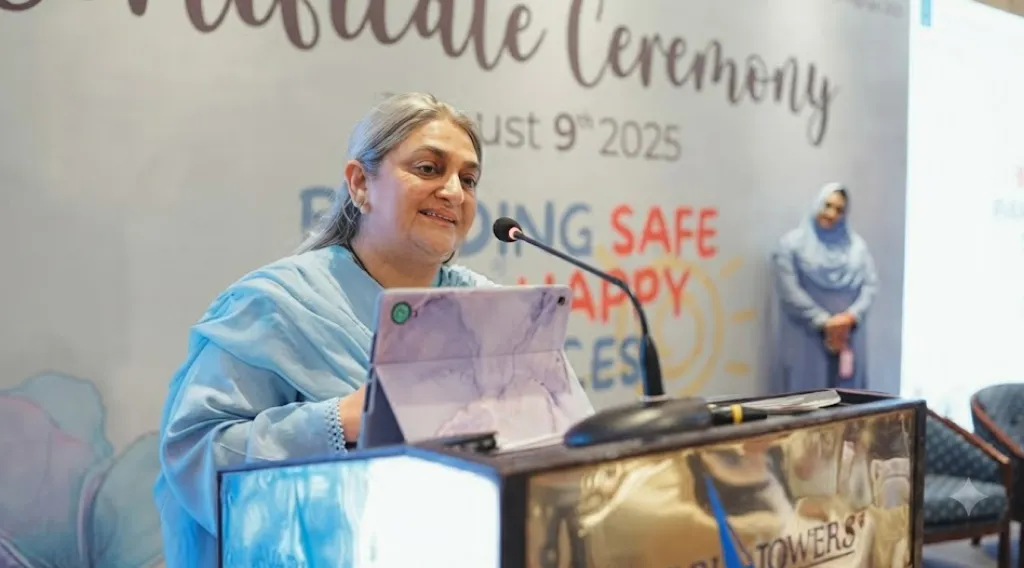
For many children in underserved communities, access to a safe and nurturing learning environment can make a significant difference. Kiran Foundation developed schools that prioritize not only academic excellence but also emotional wellbeing, creativity, and personal growth.
Students participate in interactive learning, arts, sports, leadership activities, and character development programs that encourage confidence and curiosity. The schools aim to help children discover their strengths while building essential life skills alongside formal education.
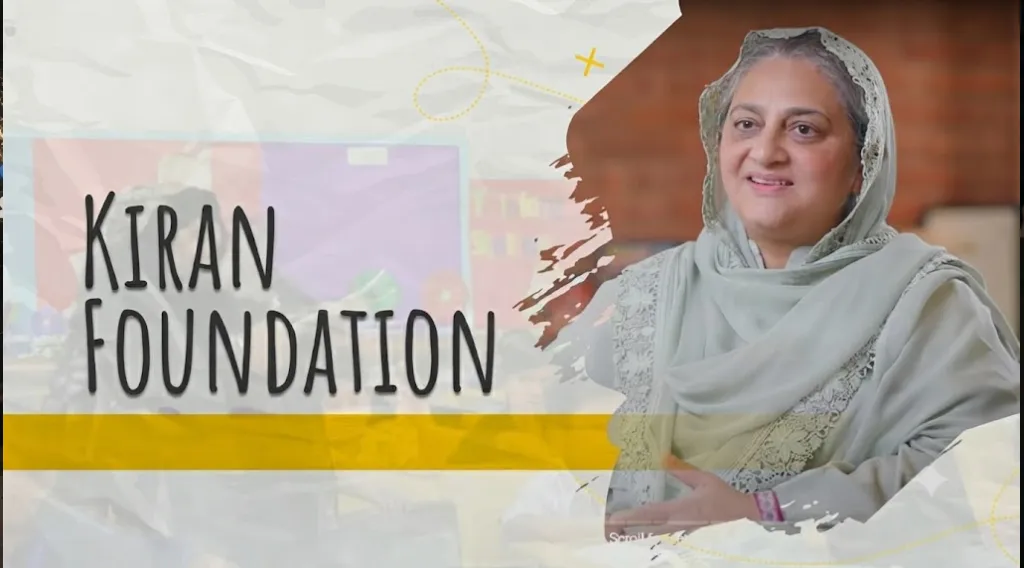
The work of the Kiran Foundation extends well beyond classrooms. Its programs have contributed to stronger family engagement, improved educational opportunities, and greater awareness of health, nutrition, and child development within the surrounding community.
Former students have gone on to pursue higher education, professional careers, and leadership roles, reflecting the long-term value of investing in quality education from an early age. Their achievements inspire younger generations to believe that success is attainable regardless of background.
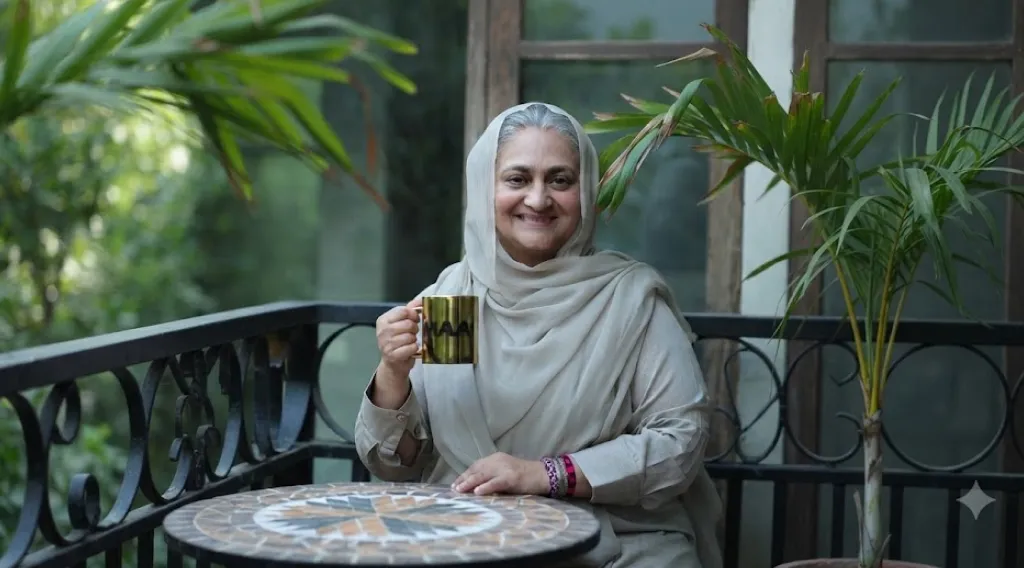
Sabina Khatri's work illustrates how meaningful social change begins by understanding the realities faced by communities and responding with practical, long-term solutions.
Through the Kiran Foundation, education has become a catalyst for empowering children, supporting mothers, and strengthening families across Lyari.
Her approach highlights the importance of combining academic learning with health, wellbeing, and community participation. By investing in both children and parents, the foundation addresses challenges that extend beyond the classroom and helps create lasting opportunities.
In one of Karachi’s most underserved neighborhoods, educator and social entrepreneur Sabina Khatri saw more than poverty.
In one of Karachi's most underserved neighborhoods, educator and social entrepreneur Sabina Khatri saw more than poverty.
She recognized that many children were growing up without access to quality education, stable support systems, or opportunities to break the cycle of deprivation. Witnessing the hardships faced by vulnerable families inspired her to take meaningful action.
This vision led to the establishment of the Kiran Foundation, a nonprofit organization dedicated to providing education and holistic development for children living in Lyari. Rather than addressing only academic needs, the foundation focuses on the broader social challenges affecting families.
While working closely with children in Lyari, Sabina Khatri realized that many educational challenges extended beyond the classroom. Poverty, limited access to healthcare, inadequate nutrition, and low literacy among parents often prevented children from reaching their full potential.
Instead of viewing these issues separately, the Kiran Foundation adopted a holistic approach that recognized the strong connection between family wellbeing and a child's educational success. Supporting children required strengthening the environment in which they were growing up.
This understanding shaped programs that combined education with health awareness, nutrition, emotional wellbeing, and parental involvement.
One of the Kiran Foundation's most distinctive initiatives has been its emphasis on involving mothers in the learning journey.
Recognizing that parents play a vital role in early childhood development, the organization created opportunities for mothers to learn while supporting their young children.
Through literacy classes, parenting guidance, health education, and life skills training, many women gained confidence and practical knowledge that positively influenced their families. These programs encouraged active participation in children's education while promoting greater independence and self awareness.
For many children in underserved communities, access to a safe and nurturing learning environment can make a significant difference. Kiran Foundation developed schools that prioritize not only academic excellence but also emotional wellbeing, creativity, and personal growth.
Students participate in interactive learning, arts, sports, leadership activities, and character development programs that encourage confidence and curiosity. The schools aim to help children discover their strengths while building essential life skills alongside formal education.
The work of the Kiran Foundation extends well beyond classrooms. Its programs have contributed to stronger family engagement, improved educational opportunities, and greater awareness of health, nutrition, and child development within the surrounding community.
Former students have gone on to pursue higher education, professional careers, and leadership roles, reflecting the long-term value of investing in quality education from an early age. Their achievements inspire younger generations to believe that success is attainable regardless of background.
Sabina Khatri's work illustrates how meaningful social change begins by understanding the realities faced by communities and responding with practical, long-term solutions.
Through the Kiran Foundation, education has become a catalyst for empowering children, supporting mothers, and strengthening families across Lyari.
Her approach highlights the importance of combining academic learning with health, wellbeing, and community participation. By investing in both children and parents, the foundation addresses challenges that extend beyond the classroom and helps create lasting opportunities.



