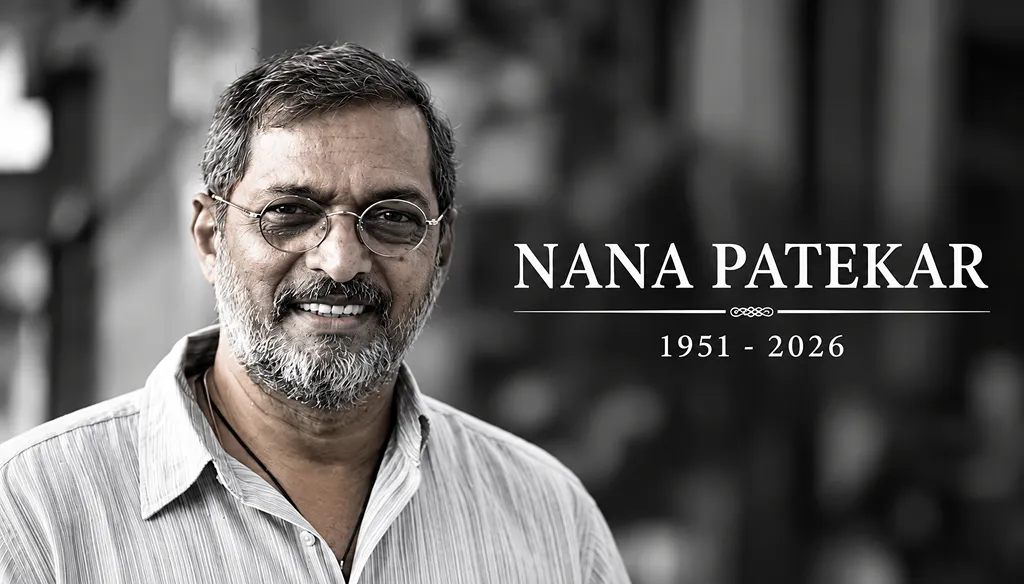
Veteran Indian actor Nana Patekar died on Thursday at the age of 75, bringing an end to a career that spanned nearly five decades across theatre, Marathi cinema and Bollywood.
He was found unconscious at his home in Goa early in the morning and was taken to Manipal Hospital, where doctors were unable to revive him. The hospital said he died from cardiac arrest, although the specific trigger was not immediately known.
Born Vishwanath Patekar in Maharashtra, he began his artistic journey in Marathi theatre before moving into films.

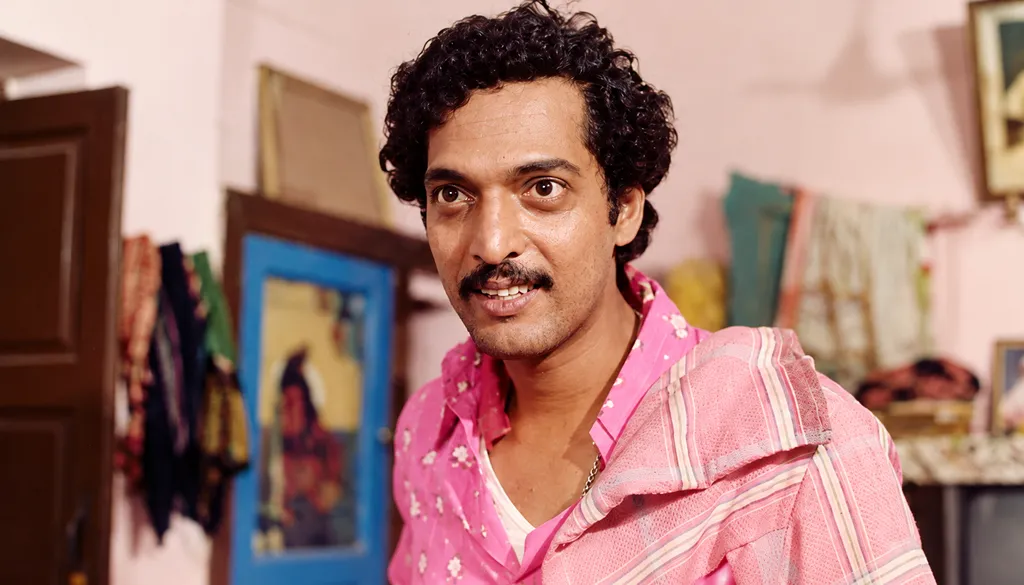
Patekar’s foundation as an actor was built on stage. Working in Marathi theatre before entering films gave him a performance style rooted in dialogue, expression and direct connection with an audience. He made his Hindi film debut with Gaman in 1978 and spent the following years appearing in both Hindi and Marathi productions.
His breakthrough came through acclaimed films including Salaam Bombay! and Parinda, where his intense portrayals demonstrated his ability to bring complicated and often intimidating characters to life.
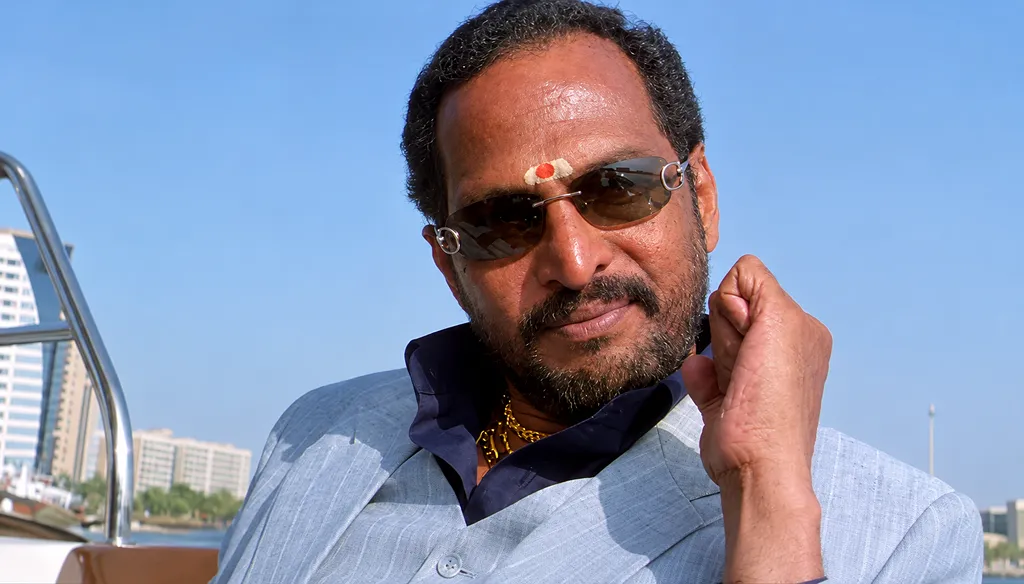
Patekar’s reputation was built largely on serious and emotionally demanding roles, but his career was never limited to intense drama. He repeatedly demonstrated that the same forceful personality that made him compelling in darker films could also create memorable comedy.
One of his most widely recognised mainstream characters came in Welcome, where he played the short-tempered gangster Uday Shetty. The role introduced his distinctive acting style to a new generation and showed how effectively he could turn aggression, timing and an unmistakable voice into comedy.
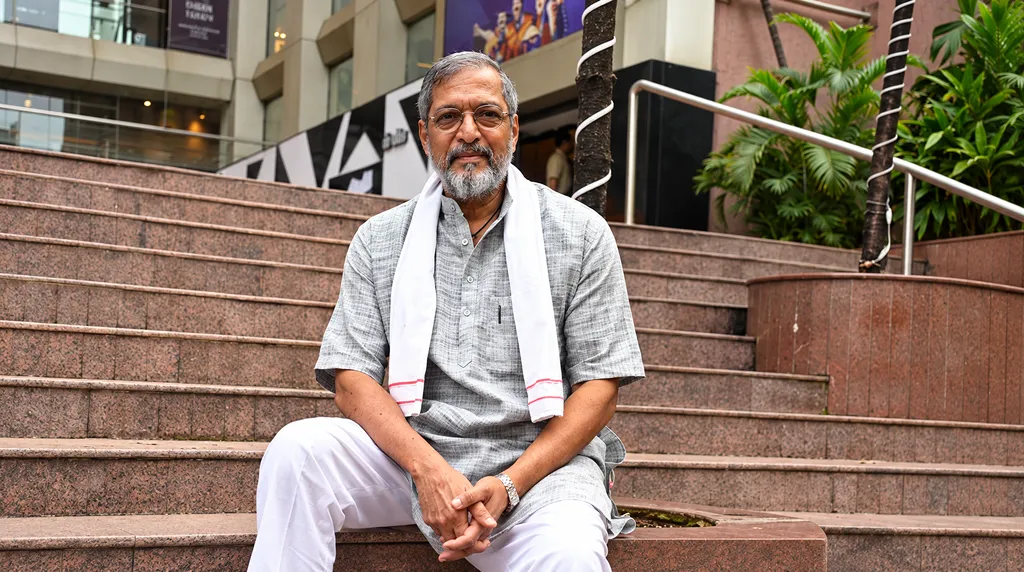
Patekar’s contribution to Indian cinema was recognised with some of the country’s most significant acting honours. His performances earned him National Film Awards, while his contribution to the arts was recognised with the Padma Shri.
What distinguished him was not simply the number of acclaimed performances, but the individuality he brought to each character. His delivery, intensity and ability to command attention without relying on conventional star mannerisms became central to his identity as an actor.
Veteran Indian actor Nana Patekar died on Thursday at the age of 75, bringing an end to a career that spanned nearly five decades across theatre, Marathi cinema and Bollywood.
Veteran Indian actor Nana Patekar died on Thursday at the age of 75, bringing an end to a career that spanned nearly five decades across theatre, Marathi cinema and Bollywood.
He was found unconscious at his home in Goa early in the morning and was taken to Manipal Hospital, where doctors were unable to revive him. The hospital said he died from cardiac arrest, although the specific trigger was not immediately known.
Born Vishwanath Patekar in Maharashtra, he began his artistic journey in Marathi theatre before moving into films.
Patekar’s foundation as an actor was built on stage. Working in Marathi theatre before entering films gave him a performance style rooted in dialogue, expression and direct connection with an audience. He made his Hindi film debut with Gaman in 1978 and spent the following years appearing in both Hindi and Marathi productions.
His breakthrough came through acclaimed films including Salaam Bombay! and Parinda, where his intense portrayals demonstrated his ability to bring complicated and often intimidating characters to life.
Patekar’s reputation was built largely on serious and emotionally demanding roles, but his career was never limited to intense drama. He repeatedly demonstrated that the same forceful personality that made him compelling in darker films could also create memorable comedy.
One of his most widely recognised mainstream characters came in Welcome, where he played the short-tempered gangster Uday Shetty. The role introduced his distinctive acting style to a new generation and showed how effectively he could turn aggression, timing and an unmistakable voice into comedy.
Patekar’s contribution to Indian cinema was recognised with some of the country’s most significant acting honours. His performances earned him National Film Awards, while his contribution to the arts was recognised with the Padma Shri.
What distinguished him was not simply the number of acclaimed performances, but the individuality he brought to each character. His delivery, intensity and ability to command attention without relying on conventional star mannerisms became central to his identity as an actor.



