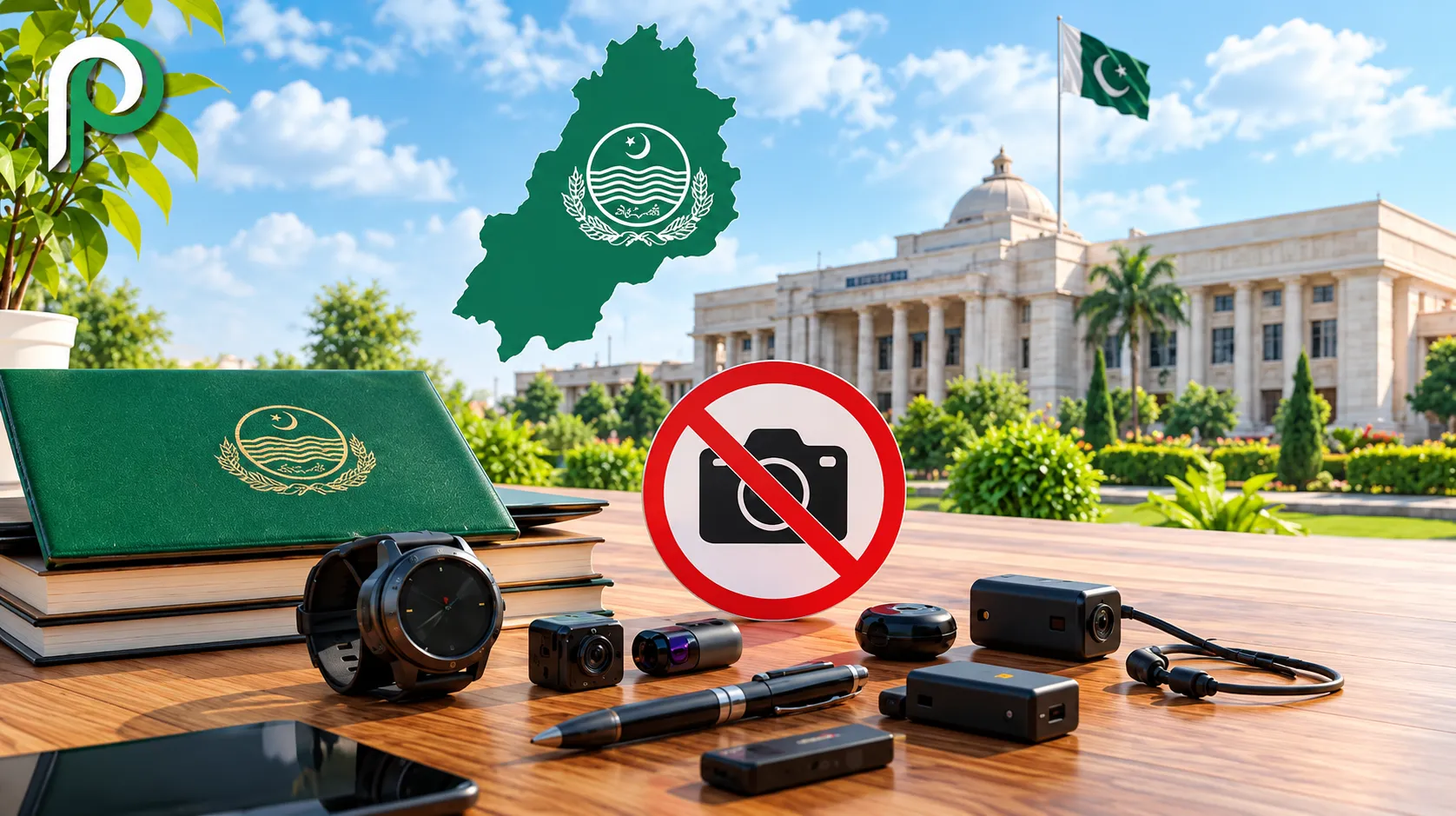
Punjab has imposed a 30-day ban on camera-enabled smart glasses and miniature cameras disguised as everyday objects, including pens and keychains. The order prohibits their use and sale, including through online platforms.
Issued by the Punjab Home Department on October 20, the restriction aims to address concerns about secret recording, privacy violations and the misuse of personal information.
The government has particularly highlighted the risks facing women and children, whose privacy and dignity can be threatened when recording devices are used without their knowledge or consent.

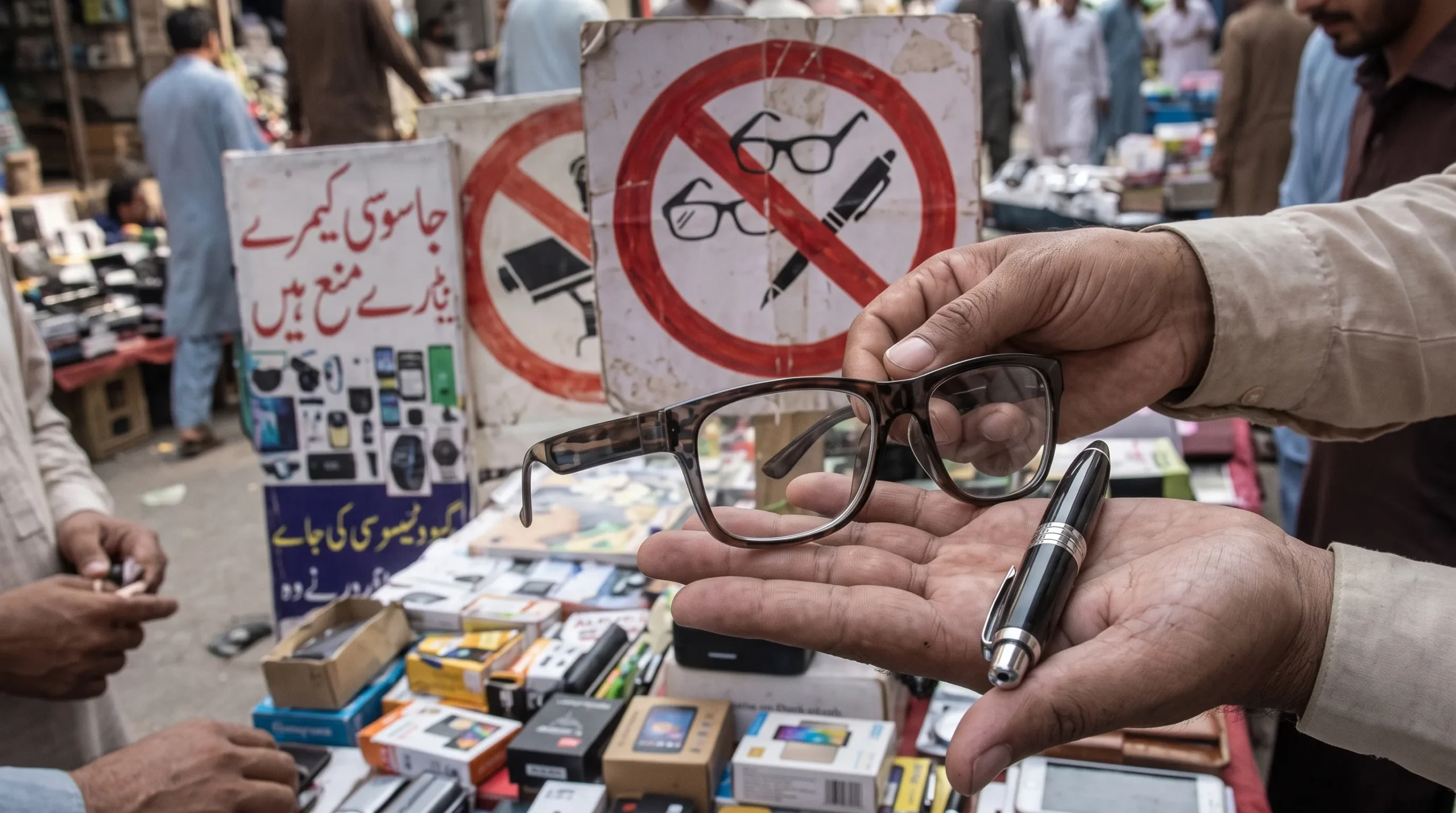
Unlike conventional cameras, recording devices concealed inside ordinary-looking objects can make it difficult for people to know when they are being filmed or recorded. Authorities have raised concerns about their potential misuse for harassment, surveillance and blackmail.
The order identifies places such as examination centres, healthcare facilities, courts, shopping malls and government establishments as areas where covert recording could create serious privacy and security risks.
The restriction does not cover ordinary mobile phones, laptops and handheld tablets. Authorised law enforcement personnel are also exempt from the specified restrictions on device use.
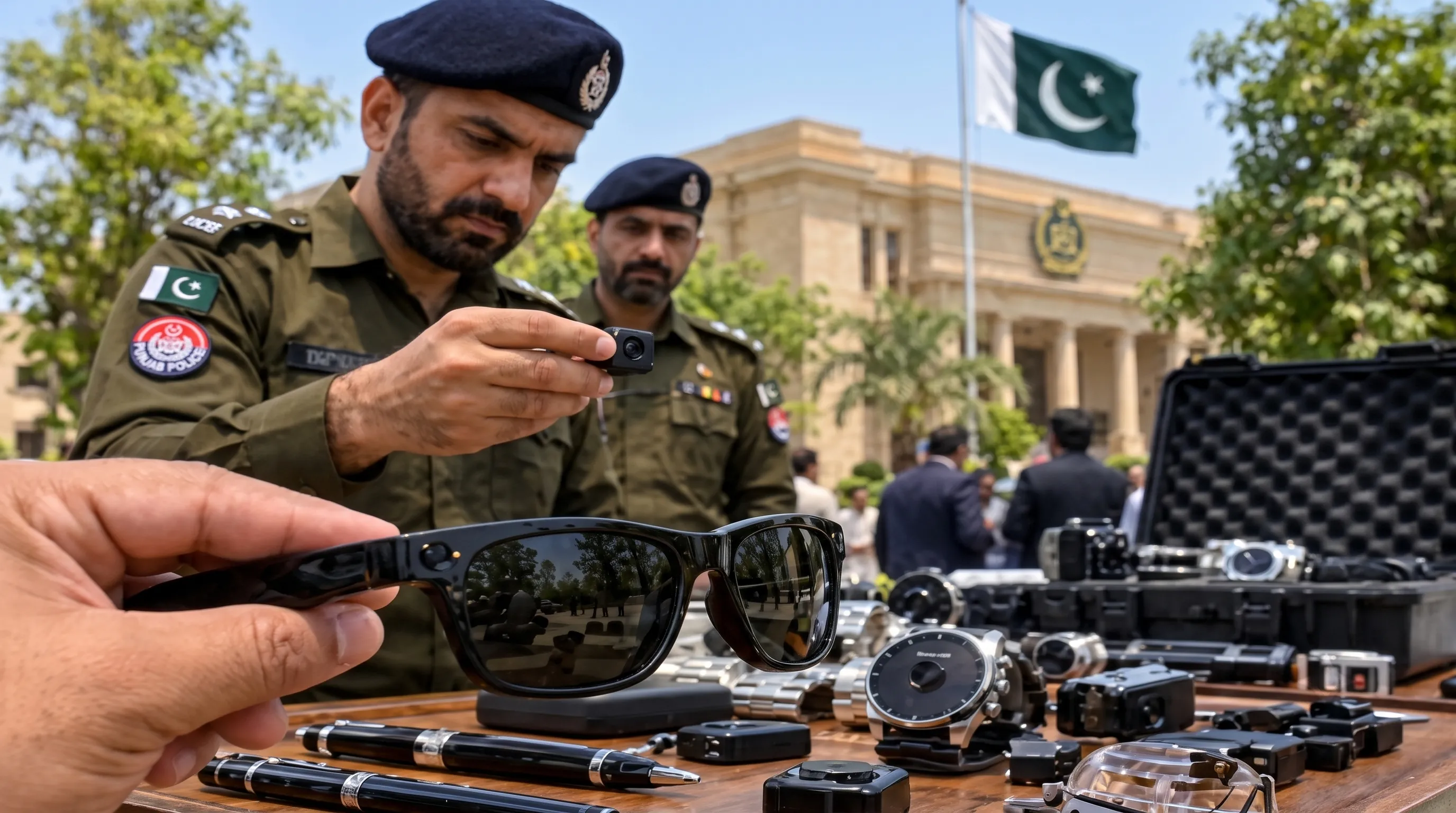
The decision comes amid growing debate over camera-equipped smart glasses, including products that combine recording capabilities with microphones and other smart features.
A petition before the Lahore High Court has also raised concerns about the unregulated import and sale of such devices in Pakistan.
While wearable technology offers convenience, concealed recording raises important questions about consent and the right to privacy in public and private spaces. Punjab’s 30-day restriction puts these concerns into focus.
Punjab has imposed a 30-day ban on camera-enabled smart glasses and miniature cameras disguised as everyday objects, including pens and keychains.
Punjab has imposed a 30-day ban on camera-enabled smart glasses and miniature cameras disguised as everyday objects, including pens and keychains. The order prohibits their use and sale, including through online platforms.
Issued by the Punjab Home Department on October 20, the restriction aims to address concerns about secret recording, privacy violations and the misuse of personal information.
The government has particularly highlighted the risks facing women and children, whose privacy and dignity can be threatened when recording devices are used without their knowledge or consent.
Unlike conventional cameras, recording devices concealed inside ordinary-looking objects can make it difficult for people to know when they are being filmed or recorded. Authorities have raised concerns about their potential misuse for harassment, surveillance and blackmail.
The order identifies places such as examination centres, healthcare facilities, courts, shopping malls and government establishments as areas where covert recording could create serious privacy and security risks.
The restriction does not cover ordinary mobile phones, laptops and handheld tablets. Authorised law enforcement personnel are also exempt from the specified restrictions on device use.
The decision comes amid growing debate over camera-equipped smart glasses, including products that combine recording capabilities with microphones and other smart features.
A petition before the Lahore High Court has also raised concerns about the unregulated import and sale of such devices in Pakistan.
While wearable technology offers convenience, concealed recording raises important questions about consent and the right to privacy in public and private spaces. Punjab’s 30-day restriction puts these concerns into focus.



