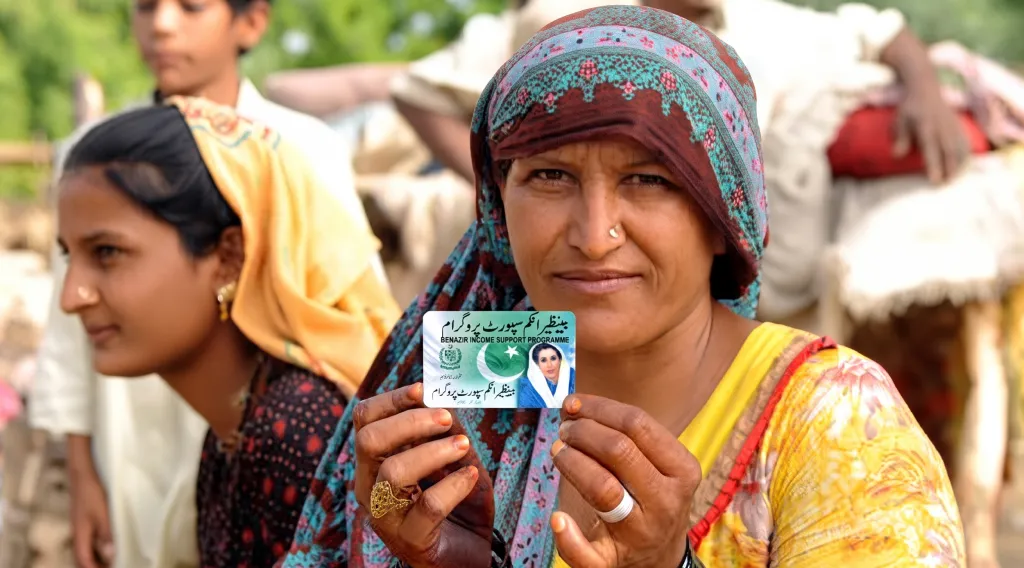
The Benazir Kafaalat Program, a flagship initiative under the Benazir Income Support Programme (BISP), provides quarterly financial assistance to women from eligible low income households across Pakistan.
The program is designed to strengthen household incomes while empowering women as the primary recipients of support.
Under the current payment cycle, eligible beneficiaries receive Rs. 14,500 every quarter, helping families meet essential expenses such as food, healthcare, children's education, and other daily needs.

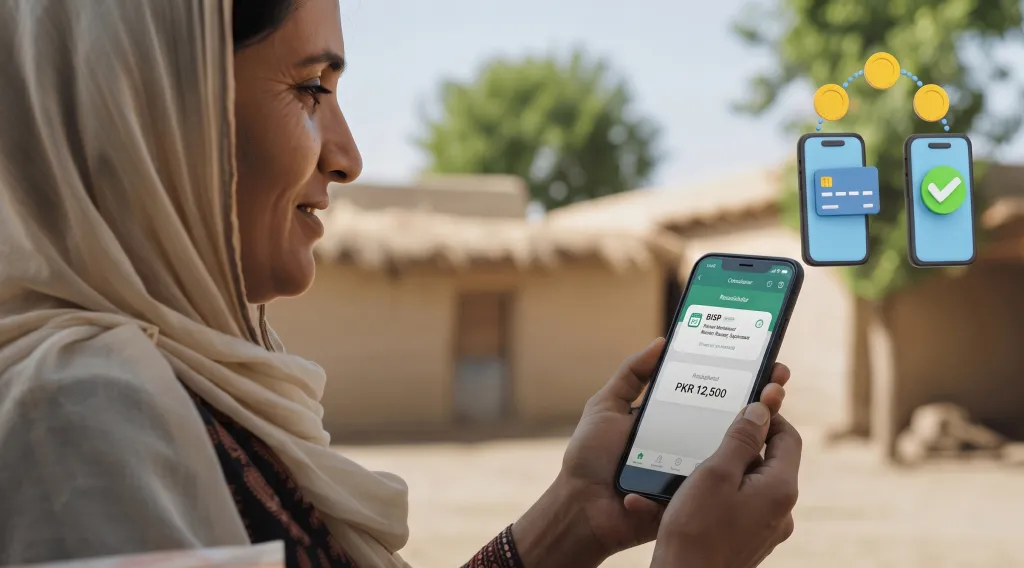
To improve transparency and accessibility, BISP is gradually expanding the use of digital payment systems and partner banking networks.
Through secure digital channels, beneficiaries can receive payments with greater convenience while reducing delays and opportunities for unauthorized deductions.
The move towards digital financial services supports Pakistan's broader efforts to expand financial inclusion and modernize social protection programs.
Beneficiaries can increasingly access their funds through banking partners and approved digital payment platforms.
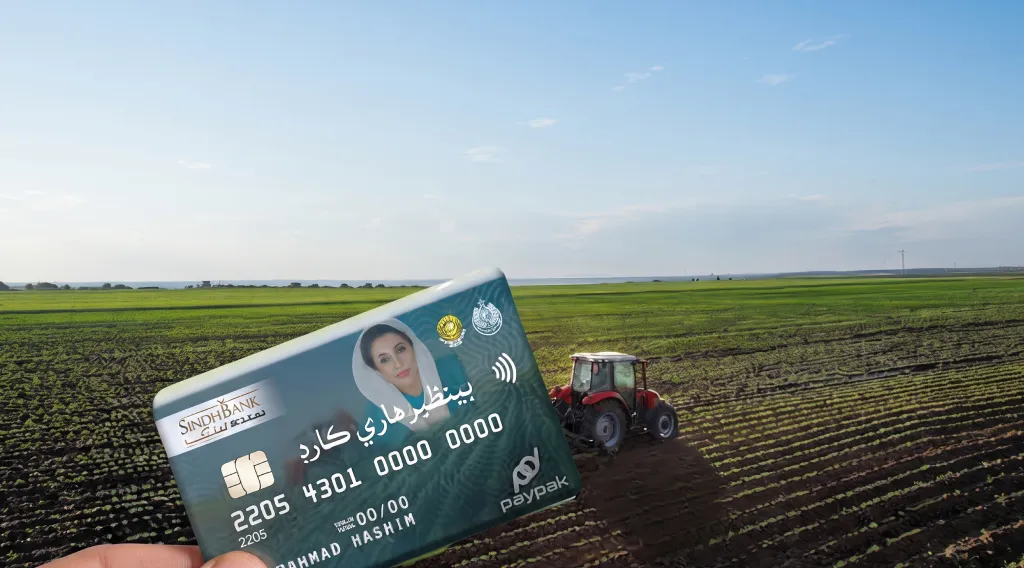
The Benazir Hari Card, introduced by the Government of Sindh, is designed to support smallholder farmers by improving access to agricultural assistance and targeted financial support.
The initiative aims to strengthen rural livelihoods and increase agricultural productivity across the province.
Registered farmers can benefit from government support linked to farming needs, including seasonal assistance, subsidies, and access to selected agricultural inputs through the program.
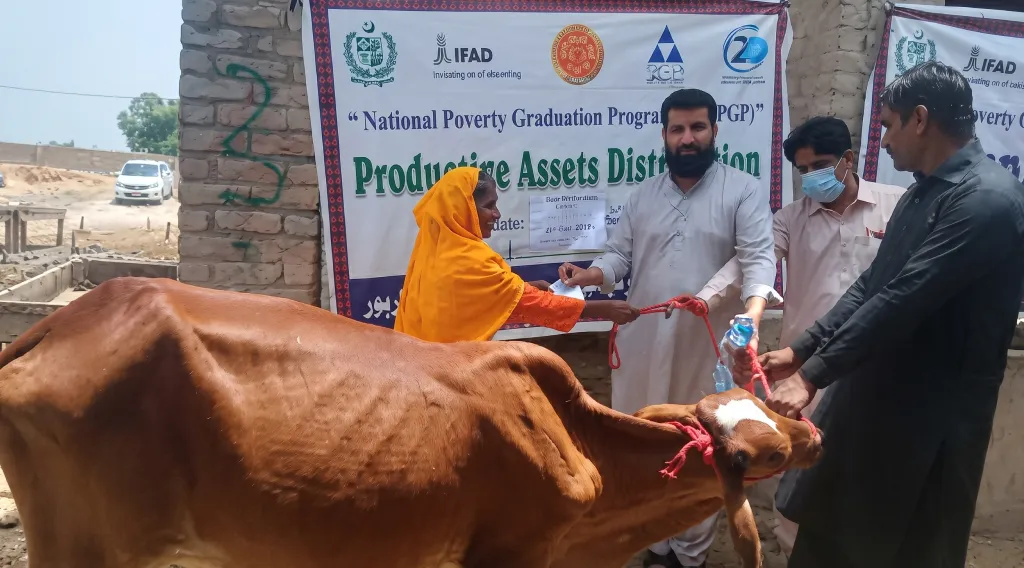
Livestock distribution initiatives launched by provincial governments provide milch animals, including cows and buffaloes, to eligible widows, orphans, and financially vulnerable families.
Rather than offering one time financial assistance, these programs help beneficiaries establish long term sources of income.
Milk produced by the animals can be consumed at home or sold locally, enabling families to generate regular earnings while improving household nutrition. Veterinary support and training are often included to help beneficiaries care for their livestock.
The Benazir Kafaalat Program, a flagship initiative under the Benazir Income Support Programme (BISP), provides quarterly financial assistance to women from eligible low income households across Pakistan.
The Benazir Kafaalat Program, a flagship initiative under the Benazir Income Support Programme (BISP), provides quarterly financial assistance to women from eligible low income households across Pakistan.
The program is designed to strengthen household incomes while empowering women as the primary recipients of support.
Under the current payment cycle, eligible beneficiaries receive Rs. 14,500 every quarter, helping families meet essential expenses such as food, healthcare, children's education, and other daily needs.
To improve transparency and accessibility, BISP is gradually expanding the use of digital payment systems and partner banking networks.
Through secure digital channels, beneficiaries can receive payments with greater convenience while reducing delays and opportunities for unauthorized deductions.
The move towards digital financial services supports Pakistan's broader efforts to expand financial inclusion and modernize social protection programs.
Beneficiaries can increasingly access their funds through banking partners and approved digital payment platforms.
The Benazir Hari Card, introduced by the Government of Sindh, is designed to support smallholder farmers by improving access to agricultural assistance and targeted financial support.
The initiative aims to strengthen rural livelihoods and increase agricultural productivity across the province.
Registered farmers can benefit from government support linked to farming needs, including seasonal assistance, subsidies, and access to selected agricultural inputs through the program.
Livestock distribution initiatives launched by provincial governments provide milch animals, including cows and buffaloes, to eligible widows, orphans, and financially vulnerable families.
Rather than offering one time financial assistance, these programs help beneficiaries establish long term sources of income.
Milk produced by the animals can be consumed at home or sold locally, enabling families to generate regular earnings while improving household nutrition. Veterinary support and training are often included to help beneficiaries care for their livestock.