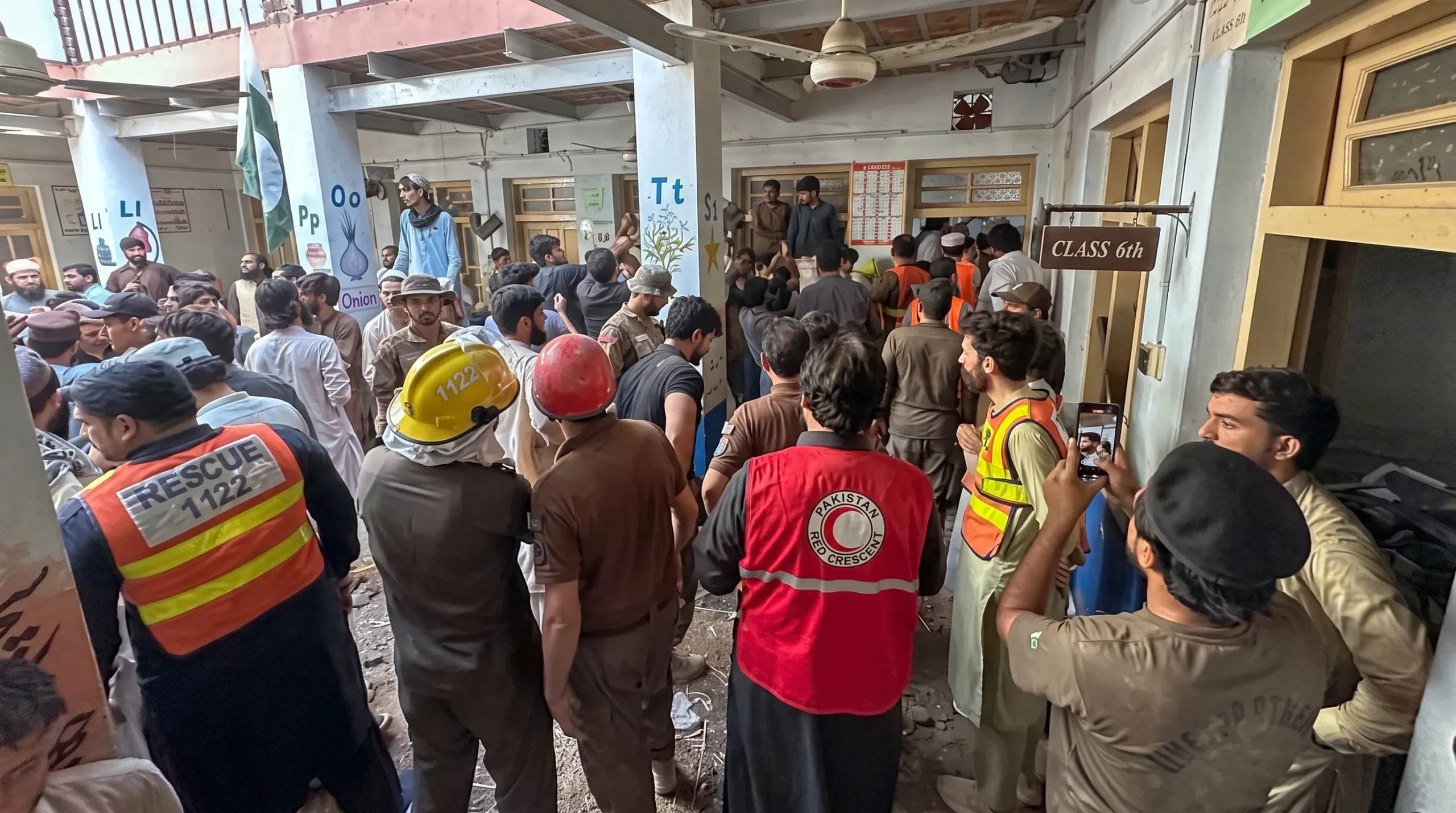
The roof collapse at Al Khair School in Peshawar’s Dir Colony has turned a place of learning into a scene of devastation. Children had come to school to study and spend time with their classmates when the building collapsed, killing students and a female teacher and leaving others injured. The tragedy has brought renewed attention to the safety of educational buildings across Pakistan.
Initial reports confirmed 17 child fatalities and the death of a teacher, with the toll rising as rescue operations continued. Emergency teams worked through the debris to locate victims and transport survivors to hospitals, where injured children received medical treatment.

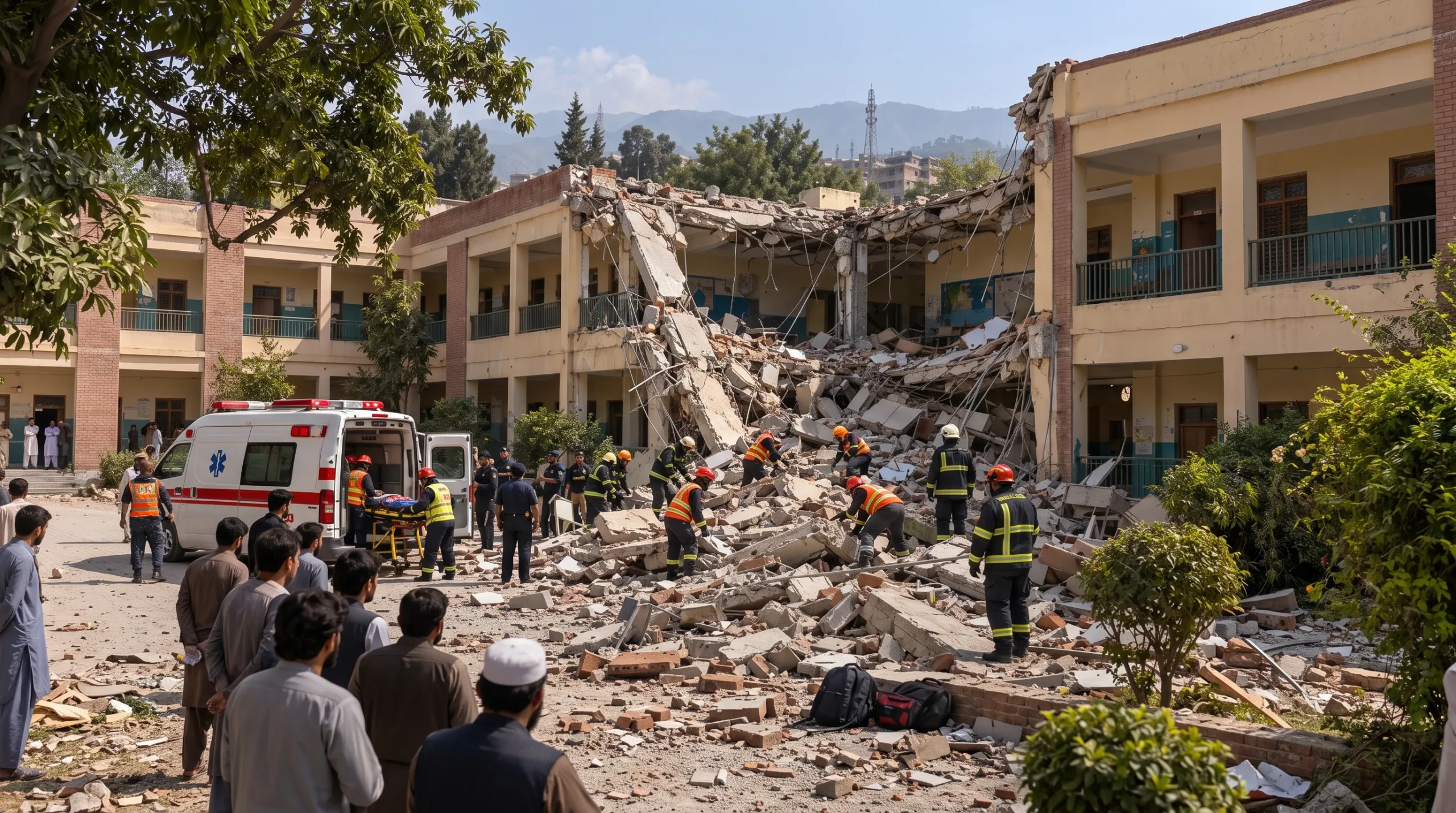
A school’s safety depends on the condition of its structure, the quality of its construction and whether potential hazards are identified before they become emergencies. Cracks, weakened roofs, water damage and visible structural deterioration can all warrant professional assessment. Such warning signs should never be dismissed or left unreported.
Regular structural inspections, compliance with building codes and timely repairs are essential safeguards. Older buildings and structures that have undergone unauthorised alterations may require particular scrutiny. Where serious concerns arise, qualified engineers and relevant authorities must assess the risks and determine whether a building is fit for use.
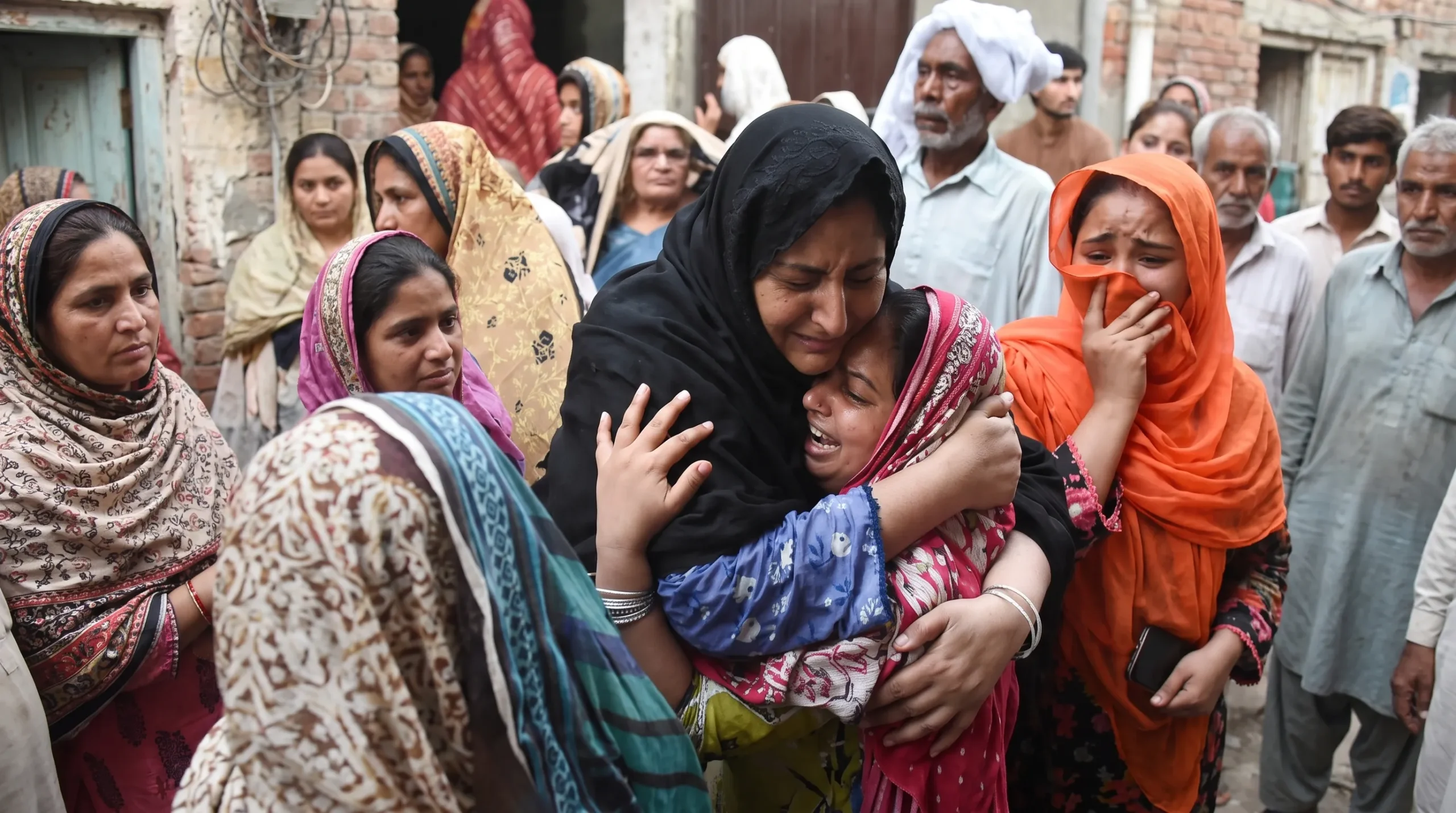
The Peshawar tragedy highlights the importance of treating school infrastructure as a matter of child protection, not simply maintenance. Every student should be able to enter a classroom without their family having to worry about whether the building itself poses a danger.
Authorities can strengthen prevention through routine structural audits, public reporting of inspection results, effective enforcement of construction standards and dedicated funding for repairs. Schools should also establish emergency evacuation procedures and ensure that staff know how to respond when a building appears unsafe.
The roof collapse at Al Khair School in Peshawar’s Dir Colony has turned a place of learning into a scene of devastation.
The roof collapse at Al Khair School in Peshawar’s Dir Colony has turned a place of learning into a scene of devastation. Children had come to school to study and spend time with their classmates when the building collapsed, killing students and a female teacher and leaving others injured. The tragedy has brought renewed attention to the safety of educational buildings across Pakistan.
Initial reports confirmed 17 child fatalities and the death of a teacher, with the toll rising as rescue operations continued. Emergency teams worked through the debris to locate victims and transport survivors to hospitals, where injured children received medical treatment.
A school’s safety depends on the condition of its structure, the quality of its construction and whether potential hazards are identified before they become emergencies. Cracks, weakened roofs, water damage and visible structural deterioration can all warrant professional assessment. Such warning signs should never be dismissed or left unreported.
Regular structural inspections, compliance with building codes and timely repairs are essential safeguards. Older buildings and structures that have undergone unauthorised alterations may require particular scrutiny. Where serious concerns arise, qualified engineers and relevant authorities must assess the risks and determine whether a building is fit for use.
The Peshawar tragedy highlights the importance of treating school infrastructure as a matter of child protection, not simply maintenance. Every student should be able to enter a classroom without their family having to worry about whether the building itself poses a danger.
Authorities can strengthen prevention through routine structural audits, public reporting of inspection results, effective enforcement of construction standards and dedicated funding for repairs. Schools should also establish emergency evacuation procedures and ensure that staff know how to respond when a building appears unsafe.



