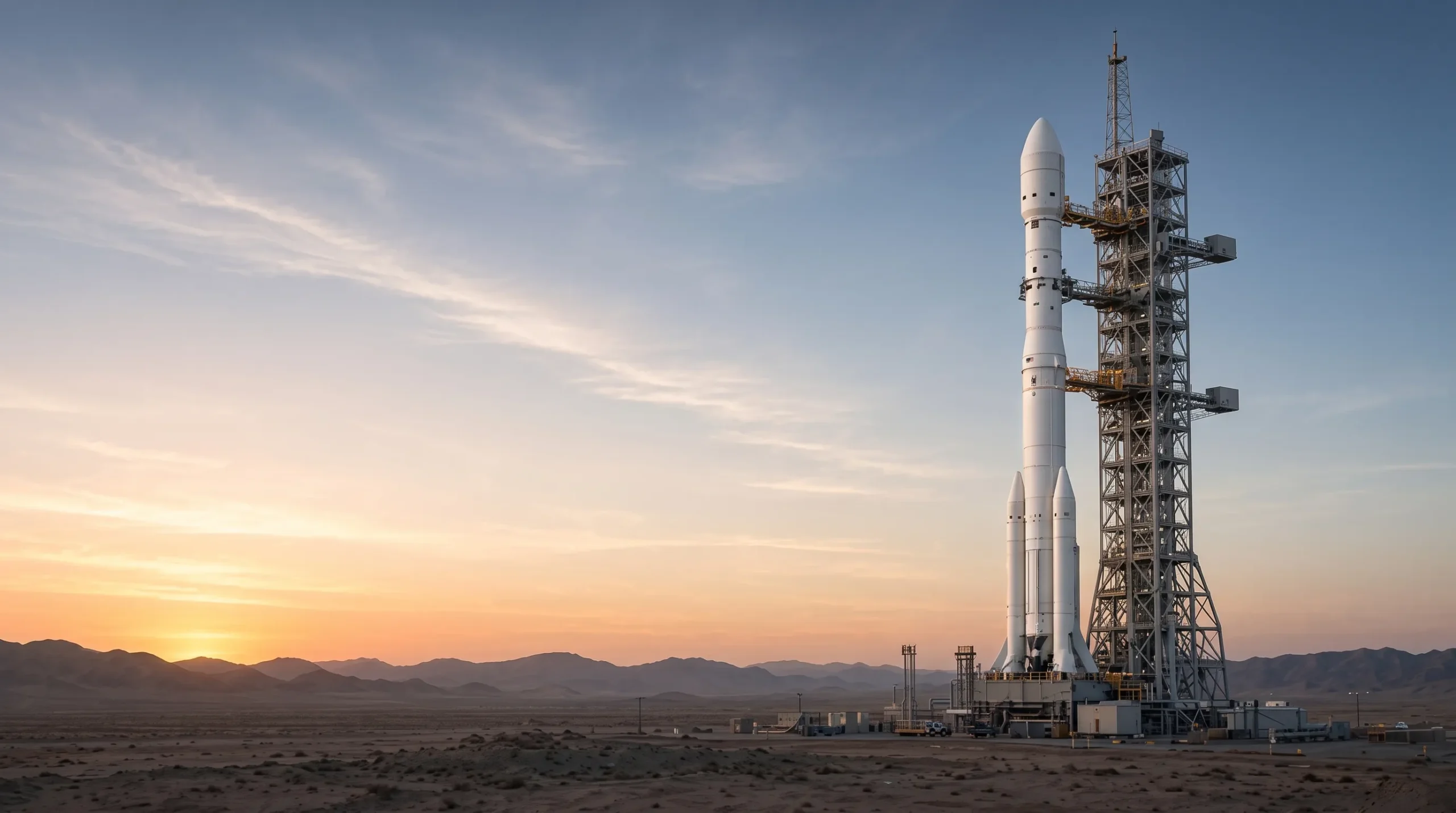
Pakistan is preparing for a major milestone in its space journey, with Planning Minister Ahsan Iqbal announcing that the country’s first astronaut is expected to travel to space from China on November 25, 2026.
The mission marks an important step in Pakistan’s efforts to expand its role in scientific research and space exploration.
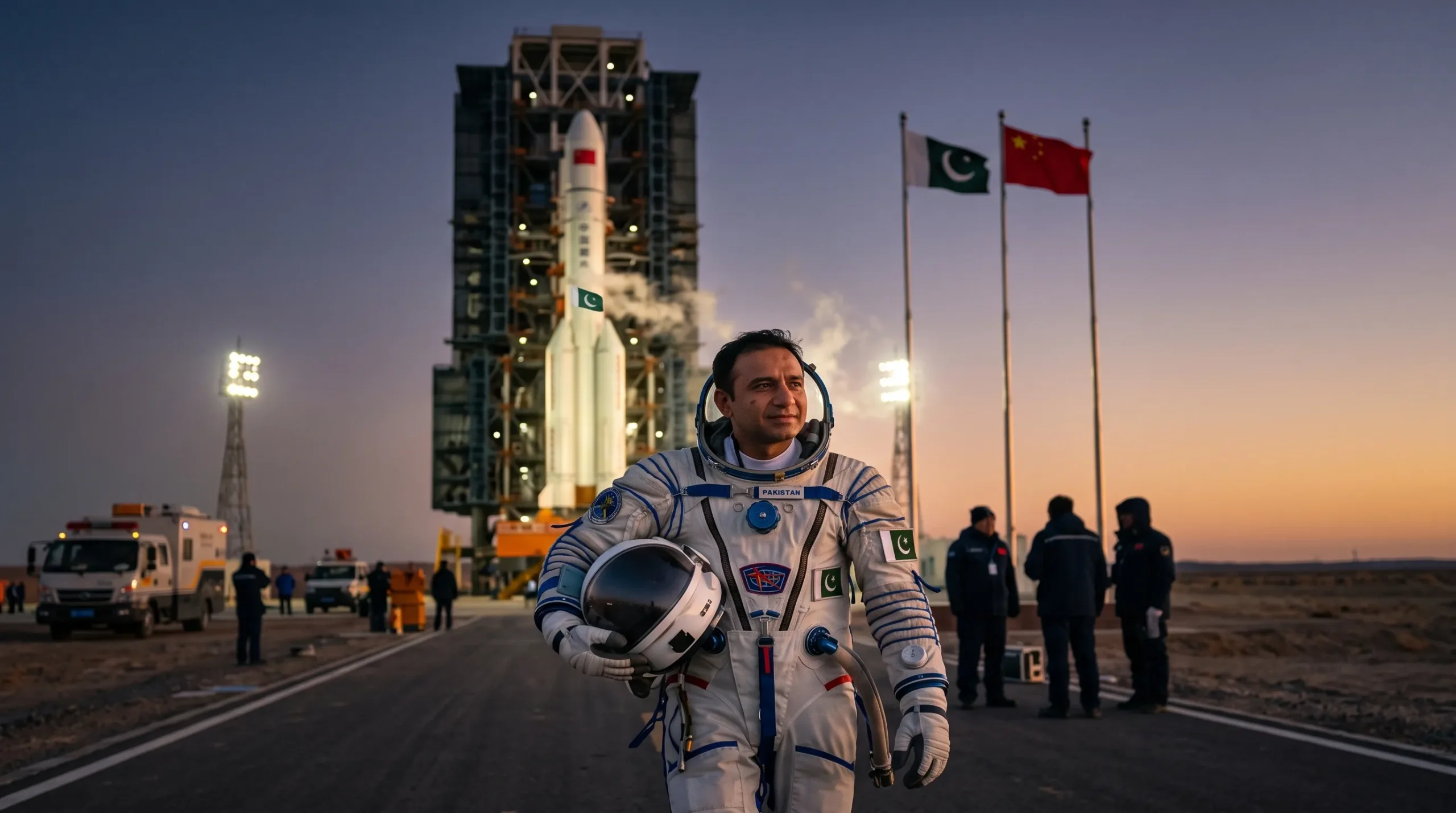
The astronaut will be selected from two Pakistani pilots, Muhammad Zeeshan Ali and Khurram Daud, who have been training in Beijing for the mission. The final selection and launch arrangements remain subject to confirmation by the relevant authorities.

The selected astronaut will serve as a scientific payload specialist aboard China’s Tiangong space station. Rather than piloting the spacecraft, the astronaut’s primary responsibility will be to conduct scientific experiments prepared by Pakistan.
The planned research includes biotechnology experiments connected to challenges such as food security and climate change.
These studies could help Pakistani researchers explore new approaches to problems affecting people on Earth. The mission is expected to last around a week.
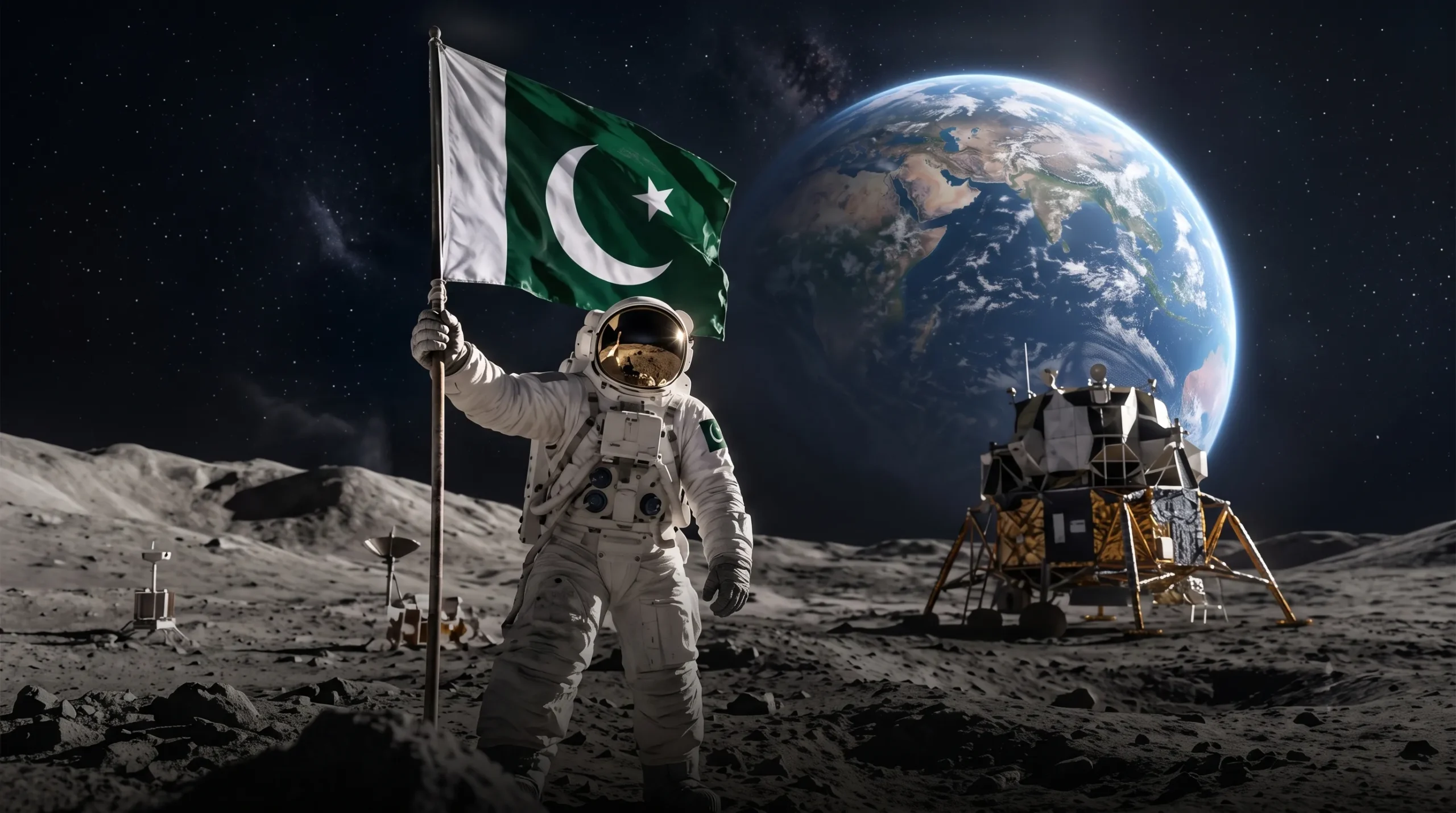
Pakistan’s space ambitions extend beyond this first astronaut mission. Ahsan Iqbal has also announced a national target of achieving a lunar landing by 2035, reflecting the country’s broader interest in advancing space research and technology.
Pakistan is already working with China on a separate lunar project involving a Pakistani-built rover expected to take part in China’s Chang’e-8 Moon mission around 2028. The project could give Pakistani scientists valuable experience in developing technology for lunar exploration.
Turning these ambitions into achievements will require sustained investment in research, technical education and innovation.
Pakistan is preparing for a major milestone in its space journey, with Planning Minister Ahsan Iqbal announcing that the country’s first astronaut is expected to travel to space from China on November 25, 2026.
Pakistan is preparing for a major milestone in its space journey, with Planning Minister Ahsan Iqbal announcing that the country’s first astronaut is expected to travel to space from China on November 25, 2026.
The mission marks an important step in Pakistan’s efforts to expand its role in scientific research and space exploration.
The astronaut will be selected from two Pakistani pilots, Muhammad Zeeshan Ali and Khurram Daud, who have been training in Beijing for the mission. The final selection and launch arrangements remain subject to confirmation by the relevant authorities.
The selected astronaut will serve as a scientific payload specialist aboard China’s Tiangong space station. Rather than piloting the spacecraft, the astronaut’s primary responsibility will be to conduct scientific experiments prepared by Pakistan.
The planned research includes biotechnology experiments connected to challenges such as food security and climate change.
These studies could help Pakistani researchers explore new approaches to problems affecting people on Earth. The mission is expected to last around a week.
Pakistan’s space ambitions extend beyond this first astronaut mission. Ahsan Iqbal has also announced a national target of achieving a lunar landing by 2035, reflecting the country’s broader interest in advancing space research and technology.
Pakistan is already working with China on a separate lunar project involving a Pakistani-built rover expected to take part in China’s Chang’e-8 Moon mission around 2028. The project could give Pakistani scientists valuable experience in developing technology for lunar exploration.
Turning these ambitions into achievements will require sustained investment in research, technical education and innovation.



