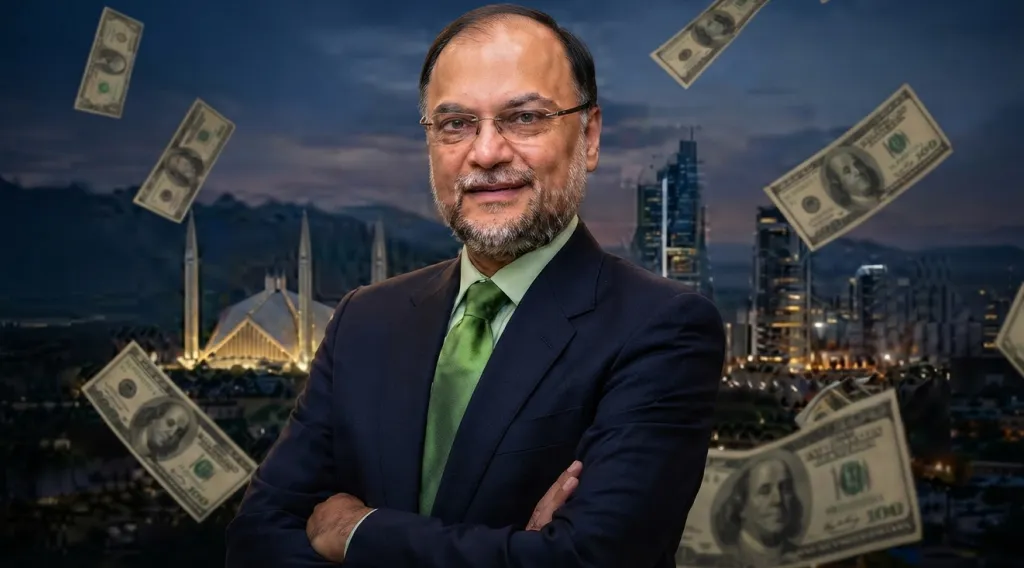
Planning Minister Ahsan Iqbal has outlined an ambitious economic vision for Pakistan, saying the country aims to build a $1 trillion economy by 2035.
The target, he explained, is not simply about achieving a larger GDP. It is intended to reflect a broader transformation toward an economy that is more productive, competitive, resilient and capable of generating sustainable growth.

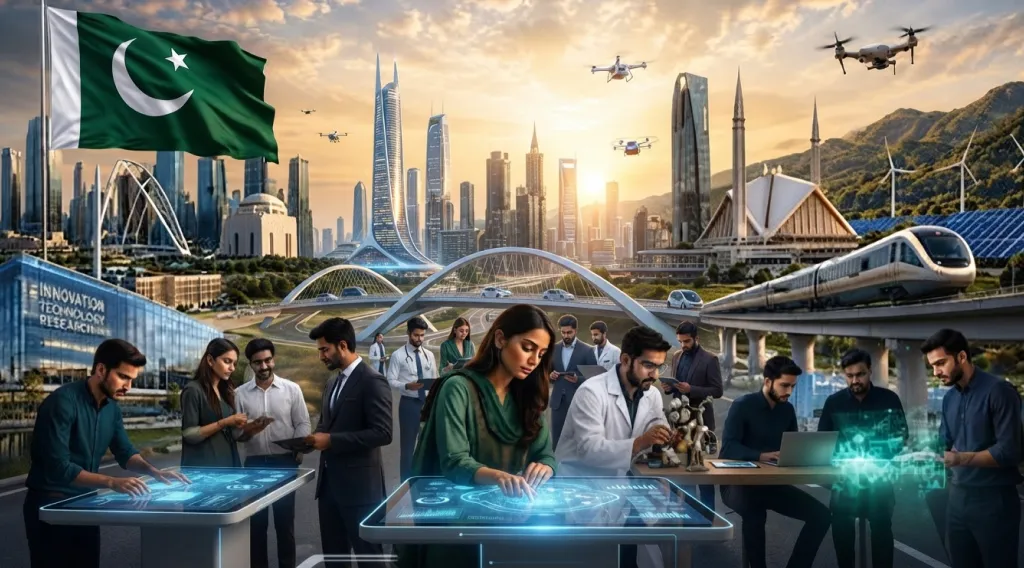
Pakistan’s economic roadmap places growing emphasis on areas that could reshape productivity and competitiveness, including digital transformation, artificial intelligence, advanced manufacturing, agriculture and technology.
Iqbal has also highlighted the importance of developing human capital, modernising infrastructure, strengthening energy systems and improving climate resilience as part of the country’s future economic strategy.
Reaching the $1 trillion ambition will require sustained economic growth alongside greater productivity and investment.
Iqbal has stressed that policy continuity will be essential to maintaining momentum and giving businesses confidence to invest for the long term.
The government also sees stronger public private partnerships as an important part of the transformation, bringing together state institutions, businesses and investors to support major economic initiatives.
Planning Minister Ahsan Iqbal has outlined an ambitious economic vision for Pakistan, saying the country aims to build a $1 trillion economy by 2035.
Planning Minister Ahsan Iqbal has outlined an ambitious economic vision for Pakistan, saying the country aims to build a $1 trillion economy by 2035.
The target, he explained, is not simply about achieving a larger GDP. It is intended to reflect a broader transformation toward an economy that is more productive, competitive, resilient and capable of generating sustainable growth.
Pakistan’s economic roadmap places growing emphasis on areas that could reshape productivity and competitiveness, including digital transformation, artificial intelligence, advanced manufacturing, agriculture and technology.
Iqbal has also highlighted the importance of developing human capital, modernising infrastructure, strengthening energy systems and improving climate resilience as part of the country’s future economic strategy.
Reaching the $1 trillion ambition will require sustained economic growth alongside greater productivity and investment.
Iqbal has stressed that policy continuity will be essential to maintaining momentum and giving businesses confidence to invest for the long term.
The government also sees stronger public private partnerships as an important part of the transformation, bringing together state institutions, businesses and investors to support major economic initiatives.



