Pakistani Researcher Develops Solar-Powered System to Transform Wastewater Recycling
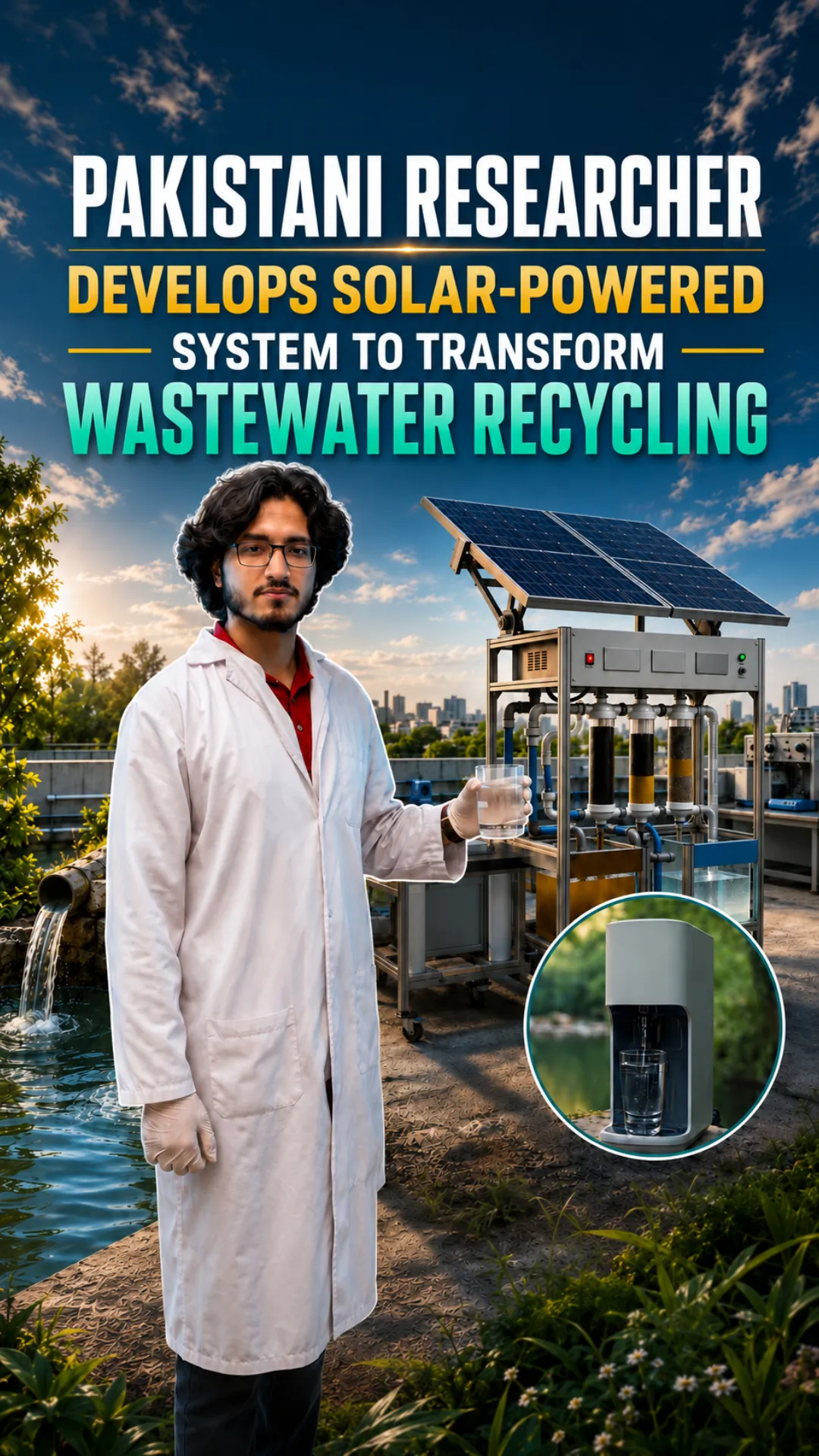
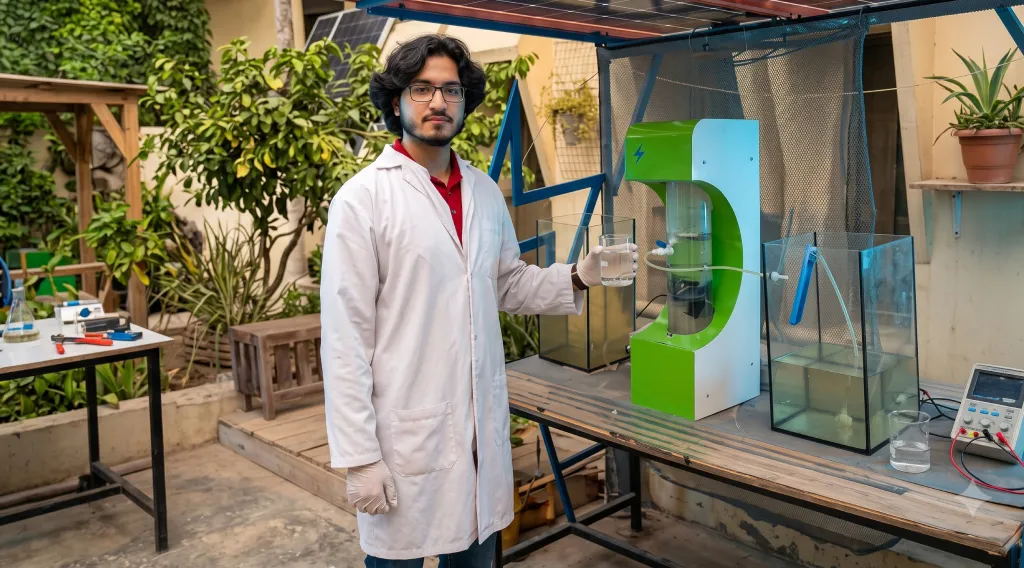
A researcher with roots in Karachi has developed a new wastewater recycling system designed to address growing concerns over water pollution and freshwater shortages.
Dr. Mubashir Saleem, currently conducting research at the University of Padua in Italy, introduced the solar-powered technology known as SolarPlas.
The system is designed to treat contaminated water using advanced scientific methods while reducing dependence on conventional chemical-based treatment processes. Its development reflects ongoing efforts to promote sustainable water management through innovative engineering.

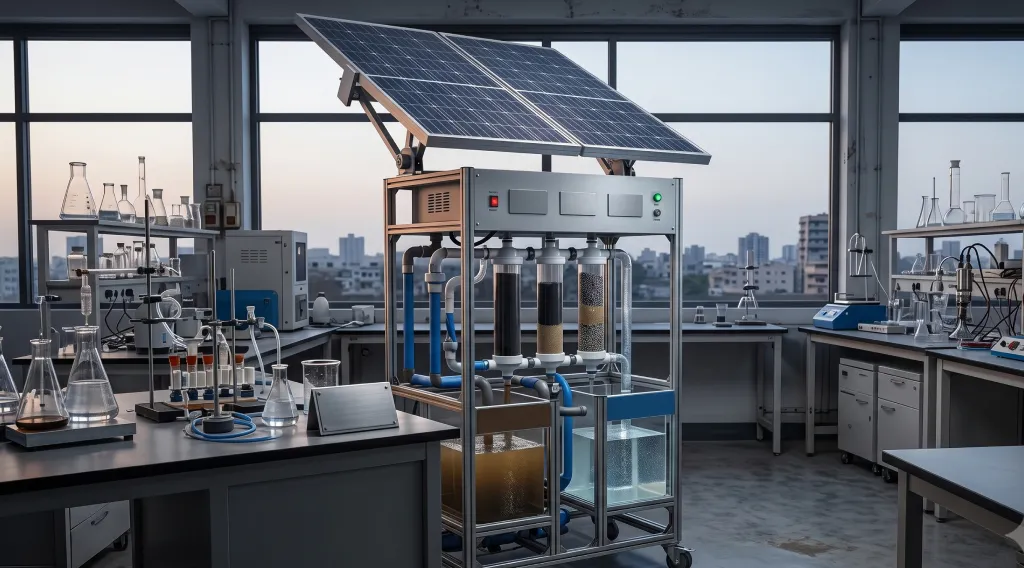
SolarPlas uses non-thermal plasma technology to remove a wide range of harmful contaminants from wastewater. The system is capable of eliminating toxic chemicals, antibiotic residues, antimicrobial-resistant bacteria, and more than 95 percent of organic pollutants.
Unlike many traditional treatment methods, the technology operates without the use of hazardous treatment chemicals. This approach helps minimize environmental impact while maintaining high purification efficiency.
The innovation provides a cleaner and more sustainable method for recycling wastewater for future use across different sectors.
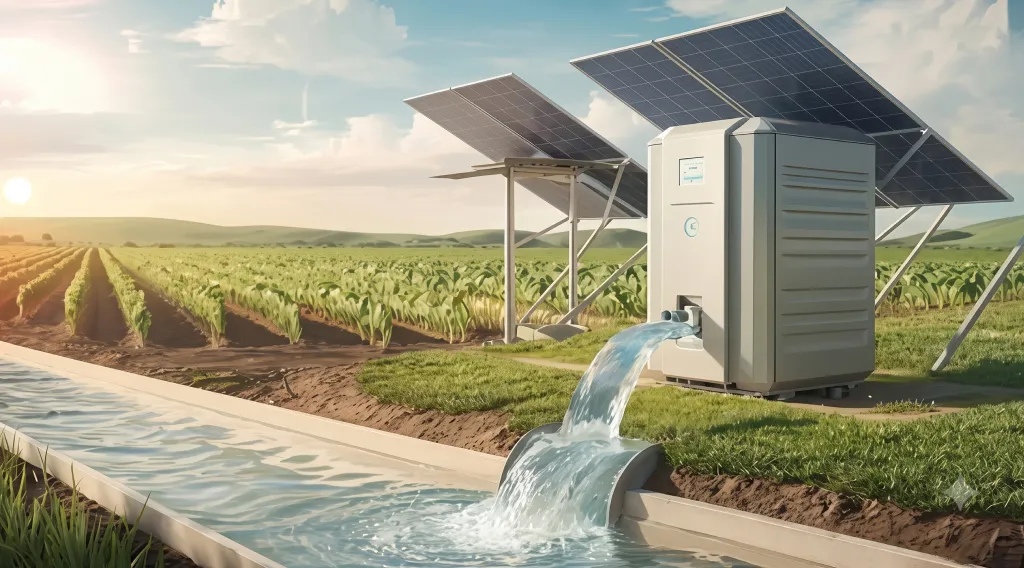
The wastewater treatment system is powered by renewable energy sources such as solar and wind, allowing it to operate with lower energy costs. Its design makes it suitable for both residential and industrial applications where water recycling is increasingly important.
By enabling treated wastewater to be reused, the technology can help reduce pressure on freshwater supplies while limiting pollution released into the environment. The solution is intended to support communities facing long-term water scarcity.
Its combination of renewable energy and advanced treatment technology offers a practical option for improving sustainable water management.
Dr. Saleem developed the project with the goal of addressing water-related challenges in countries experiencing growing demand for clean water, including Pakistan.
The technology is considered suitable for treating hospital wastewater, industrial discharge, and municipal sewage.
The research is supported by the Marie Skłodowska-Curie Actions programme, which promotes scientific innovation and international collaboration.
The project focuses on improving the efficiency and real-world application of plasma-based wastewater treatment systems.
A researcher with roots in Karachi has developed a new wastewater recycling system designed to address growing concerns over water pollution and freshwater shortages.
A researcher with roots in Karachi has developed a new wastewater recycling system designed to address growing concerns over water pollution and freshwater shortages.
Dr. Mubashir Saleem, currently conducting research at the University of Padua in Italy, introduced the solar-powered technology known as SolarPlas.
The system is designed to treat contaminated water using advanced scientific methods while reducing dependence on conventional chemical-based treatment processes. Its development reflects ongoing efforts to promote sustainable water management through innovative engineering.
SolarPlas uses non-thermal plasma technology to remove a wide range of harmful contaminants from wastewater. The system is capable of eliminating toxic chemicals, antibiotic residues, antimicrobial-resistant bacteria, and more than 95 percent of organic pollutants.
Unlike many traditional treatment methods, the technology operates without the use of hazardous treatment chemicals. This approach helps minimize environmental impact while maintaining high purification efficiency.
The innovation provides a cleaner and more sustainable method for recycling wastewater for future use across different sectors.
The wastewater treatment system is powered by renewable energy sources such as solar and wind, allowing it to operate with lower energy costs. Its design makes it suitable for both residential and industrial applications where water recycling is increasingly important.
By enabling treated wastewater to be reused, the technology can help reduce pressure on freshwater supplies while limiting pollution released into the environment. The solution is intended to support communities facing long-term water scarcity.
Its combination of renewable energy and advanced treatment technology offers a practical option for improving sustainable water management.
Dr. Saleem developed the project with the goal of addressing water-related challenges in countries experiencing growing demand for clean water, including Pakistan.
The technology is considered suitable for treating hospital wastewater, industrial discharge, and municipal sewage.
The research is supported by the Marie Skłodowska-Curie Actions programme, which promotes scientific innovation and international collaboration.
The project focuses on improving the efficiency and real-world application of plasma-based wastewater treatment systems.



