- Home
- /
- Innovation, Tech
Pakistani Fashion Shines Bright at the Global Stage
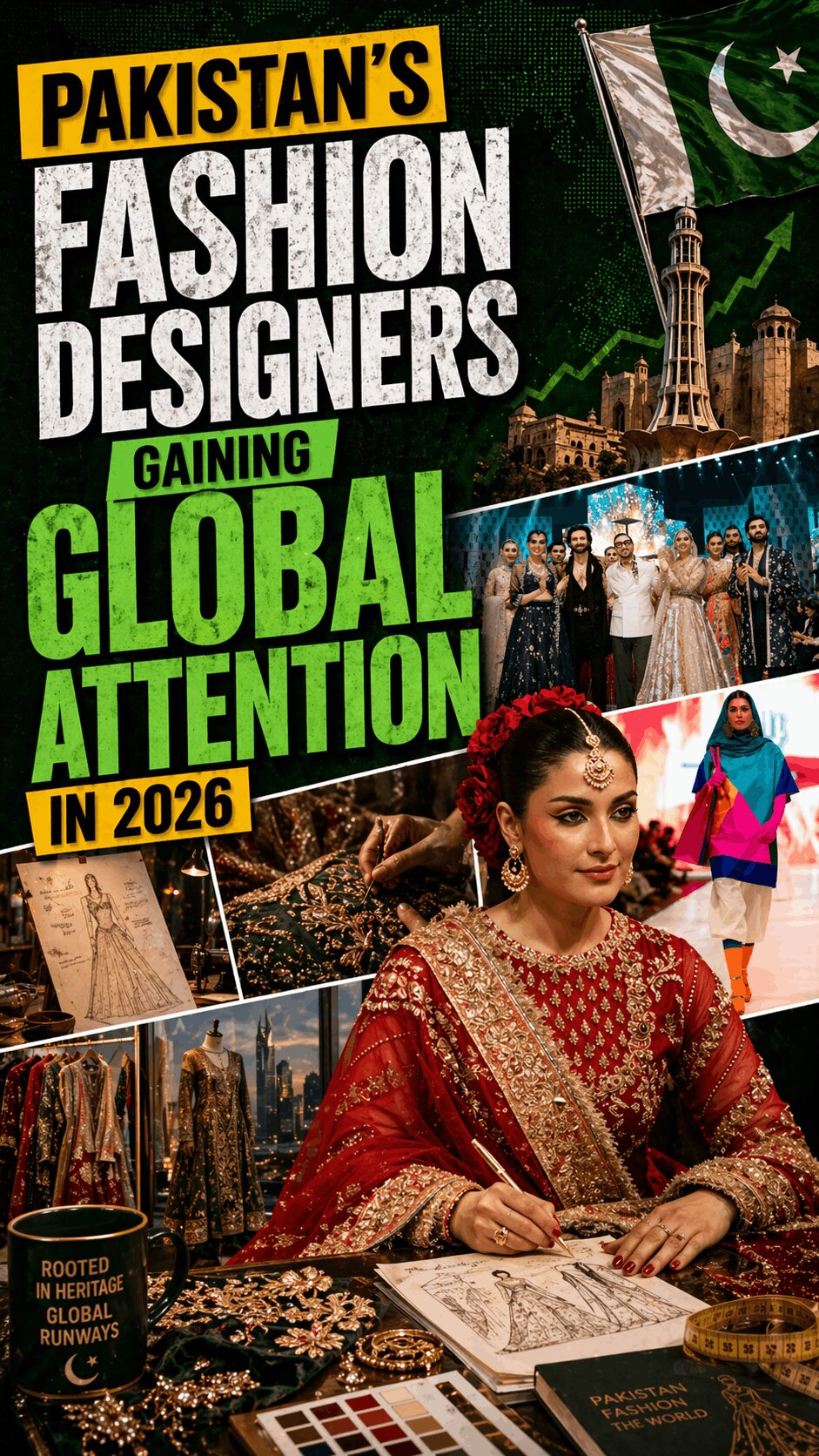
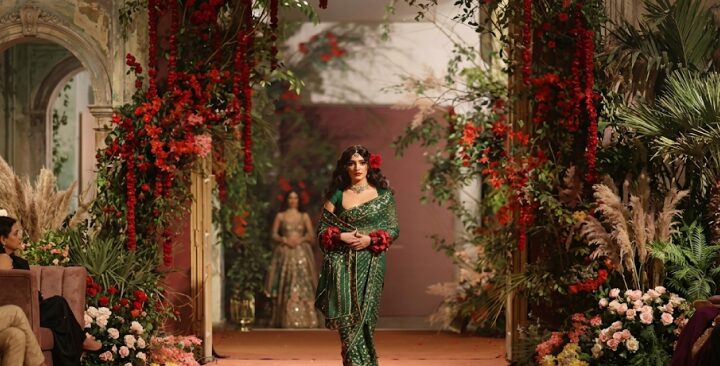
Pakistani couture designers such as Hussain Rehar are gaining international attention for their ability to merge traditional craftsmanship with modern fashion innovation.
Their collections often feature intricate embroidery, hand embellishment, and culturally inspired motifs, combined with experimental silhouettes and contemporary tailoring.
Alongside couture, Pakistan’s streetwear industry is reshaping global perceptions of South Asian fashion.
Brands like Rastah, based in Lahore, are leading this transformation by blending oversized silhouettes, bold graphic design.

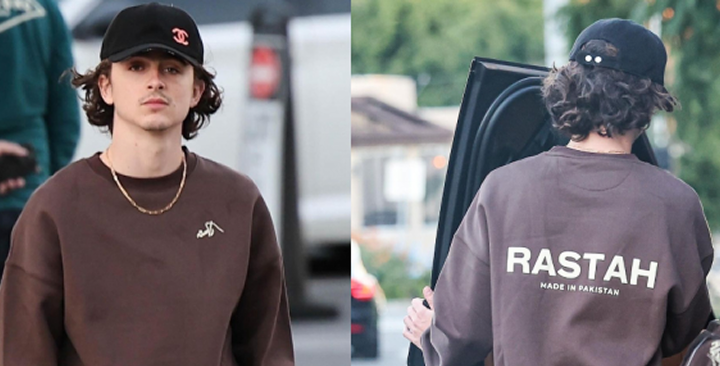
This fusion has created a strong international appeal, with the brand gaining recognition through global stockists, celebrity endorsements, and features in international fashion media.
Pakistani designers are increasingly participating in international fashion weeks, cross-border collaborations, and global creative campaigns.
Beyond physical runway shows, their work is being amplified through digital platforms, social media, and influencer-driven fashion ecosystems. This shift has significantly accelerated global visibility, allowing Pakistani fashion to reach diverse audience
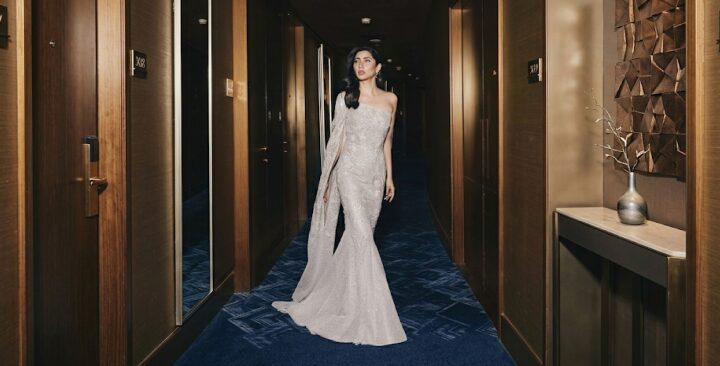
A defining strength of Pakistani fashion lies in its rich textile heritage. Traditional techniques such as hand embroidery, block printing, and intricate fabric weaving continue to play a central role in modern collections.
Designers are reinterpreting these heritage crafts in minimalist, contemporary, and avant-garde forms, making them relevant to both Eastern and Western fashion markets while preserving cultural authenticity.
Pakistani fashion is no longer limited to regional recognition it is becoming part of a broader international design conversation.
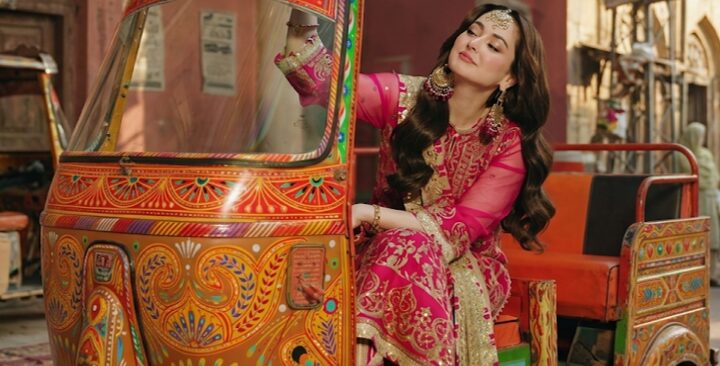
By combining cultural heritage with modern innovation, designers are reshaping how South Asian creativity is perceived globally.
As demand for authentic and diverse storytelling grows, Pakistan’s fashion industry is expected to gain even greater visibility through future collaborations, global showcases, and digital-first platforms.
From luxury couture to sustainable fashion, Pakistani designers are gaining worldwide recognition
Pakistani couture designers such as Hussain Rehar are gaining international attention for their ability to merge traditional craftsmanship with modern fashion innovation.
Their collections often feature intricate embroidery, hand embellishment, and culturally inspired motifs, combined with experimental silhouettes and contemporary tailoring.
Alongside couture, Pakistan’s streetwear industry is reshaping global perceptions of South Asian fashion.
Brands like Rastah, based in Lahore, are leading this transformation by blending oversized silhouettes, bold graphic design.
This fusion has created a strong international appeal, with the brand gaining recognition through global stockists, celebrity endorsements, and features in international fashion media.
Pakistani designers are increasingly participating in international fashion weeks, cross-border collaborations, and global creative campaigns.
Beyond physical runway shows, their work is being amplified through digital platforms, social media, and influencer-driven fashion ecosystems. This shift has significantly accelerated global visibility, allowing Pakistani fashion to reach diverse audience
A defining strength of Pakistani fashion lies in its rich textile heritage. Traditional techniques such as hand embroidery, block printing, and intricate fabric weaving continue to play a central role in modern collections.
Designers are reinterpreting these heritage crafts in minimalist, contemporary, and avant-garde forms, making them relevant to both Eastern and Western fashion markets while preserving cultural authenticity.
Pakistani fashion is no longer limited to regional recognition it is becoming part of a broader international design conversation.
By combining cultural heritage with modern innovation, designers are reshaping how South Asian creativity is perceived globally.
As demand for authentic and diverse storytelling grows, Pakistan’s fashion industry is expected to gain even greater visibility through future collaborations, global showcases, and digital-first platforms.