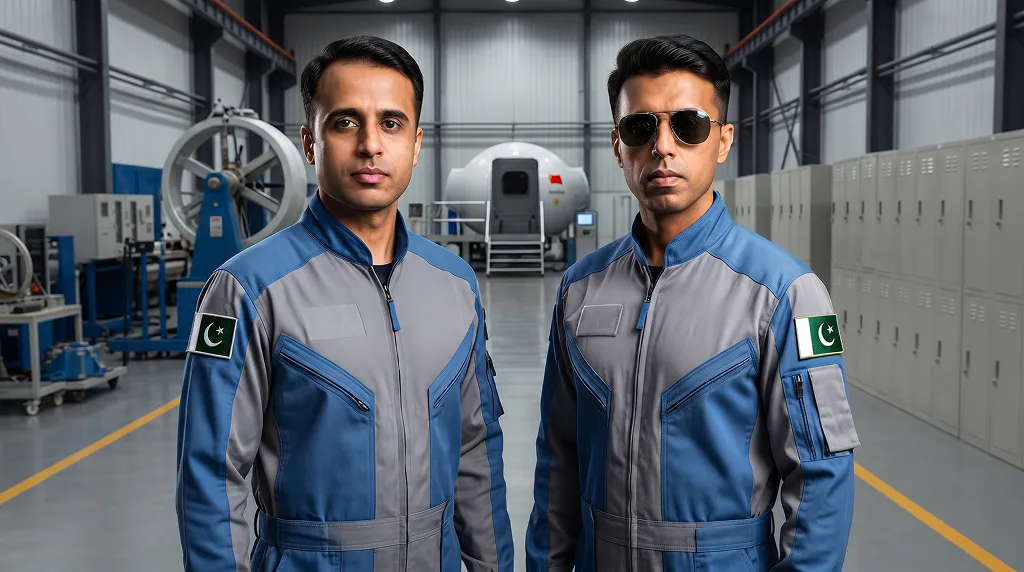
Pakistan is moving closer to its first human spaceflight, with two Pakistani pilots undergoing intensive astronaut training in China for a planned mission aboard the Tiangong space station.
The candidates are Muhammad Zeeshan Ali and Khurram Daud, who have spent months training at China’s Astronaut Research and Training Centre in Beijing.
Their preparation includes Mandarin language training, spacecraft systems and exercises designed to prepare them for microgravity and the physical forces of launch. China has not yet announced which pilot will fly.

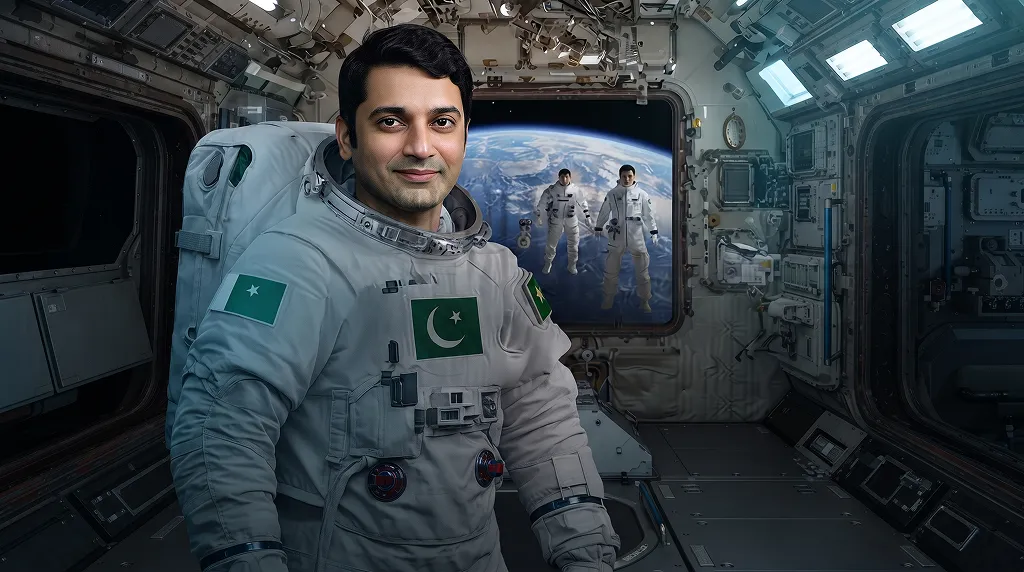
The selected pilot would become the first Pakistani to travel into space and, under the current plan, the first foreign astronaut to travel aboard China’s Tiangong space station.
The mission was conceived through Pakistan China space cooperation that dates back to 2019.
In May 2026, the two countries officially reaffirmed plans for two Pakistani astronauts to receive training in China, with one expected to eventually join a Tiangong mission.
The mission will carry Pakistani scientific experiments selected from more than 300 proposals submitted by universities in Karachi, Lahore and Islamabad.
Chinese research institutions selected four experiments for the planned flight, including biotechnology research connected to areas such as food security and climate related challenges. The experiments will be prepared and tested in Pakistan before being taken to space.
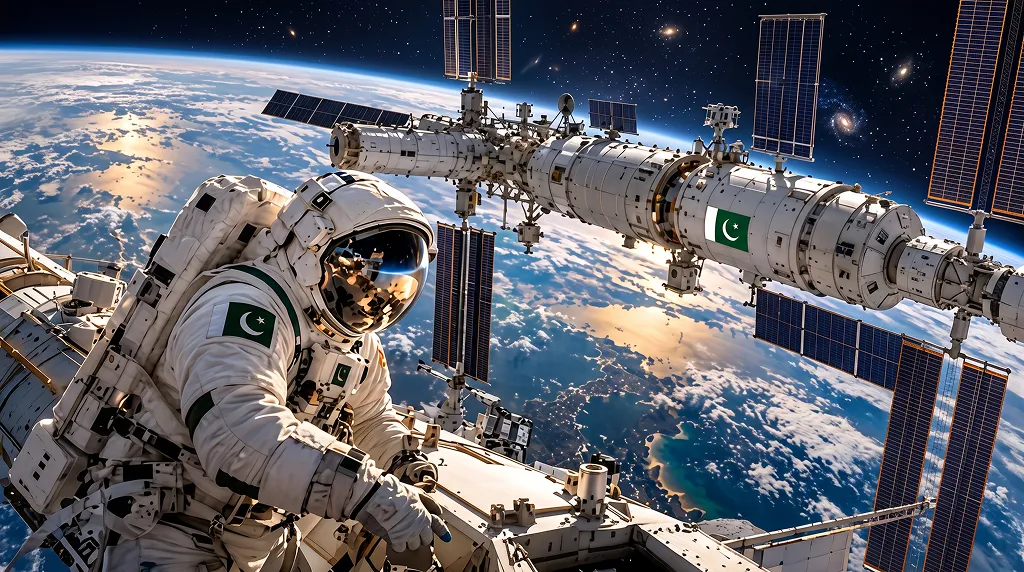
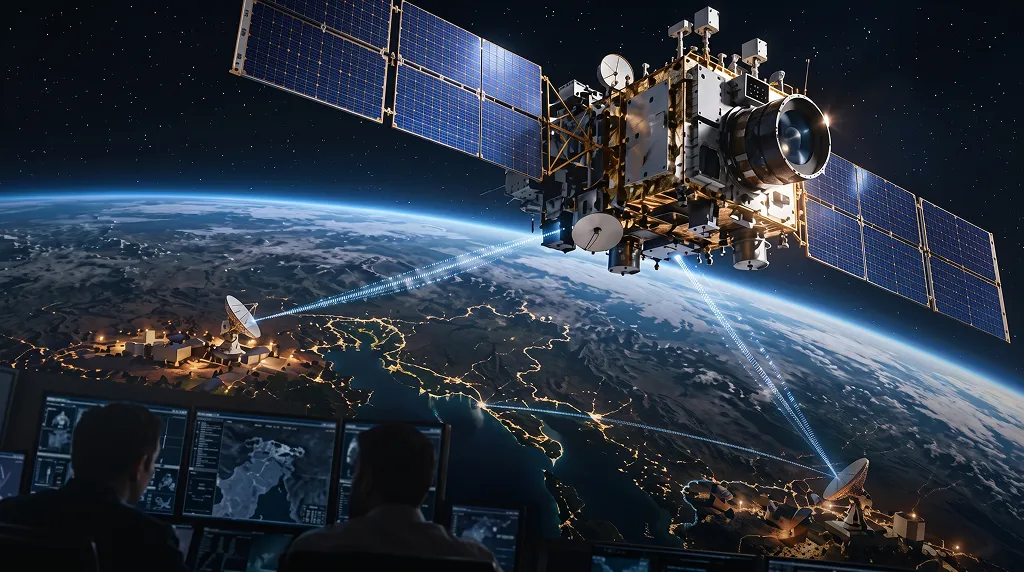
The planned astronaut mission is part of a wider Pakistan China space partnership. China has already launched Pakistani satellites, while the two countries are also developing cooperation in satellite navigation and other space technologies.
Another project is Pakistan’s planned lunar rover, which is expected to travel on China’s Chang’e 8 mission around 2028. The rover is being designed with AI based imaging technology that can help it identify obstacles and navigate across the lunar surface.
Pakistan is moving closer to its first human spaceflight, with two Pakistani pilots undergoing intensive astronaut training in China for a planned mission aboard the Tiangong space station.
Pakistan is moving closer to its first human spaceflight, with two Pakistani pilots undergoing intensive astronaut training in China for a planned mission aboard the Tiangong space station.
The candidates are Muhammad Zeeshan Ali and Khurram Daud, who have spent months training at China’s Astronaut Research and Training Centre in Beijing.
Their preparation includes Mandarin language training, spacecraft systems and exercises designed to prepare them for microgravity and the physical forces of launch. China has not yet announced which pilot will fly.
The selected pilot would become the first Pakistani to travel into space and, under the current plan, the first foreign astronaut to travel aboard China’s Tiangong space station.
The mission was conceived through Pakistan China space cooperation that dates back to 2019.
In May 2026, the two countries officially reaffirmed plans for two Pakistani astronauts to receive training in China, with one expected to eventually join a Tiangong mission.
The mission will carry Pakistani scientific experiments selected from more than 300 proposals submitted by universities in Karachi, Lahore and Islamabad.
Chinese research institutions selected four experiments for the planned flight, including biotechnology research connected to areas such as food security and climate related challenges. The experiments will be prepared and tested in Pakistan before being taken to space.
The planned astronaut mission is part of a wider Pakistan China space partnership. China has already launched Pakistani satellites, while the two countries are also developing cooperation in satellite navigation and other space technologies.
Another project is Pakistan’s planned lunar rover, which is expected to travel on China’s Chang’e 8 mission around 2028. The rover is being designed with AI based imaging technology that can help it identify obstacles and navigate across the lunar surface.



